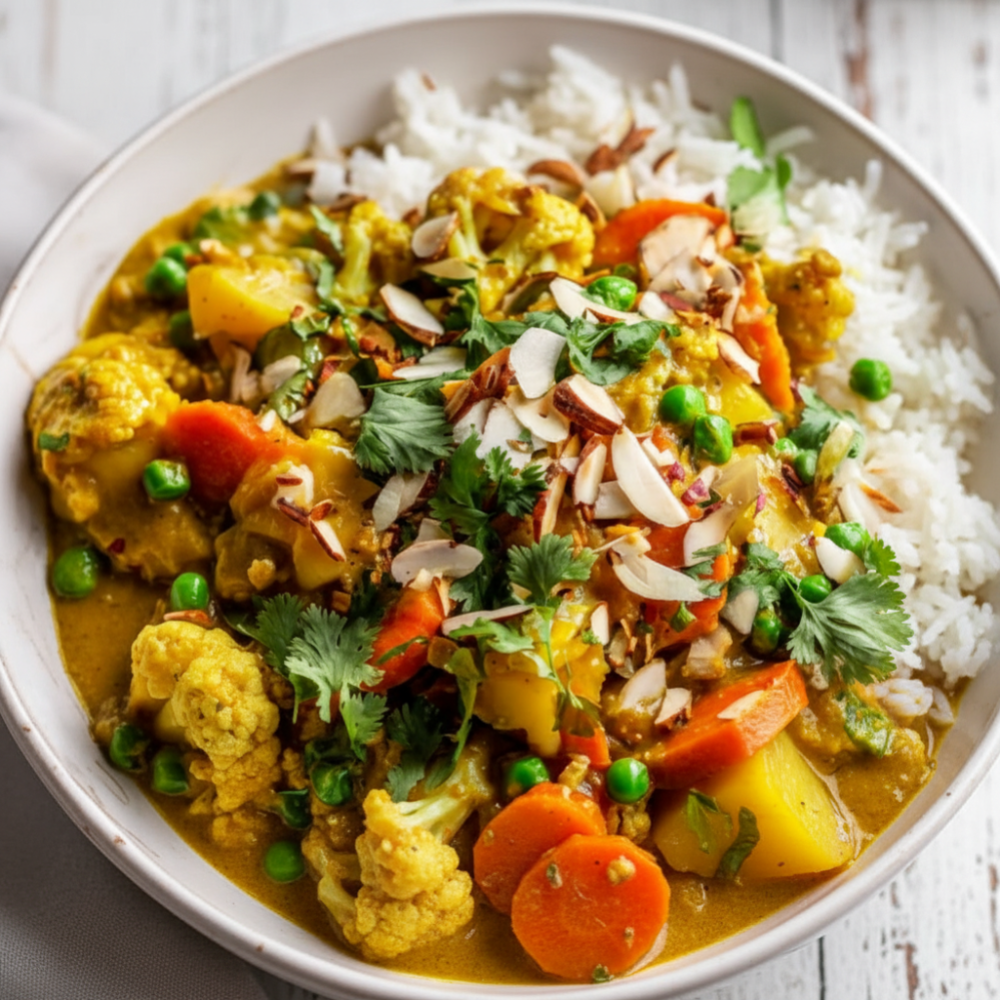
A comforting bowl of Vegetable Korma is a welcome sight after a busy day. This recipe delivers a rich, flavorful, and incredibly satisfying creamy veggie korma that is straightforward to prepare. It transforms simple vegetables into an elegant meal, perfect for a fulfilling plant-based weeknight dinner. Forget the complexities often associated with Indian cooking. This method focuses on efficiency and maximizing flavor with minimal fuss.
Why Make This Mixed Veggie Curry
Creating a delicious meal does not require hours in the kitchen. This mixed vegetable curry stands out as an excellent choice for several compelling reasons. It is primarily a one-pot (or mostly one-pot) affair, simplifying both cooking and cleanup. The ingredients are accessible and typically found in most pantries or local markets, making it a practical option for regular meal rotation.
This particular Vegetable Korma is a fantastic way to enjoy a substantial and wholesome meal. It capitalizes on common garden vegetables, ensuring a fresh and nutritious outcome. For those seeking the rich taste of Indian restaurant-style kurma without the intense spice, this recipe provides a perfectly mild mixed vegetable curry. It offers a gentle warmth and a depth of flavor that appeals to a wide range of palates, including those sensitive to heat. It also serves as a delightful vegetarian coconut curry, providing that desired creaminess without heavy dairy, making it suitable for many dietary preferences.
Consider this an ideal navratan korma alternative. While traditional Navratan Korma often involves specific nuts and fruits, this recipe focuses on a more streamlined approach, yielding similar comforting textures and flavors with fewer specialized ingredients. It’s a testament to how simple ingredients can create something truly satisfying and deeply nourishing.
Ingredient Breakdown
The beauty of this Vegetable Korma lies in its carefully selected, straightforward components. Each ingredient plays a crucial role in building the dish’s comforting profile.
- 1 cup White rice: Forms the essential base for serving, providing a neutral canvas for the rich curry.
- 2 cups Cauliflower, chopped: Adds a substantial, tender texture and absorbs the curry flavors beautifully.
- 1 cup Carrots, diced: Contributes natural sweetness and a vibrant color, softening to a pleasant consistency.
- 1 cup Potatoes, diced: Lends a hearty, creamy element to the curry, thickening the sauce slightly as it cooks.
- 15 oz Curry sauce: The foundational flavor component, providing the aromatic spices and creamy body of the korma.
- 0.5 cup Green peas: Offers bursts of fresh, sweet flavor and a tender pop of texture to the finished dish.
- 0.25 cup Sliced almonds: A simple, elegant garnish that adds a subtle nutty crunch, enhancing the overall texture.
- 2 tbsp Cilantro, chopped: Fresh herbs provide a bright, fragrant finish, lifting the dish with their distinctive aroma.
Step-by-Step Cooking Instructions
Follow these steps closely to create a luscious Vegetable Korma that is both flavorful and easy to execute. Precision in each stage ensures the best outcome.
1. Prepare the Rice
Begin by preparing your rice, as it forms the foundation for serving the korma. Measure 1 cup of white rice. Place the rice in a fine-mesh sieve and rinse it under cold running water until the water runs clear. This step removes excess starch, resulting in fluffier, less sticky rice. Transfer the rinsed rice to a medium pot with 2 cups of water. Bring the water to a boil, then reduce the heat to low, cover, and simmer for 15-18 minutes, or until all the water is absorbed and the rice is tender. Once cooked, remove from heat and let it sit, covered, for 5 minutes before fluffing with a fork.
2. Steam the Sturdy Vegetables
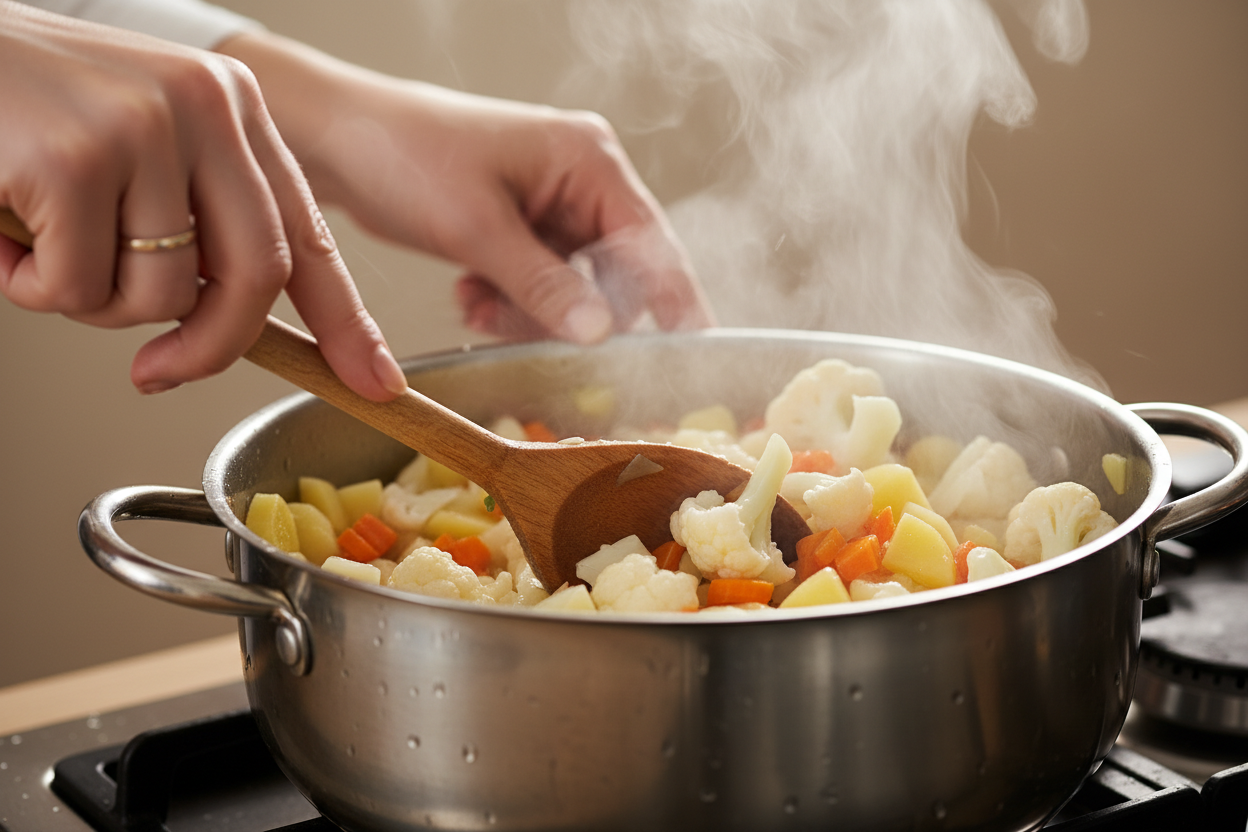
While the rice cooks, prepare the vegetables. Take 2 cups chopped cauliflower, 1 cup diced carrots, and 1 cup diced potatoes. Place these sturdy vegetables in a large pot or Dutch oven. Add about 1 inch of water to the bottom of the pot. Bring the water to a boil, then reduce the heat to medium-low, cover the pot, and steam the vegetables for exactly 8 minutes. This initial steaming step ensures the vegetables are partially cooked and tender before they are combined with the sauce, allowing them to finish cooking perfectly without becoming mushy.
3. Simmer in the Sauce
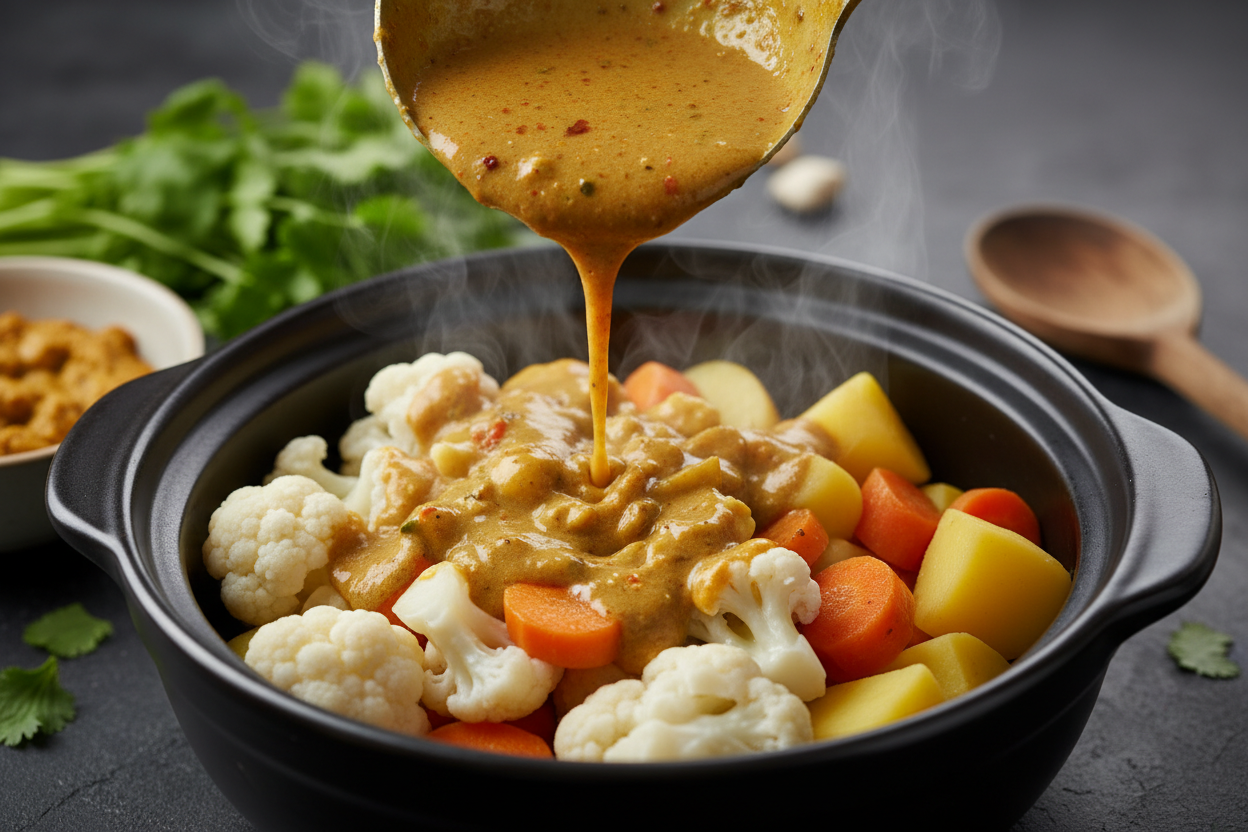
Once the sturdy vegetables have steamed for 8 minutes, carefully drain any remaining water from the pot. Pour in the entire 15 oz curry sauce over the vegetables. Stir gently to ensure all vegetables are coated evenly. Bring the mixture to a gentle simmer over medium heat. Once simmering, reduce the heat to low, cover the pot, and let the curry cook for precisely 10 minutes. This simmering time allows the vegetables to fully soften and absorb the rich flavors of the curry sauce, creating a deeply aromatic and cohesive dish. The sauce will meld with the vegetables, developing a creamy texture characteristic of a good korma.
4. Add the Peas
After the curry has simmered for 10 minutes, remove the lid. Stir in 0.5 cup green peas. The peas are added towards the end of the cooking process to retain their vibrant color and fresh texture. Continue to simmer the curry, uncovered, for an additional 3 to 5 minutes. This short cooking time is sufficient for the peas to heat through and become tender-crisp without losing their natural sweetness. Give the curry a final gentle stir to distribute the peas evenly.
5. Garnish and Serve
Your Vegetable Korma is now ready. To serve, spoon a generous portion of the warm curry over the freshly cooked white rice. Finish each serving by sprinkling 0.25 cup sliced almonds over the top. The almonds provide a pleasant textural contrast and a subtle nutty flavor. Finally, garnish with 2 tbsp freshly chopped cilantro. The fresh cilantro adds a burst of herbaceous flavor and a bright green color, completing the dish. Serve immediately and enjoy the comforting flavors of this homemade korma.
Variations and Cooking Tips
While this Vegetable Korma recipe is designed for simplicity and deliciousness, there are several ways to customize it to your preference or culinary needs. These suggestions allow for personal touches without altering the core integrity of the dish.
- Adjusting Spice Levels: If you prefer a bit more heat in your mild mixed vegetable curry, consider stirring in a pinch of cayenne pepper or a small amount of finely minced green chili alongside the curry sauce. For an even milder approach, a dollop of plain yogurt or coconut cream stirred in at the very end of cooking can further enhance the creaminess and temper any perceived spice.
- Adding Protein: For those looking to boost the protein content, pan-fried or baked tofu can be an excellent addition. Cut firm or extra-firm tofu into cubes, press out excess water, and pan-fry until golden brown. Stir the cooked tofu into the curry along with the green peas, allowing it to warm through and absorb some of the sauce’s flavors. This creates an even more substantial plant-based weeknight dinner.
- Alternative Garnishes: While sliced almonds provide a lovely crunch, you can explore other garnishes. Toasted cashews offer a richer, buttery flavor and a different texture. Alternatively, a sprinkle of toasted shredded coconut can enhance the subtle coconut notes of the vegetarian coconut curry. For an extra touch of freshness, a squeeze of lime juice just before serving can brighten the overall profile of the dish.
- Thicker Sauce: If you desire a thicker curry sauce, you can remove about 1/2 cup of the cooked vegetables, mash them lightly, and then stir them back into the sauce. This naturally thickens the korma without adding starches.
“Understanding the interaction of ingredients is key. Small adjustments can significantly enhance a dish, tailoring it perfectly to individual tastes while respecting the foundational recipe.”
Storage and Reheating
Proper storage ensures your delicious Vegetable Korma remains fresh and enjoyable for future meals. This dish reheats well, making it excellent for meal prep or enjoying leftovers.
To store, allow the curry to cool completely to room temperature. Transfer the cooled creamy veggie korma into an airtight container. It can be safely stored in the refrigerator for up to 3-4 days. For longer storage, the korma can be frozen for up to 2-3 months. If freezing, separate the curry from the rice, as rice can change texture upon thawing and reheating.
When ready to reheat, thaw frozen korma in the refrigerator overnight. For refrigerated leftovers, transfer the desired portion to a saucepan or microwave-safe dish. On the stovetop, heat over medium-low heat, stirring occasionally, until thoroughly warmed through. If the sauce appears too thick, add a small splash of water or vegetable broth to achieve the desired consistency. In the microwave, heat in 1-minute intervals, stirring between each, until piping hot. Always ensure the curry is heated to an internal temperature of 165°F (74°C) before serving.
This Vegetable Korma offers a comforting and flavorful experience, perfect for any evening. It is a testament to the fact that wholesome, delicious food can be both simple to prepare and incredibly satisfying. Enjoy the rich, creamy textures and gentle spices of this versatile dish.
For more easy and delicious recipes, be sure to follow our Facebook page.
Creamy Mixed Veggie Curry
Ingredients
- 1 cup White rice Rinsed
- 2 cups Cauliflower Chopped
- 1 cup Carrots Diced
- 1 cup Potatoes Diced
- 15 oz Curry sauce Store-bought or homemade mild base
- 0.5 cup Green peas Fresh or frozen
- 0.25 cup Sliced almonds For garnish
- 2 tbsp Cilantro Freshly chopped for garnish
Instructions
- Rinse 1 cup of white rice under cold water, then cook according to package instructions until tender.
- In a large pot, add 2 cups chopped cauliflower, 1 cup diced carrots, and 1 cup diced potatoes. Add a small splash of water, cover, and steam over medium heat for 8 minutes.
- Pour 15 oz of curry sauce into the pot with the vegetables. Bring to a gentle simmer and cook for 10 minutes.
- Stir in 0.5 cup green peas and continue to simmer for 3 to 5 minutes until all vegetables are fork-tender.
- Divide the cooked white rice among serving bowls and spoon the warm vegetable mixture over the top.
- Garnish each serving evenly using 0.25 cup sliced almonds and 2 tbsp chopped cilantro before serving.
For more daily recipes and tips, follow us on Facebook!
Click here to join our community!