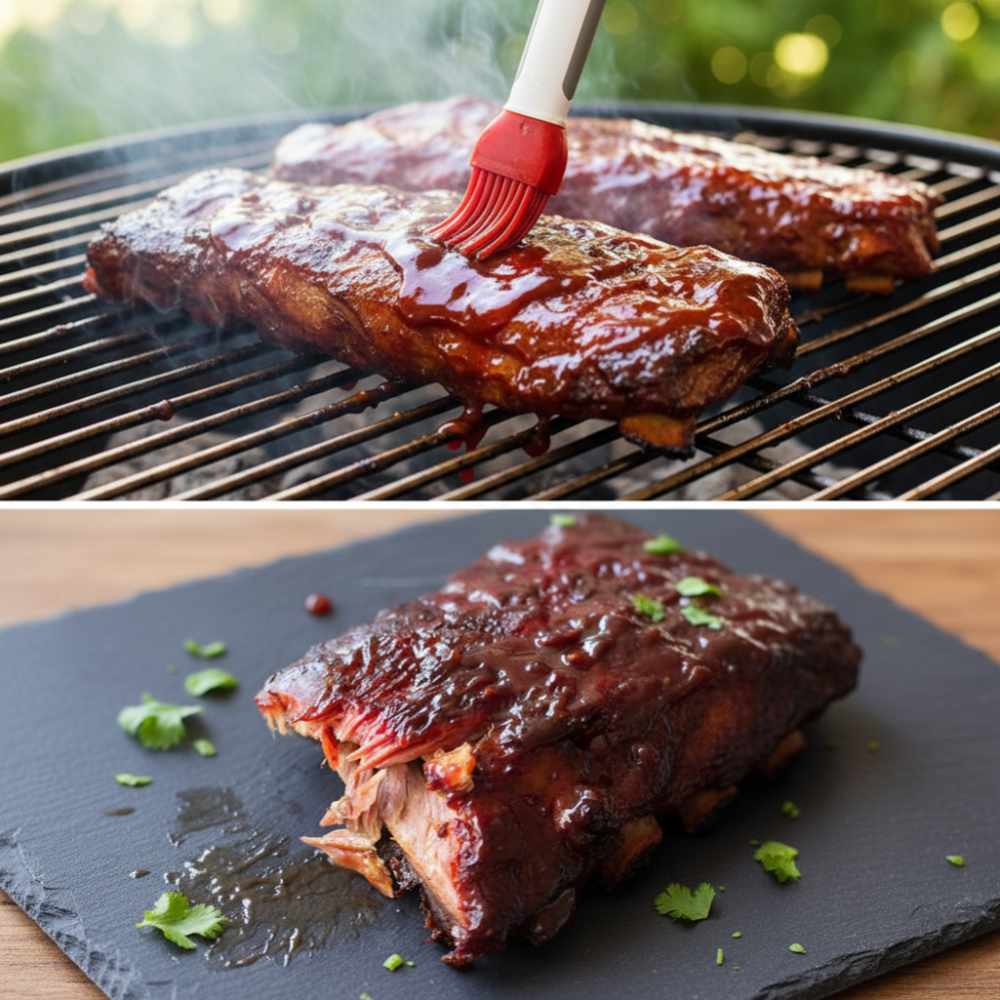
Welcome to your new favorite summer cookout staple. When it comes to outdoor gatherings, few dishes command attention quite like expertly smoked beef ribs. This recipe promises to deliver a truly unforgettable centerpiece, perfect for Memorial Day, 4th of July, or Labor Day celebrations. Imagine the rich, robust beefiness, complemented by a sweet and tangy barbecue sauce, all finished with a fresh kick of bright cilantro. These ribs represent the pinnacle of summer cookout recipes, bringing that authentic, slow-smoked flavor directly to your table.
Why Choose Beef Back Ribs?
While there are many options for smoked meats, beef back ribs offer a distinct advantage. Unlike other cuts, these ribs are primarily known for their deeply flavored, robust meat found between and around the bones. This cut delivers a savory, almost steak-like quality that stands apart. The generous marbling inherent in beef translates into incredible moisture and flavor when cooked properly. Because of this rich composition, slow smoking is not just a cooking method; it is the ideal preparation. This low-and-slow approach allows the connective tissues to break down gradually, rendering the meat incredibly tender without drying it out. The smoke infuses every fiber, transforming the beef into a succulent, fall-off-the-bone experience that conventional cooking methods simply cannot replicate.
Essential Equipment and Ingredients
Crafting exceptional smoked beef ribs begins with the right tools and premium ingredients.
The Equipment
- A quality smoker is paramount. Whether you use a pellet grill ribs smoker, an offset smoker, or a traditional charcoal smoker, consistency is key.
- Hickory or oak wood chips or chunks are essential for imparting that classic, smoky flavor.
- A reliable digital meat thermometer is non-negotiable for accurate temperature readings.
- A basting brush will be needed for applying the glaze.
The Ingredients Breakdown
- 2 racks of beef back ribs, approximately 4 lbs total.
- 1/4 cup of your favorite BBQ rub. A basic rub with salt, pepper, garlic powder, and paprika provides an excellent foundation.
- 1 cup of quality barbecue sauce. Choose one with a balance of sweet, tangy, and savory notes.
- 2 tbsp of fresh cilantro, finely chopped for garnish.
Step-by-Step Preparation
Executing perfect smoked beef ribs involves careful preparation of both the smoker and the meat itself.
1. Prepping the Smoker
Begin by preparing your smoker. Bring it up to a steady temperature of 250°F (120°C). Maintaining this consistent low heat is crucial for slow smoking. Manage your airflow and wood addition carefully to ensure a clean, steady stream of smoke. Avoid thick, acrid smoke; aim for a thin, blue wispy smoke for the best flavor infusion. This initial setup establishes the foundation for truly delicious smoker recipes.
2. Prepping the Meat
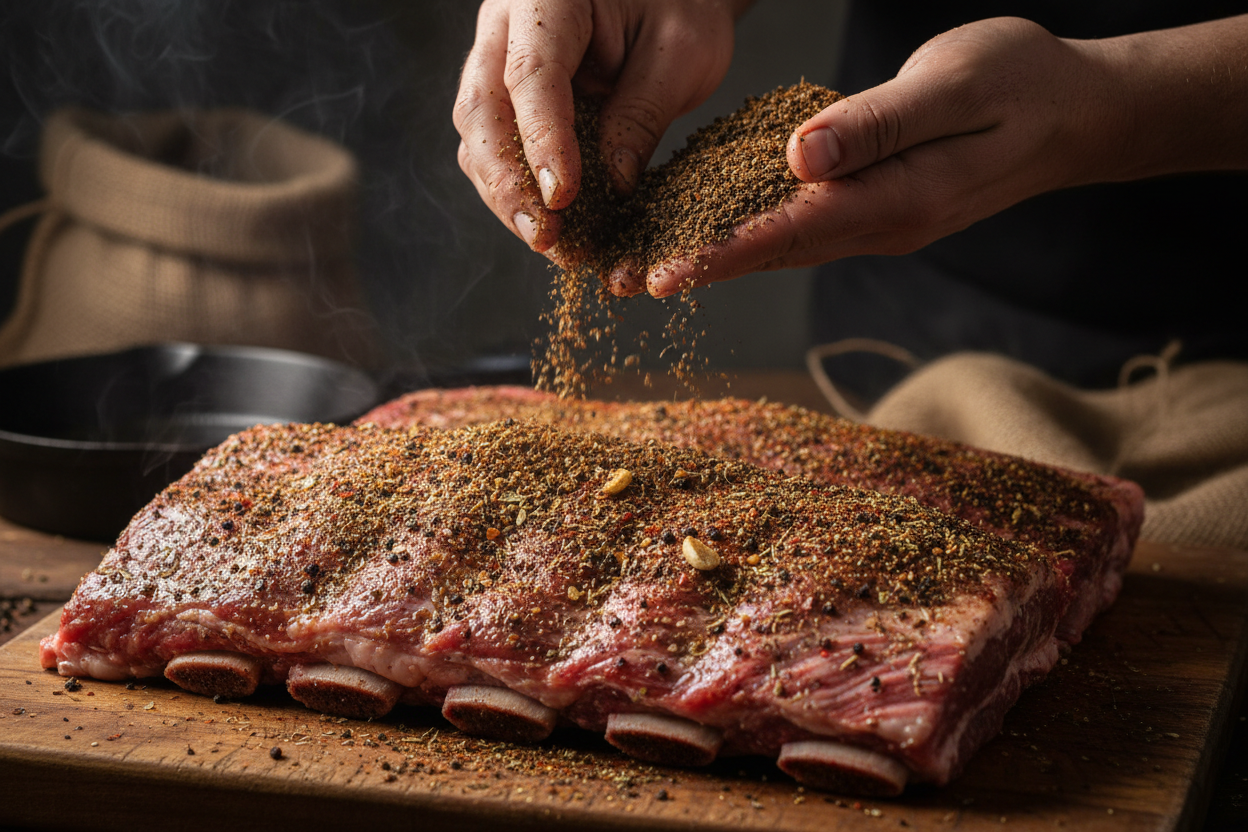
Properly prepping the beef back ribs ensures optimal tenderness and flavor absorption. First, remove the silver skin or membrane from the back of the ribs. This thin, tough layer can prevent the rub from penetrating the meat and will become leathery if left on. Use a butter knife to pry up one corner of the membrane, then grip it with a paper towel and peel it away. Once the membrane is removed, generously apply the 1/4 cup of BBQ rub evenly across all sides of the 2 racks of ribs. Ensure every surface is coated for maximum flavor.
The Smoking Process
The heart of this recipe lies in the patient, controlled smoking process, yielding tender, flavorful BBQ beef.
The Initial Smoke Phase
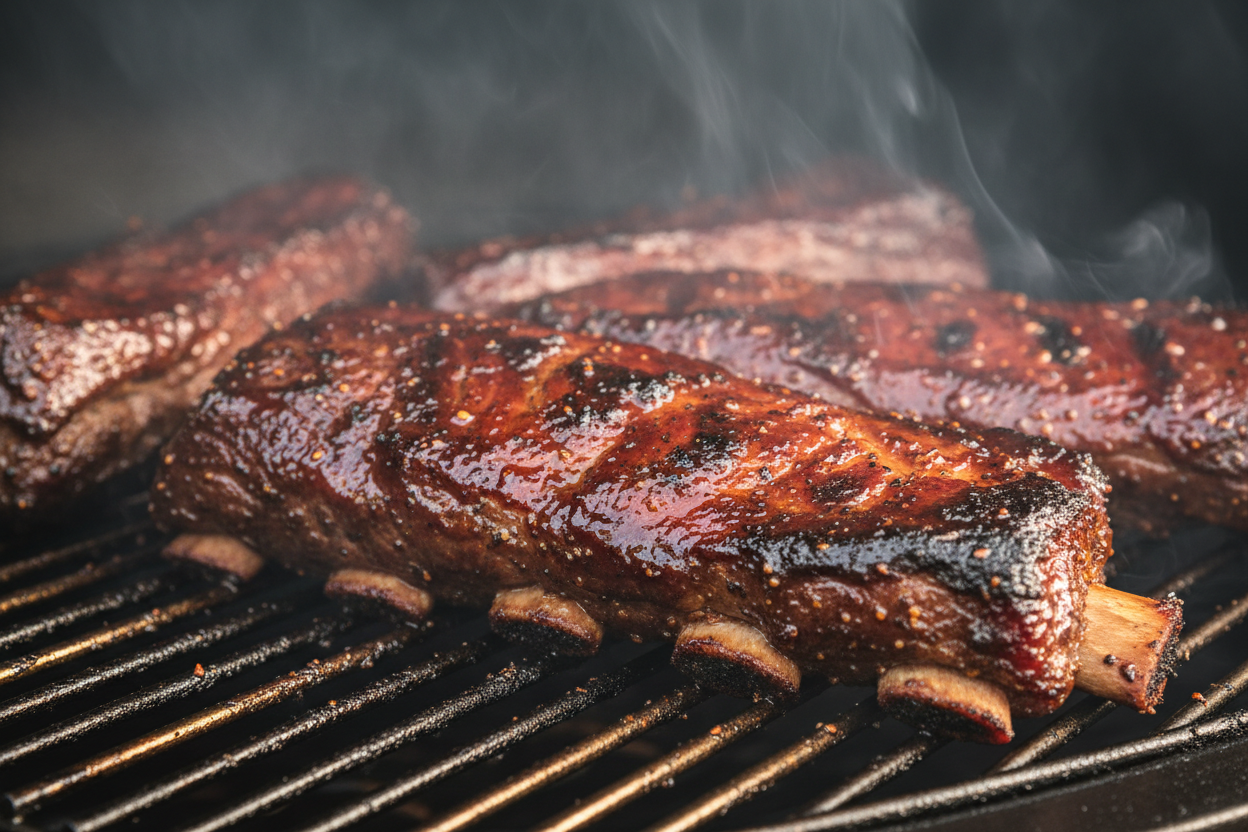
Once your smoker is at 250°F (120°C) and producing clean smoke, carefully place the seasoned ribs bone-side down directly on the grates. Close the smoker and let them smoke undisturbed for the first 3 hours. During this critical initial phase, the ribs will develop a beautiful, flavorful bark and fully absorb the deep, aromatic notes of the hickory smoked beef. Resist the urge to open the smoker, as this releases heat and smoke, extending cooking time and compromising flavor.
The Basting Phase
After the initial 3 hours, transition to the final hour of cooking. Begin applying the 1 cup of barbecue sauce to the ribs. Use your basting brush to coat the ribs evenly. Continue to baste the ribs every 30 minutes during this last hour. This regular application will build up a beautiful, sticky, and caramelized coating without burning, creating an irresistible exterior that is a hallmark of great grilling beef.
Achieving the Perfect Doneness
Knowing when your smoked beef ribs are truly done is key to their tenderness and juiciness. A reliable digital meat thermometer is your best friend here.
Insert the thermometer into the thickest part of the meat, avoiding the bones. You are looking for an internal temperature of 200°F (93°C). While temperature is a good guide, the “probe test” is the ultimate indicator of tenderness. When you insert the thermometer or a skewer, it should slide into the meat with very little resistance, much like sliding into warm butter. If you feel significant resistance, the ribs need more time.
Once they reach the ideal temperature and tenderness, remove the ribs from the smoker. It is crucial to rest the meat for 15 minutes before slicing. Tent the ribs loosely with foil to allow the juices to redistribute throughout the meat, ensuring every bite is moist and flavorful. Skipping this step can result in dry ribs.
Serving and Garnishing
Presenting your masterpiece is the final step in this satisfying culinary journey. After resting, slice the smoked beef ribs cleanly between the bones. Arrange them artfully on a platter. For a vibrant finish, sprinkle the 2 tbsp of fresh chopped cilantro generously over the sticky barbecue sauce glaze. The cilantro adds a bright, herbaceous burst that beautifully complements the richness of the beef and the sweetness of the sauce.
For a complete Texas style barbecue experience, serve these magnificent ribs with classic accompaniments. Suggested side dishes include creamy coleslaw, hearty potato salad, and smoky baked beans.
Frequently Asked Questions
- Can I cook these in an oven if I don’t have a smoker? While you can cook beef ribs in an oven, you will miss the characteristic smoky flavor that defines this recipe. An oven-baked version will not achieve the deep, authentic taste of hickory smoked beef. For true smoky flavor, a smoker is essential.
- How do I store and reheat leftovers to maintain moisture? Store leftover ribs in an airtight container in the refrigerator for up to 3-4 days. To reheat, wrap them tightly in foil with a splash of apple juice or broth, then warm them in an oven at 275°F (135°C) until heated through. This method helps maintain moisture and tenderness.
- What wood pairs best with beef? For beef, robust woods like hickory and oak are excellent choices, as suggested in this recipe. Mesquite is another strong option, imparting a more intense smoke flavor that stands up well to beef’s richness. These woods contribute to the distinctive profile of great smoker recipes.
For more delicious recipes and grilling tips, make sure to follow our Facebook page: Follow us on Facebook.
Slow-Smoked Beef Back Ribs
Ingredients
- 2 racks Beef back ribs Membrane removed
- 1/4 cup BBQ Rub Salt, pepper, garlic, paprika blend
- 1 cup Barbecue sauce Your favorite brand
- 2 tbsp Fresh cilantro Finely chopped
Instructions
- Preheat your smoker to 250°F (120°C) using hickory or oak wood.
- Remove the thin membrane from the back of the ribs. Season the racks generously on all sides with the BBQ rub.
- Place the ribs bone-side down on the smoker grates. Close the lid and smoke for 3 hours undisturbed.
- During the 4th hour of cooking, baste the ribs with barbecue sauce every 30 minutes until the internal temperature reaches 200°F.
- Remove the ribs from the smoker and let them rest for 15 minutes. Garnish with chopped cilantro before slicing and serving.
For more daily recipes and tips, follow us on Facebook!
Click here to join our community!