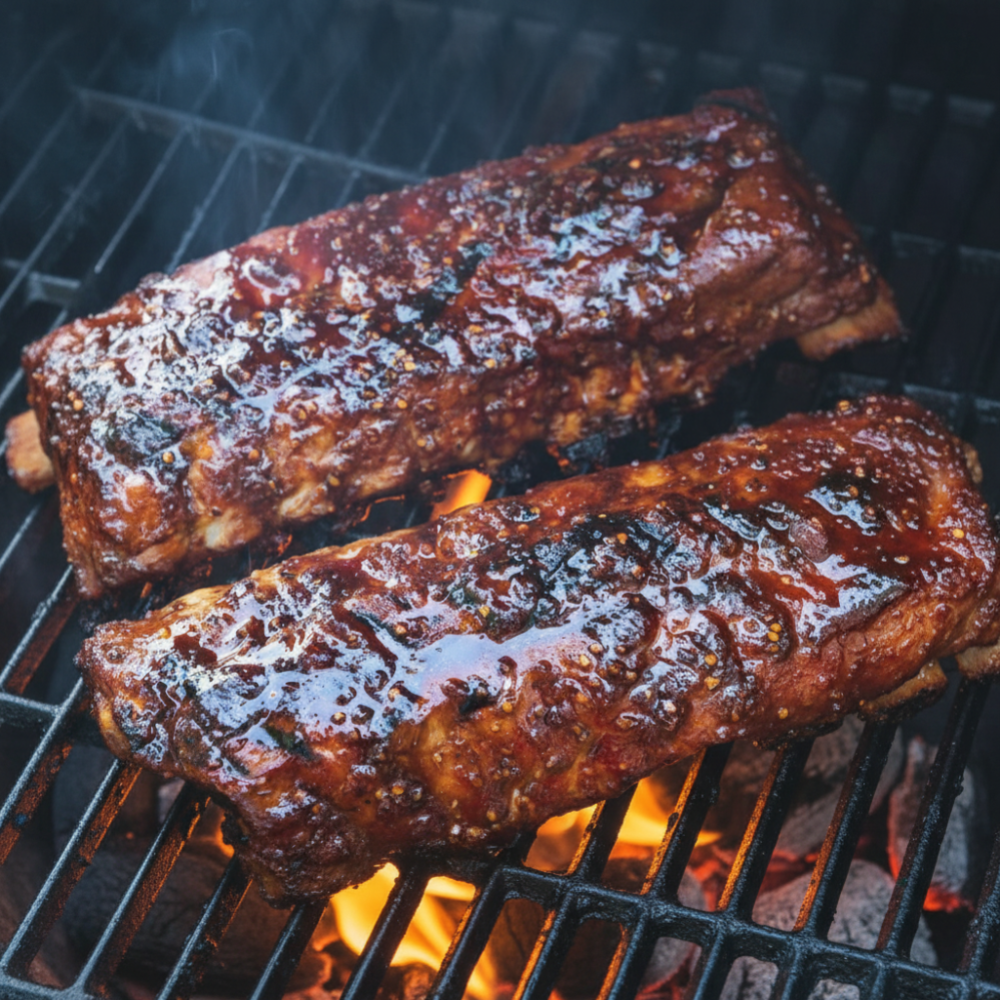
Mastering the art of grilling ribs is a rite of passage for any outdoor cooking enthusiast. While Beef often takes center stage at cookouts, robust and flavorful bbq beef back ribs offer a deeply savory alternative. Their rich, meaty profile can transform an ordinary meal into an extraordinary feast. This guide breaks down the preparation, the best dry rub formulation, and the optimal two-zone grilling method to ensure tender, juicy results every time. Follow these steps to elevate your barbecue game and deliver truly unforgettable grilled beef ribs.
Understanding the Cut: Beef Back Ribs
Unlike short ribs, which are incredibly meaty and cut from the plate or chuck, beef back ribs come from the rib primal—the exact same area where prime rib and ribeye steaks are sourced. The meat is nestled between the bones rather than on top, making them distinctively lean yet flavorful. When cooked properly, these bones yield a tender, intensely rich, steak-like flavor. Often referred to as “dinosaur ribs” due to their impressive size, a well-prepared rack of these ribs promises a satisfyingly meaty experience. Understanding this cut is the first step toward mastering any beef back ribs recipe.
Essential Ingredients
To achieve the perfect crust and flavor profile for your barbecue beef ribs, you will need:
- Beef back ribs: 4 lbs (approximately 2 racks)
- Olive oil: 2 tbsp (used as a binder)
- Spice Rub:
- 2 tbsp Smoked paprika
- 2 tbsp Brown sugar
- 1 tbsp Garlic powder
- 1 tbsp Onion powder
- 1 tbsp Kosher salt
- 1 tbsp Black pepper
- BBQ sauce: 1 cup (for finishing)
Each ingredient plays a crucial role, from the beef ribs binder that ensures seasoning adherence to the carefully balanced spices in the beef ribs dry rub.
Preparation: How to Prep Ribs for the Grill
Proper preparation dictates the final texture and flavor of your meat. Taking the time for these crucial steps will make all the difference.
Membrane Removal
The most crucial step in preparing your ribs is removing the tough membrane (silverskin) from the bone side of the racks. This membrane, if left intact, can make the ribs tough and prevent your seasoning from fully penetrating the meat. To remove it, use a dull butter knife or a spoon to pry it up at one corner of a bone. Once you have a small section lifted, grip it firmly with a paper towel for better traction, and pull it away completely. It should come off in one long strip. If it tears, simply repeat the process from where it broke. This step is non-negotiable for achieving tender, fall-off-the-bone results.
The Binder
After the membrane is removed, lightly coat both racks of beef back ribs with 2 tablespoons of olive oil. This olive oil acts as an excellent beef ribs binder, creating a moist surface that helps the spice rub adhere uniformly to the meat. It also contributes to the formation of a beautiful bark during the cooking process. Ensure the entire surface is thinly coated, but not saturated.
Seasoning
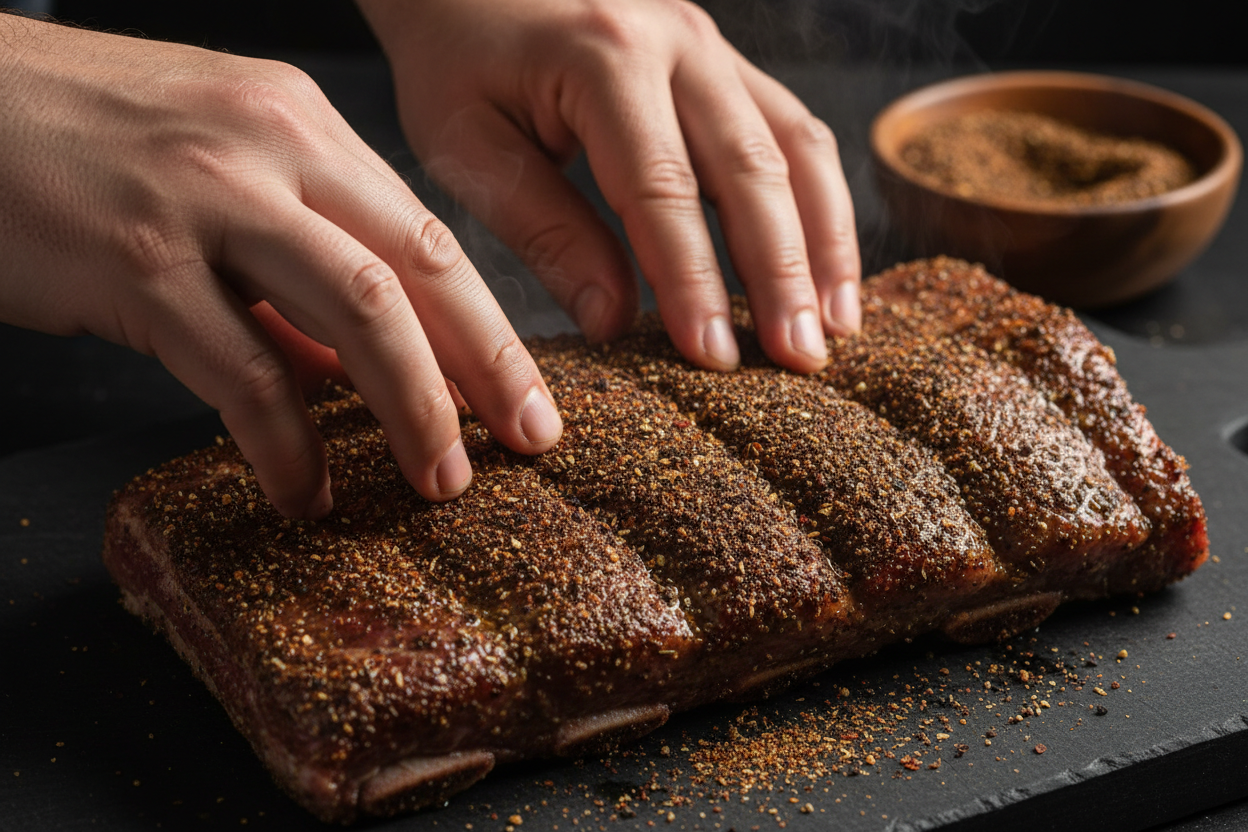
In a small bowl, combine the 2 tablespoons of smoked paprika, 2 tablespoons of brown sugar, 1 tablespoon of garlic powder, 1 tablespoon of onion powder, 1 tablespoon of kosher salt, and 1 tablespoon of black pepper to create your signature beef ribs dry rub. Generously apply this combined spice rub to all sides of the beef back ribs. Instead of rubbing vigorously, gently press the rub into the meat. This method helps the spices adhere without clumping and ensures an even coating. Once seasoned, let the meat rest for at least 30 minutes at room temperature. This resting period allows the flavors to meld and the salt to begin its work, enhancing the overall taste and tenderness.
The Grilling Process: Step-by-Step
Achieving perfectly tender and flavorful bbq beef back ribs requires a careful approach, focusing on consistent, low heat.
Setting Up Two-Zone Cooking
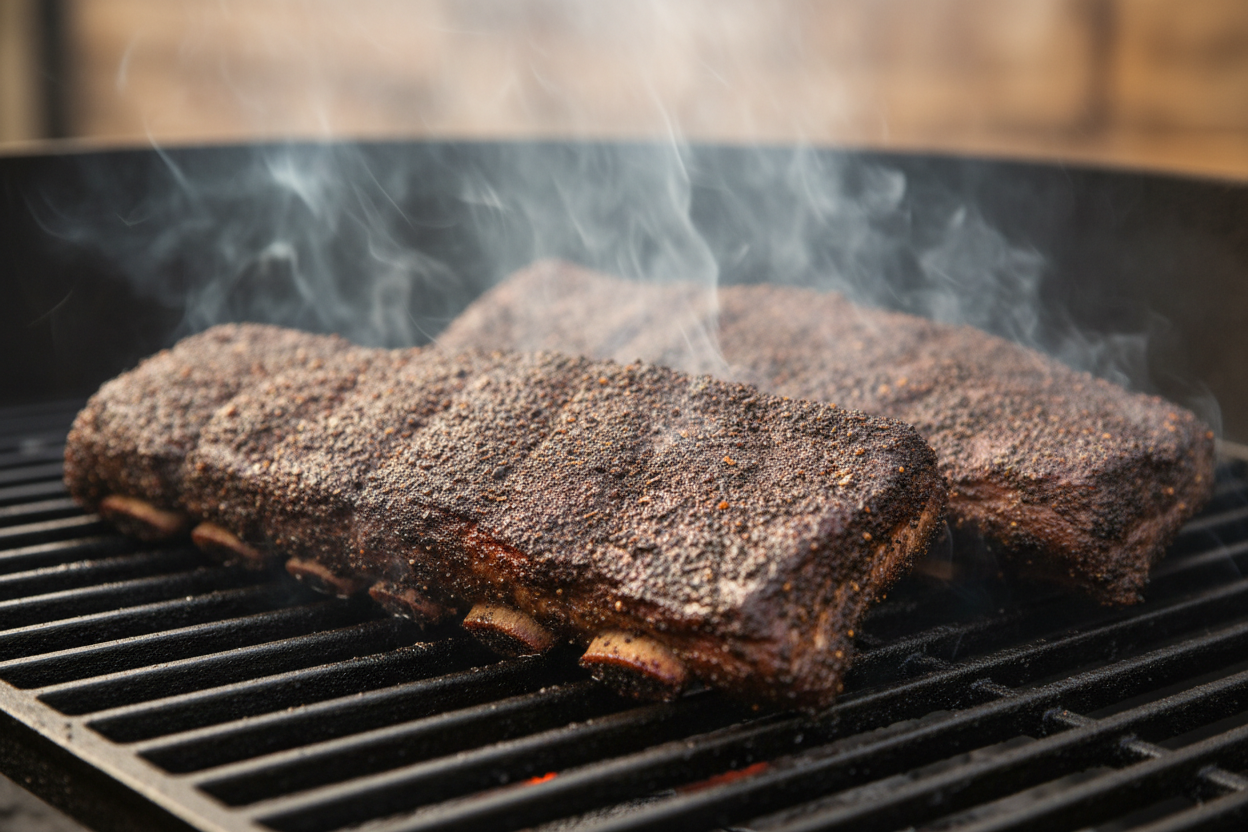
To prevent the outside of your ribs from burning before the inside becomes tender, it is essential to set up a two-zone grilling environment. This involves creating distinct hot and cool zones on your grill. If you are using a charcoal grill, pile the hot coals on one side, leaving the other side empty. For a gas grill, ignite burners on one side to high heat, leaving the adjacent burners off. The goal is to maintain an ambient temperature of 250°F (120°C) on the indirect heat side. This specific grill setup for low and slow cooking is critical for tenderizing the tough connective tissues in the ribs over an extended period without charring the exterior.
Cooking Instructions
1. Once your grill is preheated and your two-zone setup is established, place the prepared beef back ribs on the indirect heat side of the grill, bone-side down. This positioning ensures gentle, even cooking.
2. Close the lid and let them cook undisturbed for 2.5 to 3 hours. The key to tender beef ribs is patience and consistent low temperature. Resist the urge to frequently open the lid, as this releases heat and prolongs cooking time. Monitor your grill’s temperature to ensure it stays around 250°F (120°C). The meat is ready for the next step when it is tender to the probe, meaning a skewer or toothpick slides into the thickest part of the meat with little resistance, and has noticeably pulled back from the ends of the bones, exposing about a quarter to a half-inch of bone. This indicates that the collagen has broken down, resulting in tender meat.
3. During the final 15 minutes of cooking, carefully open the grill and brush a generous layer of 1 cup of your preferred barbecue sauce over the ribs. This step adds a sweet and tangy glaze, complementing the savory meat.
4. After saucing, move the racks briefly over the direct heat zone. This brief exposure to higher heat helps to caramelize the sugars in the barbecue sauce, creating a delicious, sticky glaze. Watch them very closely during this stage, as the sugars in the sauce will burn quickly. A minute or two on each side over direct heat is usually sufficient to achieve the desired caramelization without burning.
Resting and Serving
Once the barbecue beef ribs are cooked to perfection, remove them from the grill. Tent them loosely with aluminum foil to trap heat and moisture. Allow a 10-15 minute resting period. This crucial step allows the meat fibers to relax and the juices to redistribute throughout the ribs, ensuring maximum tenderness and flavor. Skipping this step can result in drier ribs. After resting, slice the racks between the bones and serve immediately.
Pro Tips for the Best Barbecue Beef Ribs
To truly master your bbq beef back ribs, consider these expert tips that enhance flavor and tenderness:
- Wood Chips: For an authentic smoky flavor, enhance the smoke profile by adding soaked hickory or oak wood chips to your hot coals. If using a gas grill, place a smoker box filled with soaked wood chips directly over a burner on the hot side. This introduces a subtle smoked beef ribs essence that elevates the dish.
- Spritzing: During the long cook, if you notice the edges of your ribs appearing too dry, lightly mist them with apple cider vinegar or beef broth. This helps maintain moisture and can also aid in bark formation.
“Patience is the secret ingredient for truly tender beef back ribs. Low and slow is not just a method; it’s a philosophy for achieving barbecue perfection.”
Frequently Asked Questions
Can I bake these in the oven?
Yes, you can absolutely bake these beef back ribs in the oven if you do not have access to a grill or prefer an indoor cooking method. Follow the exact same temperature, setting your oven to 250°F (120°C). To retain moisture, wrap the seasoned ribs tightly in aluminum foil before baking. Cook for the same 2.5 to 3 hours, then unwrap, brush with barbecue sauce, and finish them under the broiler for a few minutes to caramelize the sauce. Keep a close eye on them to prevent burning.
How do I know when they are done?
Determining doneness for bbq beef back ribs goes beyond just cooking time. A reliable indicator is temperature: a meat thermometer inserted between the bones, avoiding contact with the bone itself, should read around 200°F-205°F (93°C-96°C). However, the most definitive test is tenderness. A toothpick or skewer should slide into the thickest part of the meat with zero resistance, much like pushing it into softened butter. Additionally, the meat should have pulled back significantly from the ends of the bones, exposing about a quarter to a half-inch of bone. Trust these indicators for perfectly tender ribs.
We hope this comprehensive guide helps you achieve the best bbq beef back ribs you’ve ever tasted. For more mouth-watering recipes, tips, and behind-the-scenes content, be sure to follow our journey on social media.
Follow us on Facebook for daily culinary inspiration.
Ultimate Grilled Beef Ribs
Ingredients
- 4 lbs Beef back ribs
- 2 tbsp Olive oil
- 2 tbsp Smoked paprika
- 2 tbsp Brown sugar
- 1 tbsp Garlic powder
- 1 tbsp Onion powder
- 1 tbsp Kosher salt
- 1 tbsp Black pepper
- 1 cup BBQ sauce
Instructions
- Prep the ribs by removing the membrane from the back of the racks using a butter knife and paper towel.
- In a small bowl, combine smoked paprika, brown sugar, garlic powder, onion powder, kosher salt, and black pepper to create the spice rub.
- Coat the beef ribs lightly with olive oil, then generously apply the spice rub on all sides, pressing it into the meat. Let sit for at least 30 minutes at room temperature.
- Preheat your grill for two-zone cooking (one side high heat, one side low/no heat) to maintain a temperature of 250°F.
- Place the ribs on the indirect heat side of the grill, close the lid, and cook for 2.5 to 3 hours, or until the meat is tender and has pulled back from the bones.
- During the last 15 minutes of cooking, brush the ribs with BBQ sauce. Move them briefly over direct heat to caramelize the sauce, watching carefully to prevent burning.
- Remove the ribs from the grill, tent loosely with foil, and let rest for 10-15 minutes before slicing between the bones to serve.
For more daily recipes and tips, follow us on Facebook!
Click here to join our community!