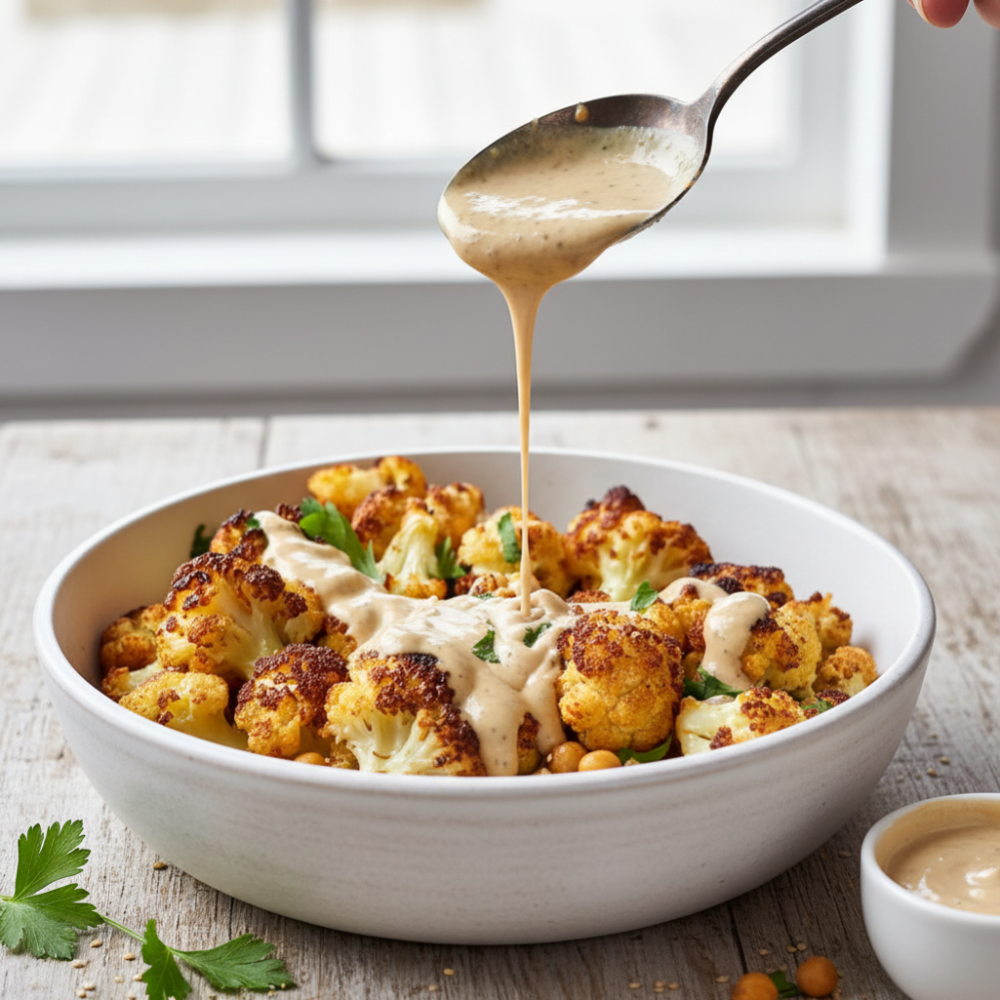
Welcome, food lovers! If you’re anything like me, you’re always on the hunt for those dishes that effortlessly blend bold flavors with nourishing ingredients. Today, we’re diving headfirst into a culinary gem that has taken my kitchen by storm: the incredible Roasted Cauliflower Tahini Sauce dish.
This isn’t just another vegetable side; it’s a symphony of textures and tastes, a truly satisfying experience that appeals to everyone from dedicated foodies to those just starting their plant-based journey. Get ready to transform humble cauliflower into an extraordinary meal.
Why This Flavor Combination Works
The magic of this dish lies in the unexpected yet utterly harmonious pairing of roasted cauliflower and creamy tahini. Roasting brings out an incredible sweetness and nutty depth in the cauliflower, transforming its often-maligned reputation into something truly crave-worthy. When kissed by high heat, the florets caramelize, developing a rich flavor profile and a delightful crispiness that’s simply irresistible.
Enter tahini – a velvety paste made from toasted ground sesame seeds. It’s inherently rich, subtly nutty, and provides a luxurious mouthfeel. When whipped into a zesty, garlic-infused dressing, it acts as the perfect counterpoint to the roasted vegetables, adding a luscious creaminess and an earthy tang that coats every nook and cranny. It’s a match made in culinary heaven, delivering complexity and comfort in every bite.
The Rise of Middle Eastern Flavors in Modern Cooking
Middle Eastern cuisine has undeniably captivated the global palate, and for good reason. It’s a tapestry of vibrant spices, fresh herbs, wholesome grains, and hearty legumes, offering dishes that are both deeply flavorful and incredibly nourishing. From the bustling souks of Marrakech to the modern cafes of Tel Aviv, these flavors speak a universal language of hospitality and deliciousness.
This dish, featuring the iconic pairing of middle eastern cauliflower and a rich tahini sauce for cauliflower, is a testament to that rising popularity. It embodies the essence of the region’s culinary philosophy: simple ingredients elevated through thoughtful preparation and aromatic spices. It’s a celebration of plant-based cooking at its finest, proving that healthy roasted cauliflower can be both exciting and profoundly satisfying, fitting perfectly into any healthy eating plan or as a central part of a delicious plant-based dinner.
Key Ingredients for the Perfect Dish
Selecting the Best Cauliflower
The foundation of our dish is, of course, the cauliflower. Look for a head that is firm, dense, and creamy white. Avoid any with brown spots or a soft, spongy texture, as these are signs of spoilage. The florets should be tightly packed. A fresh head of cauliflower promises a crisper roast and a sweeter flavor, essential for a truly healthy roasted cauliflower dish.
The Importance of High-Quality Tahini
Tahini is not just an ingredient here; it’s a star. The quality of your tahini will significantly impact the final taste and texture of your lemon tahini dressing. Opt for a brand that uses hulled, lightly roasted sesame seeds, as this results in a smoother, less bitter paste. Good tahini should be pourable (though it may separate and require stirring) and have a clean, nutty aroma. Avoid tahini that appears clumpy, overly thick, or smells rancid.
Chickpeas: The Perfect Textural Contrast
While often overlooked, the addition of chickpeas brings an incredible dimension to this dish. When roasted alongside the cauliflower, they become slightly crispy on the outside and wonderfully tender within, offering a delightful textural contrast to the soft florets and creamy sauce. They also boost the dish’s protein and fiber content, making it an even more substantial and satisfying vegan side dish or even a complete meal.
Step-by-Step Guide to Roasting Cauliflower
Prepping the Florets
First, wash your cauliflower thoroughly. Remove the tough outer leaves and trim the stem. Cut the head into bite-sized florets, aiming for pieces roughly 1 to 1.5 inches in size. Consistency in size is key for even roasting. Smaller pieces tend to get crispier faster, while larger ones retain more tenderness. Pat them completely dry with a kitchen towel; any moisture will steam the cauliflower instead of roasting it, hindering that desired crispy baked cauliflower texture.
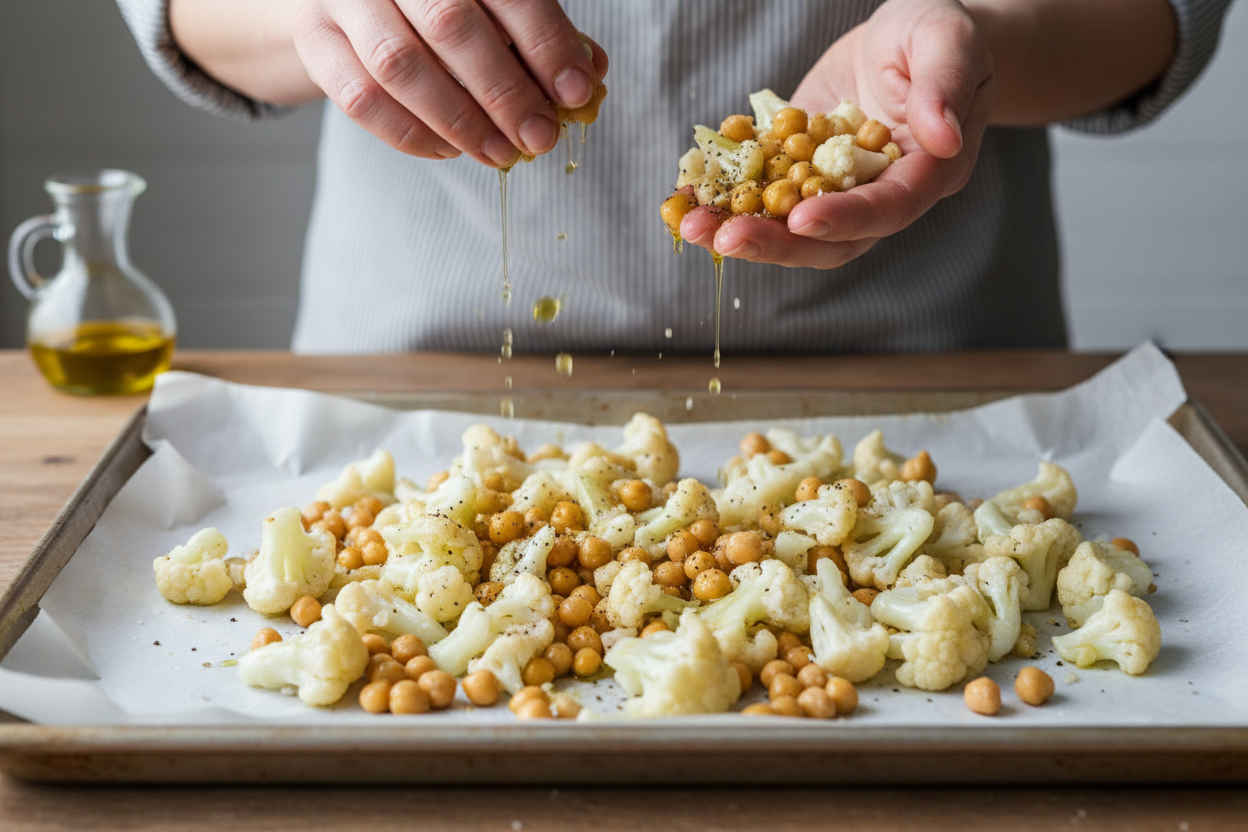
In a large bowl, toss the dried cauliflower florets and chickpeas with a generous drizzle of olive oil, salt, and black pepper. You can also add a pinch of smoked paprika or garlic powder at this stage for an extra layer of flavor. Ensure every floret and chickpea is lightly coated.
High Heat Roasting for Maximum Crispiness
Preheat your oven to a blazing 400°F (200°C). This high temperature is crucial for achieving that beautiful caramelization and crispy texture. Line a large baking sheet with parchment paper to prevent sticking and make cleanup a breeze. Spread the seasoned cauliflower and chickpeas in a single layer on the baking sheet. Do not overcrowd the pan! Overcrowding leads to steaming, which is our enemy here.
Roast for 20-25 minutes, flipping the florets halfway through. You’re looking for deeply golden-brown edges and tender-crisp centers. If you like a little extra char, you can even crank up the heat to 425°F (220°C) for the last 5-7 minutes, keeping a close eye on them to prevent burning. The goal is a perfect crispy baked cauliflower.
Avoiding the ‘Soggy Cauliflower’ Trap
The secret to avoiding soggy cauliflower lies in two main things: dryness and space. As mentioned, always pat your florets completely dry before seasoning. Water on the surface will create steam in the hot oven, leading to limp, unappetizing cauliflower. Secondly, give your florets room to breathe on the baking sheet. If they’re piled on top of each other, they’ll steam rather than roast. If you have too many, use two baking sheets and rotate them halfway through.
Expert Tip: For an extra layer of crispiness, after roasting, let the cauliflower rest on the warm baking sheet for a few minutes outside the oven. The residual heat helps firm up the exterior.
Mastering the Creamy Tahini Dressing
Balancing Nutty, Tangy, and Garlicky Notes
The lemon tahini dressing is the crowning glory of this dish. Its success hinges on balancing those key flavor profiles. The nuttiness of the tahini, the bright acidity of fresh lemon juice, and the pungent kick of raw garlic are the core components. Start with a good ratio, but always taste and adjust. A pinch of salt will bring all these flavors into focus.
The Secret to the Perfect Consistency (Using Warm Water)
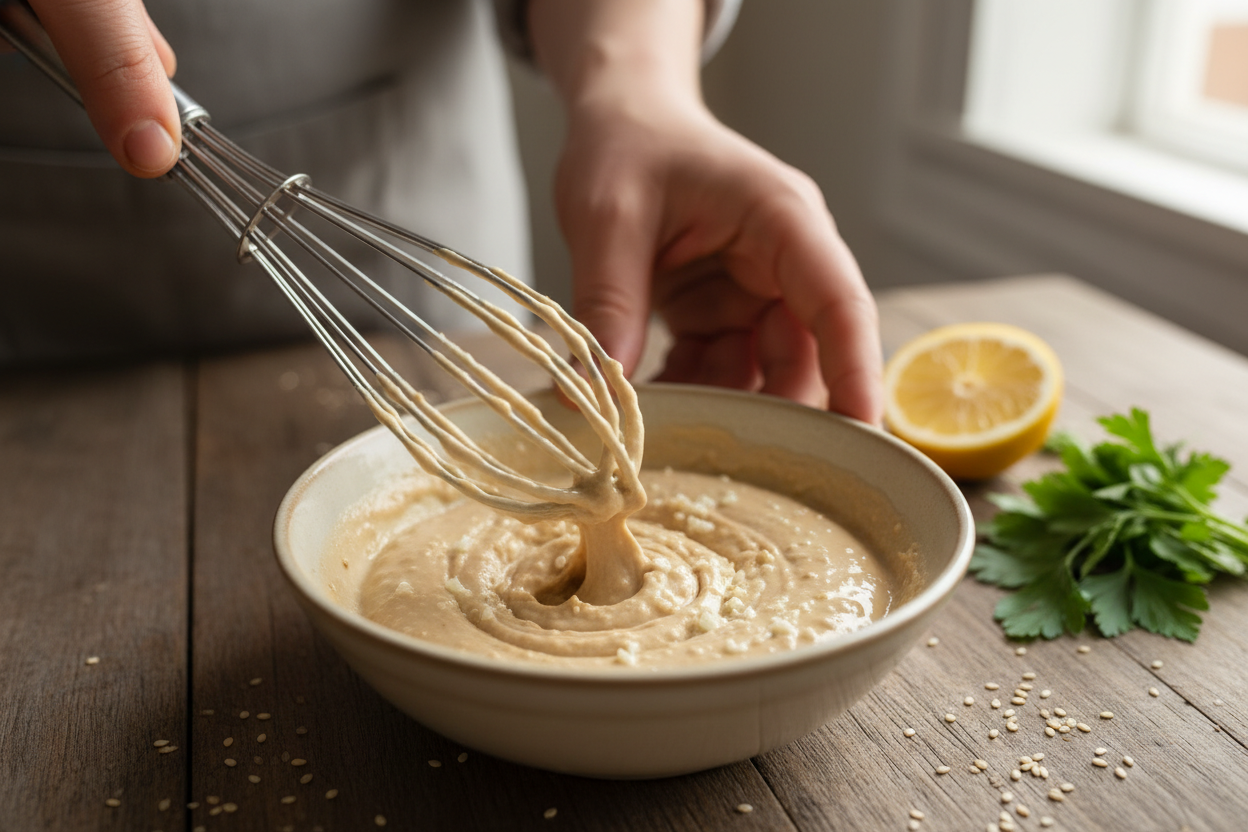
Tahini, when mixed with an acid like lemon juice, can seize up and become very thick. The secret to achieving that wonderfully smooth, pourable, and creamy consistency is to add warm water a tablespoon at a time, whisking continuously. The warm water helps to emulsify the tahini, creating a luxurious, velvety dressing without any lumps. You’ll be surprised how much water it can absorb while still remaining rich.
Customizing Your Sauce (Spices and Herbs)
While a classic lemon tahini dressing is fantastic on its own, don’t hesitate to customize it. You can stir in finely chopped fresh parsley or cilantro for a burst of freshness. A dash of cumin or a tiny pinch of cayenne pepper can add warmth and subtle heat. Experiment with a touch of maple syrup or honey for a hint of sweetness if your palate desires, making it truly your own unique tahini sauce for cauliflower.
Recipe Variations and Add-ins
Adding Middle Eastern Spices (Za’atar, Cumin, Coriander)
To truly lean into the middle eastern cauliflower experience, infuse your roasted vegetables with an aromatic spice blend. Sprinkle the cauliflower with a generous amount of za’atar before roasting – this blend of dried thyme, sumac, and sesame seeds adds a tangy, herbaceous, and nutty flavor that is distinctly Middle Eastern. A combination of ground cumin and coriander can also be tossed with the florets and chickpeas for a warm, earthy undertone. These spices complement the tahini beautifully, making for truly unforgettable roasted vegetables.
Incorporating Dried Fruits and Nuts (Pomegranate Seeds, Pine Nuts)
For an extra layer of texture and flavor, consider adding a sprinkle of fresh pomegranate seeds after the dish comes out of the oven. Their jewel-like appearance and burst of tart sweetness provide a delightful contrast. Toasted pine nuts or chopped pistachios can add another layer of buttery crunch. These additions not only elevate the taste but also make the dish visually stunning, perfect for a special plant-based dinner.
What to Serve with Roasted Cauliflower Tahini Sauce
Pairing with Grains (Quinoa, Couscous, Farro)
This dish shines when served over a bed of fluffy grains. The creamy tahini sauce coats each grain, creating a cohesive and satisfying meal. Quinoa offers a protein-packed, gluten-free option, while couscous provides a quick and light base. For something a bit more substantial and chewy, try farro. These grains absorb the flavors beautifully, turning your healthy roasted cauliflower into a complete, balanced meal.
Serving as a Side Dish vs. Main Course
While hearty enough to stand alone as a light plant-based dinner, especially when paired with grains and chickpeas, this roasted vegetable dish also makes an exceptional side. It’s a fantastic accompaniment to grilled fish, chicken, or even a robust lentil soup. Its versatility makes it suitable for almost any meal, effortlessly transforming from a simple vegan side dish to the star of your plate.
Expert Tips for Make-Ahead and Storage
How to Store Leftovers
Leftovers of this delightful dish can be stored in an airtight container in the refrigerator for upg to 3-4 days. Store the roasted cauliflower and chickpeas separately from the tahini sauce if possible, especially if you anticipate having leftovers, as this helps maintain texture.
Reheating Without Losing the Crunch
Reheating roasted vegetables can be tricky if you want to preserve that precious crispiness. Avoid the microwave, which tends to make them soft and mushy. Instead, spread the leftover cauliflower and chickpeas on a baking sheet and reheat in a preheated oven at 350°F (175°C) for about 10-15 minutes, or until warmed through and slightly crisp again. The tahini sauce can be gently rewarmed on the stovetop over low heat, adding a splash of warm water if it has thickened.
Frequently Asked Questions (FAQs)
- Can I make this dish nut-free? Yes, tahini is made from sesame seeds, not nuts, making this dish naturally nut-free. Always double-check ingredient labels for cross-contamination if allergies are severe.
- What other vegetables can I roast with the cauliflower? This recipe is incredibly versatile! Bell peppers, zucchini, broccoli, or even root vegetables like carrots and sweet potatoes would be delicious alongside the cauliflower, making a fantastic medley of roasted vegetables. Adjust roasting times as needed for different densities.
- Is the tahini sauce spicy? The base lemon tahini dressing is not spicy. However, you can add a pinch of cayenne pepper, red pepper flakes, or a dash of hot sauce if you prefer a spicier kick.
- Can I prepare the tahini sauce in advance? Absolutely! The tahini sauce can be made up to 3 days ahead of time and stored in an airtight container in the refrigerator. It may thicken slightly, so you might need to whisk in a tablespoon of warm water before serving to restore its creamy consistency.
I hope this journey through the world of roasted cauliflower with tahini sauce has inspired you to get into the kitchen and create this incredible dish. It’s truly a standout, offering a burst of flavor, satisfying textures, and a wonderful way to enjoy healthy, plant-based eating.
For more delicious recipes, cooking tips, and behind-the-scenes glimpses into my culinary adventures, be sure to follow my Facebook page at
https://www.facebook.com/profile.php?id=61568538666337
. I can’t wait to connect with you there!
Crispy Roasted Cauliflower and Chickpeas with Creamy Tahini Sauce
Ingredients
- 1 head Cauliflower Cut into florets
- 1 can (15 oz) Chickpeas Rinsed and drained well
- 2 tbsp Olive oil
- 1 tsp Kosher salt
- 1/2 tsp Black pepper
- 1/3 cup Tahini Well-stirred
- 3 tbsp Lemon juice Freshly squeezed
- 2 cloves Garlic Minced
- 3 tbsp Warm water Adjust as needed for desired consistency
- 2 tbsp Fresh parsley Finely chopped
- 1 tbsp Sesame seeds Toasted
Instructions
- Preheat the oven to 425°F (220°C) and line a large, rimmed baking sheet with parchment paper.
- Place the cauliflower florets and rinsed chickpeas onto the prepared baking sheet. Drizzle evenly with olive oil, sprinkle with salt and black pepper, and toss until everything is well coated.
- Spread the vegetables into a single layer, ensuring they are not overcrowded. Roast for 25 to 30 minutes, tossing halfway through, until the cauliflower is tender and deeply browned on the edges.
- While the vegetables are roasting, prepare the tahini sauce. In a small bowl, whisk together the tahini, fresh lemon juice, and minced garlic. The mixture will initially seize and become very thick.
- Gradually whisk in the warm water, one tablespoon at a time, until the sauce transforms into a smooth, creamy, and pourable consistency.
- Remove the roasted cauliflower and chickpeas from the oven and transfer them to a serving platter.
- Drizzle the warm vegetables generously with the creamy tahini sauce. Garnish with chopped fresh parsley and toasted sesame seeds before serving.
For more daily recipes and tips, follow us on Facebook!
Click here to join our community!