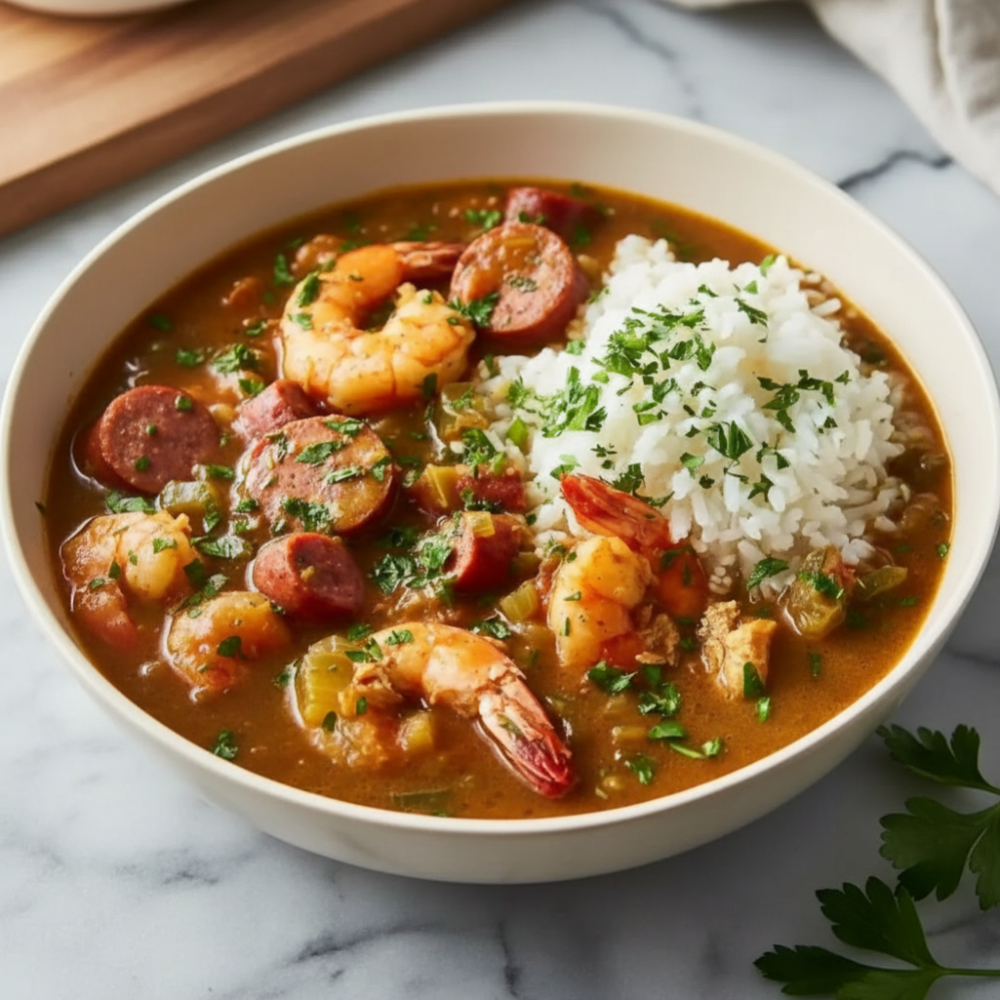
The Ultimate Authentic Creole Shrimp Beef Sausage Gumbo Guide
There’s a magic to New Orleans that transcends its vibrant music and bustling streets, a soul-stirring depth found in its culinary traditions. At the heart of this rich heritage lies gumbo, a dish so steeped in history it tells tales of African, Spanish, French, and Native American influences converging to create something truly spectacular. An authentic Creole gumbo is more than just a meal; it’s a celebration, a gathering, a warm embrace from the Big Easy itself. It embodies the very spirit of Louisiana comfort food, slow-cooked to perfection and brimming with layered flavors.
While many variations exist, our Creole Gumbo Shrimp Beef Sausage recipe stands out. It’s a robust, deeply savory rendition that highlights succulent shrimp, hearty beef sausage, and tender chicken, all swimming in a rich, deeply flavorful broth. This isn’t just a recipe; it’s a journey into the heart of Creole cooking, guiding you through every step to achieve a truly unforgettable bowl.
Core Components of Authentic Creole Gumbo
Mastering the Dark Roux
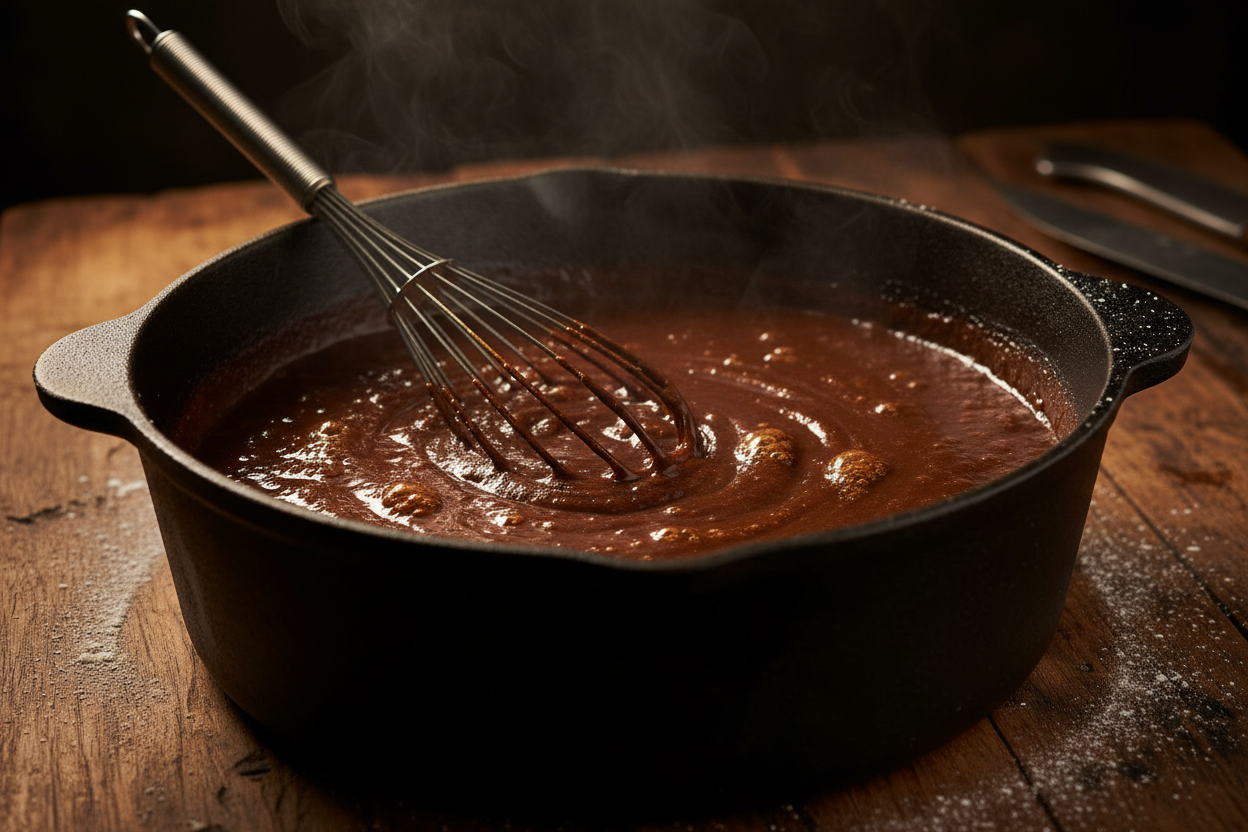
The soul of any great gumbo, particularly a Creole one, begins with a dark roux recipe. This isn’t a step to rush; it’s an art form that demands patience and attention. A proper chocolate-brown roux provides the foundational flavor and thickening agent for your gumbo, imparting a nutty, toasted depth that simply can’t be replicated.
- To begin, you’ll need equal parts oil (vegetable or canola work best) and all-purpose flour. Heat the oil in a heavy-bottomed pot or Dutch oven over medium heat.
- Once shimmering, gradually whisk in the flour until smooth. Continue whisking constantly, ensuring no lumps form and the mixture doesn’t stick to the bottom.
- The roux will gradually deepen in color, moving from pale blonde to peanut butter, then copper, and finally, a rich chocolate brown. This process can take anywhere from 25 to 45 minutes.
- Preventing a bitter, burnt roux is crucial. If you see black flecks or smell a burnt aroma, unfortunately, you’ll need to start over. Keep the heat steady, and whisk, whisk, whisk! The reward is a deep, smoky flavor without any harshness.
The Holy Trinity of Louisiana Cooking
Once your roux is perfect, the next essential layer of flavor comes from what’s known as the holy trinity vegetables: onion, bell pepper, and celery. This aromatic trio forms the backbone of countless Creole and Cajun dishes, providing a fresh, earthy balance to the rich roux.
- Finely dice one large yellow onion, one green bell pepper, and two stalks of celery. The key is to cut them into similar-sized pieces for even cooking.
- Immediately after your roux reaches its desired dark brown color and is removed from the heat (this prevents it from burning the trinity), add the chopped vegetables to the hot roux. The residual heat will begin to soften them.
- Return the pot to medium-low heat and continue to sauté the trinity until they are completely softened and translucent, about 8-10 minutes. This allows their natural sugars to caramelize slightly, releasing maximum flavor into the base of your gumbo.
Selecting the Best Proteins
The choice of proteins is where our gumbo truly shines, offering a delightful blend of land and sea. Each component is chosen for its ability to contribute unique textures and flavors to the overall masterpiece.
The Beef Sausage Advantage
Our gumbo features robust, smoked beef sausage, an excellent choice for its deep, savory flavor and firm texture. This particular type of sausage adds a wonderfully smoky counterpoint to the other ingredients, creating a complex taste profile that is both comforting and exciting.
- Look for high-quality, fully cooked smoked beef sausage. Slice it into half-inch thick rounds or a bias cut for visual appeal.
- Searing the sausage briefly before adding it to the gumbo can enhance its flavor and give it a slight crispiness, though it’s not strictly necessary if you prefer a softer texture within the stew.
- The beef sausage contributes a profound umami and a satisfying chew, ensuring every spoonful is packed with flavor.
Seafood Essentials
No Creole gumbo is complete without the bounty of the sea. For our seafood gumbo preparation, shrimp and lump crab meat are the stars, adding sweetness and delicate texture.
- Shrimp: Choose large, raw shrimp, peeled and deveined. Both fresh and high-quality frozen shrimp work wonderfully. If using frozen, thaw them thoroughly and pat dry before adding to the gumbo.
- Lump Crab Meat: For a truly luxurious touch, add fresh or pasteurized lump crab meat. Its sweet, flaky texture melts into the gumbo, enriching the broth and adding a touch of elegance. Be gentle when adding and stirring to keep the lumps intact.
Tender Chicken Thighs
To round out our protein selection, we opt for tender chicken thighs. Dark meat chicken is preferred over breast meat when it comes to long simmers because it holds its moisture better and becomes incredibly tender without drying out. Its richer flavor also complements the robust profile of the beef sausage and the delicate sweetness of the seafood.
- Cut boneless, skinless chicken thighs into 1-inch pieces.
- Sauté them until lightly browned before adding them to the gumbo base, which helps to lock in flavor and adds another layer of depth to the stew.
Thickeners and Signature Flavors
Beyond the roux, other ingredients contribute to the gumbo’s characteristic texture and its definitive Creole taste profile.
Using Okra and Tomatoes
- Okra: This versatile pod acts as a natural thickener (or “gumbo”) for the stew. Sliced fresh or frozen okra, cooked down, releases a mucilaginous substance that enriches the broth and adds a unique texture.
- Diced Tomatoes: The role of diced tomatoes is key in defining Creole-style gumbo. While Cajun gumbos typically omit tomatoes, Creole versions embrace their bright acidity and subtle sweetness, which cut through the richness of the roux and proteins, adding another layer of complexity to the flavor profile.
Essential Herbs and Spices
A careful balance of seasonings is vital for achieving the authentic taste. Our Creole seasoning blend forms the foundation, often containing paprika, cayenne, garlic powder, onion powder, and dried herbs. Beyond that, we build with specific aromatics:
- Smoked Paprika: Enhances the smoky depth started by the beef sausage and dark roux.
- Thyme and Bay Leaves: Classic herbs that contribute earthy, aromatic notes.
- Cayenne Pepper: Adjust to your desired level of heat.
- Optional: Finishing with Gumbo Filé Powder: Traditionally made from ground sassafras leaves, gumbo filé can be stirred in at the very end, off the heat, just before serving. It provides a unique earthy flavor and a subtle thickening, but be careful not to boil it once added, as it can become stringy.
Step-by-Step Preparation Guide
Making gumbo is a labor of love, but breaking it down into manageable steps makes the process enjoyable and ensures a spectacular result.
Mise en Place
Before you even think about starting your roux, get everything prepped. This French culinary term, meaning “everything in its place,” is paramount for gumbo. Chop all your vegetables (onion, bell pepper, celery, okra), slice your beef sausage, cut your chicken, measure out your spices, and have your stock ready. This prevents any frantic searching or burning of ingredients during critical cooking stages.
Building the Stew
- Make the Roux: In a large, heavy-bottomed Dutch oven or pot, heat the oil over medium heat. Whisk in the flour and continue to whisk constantly until the roux reaches a rich, dark chocolate-brown color. This will take 25-45 minutes. Remove from heat immediately.
- Sauté the Holy Trinity: Add the chopped onion, bell pepper, and celery to the hot roux. Return to medium-low heat and sauté until softened and translucent, about 8-10 minutes.
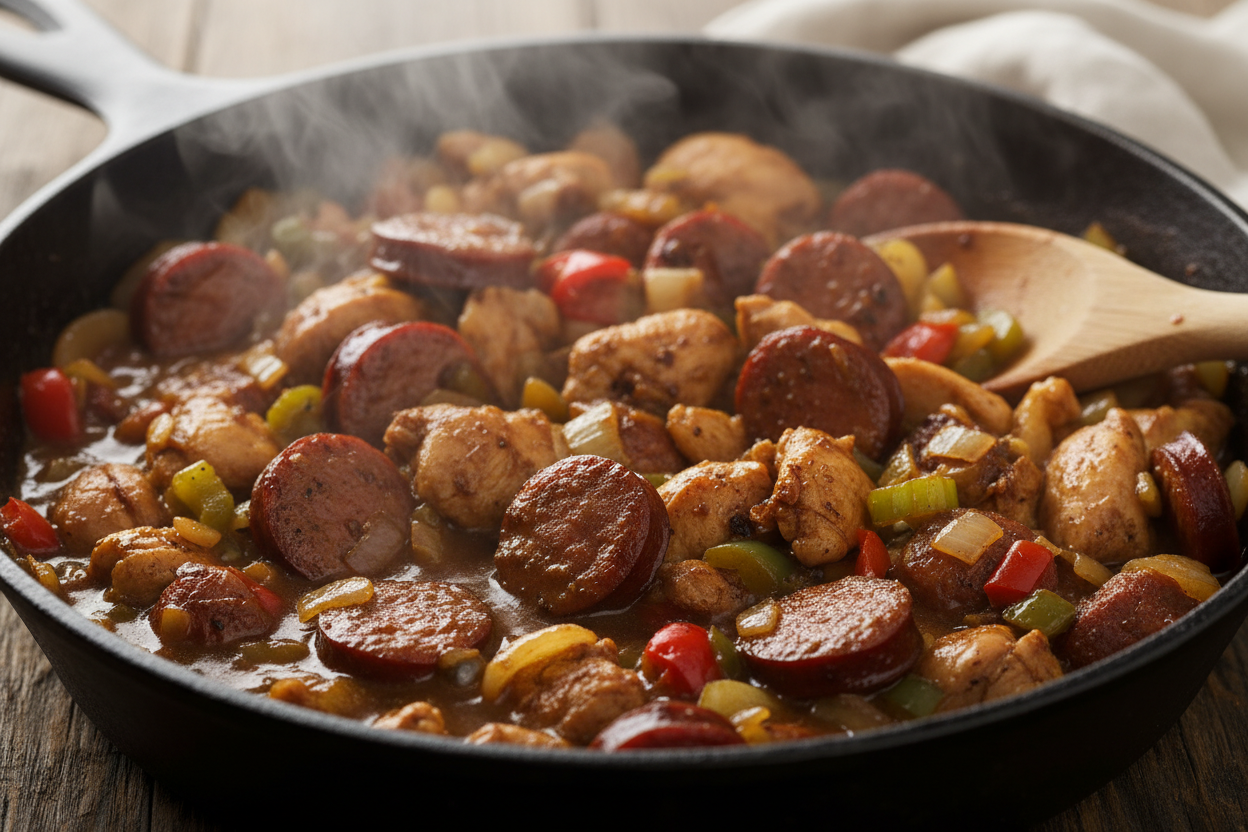
- Add Proteins and Spices: Stir in the beef sausage and chicken pieces. Cook for 5-7 minutes, stirring occasionally, until the chicken is lightly browned. Add the diced tomatoes, okra, Creole seasoning blend, smoked paprika, thyme, and bay leaves. Cook for another 5 minutes, stirring well to coat everything.
- Deglaze and Simmer: Gradually pour in the beef or chicken stock, stirring constantly to incorporate the roux and prevent lumps. Bring the mixture to a gentle boil, then reduce the heat to low, cover, and let it simmer for at least 1.5 to 2 hours. The longer it simmers, the more the flavors will meld and deepen. Stir occasionally to prevent sticking.
Adding the Seafood
- Introduce the Shrimp and Crab: About 10-15 minutes before you plan to serve, add the peeled and deveined shrimp to the simmering gumbo. Cook until the shrimp turn pink and curl, which usually takes only 3-5 minutes.
- Gently fold in the lump crab meat, being careful not to break up the lumps too much. Heat through for just a minute or two.
- Taste and adjust seasonings, adding salt, black pepper, or a pinch more cayenne if desired. If using gumbo filé powder, stir it in now, off the heat, and do not boil afterward.
Serving and Storage Suggestions
The Perfect Bed of White Rice
An essential accompaniment to any gumbo is a generous scoop of fluffy white rice. The rice acts as the perfect canvas, absorbing the rich, savory broth of the stewed gumbo over white rice and complementing the textures of the proteins and vegetables. Cook your rice just before serving so it’s warm and fresh.
- Serve your gumbo hot, ladled generously over individual portions of rice.
- Offer a sprinkle of fresh chopped parsley or green onions for a touch of freshness and color.
- A side of crusty French bread is also excellent for soaking up any leftover broth.
Make-Ahead Magic
One of the beautiful things about gumbo, a true testament to its status as a quintessential Louisiana comfort food, is that it often tastes even better the next day. The flavors have more time to marry and deepen, resulting in an even more harmonious and rich stew.
- Storage: Allow the gumbo to cool completely before transferring it to airtight containers. It can be stored in the refrigerator for up to 3-4 days.
- Reheating: Gently reheat gumbo on the stovetop over low to medium heat, stirring occasionally, until warmed through. You may need to add a splash of stock or water if it has thickened too much in the fridge. Avoid boiling, especially if you added filé powder.
- Gumbo also freezes well for up to 3 months. Thaw overnight in the refrigerator before reheating.
Frequently Asked Questions (FAQs)
Here are some common questions about making this delightful dish:
Can I substitute chicken stock with seafood stock?
Absolutely! Using a high-quality seafood stock will intensify the oceanic flavors, especially wonderful in this shrimp and crab version. You could even use a combination of both chicken and seafood stock for a more complex base. Always use a low-sodium option to control the overall saltiness of your gumbo.
Is there a shortcut to making a dark roux?
While some quick roux recipes exist using the oven or microwave, for an authentic Creole gumbo with a truly dark, chocolate-brown roux, there’s no real shortcut that achieves the same depth of flavor and consistent texture. The slow, constant whisking on the stovetop is essential for developing that distinctive nutty taste without burning. Patience truly is a virtue here, and it’s worth every minute!
How spicy is this Creole gumbo recipe?
The spiciness level is largely up to you. The primary source of heat will come from the Creole seasoning blend and any added cayenne pepper. If you prefer a milder gumbo, use a mild Creole seasoning and start with just a pinch of cayenne, tasting and adjusting as you go. For those who love heat, feel free to add more cayenne or even a dash of hot sauce at the table. The foundational flavors are rich and savory, so even a mild version will be incredibly flavorful.
We hope you enjoy this journey into the heart of Creole cooking. For more delicious recipes and culinary adventures, make sure to follow us on Facebook: https://www.facebook.com/profile.php?id=61568538666337.
Authentic Creole Shrimp and Beef Sausage Gumbo
Ingredients
- 1 lb Shrimp Peeled and deveined
- 1 lb Beef smoked sausage Sliced into rounds
- 1 lb Chicken thighs Boneless, skinless, diced
- 1/2 lb Lump crab meat Picked over for shells
- 1/2 cup Vegetable oil
- 1/2 cup All-purpose flour
- 1 large Yellow onion Diced
- 1 large Green bell pepper Diced
- 2 stalks Celery Diced
- 4 cloves Garlic Minced
- 6 cups Seafood or chicken stock
- 14 oz Diced tomatoes Canned, undrained
- 2 cups Okra Sliced, fresh or frozen
- 2 tbsp Creole seasoning
- 1 tbsp Smoked paprika
- 2 whole Bay leaves
- 1/4 cup Fresh parsley Chopped
- 4 cups Cooked white rice For serving
Instructions
- Heat the vegetable oil in a large Dutch oven or heavy-bottomed pot over medium heat. Gradually whisk in the all-purpose flour.
- Stir the flour and oil mixture continuously for 15 to 25 minutes until the roux turns a rich, dark chocolate brown color. Do not let it burn.
- Add the diced onion, green bell pepper, and celery to the roux. Cook for 5 minutes until the vegetables soften.
- Stir in the minced garlic and cook for 1 additional minute.
- Add the sliced beef sausage and diced chicken thighs to the pot. Cook for 5 minutes, stirring frequently, until the chicken is lightly browned.
- Pour in the stock and diced tomatoes. Add the Creole seasoning, smoked paprika, and bay leaves. Bring the mixture to a boil.
- Reduce the heat to low, cover the pot, and let the gumbo simmer for 45 minutes.
- Stir in the sliced okra and simmer uncovered for another 15 minutes.
- Add the peeled shrimp and lump crab meat. Cook for 5 to 7 minutes until the shrimp turn pink and opaque.
- Remove the pot from the heat. Discard the bay leaves and stir in the fresh chopped parsley.
- Serve hot in bowls poured generously over cooked white rice.
For more daily recipes and tips, follow us on Facebook!
Click here to join our community!