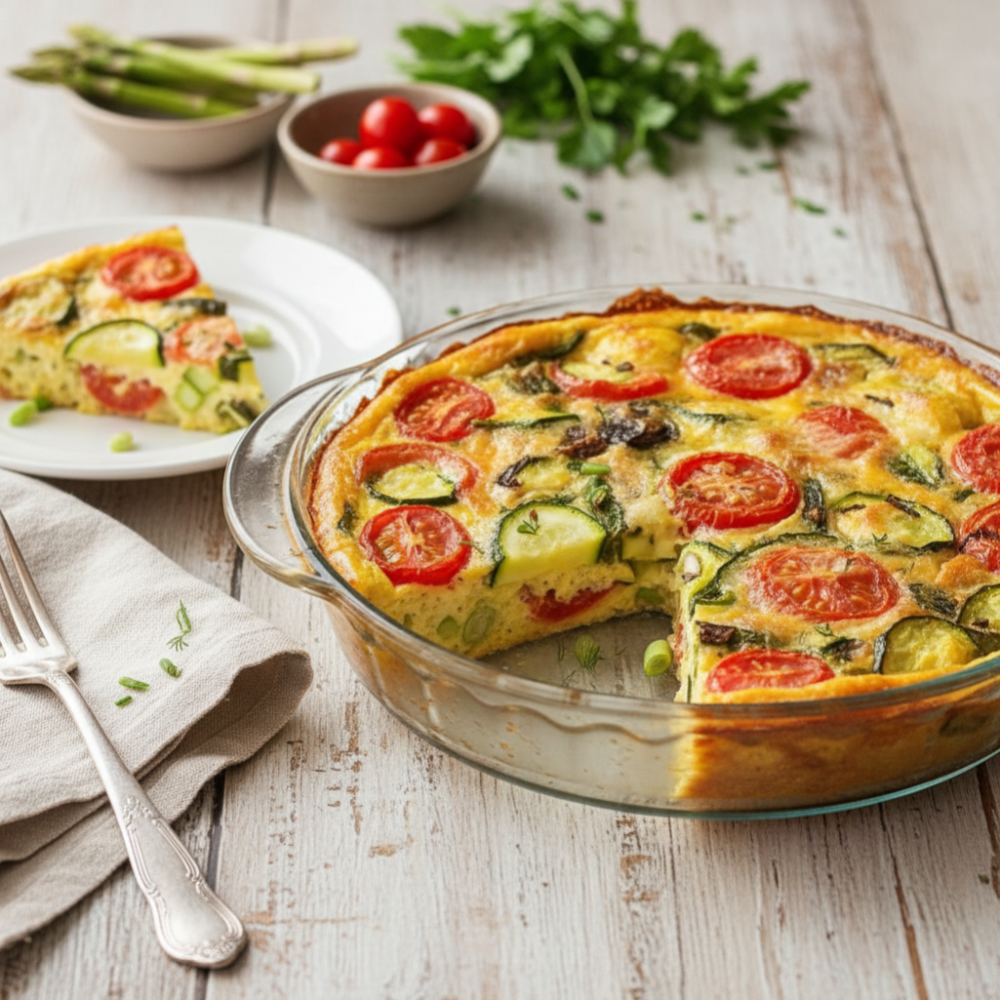
As the days lengthen and the world bursts into vibrant color, our kitchens too awaken with the promise of fresh, seasonal ingredients. There’s a certain magic to spring produce – the crispness of asparagus, the sweetness of peas, the tender snap of green beans. It’s a season that calls for dishes that are both light and satisfying, perfect for sharing with loved ones.
Today, we’re diving into a recipe that perfectly encapsulates the essence of this beautiful season: a glorious Italian Spring Vegetable Frittata. This dish isn’t just a meal; it’s a celebration of freshness, a burst of flavor that will brighten any table.
Introduction to the Ultimate Spring Brunch
There’s nothing quite like a lazy spring weekend morning, bathed in soft sunshine, with the promise of a delicious meal ahead. While pancakes and waffles have their place, sometimes you crave something a little more savory, a touch more sophisticated, yet still incredibly comforting. Enter the frittata. An Italian egg bake, it’s essentially a crustless quiche recipe, offering all the richness without the fuss of pastry.
The Beauty of Spring Produce
Spring is a chef’s dream. Farmers’ markets overflow with vibrant greens and tender shoots, each begging to be transformed into something wonderful. From the earthy notes of asparagus to the delicate sweetness of fresh peas and the subtle bite of baby spinach, these ingredients are the stars of our frittata. Using seasonal produce ensures peak flavor, making your dish truly sing.
Why You’ll Love This Italian Spring Vegetable Frittata
This isn’t just an easy frittata recipe; it’s a versatile masterpiece that fits seamlessly into your busy life. Here’s why it’s destined to become a staple in your repertoire:
-
Effortlessly Elegant: It looks impressive but requires minimal effort, making it perfect for a healthy spring brunch or a weeknight dinner.
-
Packed with Goodness: Loaded with fresh vegetables and lean protein from eggs, it’s a naturally healthy and nutritious meal.
-
Customizable: Easily adapt it to whatever spring vegetables you have on hand or your family prefers.
-
Meal Prep Friendly: This baked vegetable frittata holds up beautifully, making it an excellent candidate for meal prep breakfast ideas.
-
Naturally Vegetarian: It’s a fantastic vegetarian breakfast casserole option that satisfies even the most committed carnivores.
Whether you’re hosting a gathering or simply looking for a wholesome family meal, this asparagus and pea frittata will delight every palate.
Key Ingredients for the Perfect Frittata
The beauty of a frittata lies in its simplicity and the quality of its ingredients. Here’s what you’ll need to create this culinary delight:
Fresh Spring Vegetables
-
Asparagus: Trimmed and cut into 1-inch pieces. Its distinct flavor is quintessential spring.
-
Sweet Peas: Fresh or frozen (thawed). They add a delightful pop of sweetness and vibrant green color.
-
Baby Spinach: A quick-cooking green that wilts down beautifully, adding iron and a subtle earthy flavor.
-
Shallot or Red Onion: Finely diced, providing a delicate aromatic base.
-
Garlic: Minced, for that essential depth of flavor.
The Egg and Dairy Base
-
Large Eggs: The foundation of our frittata. Choose good quality eggs for the best flavor and texture.
-
Milk or Cream: A splash of whole milk, half-and-half, or heavy cream adds richness and helps create a wonderfully fluffy texture. For a lighter touch, you can even use a dairy-free milk alternative.
-
Parmesan Cheese: Grated, it brings a salty, umami kick that perfectly complements the vegetables.
Italian Herbs and Seasonings
-
Fresh Parsley: Chopped, for a touch of freshness and vibrant color.
-
Dried Oregano: A classic Italian herb that adds warmth and aromatic complexity.
-
Salt and Freshly Ground Black Pepper: Essential for seasoning to taste.
-
Olive Oil: For sautéing the vegetables.
Step-by-Step Instructions for a Fluffy Bake
Creating this satisfying Italian egg bake is straightforward. Follow these steps for a perfect result every time:
-
Preheat & Prep: Preheat your oven to 375°F (190°C). Lightly grease a 9-10 inch oven-safe, non-stick skillet (preferably cast iron) or a pie dish.
-
Sauté Aromatics: Heat a tablespoon of olive oil in the skillet over medium heat. Add the diced shallot or red onion and cook until softened, about 3-4 minutes. Stir in the minced garlic and cook for another minute until fragrant.
-
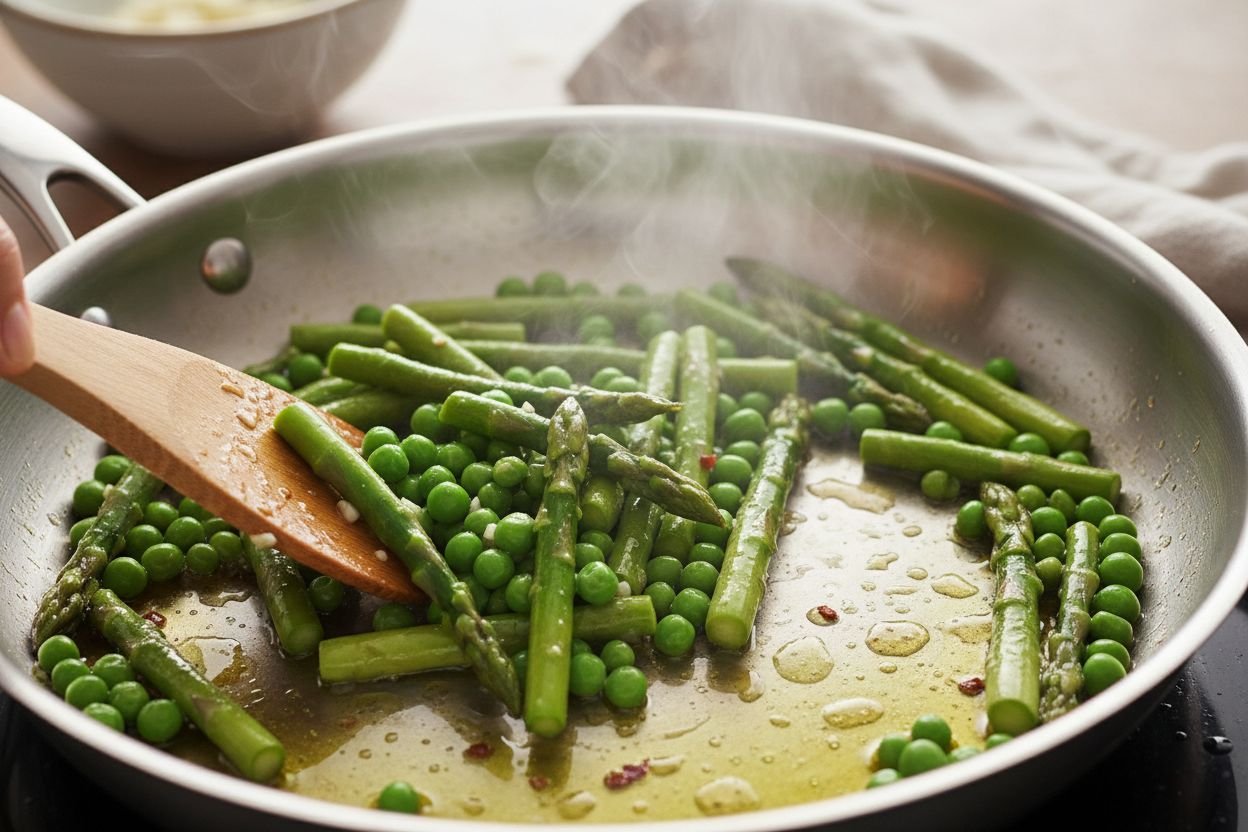
Cook Spring Vegetables: Add the chopped asparagus to the skillet and sauté for 3-5 minutes until bright green and slightly tender-crisp. Stir in the thawed peas and baby spinach. Cook until the spinach has wilted completely, about 2-3 minutes. Remove the skillet from the heat.
-
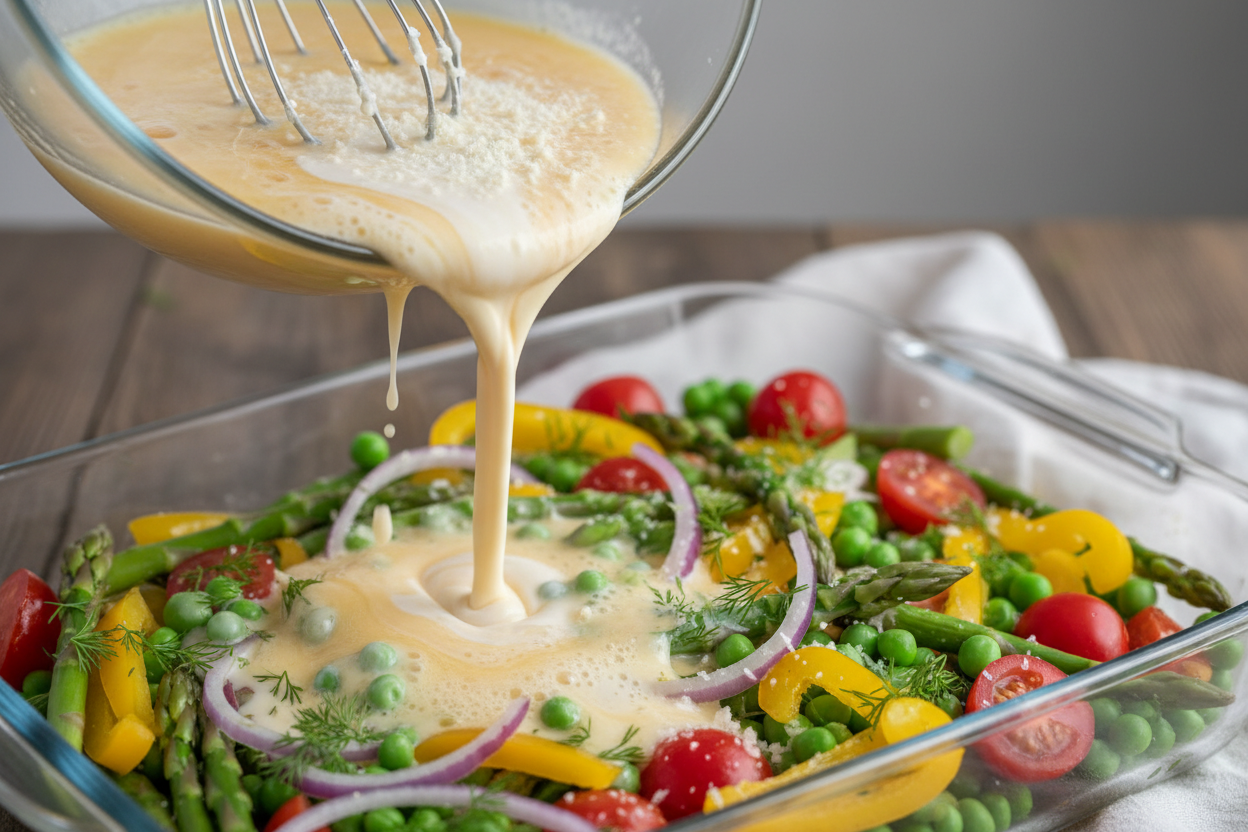
Whisk the Eggs: In a large bowl, whisk together the eggs, milk (or cream), grated Parmesan cheese, fresh parsley, dried oregano, salt, and freshly ground black pepper until well combined and slightly frothy.
-
Combine & Pour: Evenly spread the cooked spring vegetables in the bottom of your prepared skillet or pie dish. Pour the egg mixture over the vegetables, ensuring they are mostly submerged.
-
Bake to Perfection: Transfer the skillet to the preheated oven. Bake for 20-25 minutes, or until the frittata is set in the center, golden brown around the edges, and slightly puffed. A knife inserted into the center should come out clean.
-
Rest and Serve: Remove the frittata from the oven and let it rest for 5 minutes before slicing and serving. This allows it to set fully and makes for easier slicing.
“The secret to a truly great frittata lies in gently pre-cooking your vegetables to bring out their inherent sweetness and ensure they’re perfectly tender, not raw, when the eggs set.”
Pro Tips for Frittata Success
While an easy frittata recipe is forgiving, a few expert tips can elevate your baked vegetable frittata from good to absolutely outstanding:
Pre-Cooking the Vegetables
This step is non-negotiable for a superior frittata. Raw or undercooked vegetables can release too much water during baking, leading to a watery frittata. Sautéing them beforehand concentrates their flavors, removes excess moisture, and ensures they are tender when the frittata is done. For denser vegetables like potatoes or sweet potatoes (if adding), consider partially boiling or roasting them first.
Achieving the Right Egg-to-Dairy Ratio
The perfect frittata should be light and fluffy, not dense or rubbery. A good rule of thumb is to use about 1 tablespoon of milk or cream for every 2 large eggs. This small amount of dairy adds moisture and tenderness, preventing the eggs from drying out. Too much dairy can make the frittata too wet, while too little can result in a firmer texture. Experiment a little to find your ideal consistency!
Delicious Variations and Add-Ins
This basic recipe is a fantastic starting point, but feel free to get creative! Here are a few ideas to customize your Italian egg bake:
-
Other Spring Veggies: Substitute or add chopped green beans, ramps, leeks, or even thinly sliced radishes for a peppery kick.
-
Cheesy Goodness: Beyond Parmesan, consider adding dollops of fresh ricotta, crumbled goat cheese, or shredded mozzarella for extra creaminess and flavor.
-
Herbal Infusion: Incorporate other fresh herbs like dill, chives, or basil for different aromatic profiles.
-
A Touch of Spice: A pinch of red pepper flakes with the garlic can add a subtle heat.
What to Serve with Your Frittata
This vegetarian breakfast casserole is quite hearty on its own, but it pairs beautifully with a few simple accompaniments, especially for a healthy spring brunch:
-
A light green salad with a zesty vinaigrette.
-
Toasted crusty bread or focaccia.
-
A bowl of fresh seasonal fruit.
-
For a heartier meal, serve alongside a few slices of crispy bacon or a simple mixed fruit salad.
Storage, Reheating, and Meal Prep
One of the many reasons to love this baked vegetable frittata is its excellent meal prep potential. It’s perfect for busy mornings or quick lunches throughout the week.
Storage: Allow the frittata to cool completely. Store leftovers in an airtight container in the refrigerator for up to 3-4 days. You can slice it into individual portions for easy grab-and-go meal prep breakfast ideas.
Reheating: Individual slices can be reheated gently in the microwave for 1-2 minutes, or in a preheated oven (or toaster oven) at 300°F (150°C) for about 10-15 minutes, until warmed through. Avoid over-reheating, which can make the eggs rubbery.
Frequently Asked Questions (FAQs)
Q: Can I make this frittata ahead of time?
A: Absolutely! This Italian egg bake is wonderful served warm or at room temperature, making it ideal for make-ahead meals. You can bake it the day before and gently reheat it, or simply serve it chilled.
Q: What’s the difference between a frittata and a quiche?
A: The main difference is the crust! A quiche traditionally has a pastry crust, while a frittata is crustless. Frittatas are also usually started on the stovetop and then finished in the oven, giving them a lovely golden-brown bottom, whereas quiches are typically baked entirely in the oven.
Q: How do I prevent my frittata from sticking to the pan?
A: Ensure you use a well-seasoned cast iron skillet or a good quality non-stick oven-safe pan. Generously greasing the pan with olive oil or butter before adding the egg mixture is also key. If using a regular oven-safe dish, parchment paper can also help.
Q: Can I use different cheeses?
A: Yes! While Parmesan adds classic Italian flavor, feel free to experiment with other hard or semi-hard cheeses like Gruyère, aged cheddar, or even a blend of Italian cheeses. Just be mindful of their salt content.
This Italian Spring Vegetable Frittata is more than just a recipe; it’s an invitation to savor the season’s bounty. Enjoy creating and sharing this healthy, vibrant dish!
For more delicious recipes, cooking tips, and behind-the-scenes glimpses into our kitchen, be sure to follow us on Facebook at https://www.facebook.com/profile.php?id=61568538666337. We’d love to connect with you!
Italian Spring Vegetable Frittata Bake
Ingredients
- 6 large Eggs Room temperature
- 1/4 cup Heavy cream Or whole milk
- 1 bunch Asparagus Trimmed and chopped into 1-inch pieces
- 1/2 cup Sweet peas Fresh or frozen
- 1/2 cup Parmesan cheese Grated
- 1 tbsp Olive oil
- 2 tbsp Fresh herbs Basil and parsley, chopped
- 1/2 tsp Salt
- 1/4 tsp Black pepper
Instructions
- Preheat oven to 375 degrees F and grease a 9-inch baking dish or oven-safe skillet.
- In a skillet, heat olive oil over medium heat. Saute asparagus for 3 to 4 minutes until slightly tender, then stir in the sweet peas and cook for 1 more minute.
- In a large mixing bowl, whisk together the eggs, heavy cream, Parmesan cheese, fresh herbs, salt, and black pepper.
- Spread the cooked vegetables evenly in the prepared baking dish. Pour the egg mixture over the vegetables.
- Bake for 15 to 20 minutes, or until the center is set and the edges are golden brown. Let cool for 5 minutes before slicing and serving.
For more daily recipes and tips, follow us on Facebook!
Click here to join our community!