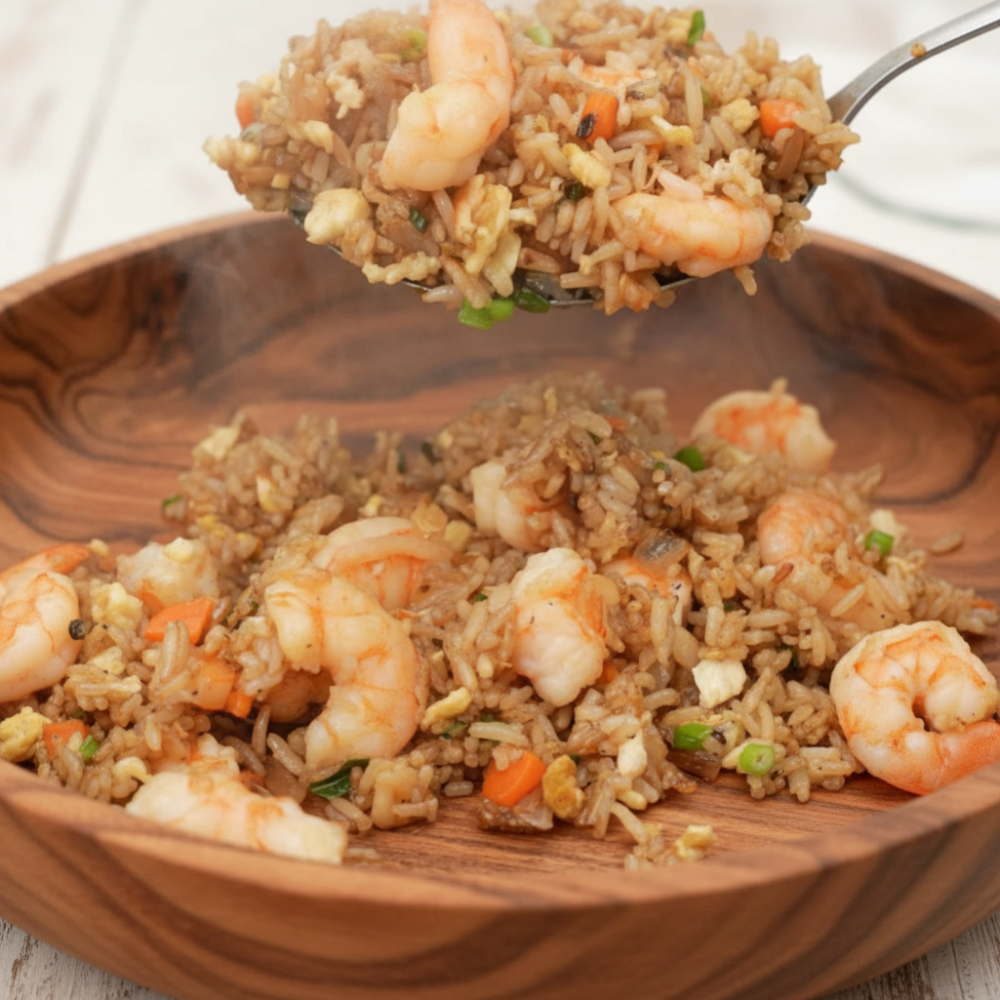
Homemade Japanese Steakhouse Shrimp Fried Rice
Recreating the iconic teppanyaki dining experience at home is easier than you might think. This Japanese steakhouse-style shrimp fried rice brings the savory flavors of a professional grill right to your kitchen. We’ll show you how to master the art of homemade teppanyaki, utilizing standard ingredients to achieve that authentic taste. Our recipe for homemade Japanese steakhouse shrimp fried rice is designed to replicate the beloved Benihana Fried Rice, focusing on essential techniques and readily available components like cold rice, savory soy sauce, and rich garlic butter. Enjoy a delicious shrimp fried rice at home that rivals your favorite restaurant.
The Secret to Teppanyaki Flavor
Achieving the signature taste of restaurant-quality hibachi fried rice recipe relies on a few core hibachi cooking techniques. These elements work in harmony to produce a flavorful, perfectly textured rice dish.
- Chilled Rice: Using day-old, cold white rice is non-negotiable. This prevents the dish from becoming mushy. Freshly cooked warm rice will steam and clump together. The individual grains of chilled rice hold their shape better and absorb the flavors more effectively, essential for that distinctive Japanese steakhouse rice texture.
- Garlic Butter: A rich compound butter adds authentic savory depth to every bite. This is the cornerstone of garlic butter rice, infusing the dish with a pungent, umami-rich flavor that defines the hibachi experience. It’s what gives the rice its irresistible aroma and taste.
- High Heat: A hot wok or cast-iron skillet mimics the large steel teppanyaki style cooking grills. Rapid, intense heat ensures the ingredients caramelize quickly, developing complex flavors and preventing the rice from stewing. This aggressive cooking method is crucial for replicating the professional hibachi chef’s touch.
Necessary Equipment
To effectively execute this hibachi fried rice recipe, having the right tools makes a significant difference in achieving perfect results.
- Large wok or wide cast-iron skillet: Essential for even heat distribution and providing ample surface area for cooking without overcrowding. This allows for proper sautéing and frying of ingredients, key to teppanyaki style cooking.
- Spatula: Preferably wooden or heat-resistant silicone. A sturdy spatula is vital for tossing and stirring ingredients vigorously, mimicking the dynamic movements of a hibachi chef.
- Prep bowls for organizing ingredients (mise en place): Organizing your ingredients before you start cooking is a fundamental step in efficient hibachi cooking techniques. This ensures a smooth, uninterrupted cooking process, as high-heat cooking requires quick additions.
Ingredients Overview
Crafting delicious Benihana Fried Rice begins with selecting fresh, quality ingredients. Each component plays a vital role in building the layered flavors of this dish.
- Protein: Fresh, peeled shrimp provides a tender, succulent seafood element. Its quick cooking time makes it ideal for shrimp fried rice at home.
- Vegetables: Finely chopped carrots add a touch of sweetness and vibrant color. Fresh green onions contribute a mild, zesty bite and freshness.
- Aromatics & Fats: Garlic butter is the star here, delivering unparalleled depth. Soy sauce offers umami and salinity, while sesame oil adds a nutty, aromatic finish, characteristic of Japanese steakhouse rice.
- Base: Cooked, chilled short or medium-grain white rice forms the foundation of the dish. The texture of day-old white rice is crucial for individual grain integrity.
- Binder: Large eggs act as a binder, adding richness and helping to distribute flavor throughout the rice.
Step-by-Step Instructions
Mastering this hibachi fried rice recipe involves precise steps and quick execution. Follow these instructions carefully to achieve the perfect homemade teppanyaki dish.
- Prep All Ingredients: Begin by ensuring all your ingredients are prepped and ready to go. Chop carrots finely, slice green onions, peel and devein shrimp, and have your garlic butter ready. Most importantly, ensure your day-old white rice is thoroughly chilled. This preparation, known as mise en place, is a crucial part of effective hibachi cooking techniques.
- Cook Shrimp: Heat a wok or large skillet over medium-high heat. Add 1 tbsp of cooking oil to the pan. Once the oil shimmers, add the shrimp. Cook for approximately 2-3 minutes, or until the shrimp turn opaque and pink. Do not overcook them. Remove the cooked shrimp from the pan and set them aside.
- Sauté Carrots: In the same pan, add the finely chopped carrots. Sauté them for about 3 minutes, stirring occasionally, until they become tender-crisp. Push the sautéed carrots to one side of the pan, creating an empty space.
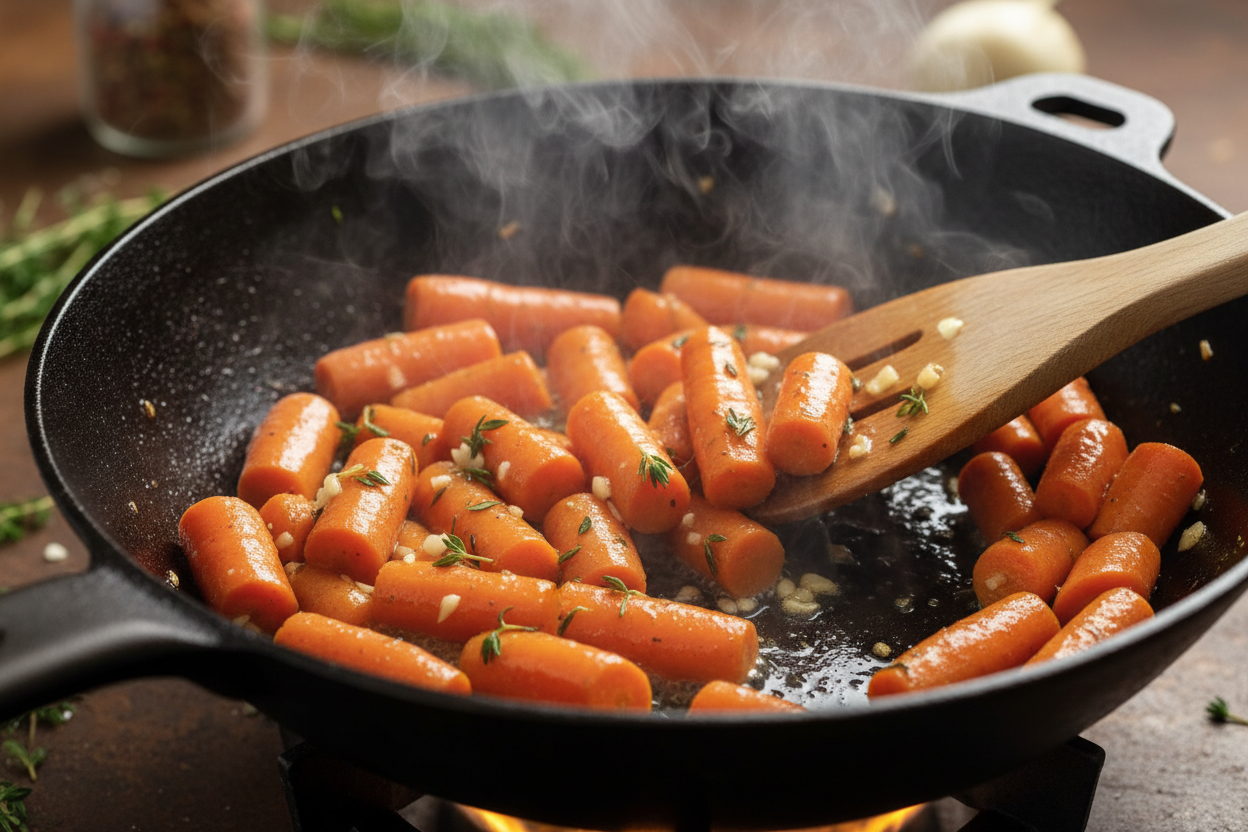
- Scramble Eggs: Crack the large eggs directly into the empty side of the pan. Quickly scramble them with your spatula until they are lightly set but still moist. Once cooked, gently incorporate them with the carrots.
- Fry the Rice: Add the chilled white rice to the pan, along with a generous amount of garlic butter and a splash of soy sauce. Toss continuously and vigorously with your spatula. Break up any clumps of rice and ensure every grain is coated with the garlic butter and soy sauce. Continue to fry, stirring constantly, allowing the rice to develop a slight char and absorb the rich flavors. This is where the essence of garlic butter rice truly comes to life.
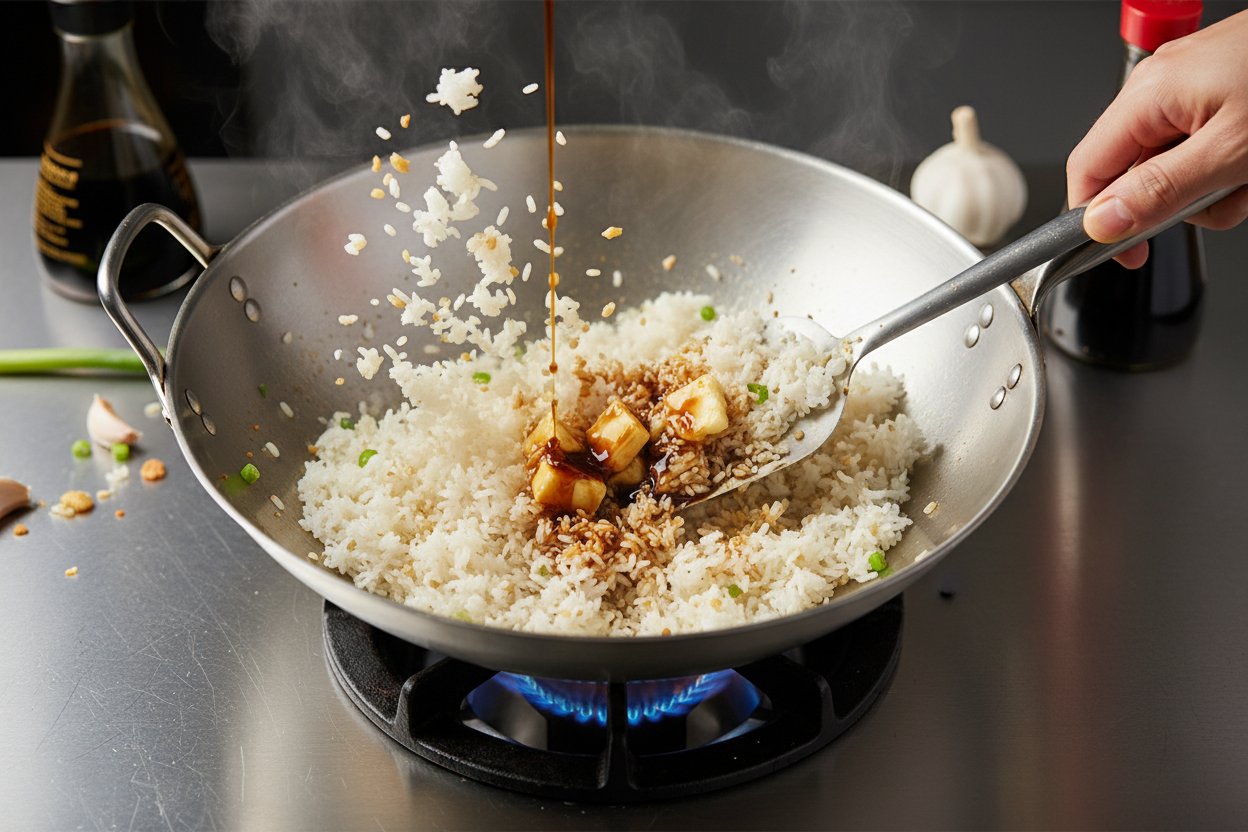
- Final Mix and Serve: Stir the cooked shrimp and sliced green onions back into the rice mixture. Drizzle with sesame oil and toss for 2 more minutes to heat through and evenly distribute the fresh aromatics. Serve your incredible Benihana Fried Rice immediately.
Pro Tips for the Perfect Sear
Achieving that restaurant-quality fried rice sear and preventing sogginess are key to excellent Japanese steakhouse rice.
“The secret to restaurant-quality fried rice lies in aggressive heat and avoiding overcrowding the pan. These hibachi cooking techniques ensure every grain of rice gets properly fried, not steamed.”
- Do not overcrowd the pan: If your wok or skillet is not large enough, fry the rice in batches. Overfilling the pan lowers the temperature, leading to steamed rice rather than fried. Maintain a high temperature throughout the cooking process.
- Use a high smoke-point oil: For the initial fry, safflower or avocado oil works best. These oils can withstand high heat without breaking down, ensuring a clean flavor and proper searing.
Storage and Reheating
Enjoying your shrimp fried rice at home later is easy with proper storage. Store any leftovers in an airtight container in the refrigerator for up to 3 days.
To reheat, place the fried rice in a skillet over medium heat. Add a tiny splash of water to help rehydrate the rice grains and create steam without making them soggy. Stir occasionally until thoroughly heated through. This method preserves the texture of your day-old white rice and ensures a delicious second meal.
Conclusion
Bringing the excitement and exquisite flavors of teppanyaki style cooking into your own kitchen is a rewarding experience. This homemade Japanese steakhouse shrimp fried rice recipe, inspired by the classic Benihana Fried Rice, provides a direct path to enjoying those savory, garlic-butter infused grains and perfectly cooked shrimp. With our detailed guide, you have everything needed to master these hibachi cooking techniques and create restaurant-quality hibachi fried rice at home. Share your culinary creations with friends and family, and relish the taste of truly authentic garlic butter rice. We hope this comprehensive guide inspires you to whip up this satisfying dish frequently.
Follow us for more delicious recipes and cooking tips, and share your own kitchen adventures with our community. Join our community on Facebook!
Japanese Steakhouse Shrimp Fried Rice
Ingredients
- 4 cups White rice
- 8 oz Shrimp
- 1/2 cup Carrots
- 1/2 cup Green onions
- 2 large Eggs
- 3 tbsp Garlic butter
- 2 tbsp Soy sauce
- 1 tbsp Sesame oil
- 1 tbsp Cooking oil
Instructions
- Prep all ingredients. Ensure white rice is thoroughly chilled.
- Heat a wok or large skillet over medium-high heat. Add 1 tbsp of cooking oil, then add the shrimp. Cook for 2-3 minutes until pink, then remove and set aside.
- In the same pan, add the finely chopped carrots and sauté for 3 minutes until tender. Push to one side of the pan.
- Crack the eggs into the empty side and quickly scramble until lightly set.
- Add the chilled white rice, garlic butter, and soy sauce to the pan. Toss continuously to break up clumps and coat the grains.
- Stir the cooked shrimp and sliced green onions back into the rice. Drizzle with sesame oil and toss for 2 more minutes before serving.
For more daily recipes and tips, follow us on Facebook!
Click here to join our community!