Why Make Your Own Green Herb Sauce?
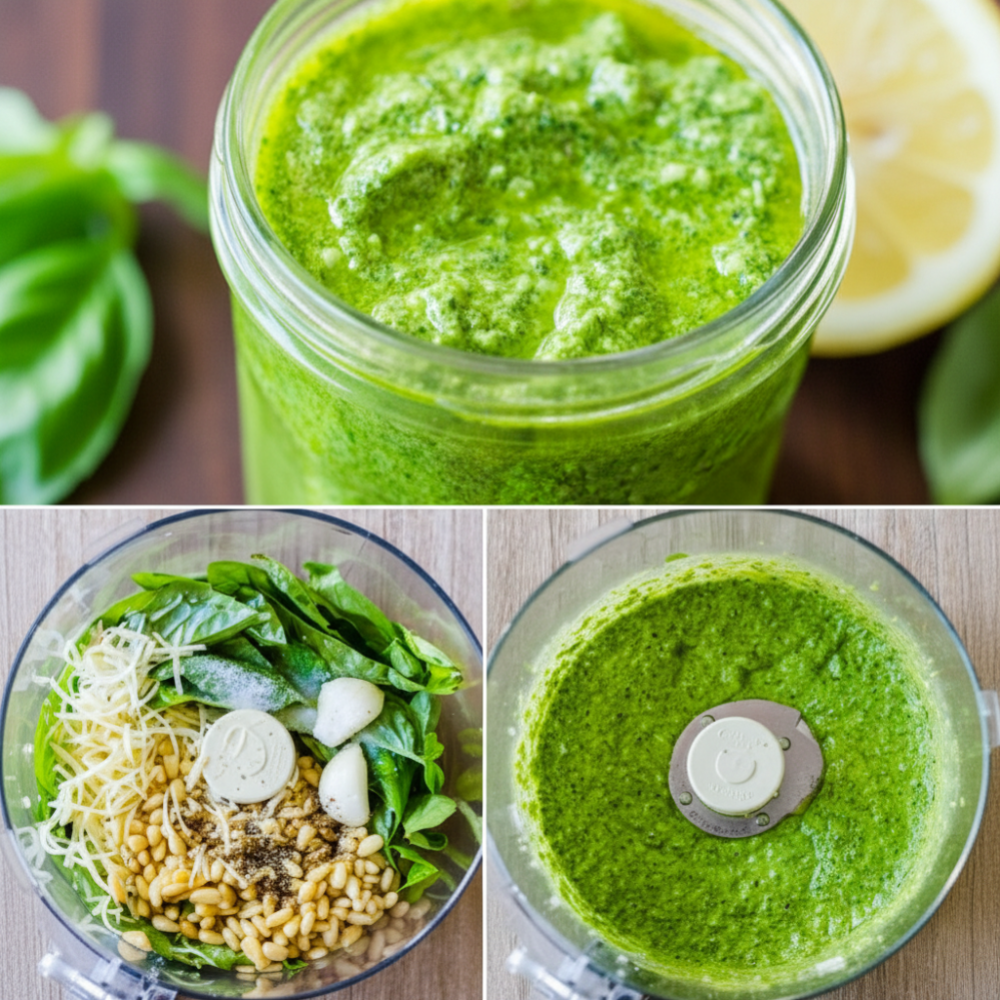
Many culinary traditions boast vibrant, fresh sauces, but few compare to the enduring appeal of Basil Pesto. This rich, aromatic traditional Italian herb dip offers a depth of flavor that store-bought versions simply cannot replicate. Crafting your own homemade green sauce provides complete control over ingredients, ensuring peak freshness and customization to your palate. You bypass preservatives and artificial flavors, instead embracing the natural brilliance of ripe basil, savory cheese, and pungent garlic. The process itself is straightforward, rewarding you with an incomparably fresh and robust product for a fraction of the cost of premium jarred options. Consider the texture: a perfectly balanced homemade pesto has a slight rustic quality, a creamy emulsion that clings beautifully to pasta or spreads smoothly onto bread. This tactile experience is a hallmark of truly authentic preparation.
Making your own pesto allows you to select the highest quality ingredients. You can choose fragrant, organic basil leaves, perfectly toasted nuts, and freshly grated Parmesan cheese. This attention to detail directly translates into superior taste. Moreover, the simple satisfaction of transforming fresh components into a versatile, flavorful condiment is a joy for any home cook. It is a fundamental skill that unlocks a world of delicious applications, making your meals more vibrant and engaging.
Essential Ingredients
To achieve the perfect texture and taste for this classic fresh basil spread, you need a few high-quality components. Each ingredient plays a crucial role in developing the signature profile of this robust sauce.
- Fresh Basil Leaves: You will need 2 cups, packed tightly, with stems carefully removed. These provide the foundational sweet, peppery, and slightly minty notes. Opt for vibrant green leaves without any wilting or black spots. The freshness of the basil is paramount to the overall flavor of your Basil Pesto.
- Pine Nuts: Measure out 1/3 cup. These small, buttery nuts contribute a subtle sweetness and a creamy texture. Lightly toasting them enhances their inherent nutty depth, adding another layer of complexity to the sauce.
- Parmesan Cheese: Use 1/2 cup, freshly grated. Avoid pre-grated varieties, which often contain anti-caking agents that can alter the texture and flavor. Freshly grated Parmesan offers a sharp, salty, umami kick that balances the basil beautifully.
- Garlic Cloves: 2 cloves, peeled and roughly chopped. Garlic is indispensable for its pungent aroma and sharp flavor, which provides a necessary counterpoint to the richness of the oil and cheese. This creates an easy garlic pesto that sings with authentic Italian character.
- Extra Virgin Olive Oil: You will require 1/2 cup of high-quality extra virgin olive oil. This is not merely a carrier for the other ingredients; it is a flavor component in its own right. A good olive oil adds fruity, peppery, and slightly bitter notes, while also creating the desired smooth emulsion.
- Lemon Juice: 1 tablespoon, freshly squeezed. This is a critical addition. Beyond its bright, acidic taste, lemon juice helps prevent the basil from oxidizing and turning dark, ensuring your pesto maintains a vibrant green hue.
- Seasoning: A precise measure of 1/2 teaspoon kosher salt and 1/4 teaspoon black pepper enhances all the other flavors without overwhelming them. Adjusting salt levels to taste is important at the end.
Step-by-Step Instructions
Making this blender pasta sauce recipe requires simple preparation and minimal time. The process is designed for efficiency, delivering maximum flavor with straightforward steps.
1. Toast the Nuts
Begin by preparing the 1/3 cup of pine nuts. Place them in a dry skillet over medium heat. Toast them for approximately 3 minutes, stirring continuously to prevent burning. The goal is a light golden brown color, which signifies the release of their essential oils and enhanced flavor. Once achieved, immediately remove them from the heat and transfer them to a plate to cool completely. This step is crucial for developing a deeper, more pronounced nutty flavor in your Basil Pesto. Burnt nuts will impart a bitter taste, so vigilance is key during this stage. Allow them sufficient time to cool to avoid affecting the temperature of the other ingredients in the next steps.
2. Combine the Base Ingredients
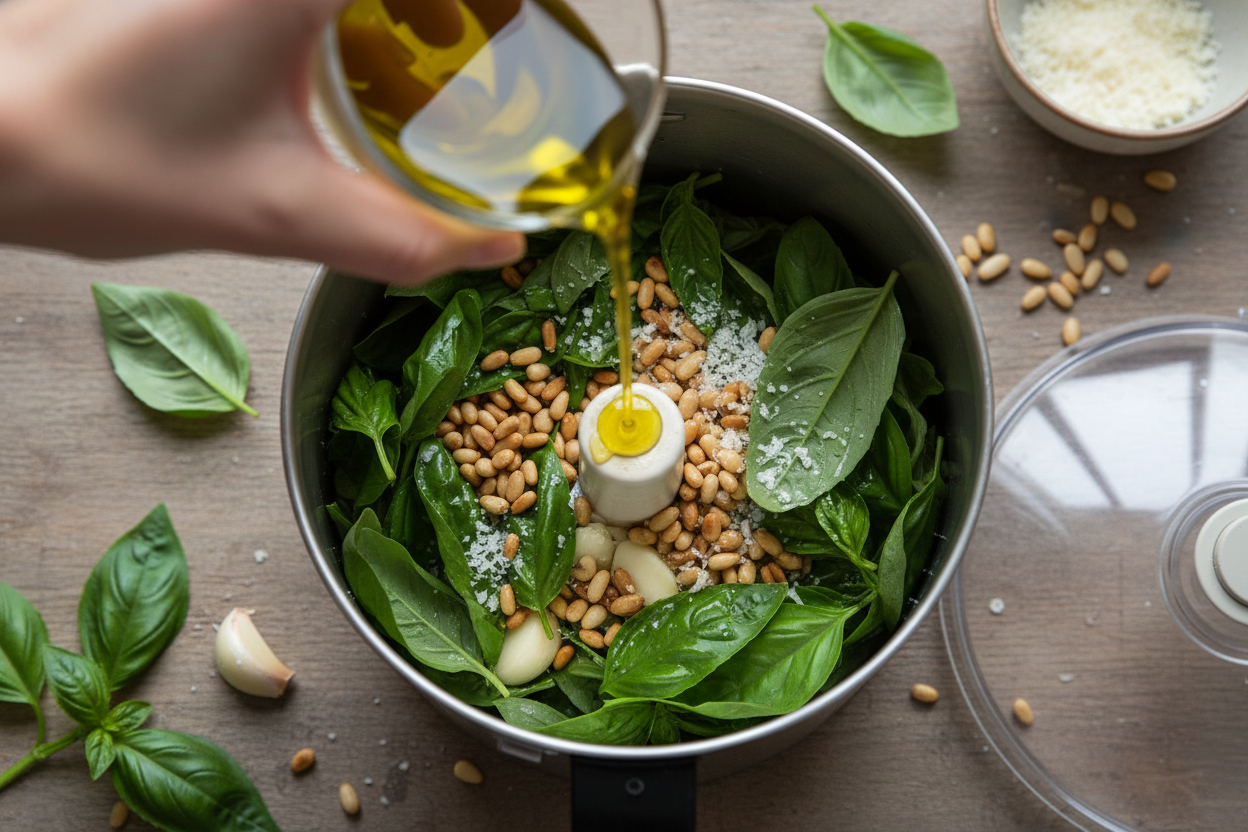
Once the pine nuts are cool, gather all the foundational ingredients. Place the 2 cups of fresh basil leaves, the cooled pine nuts, the 1/2 cup grated Parmesan cheese, the 2 garlic cloves, the 1 tablespoon lemon juice, the 1/2 teaspoon salt, and the 1/4 teaspoon black pepper into the bowl of a food processor or a high-powered blender. Ensure all ingredients are measured accurately for consistent results. This collection of ingredients forms the flavor core of your pine nut pasta sauce.
3. Pulse the Mixture
Secure the lid on your food processor or blender. Pulse the machine several times in short bursts. Continue pulsing until the herbs and nuts are roughly chopped and thoroughly mixed. Avoid over-processing at this stage, as the goal is merely to break down the solids before emulsification. You want to see distinct pieces of basil and nuts, not a smooth paste yet. This initial pulsing ensures an even distribution of flavors before the oil is introduced.
4. Emulsify with Oil
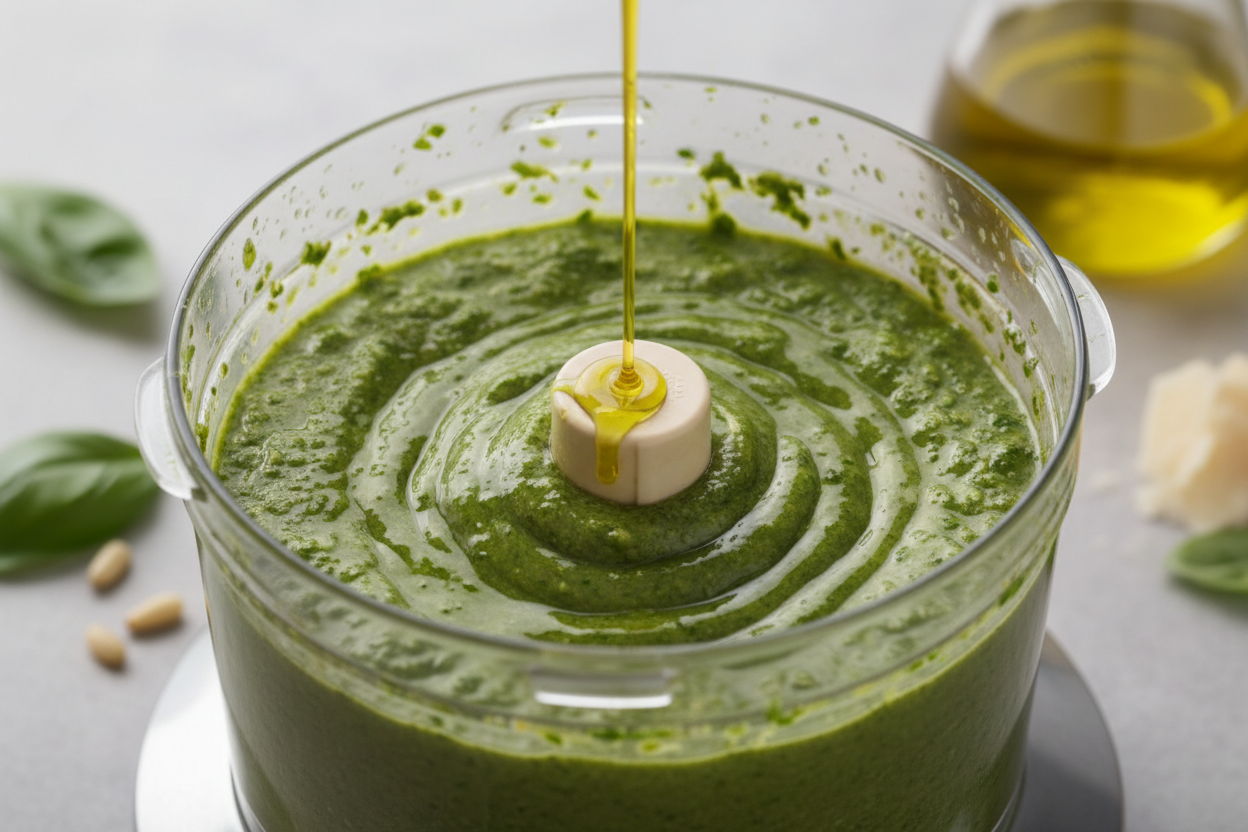
With the base ingredients roughly chopped, turn the blender or processor onto a low, continuous setting. Slowly pour the 1/2 cup of extra virgin olive oil through the top opening, typically a small feed tube in the lid. The slow addition of oil is essential for proper emulsification, creating a smooth and cohesive sauce. Continue blending until the mixture becomes a smooth, integrated sauce, stopping occasionally to scrape down the sides of the bowl if necessary. The result should be a vibrant, thick, and uniform fresh basil spread.
5. Taste and Store
Once the pesto reaches your desired consistency, stop the machine. Taste the finished spread and adjust the salt or pepper if necessary. You might find a small pinch more salt enhances the flavors. Serve immediately on sandwiches or pasta. This step ensures the seasoning is perfectly balanced before serving or storing. The texture should be thick but pourable, clinging to a spoon.
Expert Tips for Vibrant Color and Flavor
Achieving a pesto that is both intensely flavorful and vibrantly green is a mark of a well-made sauce. These techniques are simple yet effective.
- Blanching Herbs: For an exceptionally bright green color that lasts, consider blanching your basil. A quick 10-second dip in boiling water followed immediately by an ice bath shocks the leaves, setting their color. Drain and pat them thoroughly dry before proceeding with the recipe. This extra step is especially useful if you plan to make a large batch for storage, as it stabilizes the chlorophyll.
- Cold Oil: Using chilled extra virgin olive oil is a nuanced but effective strategy. The blades of a food processor or blender generate heat during operation. This heat can cause the olive oil to oxidize, which can lead to a slightly bitter taste. Cold oil helps to mitigate this heating effect, preserving the oil’s delicate flavor profile and preventing the sauce from developing any undesirable bitterness.
How to Store and Freeze
Proper storage is key to extending the life of your homemade Basil Pesto, preserving its vibrant color and fresh flavor. Whether you plan to use it within a week or save it for months, these methods ensure quality.
- Refrigerating: To refrigerate your pesto, transfer the finished sauce to an airtight jar or container. Once in the jar, pour a very thin layer of extra virgin olive oil over the surface. This creates a protective barrier, blocking out oxygen which is the primary cause of browning and spoilage. Stored this way, your storing fresh herb spread will remain fresh and green in the refrigerator for up to one week. Always ensure the oil layer completely covers the pesto.
- Freezing: For longer-term storage, freezing is an excellent option. Spoon the sauce into an ice cube tray, filling each compartment. Freeze until solid, which typically takes a few hours. Once frozen, pop the pesto cubes out of the tray and transfer them to a freezer-safe bag or container. This method of freezing homemade sauce allows for convenient portioning. Frozen pesto can be stored for up to six months. When ready to use, simply thaw the desired number of cubes in the refrigerator or add them directly to warm food.
Serving Suggestions
The versatility of homemade Basil Pesto makes it a valuable addition to countless dishes. Its rich, aromatic profile can elevate simple meals into something special.
- Pasta: The most classic application is tossing it directly with warm noodles. A simple spaghetti or linguine coated in this vibrant sauce is a comforting and quick meal. Add a splash of pasta water for a creamier consistency.
- Sandwiches and Paninis: Spread a generous layer onto toasted paninis or any sandwich bread. It adds a burst of flavor to roasted vegetable or beef sandwiches.
- Dips and Spreads: Mix into mayonnaise for a flavorful aioli-style spread, perfect for burgers or dipping fries. It can also be stirred into cream cheese for a savory bagel spread.
- Vegetables: Drizzle over roasted vegetables like zucchini, cherry tomatoes, or asparagus for an instant flavor upgrade. It also pairs wonderfully with grilled corn on the cob.
- Proteins: Use it as a marinade for chicken or beef, or dollop it onto grilled fish. A spoonful over scrambled eggs or an omelet adds a sophisticated touch.
- Soups and Stews: Stir a tablespoon into a bowl of minestrone or vegetable soup just before serving for an extra layer of freshness.
- Pizza: Instead of traditional tomato sauce, use pesto as the base for a unique and flavorful pizza.
Frequently Asked Questions
Can I use walnuts instead of pine nuts? Yes, walnuts or almonds are excellent, budget-friendly alternatives to pine nuts. They offer a slightly different, perhaps more robust, nutty flavor, but they work beautifully in this recipe. Ensure they are lightly toasted just like pine nuts for the best flavor.
Why did my sauce turn dark? Oxidation is the primary cause of pesto browning. Exposure to air causes the chlorophyll in the basil to degrade. Adding 1 tablespoon of fresh lemon juice to the mixture helps to slow this process, and sealing the top of stored pesto with a thin layer of olive oil effectively blocks out oxygen, preventing discoloration.
This homemade green sauce is a testament to the power of fresh ingredients and simple techniques. With these guidelines, you can consistently produce a vibrant, flavorful Basil Pesto that enhances countless dishes. Enjoy the satisfaction of creating a traditional Italian staple right in your own kitchen.
For more delicious recipes and culinary insights, be sure to follow our community on Facebook. We share daily tips, new creations, and engage with fellow food enthusiasts. Join our Facebook page today for your daily dose of kitchen inspiration.
Fresh Homemade Pesto Sauce
Ingredients
- 2 cup(s) Fresh basil leaves
- 1/3 cup(s) Pine nuts
- 1/2 cup(s) Parmesan cheese
- 2 Garlic cloves
- 1/2 cup(s) Extra virgin olive oil
- 1 tbsp Lemon juice
- 1/2 tsp Kosher salt
- 1/4 tsp Black pepper
Instructions
- Toast the pine nuts in a dry skillet over medium heat for about 3 minutes until golden brown, stirring constantly. Let them cool.
- In a food processor or blender, combine the fresh basil leaves, cooled pine nuts, parmesan cheese, garlic cloves, lemon juice, kosher salt, and black pepper.
- Pulse the machine several times until the ingredients are finely and uniformly chopped.
- With the food processor or blender running on low speed, slowly stream in the extra virgin olive oil until the mixture transforms into a smooth, emulsified sauce.
- Taste for seasoning, adding more salt or pepper if desired. Serve immediately or store in the refrigerator with a thin layer of oil on top to preserve the color.
For more daily recipes and tips, follow us on Facebook!
Click here to join our community!