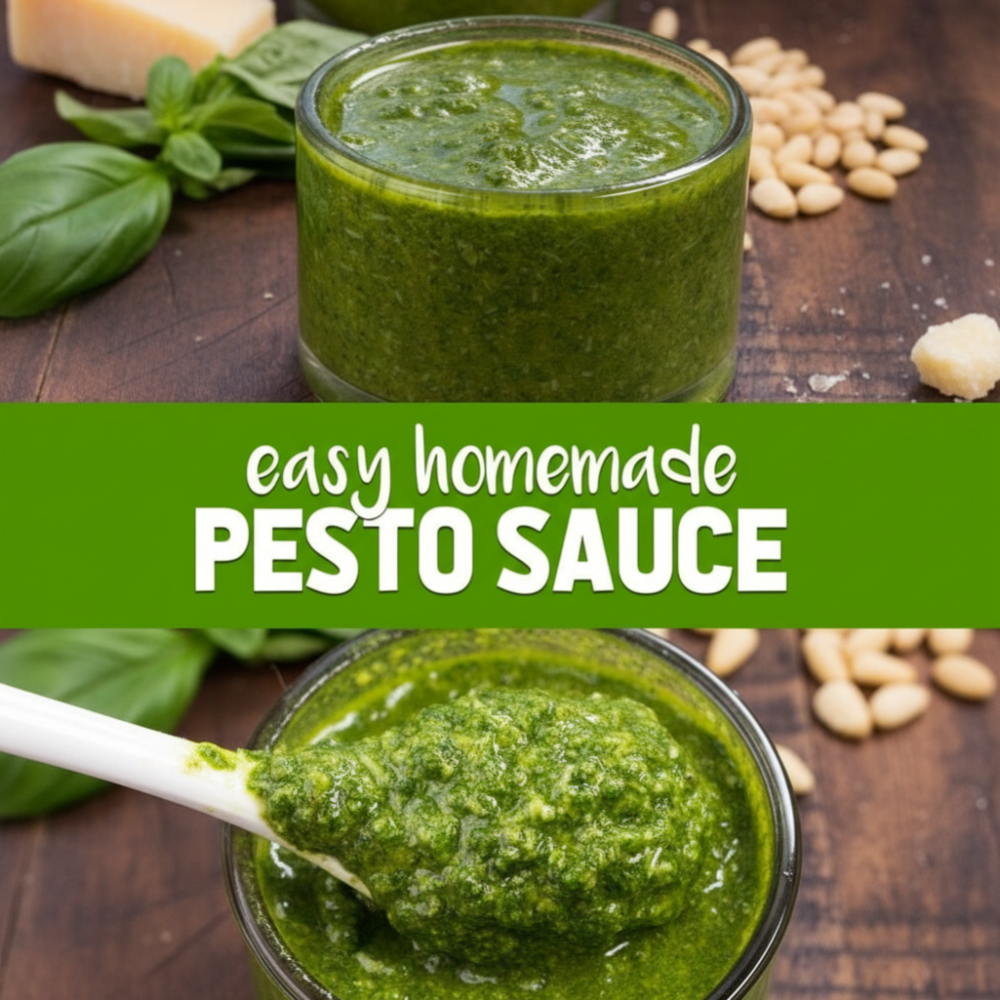
Making a vibrant batch of basil pesto at home offers a distinct advantage over its store-bought counterparts. The difference in flavor, texture, and aroma is immediately noticeable. Commercial versions often contain preservatives, artificial colors, and less fresh ingredients, resulting in a muted and sometimes metallic taste. Crafting your own ensures a bright, herbaceous, and robust green pasta sauce, free from undesirable additives. This food processor recipe allows for complete control over ingredient quality and taste balance, delivering a superior culinary experience every time.
The origins of this cherished traditional Italian paste trace back centuries to Genoa, the capital of Liguria, Italy. The word “pesto” derives from the Italian verb “pestare,” meaning to pound or crush, originally referring to the method of preparation using a mortar and pestle. This labor-intensive technique allowed the oils from the fresh basil leaves and pine nuts to release slowly, creating an emulsified, deeply flavorful sauce. While modern kitchens often utilize a food processor for convenience, the spirit of this homemade Genovese sauce remains in its simple, high-quality ingredients and fresh taste profile.
Essential Ingredients
Creating the perfect basil pesto starts with selecting the right components. Each ingredient plays a crucial role in achieving the classic flavor and texture.
- Fresh Basil Leaves: For optimal flavor, choose bright green, unblemished leaves. Avoid any that show signs of wilting or black spots. Gently wash and pat the leaves completely dry before use. Wet leaves can lead to a watery sauce. You will need 2 cups, lightly packed.
- Pine Nuts: These small, buttery nuts provide a delicate creaminess and subtle sweetness that is characteristic of authentic pesto. They also contribute to the sauce’s body. The recipe calls for 0.33 cup of pine nuts for the perfect texture without overpowering the basil.
- Parmesan Cheese: Use a high-quality, aged Parmesan cheese, ideally Parmigiano-Reggiano. Freshly grated cheese melts better into the sauce and provides a superior, nutty, and savory depth compared to pre-shredded varieties. You will need 0.5 cup, finely grated.
- Extra Virgin Olive Oil: The quality of your extra virgin olive oil significantly impacts the final taste. Opt for a cold-pressed, fruity, and light-bodied oil to allow the basil to shine. It emulsifies the ingredients, creating a smooth consistency. Measure out 0.5 cup.
- Flavor Bases: Three fresh garlic cloves add a pungent kick and aromatic complexity. Adjust to your preference, but three provides a balanced profile. Season the sauce with 0.25 teaspoon of salt and 0.25 teaspoon of freshly ground black pepper to enhance all the flavors.
Step-by-Step Instructions
This food processor recipe makes crafting your own basil pesto straightforward and efficient. Follow these steps for a perfect batch of green pasta sauce.
- Step 1: Combine Initial Ingredients
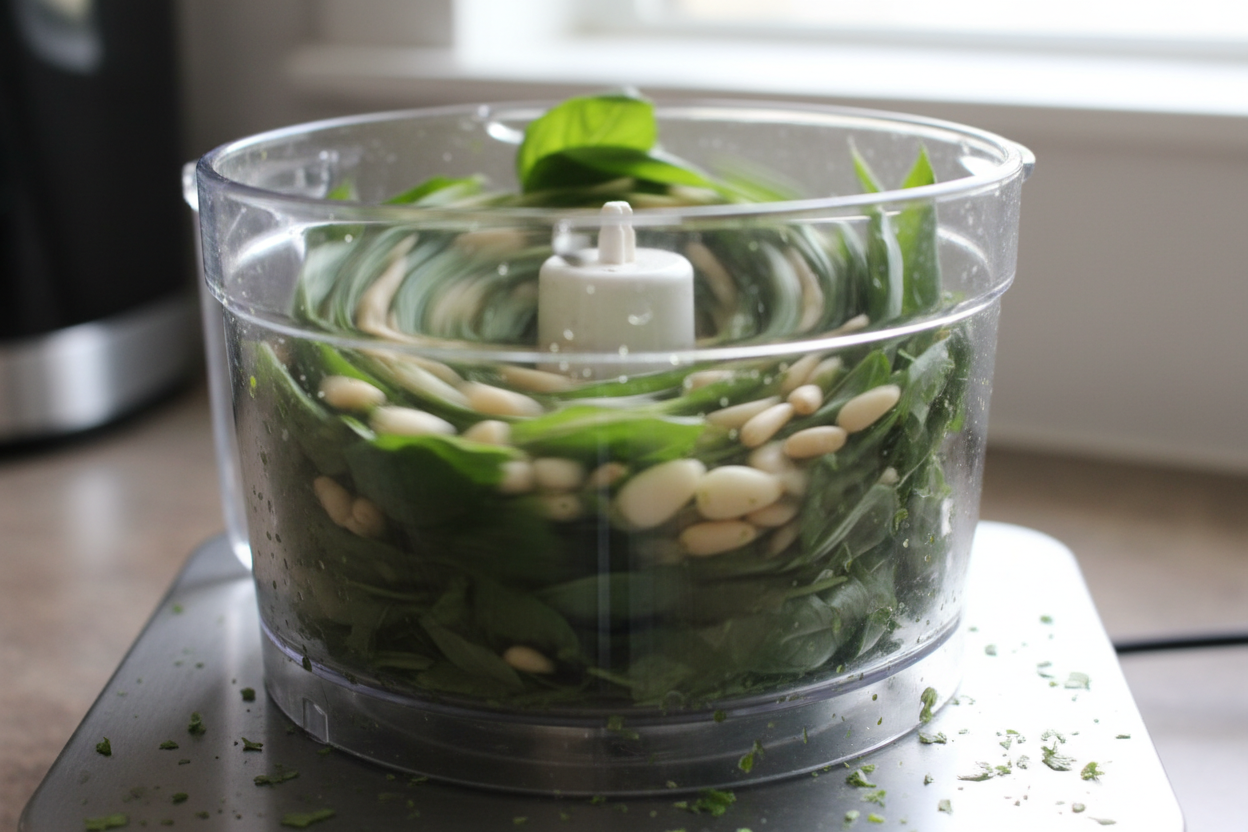
Begin by adding the 2 cups of fresh basil leaves, the 0.33 cup of pine nuts, and the 3 fresh garlic cloves to the bowl of your food processor. Ensure all ingredients are at room temperature for better blending. - Step 2: Pulse Until Coarsely Chopped
Pulse the mixture several times until the ingredients are coarsely chopped. Avoid over-processing at this stage; you want a textured base, not a fine paste yet. Scrape down the sides of the bowl as needed to ensure even processing. - Step 3: Add Parmesan Cheese
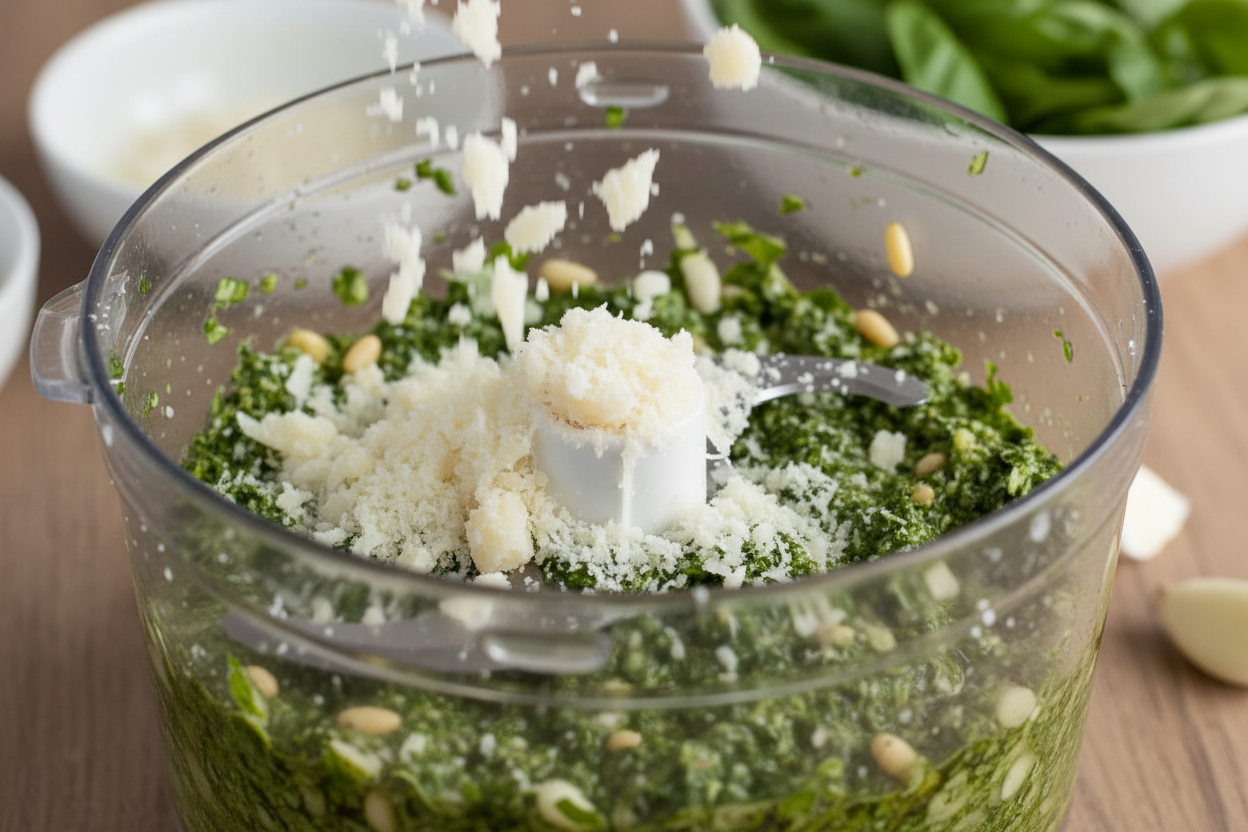
Next, incorporate the 0.5 cup of grated Parmesan cheese into the food processor. Pulse a few more times until the cheese is just combined with the other ingredients. - Step 4: Slowly Drizzle Olive Oil
With the food processor running on low speed, slowly drizzle in the 0.5 cup of extra virgin olive oil through the feed tube. Continue processing until the sauce is smooth and emulsified. The oil will bind all the components together, creating a creamy and vibrant homemade Genovese sauce. - Step 5: Season to Taste
Stop the food processor and taste the basil pesto. Add 0.25 teaspoon of salt and 0.25 teaspoon of black pepper. Pulse briefly to combine the seasonings. Adjust salt and pepper as necessary to achieve your desired flavor.
For the most vibrant and authentic flavor, prioritize fresh, high-quality ingredients. This is the foundation of any exceptional traditional Italian paste.
Expert Cooking Tips
Elevating your basil pesto is simple with a few chef-approved techniques. These tips ensure a sauce that stands out.
- Toasting the Pine Nuts: For a deeper, nuttier flavor profile, lightly toast the 0.33 cup of pine nuts before adding them to the food processor. Spread them in a single layer on a dry skillet over medium-low heat. Stir frequently until they are golden brown and fragrant, about 3-5 minutes. Watch them carefully to prevent burning. Let them cool completely before use.
- Blanching the Greens Briefly: To retain a vibrant, bright green color in your basil pesto, consider blanching the 2 cups of fresh basil leaves. Briefly dip them in boiling water for about 10-15 seconds, then immediately transfer them to an ice bath. This process sets the chlorophyll. Squeeze out excess water thoroughly before drying and adding them to the food processor.
Storage and Freezing
Proper storage ensures your homemade Genovese sauce remains fresh and delicious for future meals.
- Storing in the Refrigerator: Transfer the freshly made basil pesto to an airtight container. To prevent oxidation and maintain its bright green color, pour a thin layer of extra virgin olive oil over the surface of the sauce before sealing the container. This creates a barrier against air. Stored this way, it typically lasts for up to 5-7 days in the fridge.
- Freezing for Easy Meal Prep: For longer storage, basil pesto freezes exceptionally well. Spoon the sauce into ice cube trays. Once frozen solid, pop the pesto cubes out and transfer them to a freezer-safe bag or container. This method allows for convenient portioning. Frozen pesto can be stored for up to 3-6 months. Thaw cubes in the refrigerator or add directly to warm pasta.
Frequently Asked Questions
Addressing common queries helps you confidently make and use your traditional Italian paste.
- Can I use walnuts instead of pine nuts?
Yes, walnuts are a common substitution for pine nuts. They offer a slightly different, more robust flavor profile. While not traditional for Genovese style, they work well. You would use 0.33 cup of walnuts, similar to the pine nuts. Almonds or cashews can also be used for variation. - How long does it last in the fridge?
When stored correctly in an airtight container with a layer of extra virgin olive oil on top, basil pesto will last for approximately 5-7 days in the refrigerator. Always check for any off-smells or discoloration before use.
For more recipes and cooking tips, follow our Facebook page: https://www.facebook.com/profile.php?id=61568538666337
Classic Homemade Genovese Sauce
Ingredients
- 2 cups Fresh basil leaves Packed tightly, stems removed
- 0.33 cup Pine nuts Lightly toasted and cooled
- 0.5 cup Parmesan cheese Freshly grated
- 3 cloves Garlic Peeled and roughly chopped
- 0.5 cup Extra virgin olive oil High quality for best flavor
- 0.25 tsp Salt To taste
- 0.25 tsp Black pepper Freshly cracked
Instructions
- Place the fresh leaves, pine nuts, and garlic cloves into the bowl of a food processor.
- Pulse the mixture 5 to 7 times until the ingredients are coarsely chopped.
- Add the freshly grated Parmesan cheese and pulse a few more times to combine.
- While the food processor is running on a low speed, slowly drizzle in the extra virgin olive oil until the sauce emulsifies and reaches your preferred consistency.
- Taste the mixture, add the salt and black pepper, and pulse one final time to incorporate the seasonings.
For more daily recipes and tips, follow us on Facebook!
Click here to join our community!