Introduction to This Popular Condiment
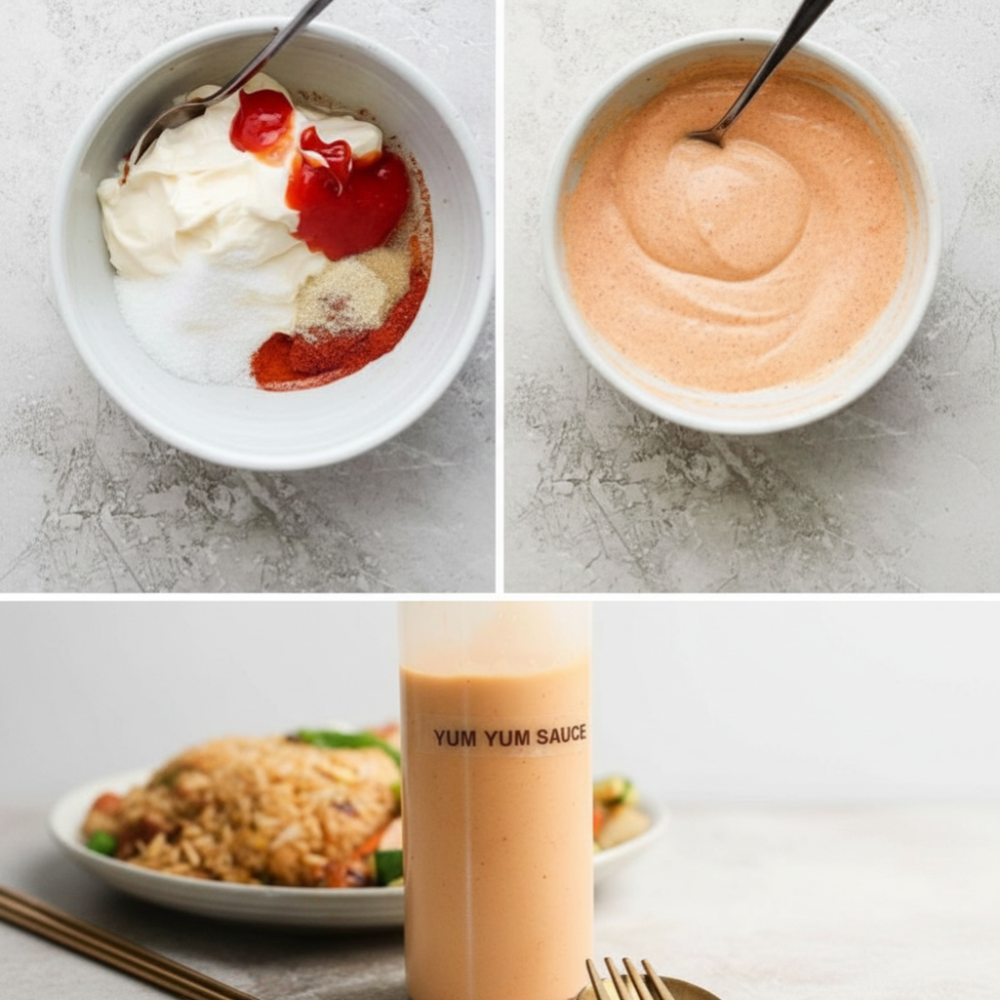
The allure of a Japanese steakhouse experience often begins with that iconic, creamy dipping sauce. Known widely as yum yum sauce, this versatile condiment has captivated diners for decades. Its distinct flavor profile complements a wide array of dishes, from grilled meats to fried rice and vegetables. Replicating this beloved `Japanese steakhouse white sauce` at home is simpler than you might imagine. This guide provides a definitive `yum yum sauce recipe`, allowing you to prepare the classic dipping favorite right in your kitchen. Achieving that authentic `hibachi restaurant style dipping sauce` is within reach, transforming your home cooking into a memorable experience.
This recipe focuses on creating a sauce that is both robust in flavor and easy to execute. Paired with a quick, delicious stir-fried rice, it forms a complete meal concept that brings the essence of `teppanyaki style cooking` to your dining table. Our approach emphasizes fresh preparation and simple steps, ensuring that even novice cooks can achieve excellent results. The goal is to demystify this popular condiment and demonstrate how effortlessly you can produce a `homemade savory drizzle` that rivals your favorite restaurant’s offering.
Why Make This Dairy-Free and Gluten-Free Sauce at Home?
Opting to prepare your favorite sauces and meals at home offers several compelling advantages, especially when it comes to dietary preferences and ingredient control. This specific `yum yum sauce recipe` naturally lends itself to being a superb `dairy-free condiment` and, when paired with tamari in the fried rice, contributes to a complete `gluten-free hibachi rice` meal. Here are the primary reasons why making this sauce and rice at home is a smart choice:
- Ingredient Control: When you prepare food from scratch, you have complete oversight of every component. This eliminates unwanted additives, preservatives, or artificial flavors often found in store-bought alternatives. For those with specific dietary needs or allergies, knowing exactly what goes into your food provides peace of mind.
- Dietary Accommodation: This `mayonnaise based dip` utilizes ingredients that are inherently dairy-free. Coupled with the use of tamari for the fried rice, the entire meal becomes suitable for those avoiding gluten and dairy. This makes it an inclusive option for gatherings or family meals where various dietary requirements might be present.
- Cost Savings: Regular visits to a Japanese steakhouse can become expensive. By mastering this `yum yum sauce recipe` and preparing your own `gluten-free hibachi rice`, you significantly reduce dining expenses. The ingredients required are pantry staples, making this an economical way to enjoy restaurant-quality flavors at a fraction of the cost.
- Freshness and Flavor: Freshly made sauces invariably taste better. The flavors in your homemade sauce will be more vibrant and pronounced compared to pre-packaged versions. The brief refrigeration period allows the flavors to meld perfectly, resulting in a superior `hibachi restaurant style dipping sauce` experience.
- Customization: While this recipe provides a classic foundation, making it at home offers the freedom to customize. You can adjust the seasoning to your exact preference, making it sweeter, spicier, or more garlicky as desired. This level of personalization is impossible with ready-made products.
Key Ingredients for the Sauce and Stir-Fry
Crafting the perfect `Japanese steakhouse white sauce` and accompanying fried rice relies on a concise list of easily accessible ingredients. Each component plays a vital role in building the signature flavors of this beloved meal. Precision in measurement ensures consistency and delivers the authentic taste you seek.
Condiment Base
- 1 cup mayonnaise: The foundation of this creamy sauce. Mayonnaise provides the rich texture and mild tang essential for a classic `mayonnaise based dip`. Ensure you choose a high-quality brand for the best flavor and consistency. Many reputable mayonnaise brands are naturally dairy-free, making this condiment base suitable for specific dietary needs.
- 1 tbsp ketchup: A small amount of ketchup contributes a subtle sweetness and a hint of acidity, along with the characteristic pale orange hue of `yum yum sauce`. It balances the richness of the mayonnaise and adds depth to the overall flavor profile.
Seasonings
These seasonings are crucial for imparting the distinctive taste that makes this `homemade savory drizzle` so appealing.
- 1 tsp sugar: Sugar helps to balance the tanginess of the mayonnaise and ketchup, adding a delicate sweetness that enhances the sauce’s overall harmony. It is a key element in achieving the signature taste.
- 1/2 tsp paprika: Paprika contributes a mild, earthy flavor and a warm, inviting color to the sauce. It is primarily responsible for the subtle reddish-orange tint often associated with `hibachi restaurant style dipping sauce`.
- 1/2 tsp garlic powder: Garlic powder delivers a foundational savory note, providing the classic aromatic background without the sharpness of fresh garlic. It blends seamlessly into the creamy base.
- 1/2 tsp onion powder: Similar to garlic powder, onion powder adds a mellow, savory depth that complements the other spices. It enhances the umami profile of the sauce, making it more complex and satisfying.
Fried Rice Components
The fried rice component is straightforward and designed to provide a perfect textural and flavor contrast to the rich sauce.
- 3 cups cold cooked white rice: Using cold, day-old rice is paramount for achieving the best texture in stir-fried rice. Cold rice grains are firmer and less likely to clump, allowing them to fry individually and develop a slight crispness. This is a crucial step for authentic `teppanyaki style cooking` results.
- 1/2 cup green peas: Green peas add a pop of color, natural sweetness, and a tender texture to the fried rice. They are a classic addition to `hibachi restaurant style` fried rice.
- 2 tbsp oil: A neutral cooking oil, such as vegetable, canola, or grapeseed oil, is essential for stir-frying. It facilitates even cooking and helps to achieve a slightly toasted exterior on the rice grains.
- 2 tbsp tamari: Tamari is a Japanese soy sauce alternative that is naturally `gluten-free`. It provides the savory, umami-rich seasoning for the fried rice. Its depth of flavor is vital for a truly authentic gluten-free hibachi rice experience.
Step-by-Step Preparation Guide
Creating your own `Japanese steakhouse white sauce` and `gluten-free hibachi rice` is a simple process, broken down into manageable steps. Follow these instructions precisely for optimal results.
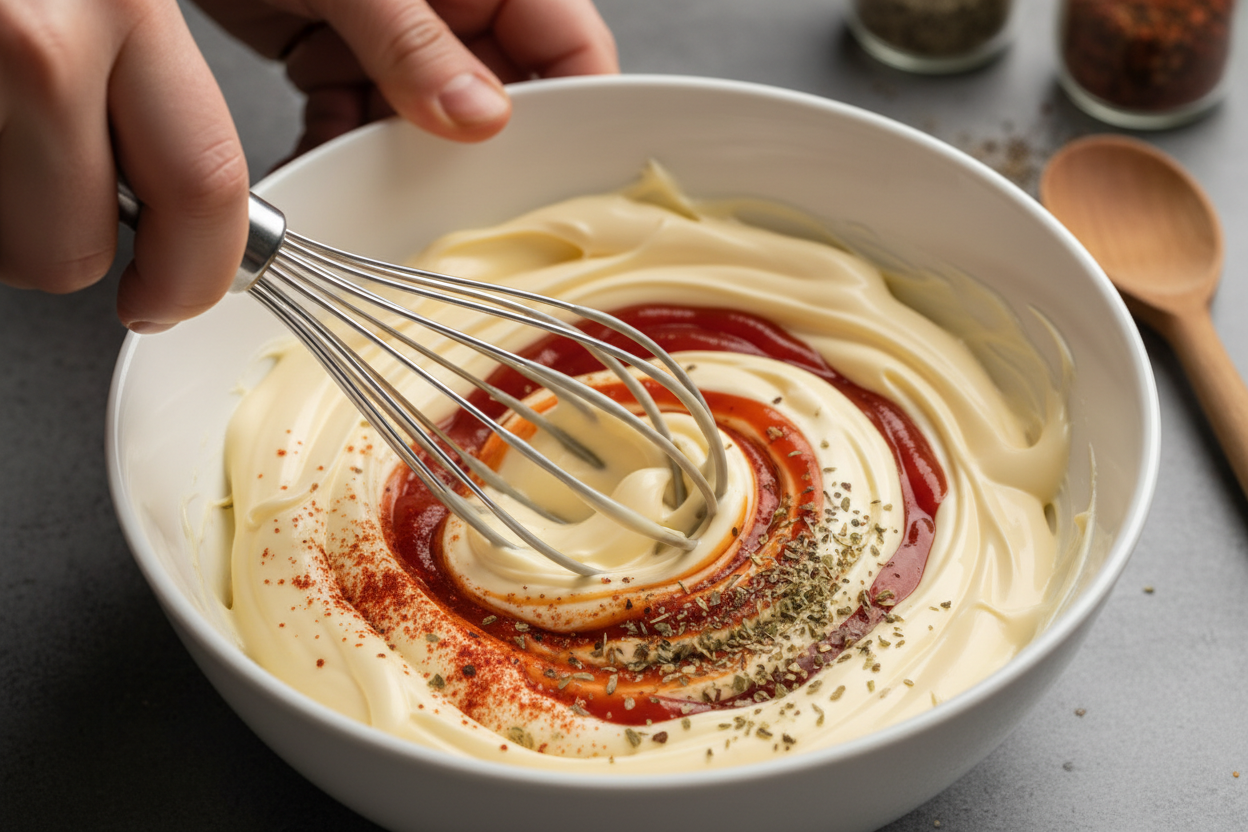
- Step 1: Prepare the Yum Yum Sauce Base. In a small bowl, combine 1 cup of mayonnaise, 1 tbsp of ketchup, 1 tsp of sugar, 1/2 tsp of paprika, 1/2 tsp of garlic powder, and 1/2 tsp of onion powder. Whisk these ingredients together thoroughly until the mixture is completely smooth and evenly colored. Ensure there are no lumps and all spices are fully incorporated. This initial whisking creates the creamy, consistent texture of your `mayonnaise based dip`.
- Step 2: Chill and Meld Flavors. Once the sauce is smooth, cover the bowl tightly with plastic wrap. Place the bowl in the refrigerator for at least 30 minutes. This chilling period is crucial as it allows the individual flavors from the seasonings to meld and deepen, enhancing the overall taste of your `homemade savory drizzle`. A longer chilling time, up to several hours, will further improve the sauce’s complexity.
- Step 3: Preheat for Fried Rice. Heat 2 tbsp of oil in a large skillet or wok over medium-high heat. Allow the oil to become shimmering hot but not smoking. Proper preheating ensures that the rice will fry effectively and develop a desirable texture, akin to `teppanyaki style cooking`.
- Step 4: Combine Rice and Peas. Add 3 cups of cold cooked white rice and 1/2 cup of green peas to the hot skillet. Use a spatula or wooden spoon to break up any clumps of rice. Spreading the rice evenly across the pan surface promotes uniform cooking and browning.
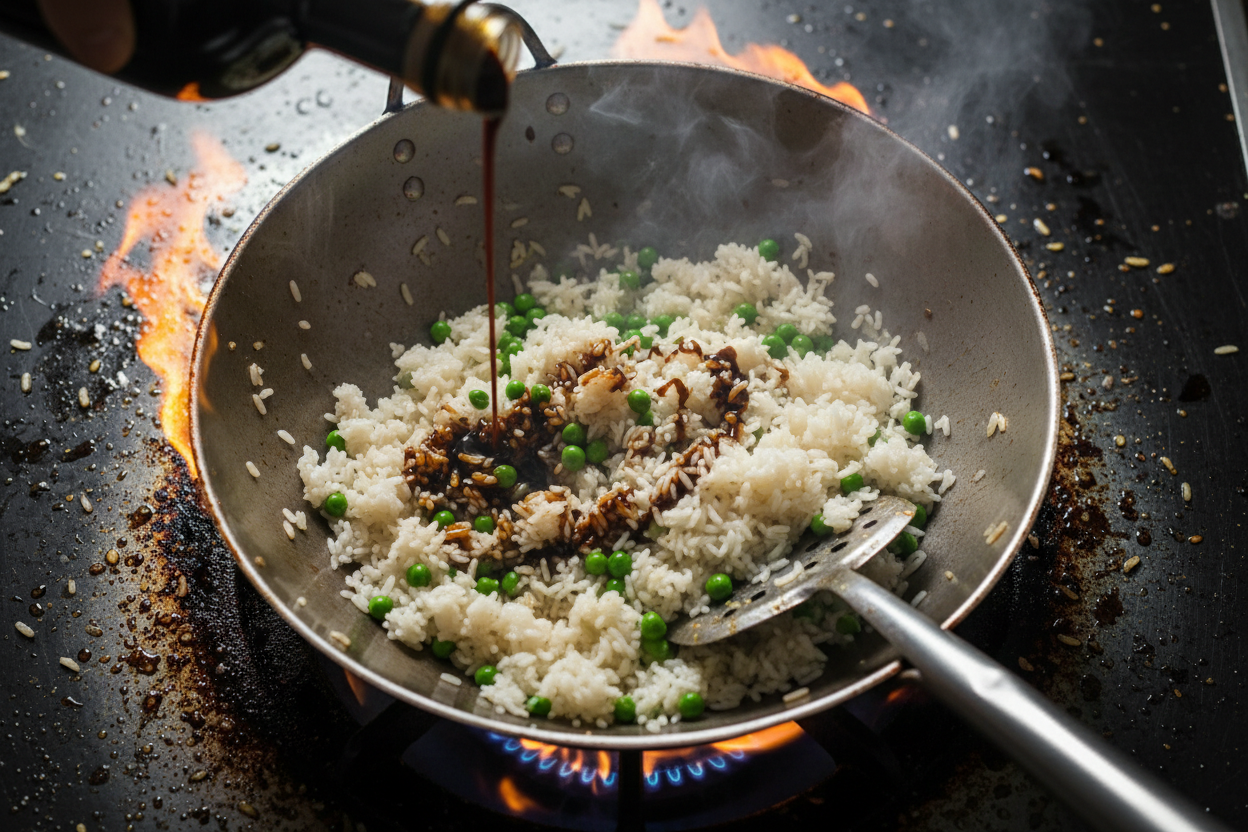
- Step 5: Stir-Fry the Rice. Pour 2 tbsp of tamari evenly over the rice mixture. Begin to stir-fry the ingredients for 5 minutes. Continuously toss and turn the rice and peas to ensure they are heated through and lightly toasted. The tamari will impart a rich, savory flavor and a characteristic dark color to the `gluten-free hibachi rice`.
- Step 6: Serve and Enjoy. Once the fried rice is hot and slightly toasted, remove it from the heat. Serve the warm stir-fried rice immediately, accompanied by a generous drizzle of the chilled homemade `yum yum sauce`. The contrast between the warm rice and cool, creamy sauce creates a delightful culinary experience.
Helpful Cooking Tips and Variations
To enhance your homemade `yum yum sauce recipe` and `gluten-free hibachi rice`, consider these useful tips and simple variations:
- Achieving Perfect Rice Texture: For the best stir-fried rice, always use day-old, cold cooked white rice. Freshly cooked rice contains too much moisture, which can lead to a sticky, mushy texture. If you must cook rice on the same day, spread it thinly on a baking sheet and refrigerate it for at least an hour to cool and dry out. This mimics the conditions ideal for `teppanyaki style cooking`.
- Sauce Consistency Adjustment: If your `Japanese steakhouse white sauce` is too thick for your preference, you can thin it out. Add a small splash of water, about 1 teaspoon at a time, whisking well after each addition until you reach your desired consistency. Avoid adding too much liquid at once to maintain the richness of the `mayonnaise based dip`.
- Spice Level Customization: For those who enjoy a bit of heat, transform your `hibachi restaurant style dipping sauce` into a spicy version. Add a dash of cayenne pepper, starting with 1/8 teaspoon, and increase to taste. Mix it thoroughly into the sauce during Step 1. This variation introduces a subtle kick without overpowering the core flavors of the `homemade savory drizzle`.
- Storage of Fried Rice: While fried rice is best enjoyed fresh, leftovers can be stored in an airtight container in the refrigerator for up to 3 days. Reheat gently in a skillet or microwave, adding a tiny splash of water if needed to prevent dryness.
- Ingredient Quality: The quality of your ingredients directly impacts the final taste. Opt for a good quality mayonnaise and fresh spices for the most flavorful `yum yum sauce`. For the fried rice, using tamari ensures a `gluten-free hibachi rice` that is rich in umami.
Frequently Asked Questions
How long does this homemade `yum yum sauce recipe` last in the fridge?
When stored in an airtight container in the refrigerator, your homemade `Japanese steakhouse white sauce` can last for up to 7 days. Always ensure it is properly sealed to maintain freshness and prevent odor absorption. Discard if any signs of spoilage appear, such as an off smell or discoloration. The longevity makes it an excellent condiment to prepare in advance for meal planning or entertaining.
Conclusion
Recreating the magic of a Japanese steakhouse at home is both rewarding and surprisingly simple. This comprehensive guide has provided you with a foolproof `yum yum sauce recipe` that captures the authentic essence of a `hibachi restaurant style dipping sauce`. Paired with delicious `gluten-free hibachi rice`, you have a complete meal that satisfies on every level. The ability to control ingredients, ensure it’s a `dairy-free condiment`, and enjoy a truly `homemade savory drizzle` makes this recipe a valuable addition to your culinary repertoire. Experience the joy of teppanyaki style cooking in your own kitchen with this easy-to-follow approach. Enjoy your homemade Japanese steakhouse dinner, knowing you’ve crafted a delightful meal from scratch.
For more delicious recipes and cooking inspiration, follow our Facebook page.
Homemade Hibachi White Sauce & Fried Rice
Ingredients
- 1 cup Mayonnaise Dairy-free preferred
- 1 tbsp Ketchup Unsweetened
- 1 tsp Sugar Granulated
- 1/2 tsp Paprika Sweet or smoked
- 1/2 tsp Garlic powder Finely ground
- 1/2 tsp Onion powder Finely ground
- 3 cups Cooked white rice Chilled overnight
- 1/2 cup Green peas Frozen, thawed
- 2 tbsp Oil Canola or vegetable
- 2 tbsp Tamari Gluten-free soy sauce alternative
Instructions
- In a small bowl, whisk together mayonnaise, ketchup, sugar, paprika, garlic powder, and onion powder until smooth.
- Cover the bowl and refrigerate the mixture for at least 30 minutes to allow flavors to meld.
- Heat oil in a large skillet or wok over medium-high heat.
- Add chilled cooked rice and green peas to the skillet, breaking up any clumps.
- Pour tamari over the rice mixture and stir-fry for 5 minutes until heated through and slightly toasted.
- Serve the warm stir-fried rice with a generous drizzle of the chilled homemade sauce.
For more daily recipes and tips, follow us on Facebook!
Click here to join our community!