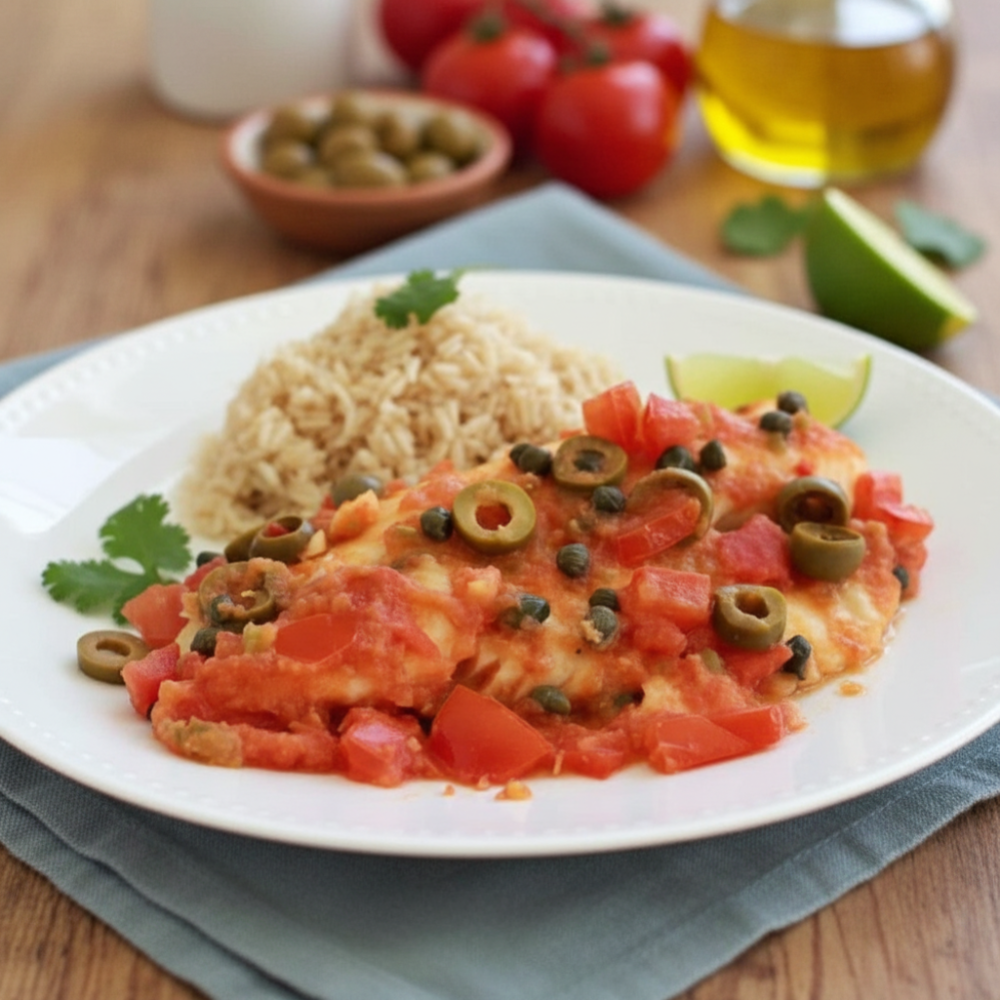
Pescado a la Veracruzana (Veracruz-Style Fish)
There are some dishes that immediately transport you to another place, another time, a memory of sun, sea, and incredible flavors. For me, that dish is Pescado a la Veracruzana. This iconic Mexican creation, hailing from the vibrant coastal state of Veracruz, is a true culinary masterpiece. Imagine tender, flaky white fish, gently poached in a rich, tangy sauce brimming with the flavors of ripe tomatoes, briny olives, capers, and a hint of spice. It’s a symphony for your taste buds, a celebration of fresh ingredients and deep culinary history.
Today, we’re diving deep into crafting this authentic Veracruz-style fish, a recipe that’s not only incredibly delicious but also surprisingly simple to prepare. Get ready to impress your family and friends with a meal that sings with the soul of Mexico’s Gulf Coast.
What is Pescado a la Veracruzana?
At its heart, this dish is a celebration of fresh fish, typically a whole fish or fillets, bathed in a rustic, savory sauce known as Salsa Veracruzana. The sauce is what truly defines it, a lively medley of tomatoes, olives, capers, onions, garlic, and often a touch of pickled jalapeño or chiles güeros for a subtle kick. It’s a beautiful example of how simple, high-quality ingredients can come together to create something profoundly complex and satisfying.
The History and Origin of Veracruz-Style Seafood
Veracruz, a bustling port city on Mexico’s Gulf Coast, has always been a melting pot of cultures, and its cuisine reflects this rich heritage. Pescado a la Veracruzana is a testament to the region’s historical connections and culinary evolution. The dish’s roots trace back to the Spanish colonial era, when European ingredients and cooking techniques blended seamlessly with indigenous Mexican flavors.
The combination of tomatoes, a New World staple, with olives and capers, imported from the Mediterranean, created a unique fusion. This specific method of preparing fish became a signature of Veracruz, embodying the spirit of a city that has welcomed influences from around the globe while firmly rooting them in Mexican tradition. It’s more than just a recipe; it’s a historical narrative on a plate.
Mediterranean Influences in Mexican Coastal Cuisine
The culinary landscape of Veracruz is profoundly shaped by its geography and history, leading to fascinating intersections of flavors. The presence of ingredients like olives, capers, and even specific herbs found in Salsa Veracruzana speaks directly to the strong Mediterranean influence brought by Spanish colonists. Spain, with its own rich culinary traditions steeped in Mediterranean fare, naturally introduced these staples to Mexico.
In Veracruz, these new ingredients found a home alongside local produce like robust, sun-ripened tomatoes and vibrant chiles. The result is a coastal cuisine that feels both distinctly Mexican and subtly European, offering a sophisticated balance of sweet, savory, and tangy notes. This beautiful blend is precisely what makes Veracruz-style fish one of the most beloved Mexican seafood dishes, appealing to a wide array of palates.
Why You’ll Love This Authentic Mexican Seafood Dish
There are countless reasons to fall in love with Pescado a la Veracruzana, beyond its fascinating history. It’s a dish that truly delivers on all fronts – taste, health, and ease of preparation. If you’re looking for a meal that feels special yet approachable, this is it.
A Healthy, Low-Calorie Main Course
For those mindful of their diet, this dish is an absolute winner. Made primarily with lean white fish and a vibrant vegetable-based sauce, it’s an excellent choice for healthy fish dinners. The sauce itself is packed with nutrients from tomatoes, which are rich in antioxidants, and healthy fats from olives. Poaching the fish ensures it remains tender and moist without the need for excessive oil, keeping the calorie count low while maximizing flavor.
It’s also naturally gluten-free and can easily fit into various dietary plans. Many consider it a perfect option for Mexican Lent recipes due to its focus on fish and plant-based ingredients, offering a satisfying and flavorful alternative to meat-heavy meals.
Bright, Vibrant Flavors for Any Season
The flavor profile of this dish is truly spectacular. The combination of juicy tomatoes, briny olives, tangy capers, and aromatic herbs creates a sauce that is incredibly bright and full of life. There’s a delightful interplay of savory and acidic notes, with a subtle undertone of spice that awakens the palate without overwhelming it.
This versatility makes it a fantastic meal for any time of year. While its fresh, zesty character feels perfectly at home on a warm summer evening, its robust and comforting flavors also make it a heartwarming choice for a cooler day. It’s a dish that genuinely brings sunshine to your plate, no matter the season.
Essential Ingredients for Veracruz Sauce
The magic of this classic dish lies in its exquisite sauce. Building the tomato olive and caper sauce requires attention to detail and a selection of quality ingredients. Each component plays a crucial role in creating the complex, layered flavors that define this beloved preparation.
Choosing the Right Fish (Red Snapper, Tilapia, or Cod)
While historically, the dish is often made with whole huachinango (red snapper), you have plenty of excellent options for making this `red snapper recipe` your own. The key is to select a firm, flaky white fish fillet that can hold up to poaching in the sauce without falling apart. Here are some top choices:
- Red Snapper: The traditional choice, offering a delicate flavor and beautiful texture. It’s excellent whether you use fillets or a whole fish.
- Tilapia: A mild, affordable, and readily available option that cooks quickly and absorbs the sauce’s flavors beautifully.
- Cod: Another excellent choice, known for its mild flavor and flaky texture. Both Pacific and Atlantic cod fillets work wonderfully.
- Halibut or Mahi-Mahi: If you’re looking for something a bit more substantial, these fish offer a firmer texture and a slightly richer flavor that complements the sauce well.
Regardless of your choice, aim for fillets about 1-inch thick, as this will ensure even cooking.
The Core Flavor Builders: Tomatoes, Olives, and Capers
These three ingredients are the heart and soul of the Veracruzana sauce. They provide the signature tang, brine, and umami that make the dish so distinctive:
- Tomatoes: Ripe, juicy tomatoes are paramount. While fresh diced tomatoes are ideal, good quality canned diced tomatoes (fire-roasted if possible, for extra depth) can be an excellent substitute, especially when fresh options are out of season.
- Olives: Green olives, typically Spanish Manzanilla or Castelvetrano, are essential. Their briny, slightly salty notes cut through the richness of the tomato and complement the fish perfectly. Make sure they are pitted for ease of eating.
- Capers: These tiny flower buds packed in brine add a distinct tangy, salty, and slightly pungent flavor that is irreplaceable. They provide a wonderful counterpoint to the other ingredients and elevate the sauce’s complexity.
Don’t forget the aromatics: finely chopped white onion and minced garlic form the foundation of the sauce, providing depth and savory sweetness.
Adding the Right Amount of Spice (Pickled Jalapeños vs. Chiles Güeros)
A true Veracruzana sauce isn’t overly spicy, but it does benefit from a gentle, bright heat. The traditional approach uses either:
- Pickled Jalapeños: These are the most common and accessible choice. A few slices, along with a spoonful of their pickling liquid, will add a pleasant tang and a mild, bright spice without overwhelming the other flavors.
- Chiles Güeros: These yellow, mild to medium-heat chiles are a more authentic option if you can find them. They offer a unique, fruity heat. Often, they are pickled or fresh and added whole or sliced.
The goal is to enhance, not dominate. Start with a conservative amount and adjust to your preference. Remember, you can always add more heat at the table with a dash of your favorite hot sauce.
How to Make Pescado a la Veracruzana (Step-by-Step)
Making this incredible dish is a straightforward process, primarily involving building the flavorful sauce and then gently cooking the fish within it. Follow these steps for a perfect meal every time.
1. Sautéing the Aromatics
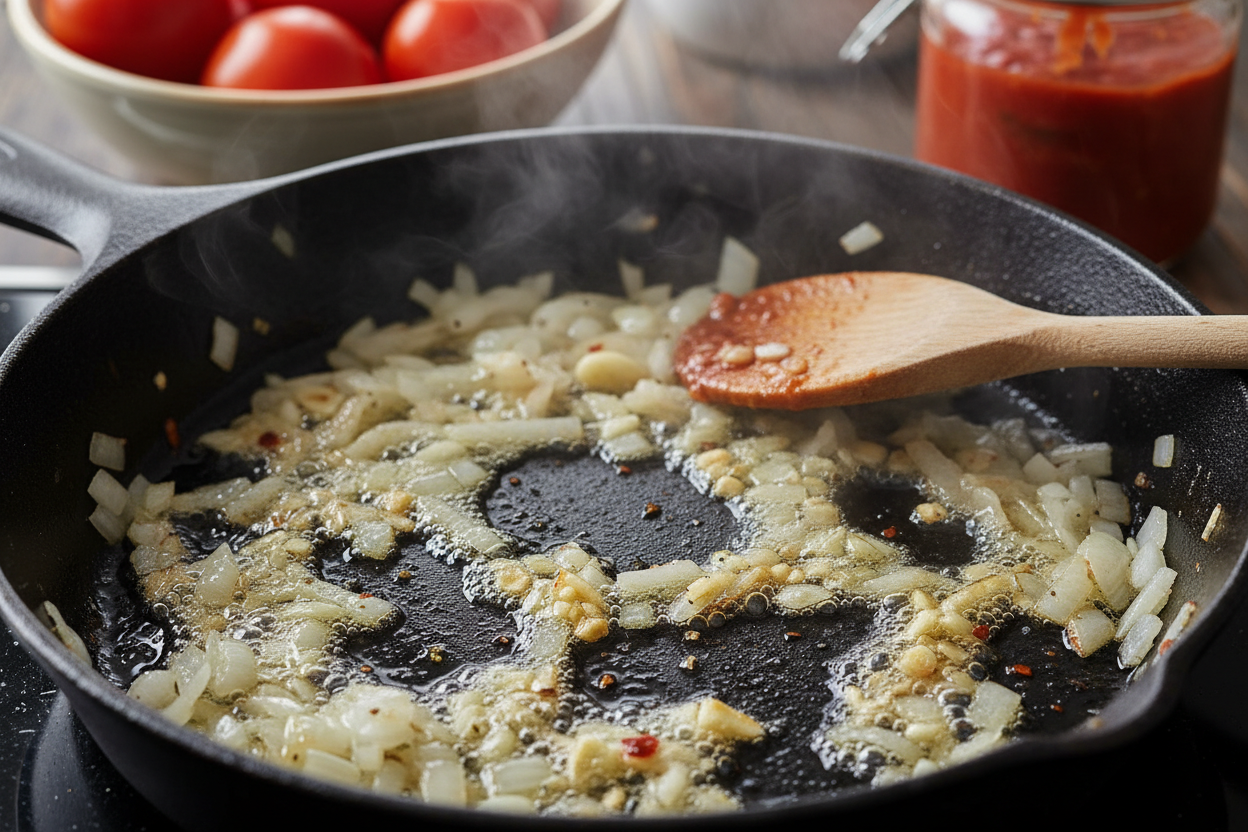
- Begin by heating a tablespoon or two of olive oil in a large, deep skillet or Dutch oven over medium heat.
- Add about one cup of finely diced white onion and cook, stirring occasionally, until softened and translucent, about 5-7 minutes.
- Stir in 3-4 cloves of minced garlic and cook for another minute until fragrant, being careful not to let it brown.
- If using, now is the time to add 1/4 cup of sliced pickled jalapeños (or chiles güeros) and cook for another minute to release their flavors.
2. Simmering the Tomato, Olive, and Caper Sauce
- Pour in two 14.5-ounce cans of diced tomatoes (undrained) or 4 cups of fresh, ripe diced tomatoes. Stir well.
- Add 1/2 cup of pitted green olives (sliced or whole) and 2 tablespoons of capers (drained).
- Season the sauce with 1 teaspoon of dried oregano (Mexican oregano, if you have it), 1/2 teaspoon of cumin, and salt and freshly ground black pepper to taste. A pinch of sugar can also help balance the acidity of the tomatoes.
- Bring the sauce to a gentle simmer, then reduce the heat to low, cover, and let it cook for at least 15-20 minutes. This allows the flavors to meld beautifully and the sauce to thicken slightly. Taste and adjust seasonings as needed.
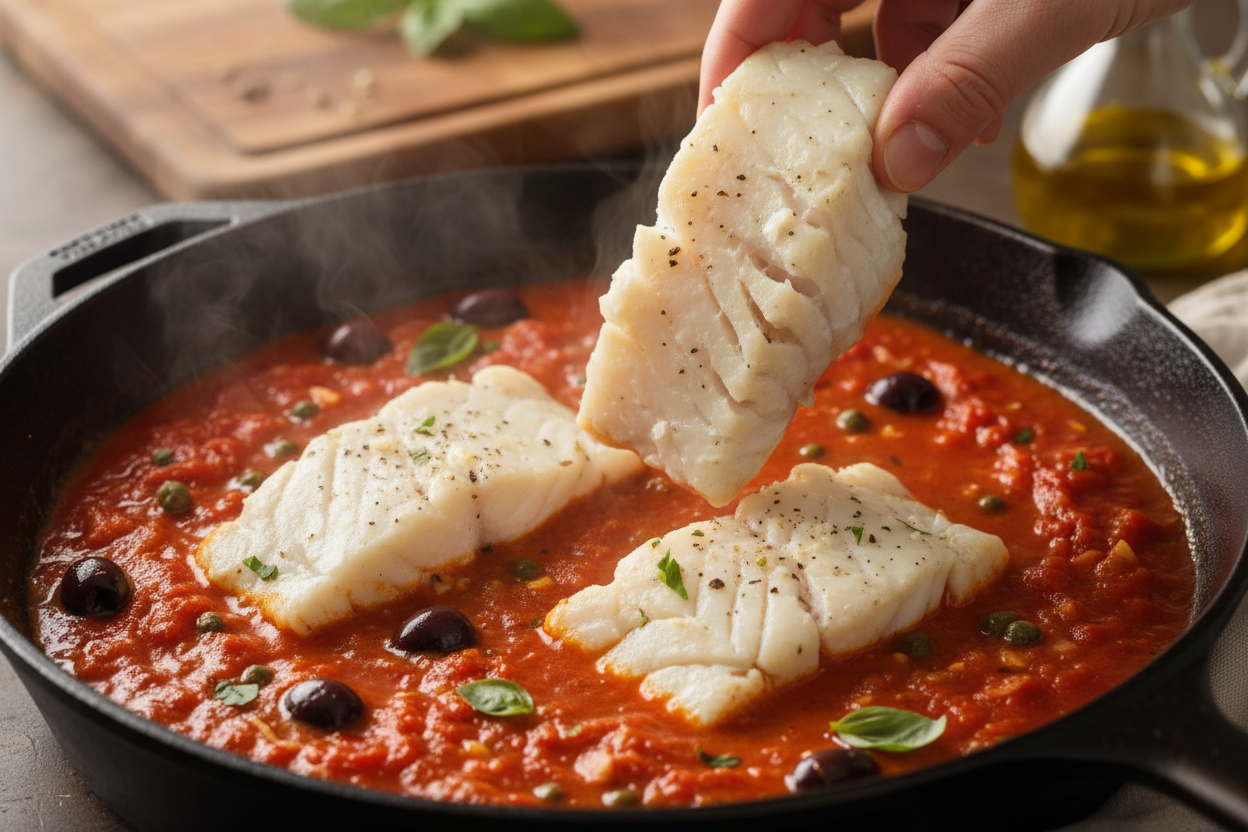
3. Poaching the Fish to Flaky Perfection
- While the sauce is simmering, pat your white fish fillets dry with paper towels. Season both sides lightly with salt and pepper.
- Once the sauce has simmered and is ready, create small wells or indentations in the sauce using the back of a spoon.
- Carefully nestle each fish fillet into the sauce, ensuring it’s partially submerged. If you’re using a whole fish, ensure it’s fully covered by the sauce if possible, or baste frequently.
- Cover the skillet and continue to cook over low heat for 8-12 minutes, depending on the thickness of your fish. The exact cooking time will vary, but generally, fish is done when it flakes easily with a fork and is opaque throughout. Avoid overcooking, as this can make the fish dry.
- Once cooked, carefully transfer the fish and a generous amount of sauce to serving plates. Garnish with fresh cilantro and lime wedges.
Pro Cooking Tips and Variations
While the basic recipe for Veracruz-style fish is fantastic as is, a few tips and variations can elevate your experience and help you adapt it to your preferences.
Using Fresh vs. Canned Diced Tomatoes
For the most vibrant, fresh flavor, especially during peak tomato season, fresh diced tomatoes are unbeatable. They offer a brighter, more pronounced tomato taste. However, don’t shy away from good quality canned diced tomatoes. They are a reliable and convenient option, often picked and canned at their peak ripeness. Fire-roasted diced tomatoes can add a wonderful smoky depth to the sauce when fresh aren’t available. The key is quality – choose a brand you trust for either.
Making It Spicier
If you prefer more heat in your `Mexican seafood dishes`, there are several ways to kick up the spice level:
- Increase Jalapeños: Simply add more pickled jalapeño slices to the sauce. You can also include a bit more of the pickling liquid for extra tang.
- Fresh Chiles: Mince a small serrano pepper or habanero (for serious heat!) and sauté it with the onions and garlic. Be mindful, as these are significantly hotter than jalapeños.
- Chile de Árbol: A few dried chiles de árbol, toasted lightly and then added to the sauce, can impart a deep, smoky heat. Remove them before serving if you don’t want them to break down.
- Hot Sauce at the Table: For individual preference, offer a bottle of your favorite Mexican hot sauce on the side.
Make-Ahead and Meal Prep Suggestions
The beauty of the `tomato olive and caper sauce` is that it can be made in advance. Prepare the sauce up to 2-3 days ahead of time and store it in an airtight container in the refrigerator. When you’re ready to cook, simply reheat the sauce gently on the stovetop, then nestle in your fresh fish fillets and poach as directed. This makes Pescado a la Veracruzana an excellent option for busy weeknights or entertaining, as most of the work can be done beforehand. It reheats well too, making it a fantastic choice for meal prepping `healthy fish dinners` throughout the week.
What to Serve with Veracruz-Style Fish
This flavorful dish is quite substantial on its own, but a few simple accompaniments can round out the meal beautifully and complement its vibrant flavors.
Brown Rice or White Rice
A classic pairing, a simple bed of fluffy rice is perfect for soaking up every last drop of the exquisite sauce. Both brown rice and white rice work wonderfully, offering a neutral canvas that allows the flavors of the fish and sauce to shine. You could even serve it with traditional Mexican red rice for an extra layer of flavor.
Lime Wedges and Fresh Cilantro
A squeeze of fresh lime juice just before eating adds a bright, zesty finish that truly awakens the palate. The acidity complements the richness of the sauce and enhances the flavor of the fish. A sprinkle of freshly chopped cilantro also adds a burst of herbaceous freshness and a beautiful green garnish.
Warm Tortillas
For a truly authentic experience, serve your Veracruz-style fish with warm corn or flour tortillas. They are perfect for scooping up the tender fish and the delectable sauce, turning each bite into a delightful taco-like experience. The simplicity of the tortilla perfectly balances the complex flavors of the dish.
Frequently Asked Questions
Can I bake the fish instead of pan-frying or poaching?
Absolutely! Baking is a fantastic alternative for cooking this Veracruz-style fish, especially if you’re making a larger batch or prefer a hands-off approach. Simply preheat your oven to 400°F (200°C). Place your prepared sauce in a baking dish, then nestle the seasoned fish fillets into the sauce. Bake for 12-18 minutes, or until the fish is opaque and flakes easily with a fork. The exact time will depend on the thickness of your fillets. This method yields wonderfully tender fish and ensures the flavors meld beautifully.
How do I store and reheat leftovers?
Leftover Veracruz-style fish can be stored in an airtight container in the refrigerator for up to 2-3 days. When reheating, gently warm the fish and sauce together in a skillet over low heat on the stovetop, or in the microwave in short bursts, until heated through. Be careful not to overcook the fish during reheating, as it can become dry. Adding a splash of water or broth to the sauce before reheating can help maintain moisture. While best fresh, the flavors of the sauce often deepen beautifully overnight.
If you loved this recipe and want more delicious inspiration, make sure to follow us on Facebook! You can find us at: https://www.facebook.com/profile.php?id=61568538666337
Authentic Pescado a la Veracruzana
Ingredients
- 1.5 lbs White fish fillets Red snapper, cod, or tilapia
- 1 tbsp Olive oil
- 1/2 cup White onion Chopped
- 2 cloves Garlic Minced
- 14.5 oz Diced tomatoes Canned or fresh
- 1/2 cup Green olives Pitted and sliced
- 2 tbsp Capers Drained
- 1 tsp Dried oregano
- 2 whole Bay leaves
- 1/4 cup Pickled jalapeños Sliced
- 1 cup Brown rice Cooked, for serving
- 1 whole Lime Cut into wedges
- 1/4 cup Fresh cilantro Chopped, for garnish
Instructions
- Heat olive oil in a large skillet over medium heat. Add the chopped onion and minced garlic, sautéing until translucent.
- Stir in the diced tomatoes, green olives, capers, dried oregano, bay leaves, and pickled jalapeños. Bring the mixture to a gentle simmer and cook for 10 minutes.
- Season the fish fillets lightly with salt and pepper, then gently nestle them into the simmering tomato sauce.
- Cover the skillet and cook for 6 to 8 minutes, or until the fish is opaque and flakes easily with a fork.
- Remove and discard the bay leaves. Serve the fish and sauce warm over cooked brown rice.
- Garnish with chopped fresh cilantro and a lime wedge before serving.
For more daily recipes and tips, follow us on Facebook!
Click here to join our community!