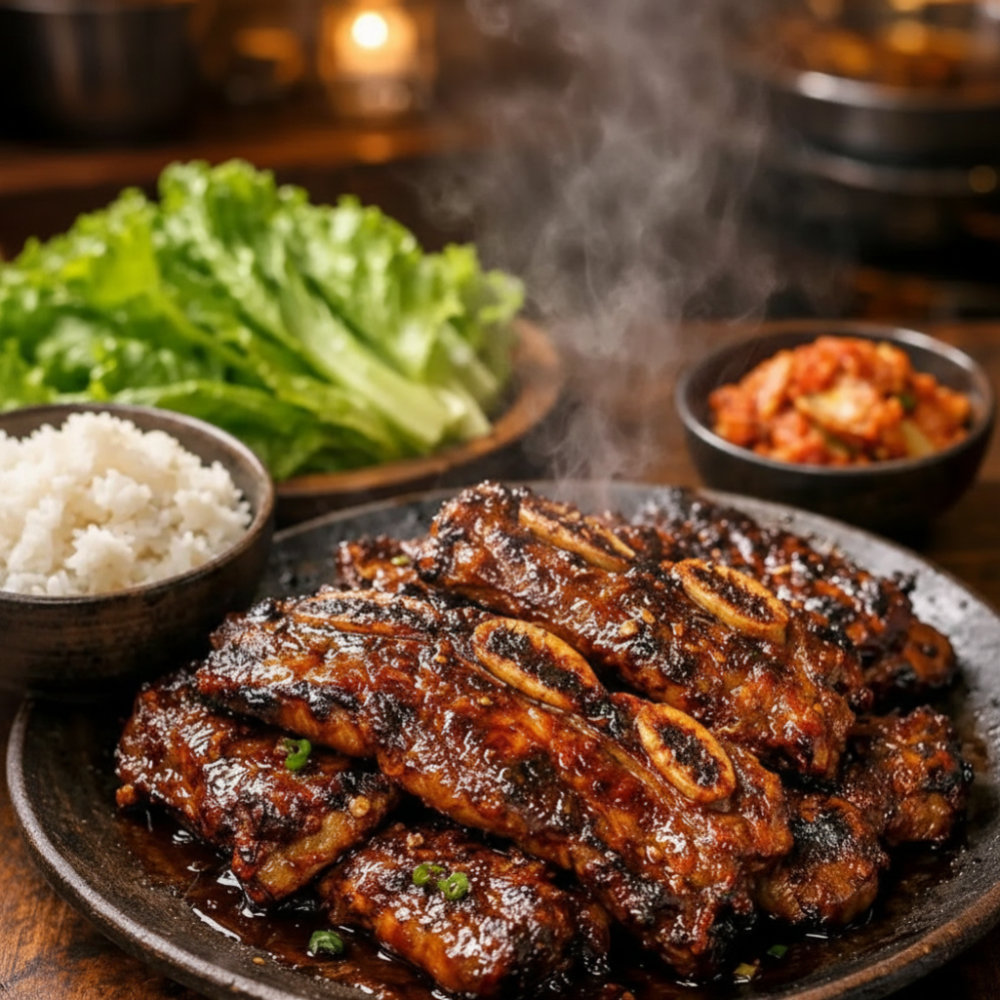
Introduction to Authentic Korean BBQ
There’s something truly special about the sizzle and aroma of a Korean BBQ feast. It’s an experience that transcends mere eating, bringing people together around a shared grill, creating memories with every succulent bite. At the heart of this tradition often lies one of its most beloved dishes: Galbi. This isn’t just a meal; it’s a celebration of bold flavors, tender meat, and a culinary heritage that delights palates worldwide. For those yearning to recreate that authentic taste at home, you’ve come to the right place. We’re about to dive into the art of making Korean Short Ribs Galbi, a dish that epitomizes the perfect balance of sweet, savory, and umami.
What is Galbi?
At its core, Galbi (갈비) simply means “rib” in Korean. When you see it on a menu, it almost always refers to a dish made with grilled beef ribs, marinated in a delicious soy-based sauce. It’s a cornerstone of Korean cuisine, cherished for its incredibly tender texture and a flavor profile that’s both complex and utterly addictive. While often associated with grilling over charcoal for that quintessential smoky char, the beauty of this dish is its versatility; it can be just as magnificent cooked on a stovetop grill pan or even baked in the oven. The secret to its undeniable appeal lies not just in the cooking method, but profoundly in the carefully balanced marinade that transforms ordinary ribs into something extraordinary.
Flanken vs. English Cut Ribs
When preparing your journey to homemade Galbi, understanding the different cuts of ribs is crucial. The most common cut for this dish is what’s known as flanken cut short ribs. These are distinctive for being thinly sliced across the bone, typically about 1/4 to 1/2 inch thick, exposing several small bone segments within each slice. This specific cut is absolutely ideal for Galbi because its thinness allows the marinade to deeply penetrate the meat quickly and evenly, ensuring maximum flavor in every bite. It also cooks rapidly, making it perfect for quick grilling.
In contrast, English cut ribs are thicker, meatier chunks that typically contain one long bone segment per piece. While fantastic for slow-braising applications where you want the meat to fall off the bone after hours of cooking, they are less common for traditional grilled Galbi due to their thickness and longer cooking time required to achieve tenderness. If you can’t find flanken cut short ribs, you might ask your butcher for “LA Galbi style” cuts, which is another common name for the flanken cut, specifically prepared for this beloved LA Galbi recipe. This ensures you get the perfect foundation for truly authentic Korean BBQ beef ribs.
The Secret to the Perfect Galbi Marinade
The magic of Galbi truly begins with its marinade. It’s not just a sauce; it’s a transformative elixir that imbues the beef with its signature sweet, savory, and slightly tangy notes, while also tenderizing the meat to perfection. Crafting the ideal Korean BBQ beef marinade is an art, but one that is easily mastered with a few key ingredients and techniques.
Key Ingredients (Soy Sauce, Asian Pear, Sesame Oil)
The foundation of any great Galbi marinade starts with a balance of essential components:
- Soy Sauce: This provides the crucial umami and savory depth that is characteristic of Korean cuisine. Use a good quality, naturally brewed soy sauce for the best flavor.
- Asian Pear: Often overlooked, this fruit is a true game-changer. It contributes a delicate sweetness that perfectly balances the savory soy, and as we’ll discuss, it’s also a powerful natural tenderizer.
- Garlic & Ginger: These aromatic powerhouses provide a pungent warmth and essential fragrance that no Korean marinade can do without. Fresh is always best!
- Brown Sugar or Honey: To enhance the natural sweetness from the pear and create that irresistible caramelization on the grill.
- Sesame Oil: A finishing touch that adds a nutty, rich aroma and flavor that ties all the elements together beautifully. Don’t skip this!
- Mirin (Rice Wine): Adds a subtle sweetness and helps to cut any strong meat odors, contributing to the overall balance.
- Black Pepper: For a hint of warmth and spice.
- Onion: Often blended into the marinade, it adds another layer of subtle sweetness and aromatic depth.
Why the Asian Pear is Crucial for Tenderizing
Among the list of ingredients, the Asian pear stands out as a superstar. Beyond its delightful sweetness, the Asian pear contains natural enzymes, specifically calpain, which act as a fantastic natural tenderizer for meat. These enzymes work to break down the tough muscle fibers in the beef without turning it mushy, resulting in incredibly succulent and tender ribs that practically melt in your mouth. This enzymatic action is far superior to chemical tenderizers and provides a more subtle, natural effect.
“The Asian pear isn’t just for sweetness; it’s the unsung hero of tender Galbi. Its natural enzymes work wonders, ensuring every bite is melt-in-your-mouth perfection without overpowering the other delicate flavors.” – Chef Mina Kim
When preparing your marinade, make sure to grate or blend a good portion of the Asian pear into the mixture. This ensures maximum contact between the enzymes and the beef, allowing them to do their magical work. This attention to detail is what truly elevates homemade Galbi from good to absolutely unforgettable, creating a rich and flavorful soy pear glaze for ribs that is truly irresistible.
How to Make Korean Short Ribs Galbi at Home
Now for the exciting part! Let’s get down to the step-by-step process of bringing this beloved dish to life in your own kitchen. Remember, patience with the marinating time is key for truly flavorful ribs.
Step 1: Prepping the Beef Short Ribs
- Rinse and Dry: Gently rinse your flanken cut short ribs under cold water to remove any bone fragments or impurities. Pat them thoroughly dry with paper towels. Excess moisture can dilute your marinade and hinder proper browning.
- Scoring (Optional but Recommended): For thicker cuts, or if you want to ensure maximum marinade penetration and prevent the ribs from curling too much during cooking, you can lightly score the meat against the grain in a crosshatch pattern. Be careful not to cut too deeply.
- Trim Excess Fat: While some fat is good for flavor, trim any large, excessive pieces of fat from the edges of the ribs. This prevents unwanted grease and helps the marinade adhere better.
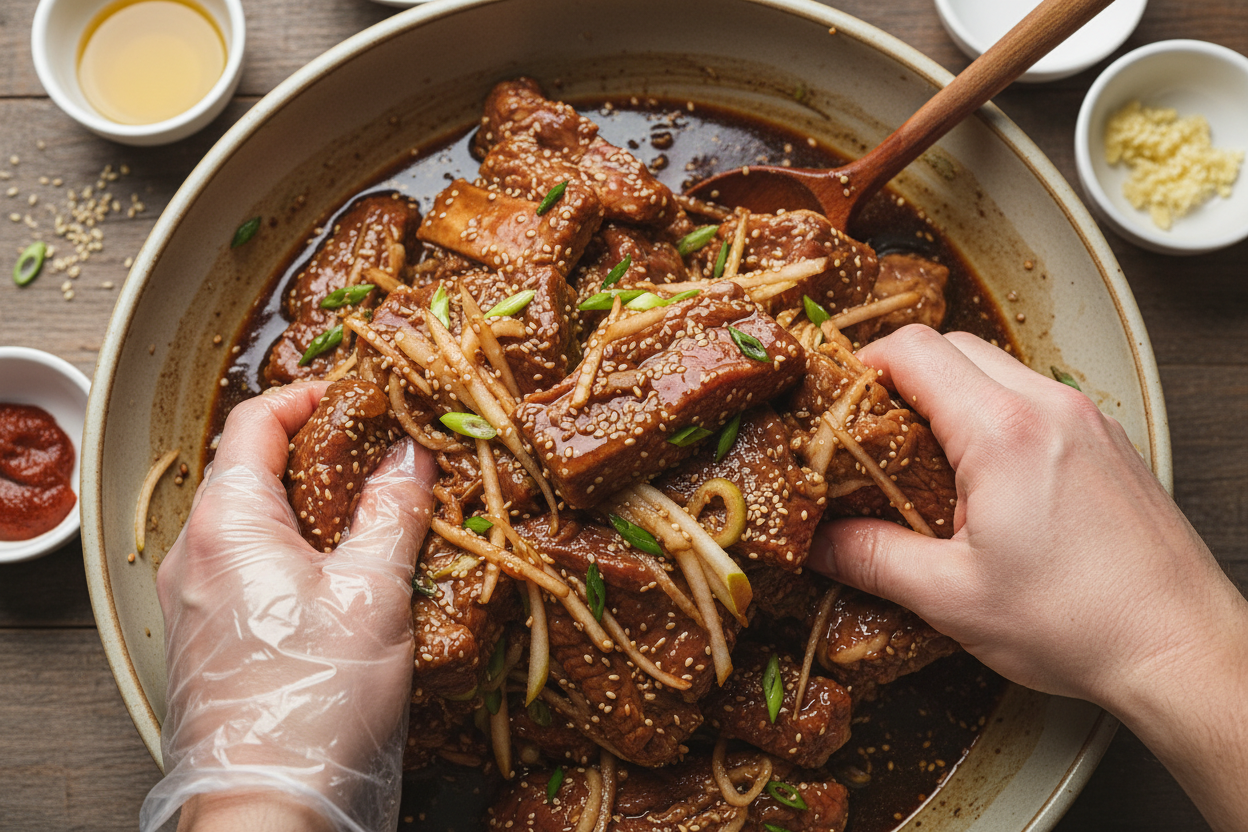
Step 2: Mixing the Sweet & Savory Glaze
This is where the magic happens! Gather your ingredients and create that perfect balance of flavors.
- Combine Liquids: In a large bowl, whisk together 1/2 cup soy sauce, 1/4 cup mirin, 2 tablespoons sesame oil, and 2 tablespoons brown sugar (or honey).
- Add Aromatics: Grate 1/2 an Asian pear, 4-5 cloves of garlic, and a 1-inch piece of ginger directly into the bowl. You can also blend these with a small piece of onion in a food processor until smooth for a more uniform marinade.
- Season: Stir in 1/2 teaspoon black pepper. Taste the marinade and adjust sweetness or saltiness if needed, remembering it will mellow slightly as it penetrates the beef.
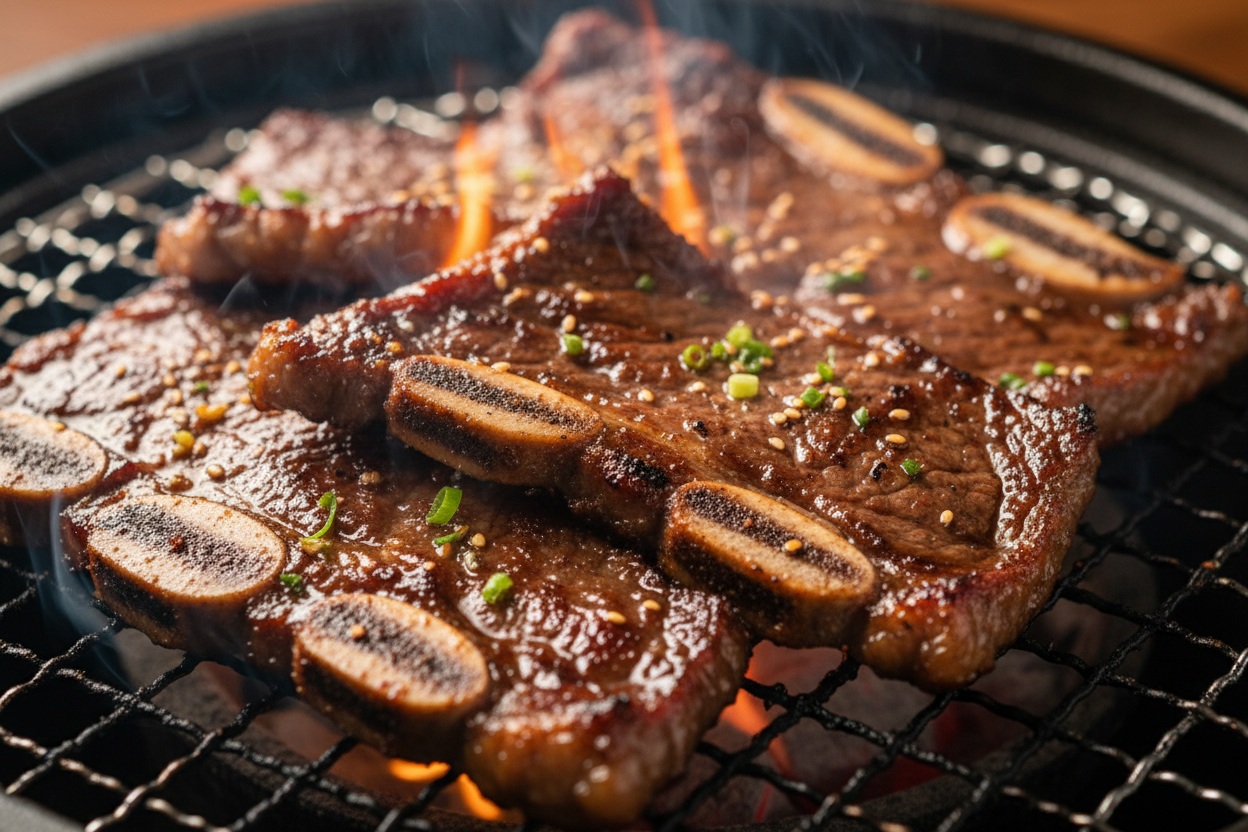
Step 3: Marinating for Maximum Flavor
- Submerge the Ribs: Place the prepped beef short ribs into a large, non-reactive bowl or a resealable freezer bag. Pour the freshly made marinade over the ribs, ensuring every piece is thoroughly coated.
- Massage: Gently massage the marinade into the ribs with your hands. This helps the flavors to penetrate the meat fibers more effectively.
- Refrigerate: Cover the bowl or seal the bag and refrigerate for at least 4 hours, but ideally 12-24 hours for the most profound flavor and tenderizing effect. The longer the marination, the more tender and flavorful your Galbi will be. Do not marinate for longer than 24 hours, as the enzymes in the pear can start to break down the meat too much.
Step 4: Grilling to Perfection
The cooking method is key to achieving that signature caramelization and tender finish. While grilling over charcoal is traditional, here are options for cooking your Galbi.
- Prepare Your Grill: If using an outdoor grill (charcoal or gas), preheat it to medium-high heat (around 400-450°F / 200-230°C). Clean the grates thoroughly and oil them well to prevent sticking. For a stovetop grill pan, heat it over medium-high heat until smoking lightly, then add a touch of oil.
- Cook the Ribs: Remove the ribs from the marinade, letting any excess drip off (do not wipe it clean!). Place the ribs on the hot grill or grill pan. Cook for 2-4 minutes per side, depending on thickness and your desired doneness. You’re looking for beautiful caramelization and a slight char on the edges. The thinner flanken cut short ribs cook quite quickly. If you’re wondering how to cook Galbi on stove, the grill pan method works wonderfully, just ensure you don’t overcrowd the pan. Cook in batches if necessary.
- Rest: Once cooked, transfer the ribs to a cutting board or platter. Tent loosely with foil and let them rest for 5 minutes. This allows the juices to redistribute, ensuring tender and moist meat.
Serving Suggestions for Korean BBQ
Galbi is rarely served alone. It’s part of a vibrant culinary experience, often accompanied by an array of fresh vegetables and flavorful side dishes that complement its rich taste.
Classic Ssam (Lettuce Wraps)
One of the most enjoyable ways to eat Galbi is Ssam (쌈), which literally means “wrap.” It’s an interactive and customizable experience that adds freshness and crunch to every bite.
- Lettuce: Offer a variety of fresh, crisp lettuce leaves such as red leaf, green leaf, or romaine.
- Rice: A bowl of freshly steamed white rice is essential for building your wraps.
- Ssamjang: This savory, spicy, and slightly sweet dipping sauce (a mix of gochujang, doenjang, garlic, sesame oil, and often chopped onion) is a must-have.
- Raw Garlic & Green Chilies: Thinly sliced raw garlic and green chilies (like serrano or jalapeño for a kick) are common additions for those who enjoy bold flavors.
- Kimchi: A small dollop of kimchi adds a fermented, spicy, and tangy contrast.
To eat, place a piece of cooked Galbi on a lettuce leaf, add a dab of rice, a tiny bit of ssamjang, and any other desired toppings. Wrap it up tightly and enjoy in one delicious bite!
Essential Banchan (Side Dishes like Kimchi)
No Korean meal, especially BBQ, is complete without a spread of Banchan (반찬) – a variety of small, shareable side dishes. These add texture, flavor, and balance to the meal.
- Kimchi: The undisputed king of banchan. Fermented spicy cabbage offers a fantastic counterpoint to the rich beef.
- Kongnamul Muchim (Seasoned Soybean Sprouts): Light, crunchy, and refreshing.
- Sigeumchi Namul (Seasoned Spinach): A simple yet delicious sesame-seasoned spinach dish.
- Gyeran Jjim (Steamed Egg Custard): A fluffy, savory steamed egg dish that’s incredibly comforting.
- Pajeori (Spicy Green Onion Salad): A zesty, slightly spicy salad that cuts through the richness of the meat.
- Pickled Radish or Cucumber: Adds a tangy, refreshing crunch.
Offering a colorful array of banchan not only enhances the dining experience but also provides a range of nutritional benefits and flavors that make each bite of your authentic Korean beef ribs truly memorable.
Storage and Reheating Tips
If you’re lucky enough to have leftovers (a rare occurrence with Galbi!), here’s how to store and reheat them to maintain their deliciousness:
- Storage: Allow cooked Galbi to cool completely. Store in an airtight container in the refrigerator for up to 3-4 days. You can also freeze cooked ribs for up to 2-3 months in a freezer-safe bag or container.
- Reheating:
- Stovetop: The best method for reheating. Heat a non-stick pan or cast-iron skillet over medium heat. Add a tiny splash of water or broth to create steam, then add the ribs and heat for a few minutes per side until warmed through. This helps prevent them from drying out.
- Oven/Toaster Oven: Preheat to 300°F (150°C). Place ribs on a baking sheet, cover loosely with foil, and heat for 10-15 minutes until warmed.
- Microwave: While convenient, this can sometimes make the ribs a bit chewy. Heat in short bursts (30-60 seconds) until just warm.
Frequently Asked Questions
Here are some common questions people ask when making Korean Short Ribs Galbi at home:
Q: Can I use a different type of pear if I can’t find Asian pear?
A: While Asian pear is ideal, you can substitute with a Bosc or Forelle pear. Just be aware that their enzyme content might be slightly less, and the sweetness profile could differ a little. Never use pineapple or kiwi, as their enzymes are too strong and can turn the meat mushy quickly.
Q: What if my ribs are thicker than flanken cut?
A: If your ribs are thicker (more like a conventional short rib, but still with some meat on top), you can butterfly them or slice them thinner yourself. This allows better marinade penetration and quicker cooking. Otherwise, braising would be a more suitable cooking method for very thick cuts, but it wouldn’t be traditional grilled Galbi.
Q: Can I prepare the marinade ahead of time?
A: Yes, you can mix the marinade ingredients a day or two in advance and store it in an airtight container in the refrigerator. This can actually help the flavors meld even further.
Q: Is Galbi spicy?
A: Traditional Galbi itself is not inherently spicy; its flavor profile is sweet and savory. Any spice usually comes from accompaniments like kimchi, gochujang, or ssamjang served alongside. You can add a pinch of gochugaru (Korean chili powder) to your marinade if you prefer a spicier kick.
Q: What’s the best way to get a good char without burning?
A: Preheat your grill or grill pan sufficiently to medium-high heat. Ensure your ribs are patted dry before marinating and again before grilling. Don’t crowd the cooking surface, which can lower the temperature and steam the meat instead of searing it. A good oil on the grates also helps achieve a beautiful char without sticking.
There you have it – your comprehensive guide to creating truly delicious and authentic Korean Short Ribs Galbi right in your own kitchen. It’s a dish that promises to impress, satisfy, and bring a taste of Korea to your table. Happy cooking!
For more delicious recipes and cooking tips, make sure to follow us on Facebook at https://www.facebook.com/profile.php?id=61568538666337!
Authentic Korean Short Ribs (Galbi)
Ingredients
- 3 lbs Beef short ribs Flanken cut, about 1/4 inch thick
- 1/2 cup Soy sauce Low sodium preferred
- 1/2 cup Brown sugar Packed
- 1/2 cup Water
- 2 tbsp Sesame oil Toasted
- 2 tbsp Garlic Finely minced
- 1/2 Asian pear Peeled and grated
- 3 Green onions Thinly sliced
- 1 head Lettuce Washed, for wrapping
- 1 cup Kimchi For serving
Instructions
- Rinse the beef short ribs under cold water to remove any bone fragments, then pat them completely dry with paper towels.
- In a large bowl, whisk together the soy sauce, brown sugar, water, sesame oil, minced garlic, grated Asian pear, and sliced green onions to create the marinade.
- Add the ribs to the marinade, ensuring each piece is fully coated. Cover the bowl and refrigerate for at least 4 hours, or overnight for the most tender results.
- Preheat your grill or indoor grill pan to medium-high heat.
- Remove the ribs from the marinade, shaking off any excess liquid. Grill for 3 to 4 minutes per side until beautifully caramelized and cooked through.
- Serve hot alongside white rice, fresh lettuce leaves for wrapping, and a side of kimchi.
For more daily recipes and tips, follow us on Facebook!
Click here to join our community!