
In an era where sustainability, self-reliance, and conscious consumption are gaining immense traction, the art of creating pantry staples from scratch is experiencing a well-deserved resurgence. Among the most versatile and valuable additions to any homestead or emergency food supply is homemade powdered milk. Imagine a world where you never run out of milk, even when the grocery store shelves are bare, or you need a lightweight, shelf-stable option for camping or long-term storage. This comprehensive guide will walk you through the fascinating process of transforming fresh milk into its dry, granular form, offering an incredible way to reduce food waste, save money, and enhance your emergency preparedness.
Dehydrating milk is a fantastic food preservation method that allows you to capture the nutritional essence of dairy in a compact, durable format. It’s a journey into culinary dehydration that promises both practical benefits and immense satisfaction. Let’s dive in and unlock the secrets to making milk powder from scratch.
The Science Behind Dehydrating Milk
Understanding the fundamental principles of milk dehydration is key to achieving a high-quality, shelf-stable product. The primary goal is to remove as much water content as possible, which inhibits microbial growth and enzyme activity, the main culprits behind spoilage.
Whole Milk vs. Skim Milk: Understanding Fat Content and Rancidity
When considering which type of milk to use for DIY dry milk, the fat content is the most crucial factor. While tempting to use rich whole milk, its higher fat content makes it significantly more prone to rancidity over time. Fat can oxidize, leading to off-flavors and odors, even in a dehydrated state.
-
Why skim milk is preferred for long-term storage: Skim milk, with its minimal fat, is the ideal choice for creating powdered milk intended for extended storage. It dehydrates more efficiently and offers a significantly longer shelf life, typically between 12-18 months when stored correctly.
-
Shelf life expectations for whole milk powder: If you opt to dehydrate whole milk, be aware that its powdered form will have a much shorter shelf life, usually around 3 months, even under optimal storage conditions. It’s best used quickly or reserved for immediate consumption.
For the best results and truly reliable emergency food storage, we highly recommend using skim milk for your homemade powdered milk recipe.
Essential Equipment
Gathering the right tools before you begin will make the process of making milk powder from scratch much smoother and more efficient. While specialized equipment can help, much of what you need might already be in your kitchen.
-
Heavy-bottomed or non-stick pot: This is absolutely crucial to prevent the milk from scorching and sticking to the bottom during the reduction phase. A thick base distributes heat evenly.
-
Silicone spatula: Essential for constant stirring, ensuring the milk doesn’t burn and the solids don’t clump.
-
Baking sheet/parchment paper or Dehydrator: For drying the milk paste. Parchment paper prevents sticking and makes cleanup easier.
-
Food processor, spice grinder, or mortar and pestle: To grind the dried milk solids into a fine powder. A high-speed blender can also work.
-
Fine-mesh sieve: For sifting the powdered milk, removing any remaining clumps and ensuring a smooth, uniform texture.
Step-by-Step: How to Make Powdered Milk
The process of creating homemade powdered milk is a labor of love that involves patience and attention to detail. Follow these steps for a successful batch of DIY dry milk.
1. The Reduction Phase: Simmering Milk to Evaporate Water Content
This is where the magic begins. Pour your skim milk into your heavy-bottomed pot. Bring it to a gentle simmer over medium-low heat. The goal here is to slowly evaporate the water content. Constant stirring with your silicone spatula is paramount to prevent scorching. Do not boil vigorously; a gentle simmer is all you need. This phase can take several hours, depending on the volume of milk you’re reducing. Watch as the milk thickens and reduces in volume.
2. The Paste Stage: Identifying the Right Consistency
As the water evaporates, the milk will transform into a thick, creamy paste. You’ll know it’s ready when it has the consistency of a thick pudding or a very soft cream cheese. It should be able to hold its shape somewhat on the spatula. At this point, carefully remove the pot from the heat.
3. Drying Methods
Once you have your milk paste, it’s time to thoroughly dry it. The key is to remove every last bit of moisture to ensure a long powdered milk shelf life.
-
Oven Method: Preheat your oven to its lowest possible setting, ideally around 150-170°F (65-77°C). Spread the milk paste thinly and evenly onto a baking sheet lined with parchment paper. Place it in the oven, leaving the oven door ajar a few inches to allow moisture to escape (ventilation is key!). Stir or flip the drying paste every hour or so to promote even drying. This can take 4-8 hours.
-
Air Drying: For this method, you need a very dry, low-humidity environment with good airflow. Spread the paste thinly on parchment-lined trays and place them in an area with a fan blowing directly over them. This method is slower, potentially taking 24-48 hours or more, and is best suited for arid climates.
-
Dehydrator Method (Optional Variation): This is arguably the most efficient and reliable method. Spread the milk paste thinly on dehydrator trays lined with non-stick sheets or parchment paper. Set your dehydrator to 125-135°F (52-57°C). The drying time will vary by dehydrator and thickness of the paste, but typically takes 6-12 hours. The milk should be completely brittle and snap easily when dry.
Regardless of the method, the milk paste must be bone-dry. Any residual moisture will lead to clumping and spoilage.
4. Grinding and Sifting: Achieving a Fine, Commercial-Grade Texture
Once your milk solids are completely dry and brittle, break them into smaller pieces. Transfer these pieces to your food processor, spice grinder, or use a mortar and pestle. Process until you achieve a very fine, powdery consistency, similar to commercial powdered milk. Work in batches if necessary to avoid overheating your equipment.
Finally, pass the ground powder through a fine-mesh sieve. This step removes any larger pieces or clumps, ensuring a uniform texture. Any remaining large bits can be re-ground. You now have your very own homemade powdered milk!
Storage Best Practices
Proper storage is paramount for maximizing the powdered milk shelf life and maintaining its quality. Treat your shelf-stable dairy with care to ensure it’s ready when you need it.
-
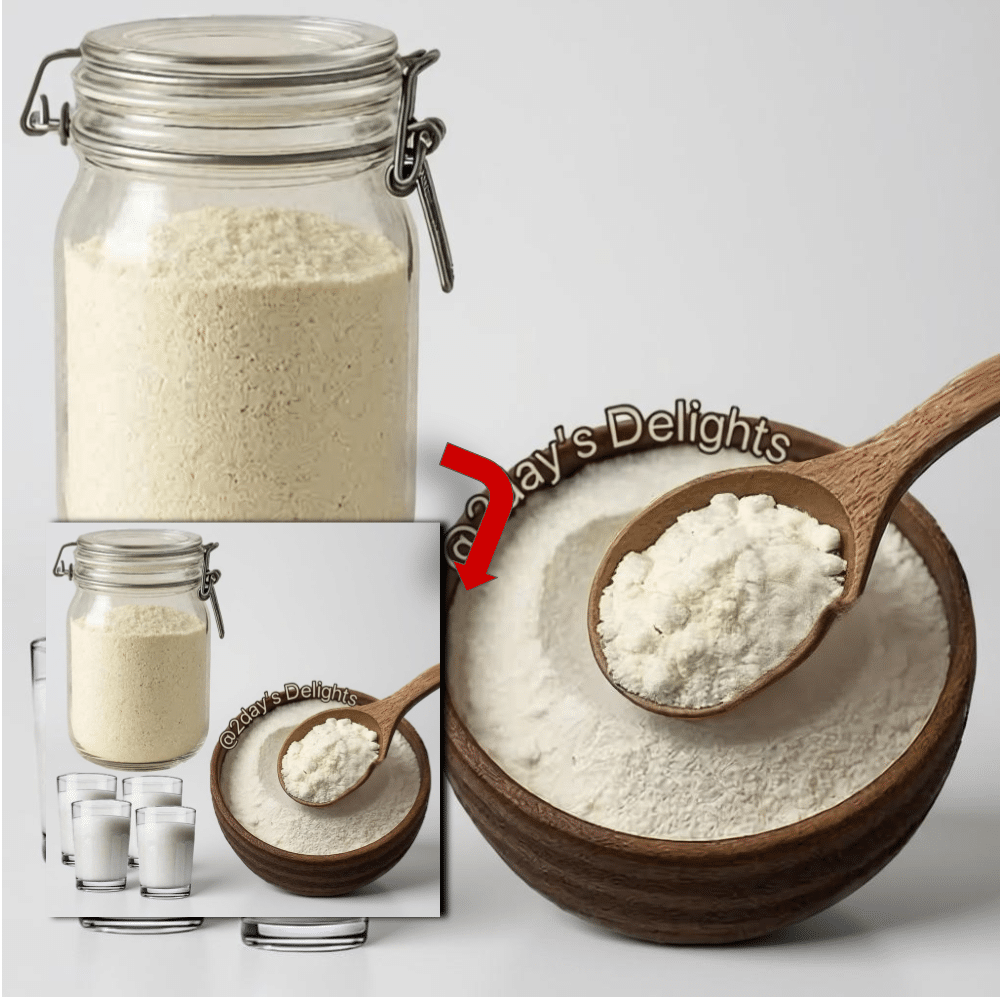
The importance of airtight containers: Oxygen and moisture are the enemies of powdered milk. Store your DIY dry milk in truly airtight containers such as Mason jars with tight-fitting lids or Mylar bags sealed with an impulse sealer.
-
Using desiccants (silica gel packs) to control moisture: For an extra layer of protection, place a food-safe desiccant pack (like silica gel or oxygen absorbers) inside your container. These will absorb any residual moisture and oxygen, significantly extending freshness.
-
Vacuum sealing for extended freshness: For the ultimate long-term storage, consider vacuum sealing your powdered milk. This removes virtually all oxygen, dramatically slowing down degradation.
-
Storing in cool, dark places or the freezer: Always store your powdered milk in a cool, dark place, away from direct sunlight and heat. A pantry, cellar, or even the freezer can provide optimal conditions. Freezing can further extend the shelf life, especially for whole milk powder.
By following these guidelines, your homemade powdered milk will remain fresh and potent for months, or even over a year for skim milk powder, making it an excellent component of your emergency food storage.
How to Reconstitute and Use
Reconstituting your homemade powdered milk is simple, making it incredibly versatile for various culinary uses.
The Golden Ratio: 1 Part Powder to 4 Parts Water
Generally, a good starting point is to mix 1 part powdered milk with 4 parts water. For example, if you want 1 cup of liquid milk, mix 1/4 cup of powdered milk with 3/4 cup of water. You can adjust this ratio slightly to your preference for richness.
Tips for Preventing Clumps (Warm Water vs. Cold Water)
To prevent clumping, especially with more challenging powders, here are some tips:
-
Start with a small amount of water: Mix the powder with a small amount of water first to create a smooth paste, then gradually add the rest of the water while stirring.
-
Use warm water: While cold water works, slightly warm water can help the powder dissolve more easily and prevent clumping. Avoid hot water, as it can sometimes cook the milk proteins.
-
Whisk vigorously: A whisk or even a blender can help achieve a smooth, lump-free consistency when reconstituting dry milk.
Culinary Uses Beyond Drinking: Baking, Smoothies, Coffee Creamer, and Soup Thickeners
Beyond simply drinking it, homemade powdered milk has a myriad of culinary dehydration applications:
-
Baking: Add it directly to your dry ingredients in recipes for bread, cakes, and cookies. It enhances flavor and tenderness.
-
Smoothies: Boost the protein and creaminess of your morning smoothie without adding extra liquid.
-
Coffee creamer: A pinch stirred into your coffee provides a convenient, dairy-rich creaminess on the go.
-
Soup thickeners: Whisk it into broths and sauces to add body and a subtle creamy texture without curdling.
-
Camping/Travel: Lightweight and non-perishable, it’s perfect for outdoor adventures.
This skim milk powder recipe opens up a world of possibilities for your kitchen.
Troubleshooting Common Issues
Even seasoned home dehydrators can encounter challenges. Here’s how to address some common issues when making your own powdered milk.
-
Burnt Taste: Managing Heat Levels During Reduction: A burnt taste is almost always due to the milk scorching at the bottom of the pot. To prevent this, always use a heavy-bottomed or non-stick pot, keep the heat on medium-low, and stir constantly, especially as the milk thickens.
-
Clumping: Ensuring the Paste is 100% Dry Before Grinding: If your powdered milk is clumpy even after grinding and sifting, it means there was still moisture present in the dried milk solids. Extend the drying time until the milk paste is completely brittle and snaps when bent. You can also re-dry clumpy powder in a low oven or dehydrator before re-grinding.
-
Discoloration: Why Milk Turns Yellow (Maillard Reaction) and How to Minimize It: Sometimes, the dried milk might have a slightly yellowish or tan hue. This is often due to the Maillard reaction, a chemical reaction between amino acids and reducing sugars that gives browned food its distinctive flavor. While not harmful, it can be minimized by keeping drying temperatures lower (around 125-135°F) and ensuring adequate ventilation during the drying process. A slightly yellow color is generally acceptable and doesn’t affect usability.
Frequently Asked Questions (FAQ)
Can I use plant-based milk?
Yes, many plant-based milks like oat, soy, or almond milk can be dehydrated into powders using similar methods. However, the fat content and specific proteins in each will affect the drying time, texture, and shelf life. Results can vary, and extensive testing is recommended for best results with each type.
How can I tell if my powdered milk has gone bad?
Signs that your homemade powdered milk has spoiled include a noticeable off-odor (rancid, sour, or cheesy), a significant change in color (darker yellow or brown), or the presence of mold. Properly stored skim milk powder should not exhibit these signs for 12-18 months.
Is it cheaper to make or buy?
The cost-effectiveness of making homemade powdered milk versus buying it depends on several factors, including the price of fresh milk in your area, the cost of electricity or gas for drying, and your equipment. For those who frequently have excess fresh milk or want a specific quality/type not readily available, making it can be very cost-effective and provides peace of mind regarding ingredients. The initial investment in equipment might be a factor, but the long-term savings and benefits of emergency food storage often outweigh this.
Mastering the art of homemade powdered milk is a rewarding skill that enhances your kitchen’s capabilities and your family’s preparedness. It’s a testament to the power of traditional food preservation methods, empowering you to create delicious, shelf-stable dairy anytime you need it. Embrace this journey of self-sufficiency and enjoy the incredible versatility of your own DIY dry milk!
For more innovative food preservation tips, DIY pantry staples, and culinary inspiration, be sure to follow us on Facebook! You can find us at https://www.facebook.com/profile.php?id=61568538666337. We can’t wait to connect with you!
Homemade Powdered Milk
Ingredients
- 4 cups (32 oz) Milk (Whole or Skim) Skim milk is recommended for longer shelf life (12-18 months) compared to whole milk (3 months).
- 1/4 cup Powdered Milk (yield) Approximate yield per cup of liquid milk used.
- 1 cup Warm Water Required only for reconstitution.
Instructions
- Pour the milk into a heavy-bottomed or non-stick pot.
- Heat the milk over medium-high heat, stirring occasionally until it begins to simmer.
- Reduce the heat to medium once simmering. Continue stirring frequently to prevent scorching as the mixture thickens and becomes creamy.
- Lower the heat further as the volume decreases. Stir constantly until the liquid evaporates and a thick paste forms.
- Remove the pot from the heat immediately.
- Spread the milk paste thinly and evenly onto a baking tray lined with parchment paper.
- Dry the paste in an oven preheated to 65-70ºC (149-158ºF) with the door slightly ajar to release steam, or let it air dry in a well-ventilated area until completely brittle.
- Place the dried solids into a food processor or spice grinder.
- Pulse until a fine powder forms.
- Pass the powder through a fine-mesh sieve to remove any remaining large granules.
- Store in an airtight container in a cool, dark place.
For more daily recipes and tips, follow us on Facebook!
Click here to join our community!