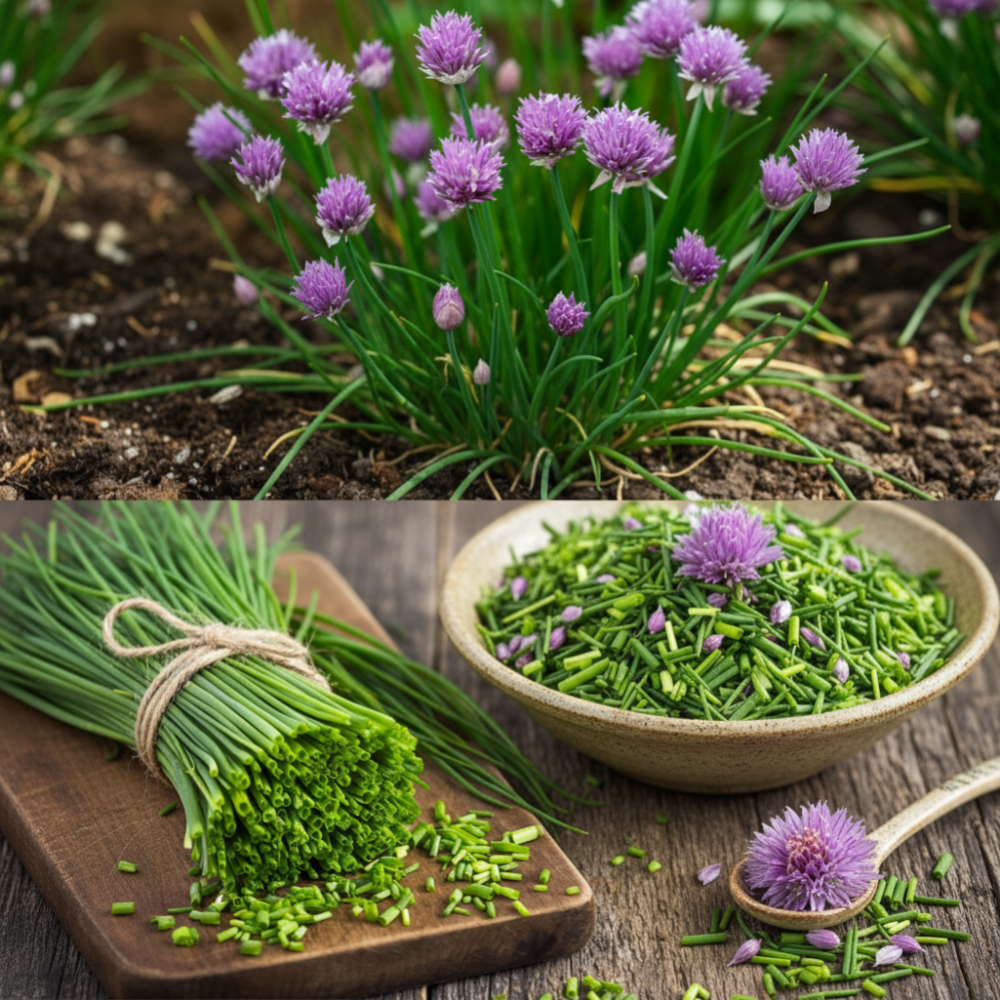
Cultivating herbs at home ensures a steady supply of fresh flavors for your cooking. Chives, a member of the Allium family, are incredibly resilient and perfect for both beginners and experienced gardeners. Learning to grow, harvest, and dry chives allows you to enjoy their mild onion flavor year-round, making them a staple in any home herb garden. This guide will walk you through everything from planting to preserving fresh herbs, ensuring a continuous supply of this versatile ingredient.
Planting and Caring for Chives
Chives (Allium schoenoprasum) are a low-maintenance herb, making them an excellent choice for any gardener. They thrive in various conditions and can be grown in pots or directly in the ground.
- Soil and Sunlight: For optimal growth, chives prefer well-draining soil rich in organic matter. A pH between 6.0 and 7.0 is ideal. They require at least 6 hours of direct sunlight per day, though they can tolerate partial shade, which might result in slightly less vigorous growth. If growing indoors, place them near a sunny window.
- Watering Routine: Chives need consistent moisture, especially during dry spells. Water thoroughly when the top inch of soil feels dry to the touch. Avoid overwatering, as this can lead to root rot. Good drainage is key to maintaining the right moisture balance without waterlogging the roots.
The Best Time to Harvest Fresh Chives
Regular harvesting not only provides you with fresh herbs but also encourages the plant to produce more foliage, ensuring a bushy and productive plant. Knowing the correct herb harvesting techniques is crucial for the plant’s health and your culinary needs.
- When to Cut: Begin harvesting once your chive plants are well-established and at least 6 inches tall. This usually occurs about 60 days after planting seeds or 30 days after planting established starts. Harvest frequently throughout the growing season.
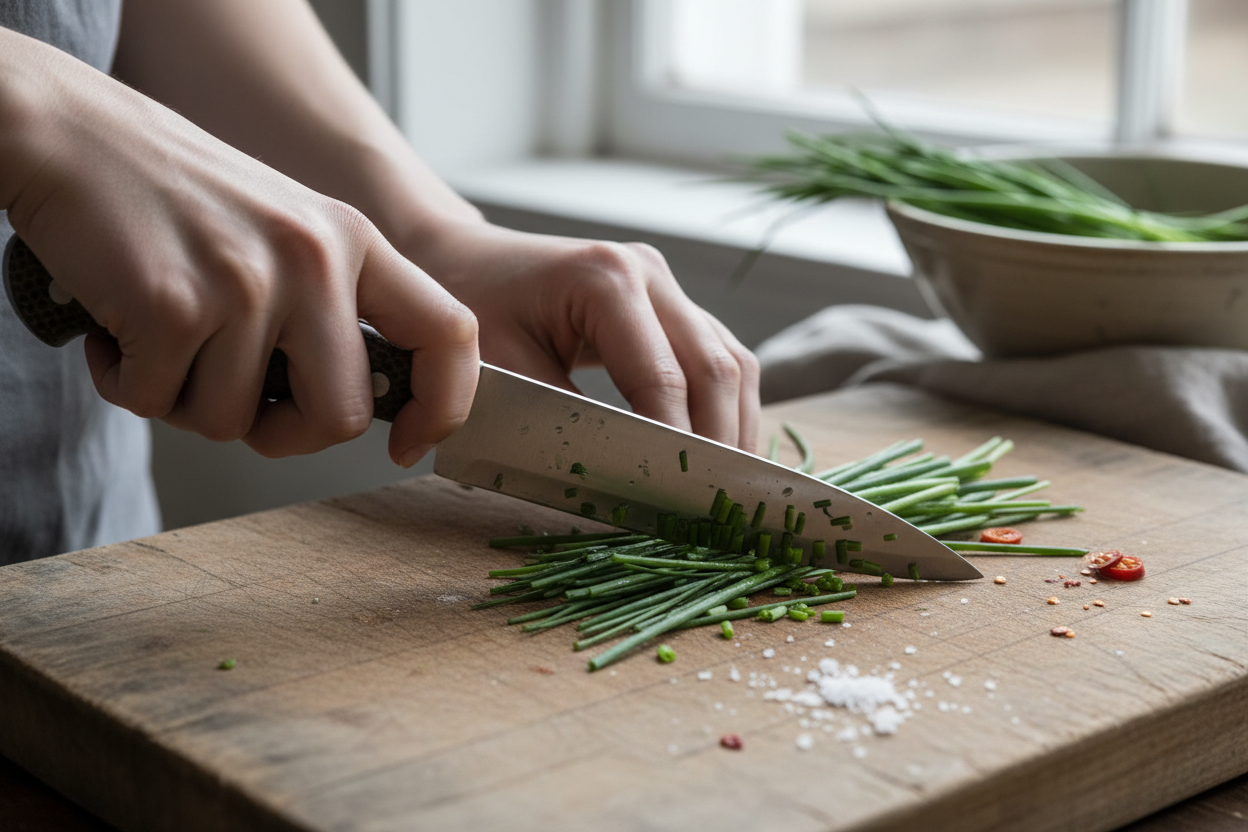
- How to Cut: Use clean, sharp kitchen shears or a knife to snip the leaves. Cut them about 1 to 2 inches from the base of the plant. Avoid cutting the entire plant down; instead, select outer stalks to encourage new growth from the center. This method of cutting chives helps maintain the plant’s vigor.
- Chive Flowers: In late spring or early summer, chives produce beautiful, edible chive blossoms. These purple flowers have a milder onion flavor than the leaves and add a delicate touch to salads or can be used to infuse vinegars. Harvest them just as they open for the best flavor and appearance. Removing the flowers also directs the plant’s energy back into leaf production.
3 Methods for Drying Chives at Home
Preserving your harvest allows you to enjoy the mild onion flavor year-round. Drying is an effective way of preserving fresh herbs, retaining much of their taste and aroma for later use.
Method 1: Air Drying
This traditional method is simple and requires minimal equipment, making it an excellent choice for drying chives. It is a gentle form of air drying herbs that preserves their delicate flavor.
- Gather small bunches of chives, approximately 10-15 stalks per bundle.
- Tie them together securely at the stem end with twine or a rubber band.
- Hang the bundles upside down in a clean, dry, well-ventilated room. An attic, pantry, or even a corner of your kitchen away from direct sunlight works well.
- Ensure there is good air circulation around each bundle to prevent mold.
- The process typically takes about 1 to 2 weeks, depending on humidity levels. The chives are fully dry when they are brittle and crumble easily.
Method 2: The Dehydrator
Using a food dehydrator offers a controlled environment for dehydrating chives, resulting in a consistent and quick drying process.
- Wash and thoroughly dry your fresh chives. Pat them completely dry with a clean towel.
- Finely chop the chives to ensure even drying.
- Spread the chopped herbs in a single layer on your dehydrator trays, ensuring they do not overlap too much.
- Set your dehydrator to its lowest temperature, typically around 95°F (35°C).
- Dry for 2 to 4 hours, checking periodically. The chives are ready when they are crisp and easily crumble.
- Allow them to cool completely before storing.
Method 3: Oven-Dried Chives
The oven drying method is the most accessible if you do not own a dehydrator. It uses the residual heat of your oven to gently dry the herbs. It requires careful monitoring to prevent burning. This process is detailed further below with step-by-step instructions.
Step-by-Step Oven-Dried Chives
This method provides a straightforward way to create your own supply of dried chives using standard kitchen equipment. Follow these steps carefully for the best results.
- Preheat your oven to its lowest setting. This is usually between 150°F and 170°F (65°C and 77°C). If your oven runs hot, you might even prop the door open slightly with a wooden spoon to allow moisture to escape and reduce the temperature further.
- Gently wash 1 cup of fresh chives under cool water. Pat them completely dry with a clean kitchen towel. It is crucial for the chives to be completely dry to prevent steaming rather than drying.
- Finely chop the chives using a sharp knife. Uniform pieces will dry more evenly.
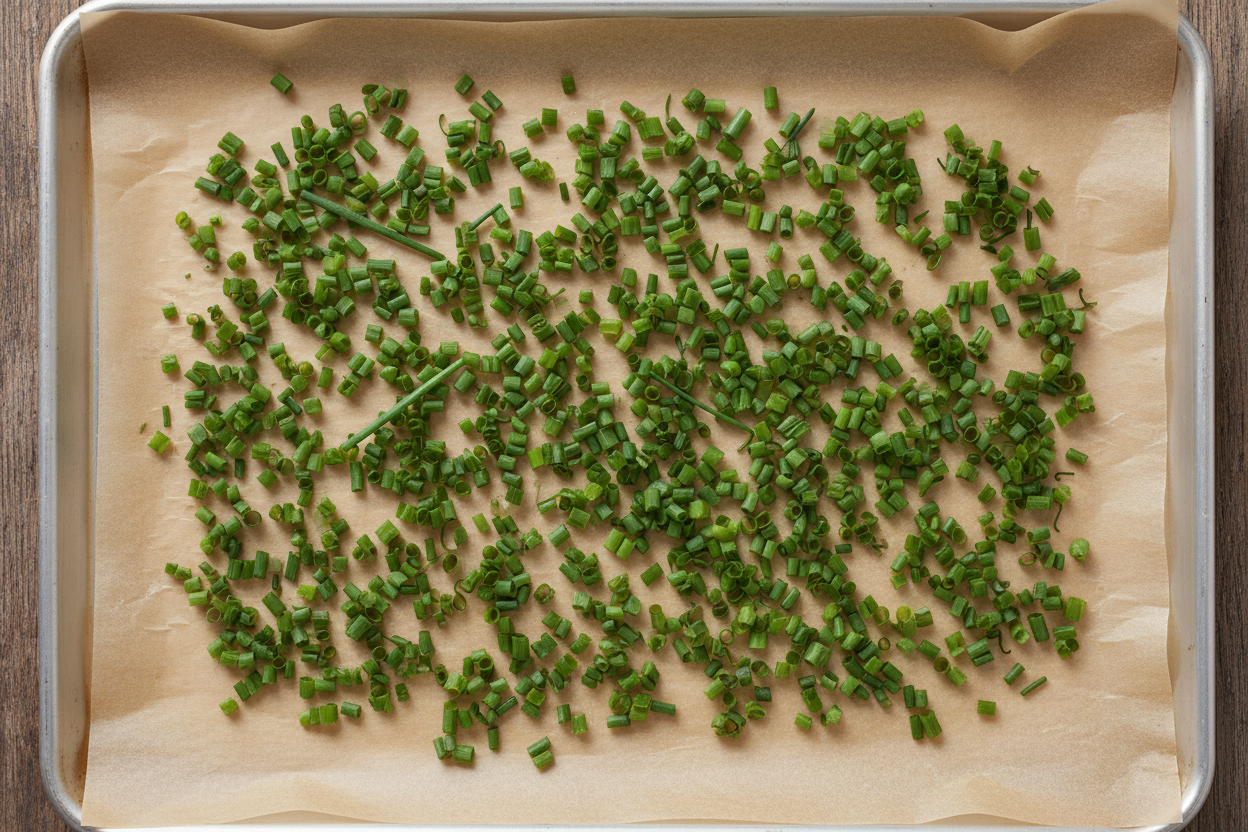
- Spread the chopped chives evenly on a parchment-lined baking sheet in a single layer. Avoid piling them up, as this will hinder drying.
- Bake for 1 to 2 hours. Start checking them every 15 minutes after the first hour. They are done when they are brittle and crumble easily between your fingers. If they still feel pliable, they need more time. Be careful not to burn them; they should retain their green color.
- Let them cool completely on the baking sheet at room temperature. This allows any residual moisture to evaporate and ensures they are fully crisp before storage.
- Transfer the completely cooled, oven-dried chives to an airtight jar for storage.
Proper Storage Tips for Dried Herbs
Correctly storing dried chives is essential to maintain their flavor and potency for as long as possible.
- Keep your jars in a cool, dark pantry or cupboard away from direct sunlight, heat, and humidity. These elements can degrade the flavor and color of your herbs.
- Label the jars with the name of the herb and the date it was dried. This helps you keep track of freshness.
- For the best flavor and aroma, use dried chives within 6 to 12 months. While they won’t spoil after this time, their potency will diminish.
Culinary Uses for Your Preserved Chives
Dried chives offer a convenient way to add a subtle oniony flavor to a wide range of dishes.
- Stir into mashed potatoes, omelets, or scrambled eggs for a fresh flavor boost.
- Fold into sour cream, cream cheese, or yogurt for a quick dip or spread.
- Add to soups, stews, and casseroles during the last few minutes of cooking.
- Incorporate into salad dressings, vinaigrettes, or marinades.
- Mix into homemade dry spice rubs for beef or poultry.
Frequently Asked Questions
Can I freeze chives instead of drying them?
Yes, freezing is another excellent method for preserving fresh chives. Wash and chop the fresh chives, then spread them in a single layer on a baking sheet and freeze until solid. Transfer the frozen chives to an airtight freezer bag or container. They will retain more of their fresh flavor than dried chives and can be used directly from the freezer in cooking.
Why did my chives turn brown in the oven?
Chives turning brown in the oven typically indicates that the oven temperature was too high or they were left in for too long. High heat causes them to cook rather than gently dry, leading to a loss of color and flavor. Ensure your oven is set to its absolute lowest temperature (150-170°F) and monitor them closely, checking every 15 minutes to prevent over-baking. A slightly propped oven door can help maintain a lower temperature and allow moisture to escape.
Learning to grow, harvest, and dry chives opens up a world of fresh flavor possibilities for your kitchen. Whether you’re enhancing a simple meal or experimenting with new recipes, having a supply of your own homegrown herbs is incredibly rewarding. Master these techniques for preserving fresh herbs and enjoy the taste of your home herb garden all year long.
For more gardening tips, recipes, and behind-the-scenes content, follow our Facebook page.
Homemade Oven-Dried Chives
Ingredients
- 1 cup Fresh chives
- Water for rinsing
- Parchment paper for lining the baking sheet
Instructions
- Preheat your oven to its lowest setting (usually between 150°F and 170°F).
- Gently wash the fresh chives and pat them completely dry with a clean kitchen towel.
- Finely chop the chives into small pieces.
- Spread the chopped chives evenly on a parchment-lined baking sheet in a single layer.
- Bake for 1 to 2 hours, checking every 15 minutes, until they crumble easily between your fingers.
- Remove from the oven and allow to cool completely on the baking sheet.
- Transfer the dried herbs to an airtight jar for storage.
For more daily recipes and tips, follow us on Facebook!
Click here to join our community!