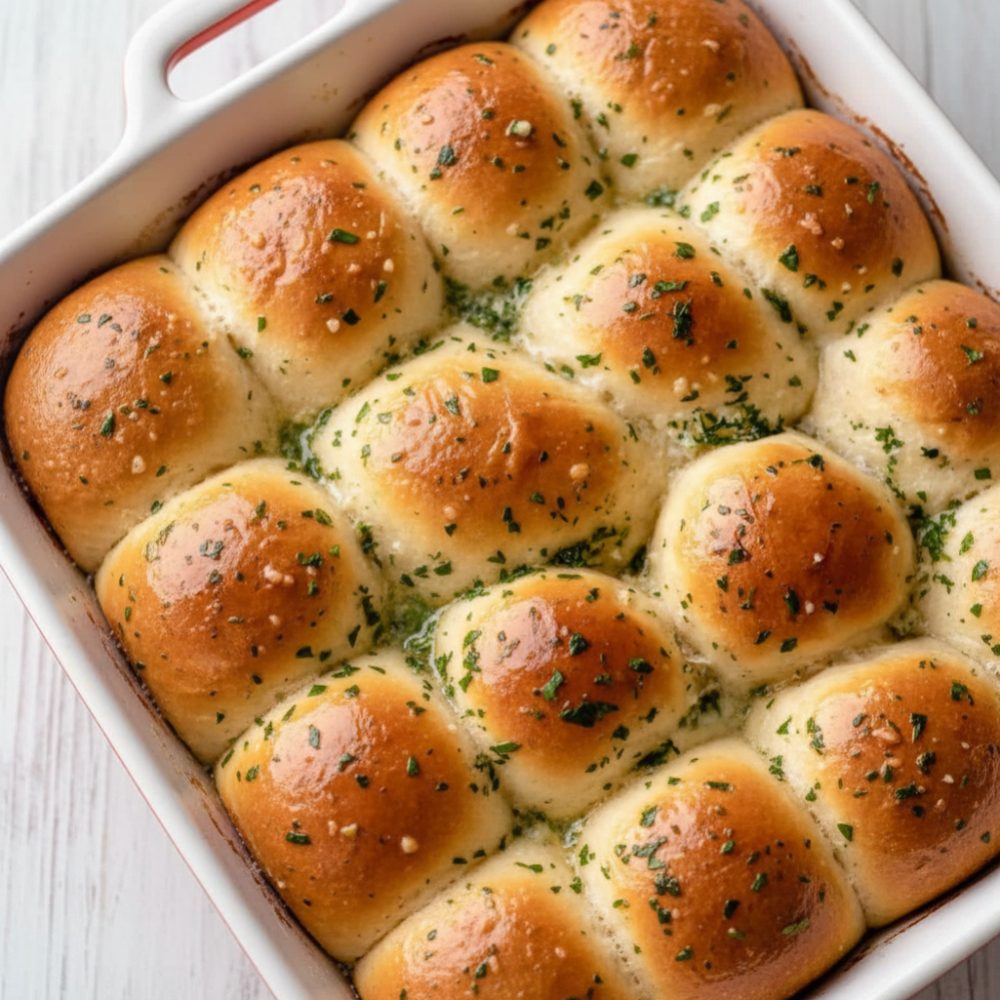
Bringing warm, fragrant bread to the table elevates any meal. These homemade dinner rolls, infused with rich garlic butter, offer a comforting and incredibly satisfying experience. Forget store-bought options; baking these from scratch yields a superior result that is surprisingly achievable. Each roll boasts a delicate crumb and a golden-brown exterior, generously brushed with an aromatic topping. This recipe focuses on creating fluffy yeast rolls that are soft enough to melt in your mouth, yet sturdy enough to soak up every last drop of flavor. Whether served alongside a hearty soup, a classic roast, or as a delightful snack, these garlic butter rolls will become a staple in your kitchen. They are a simple pleasure, perfect for sharing with family and friends, and they consistently receive rave reviews. The process of preparing them is straightforward, making them an excellent project for both novice bakers and experienced cooks alike.
Why You Will Love These Homemade Rolls
There is an undeniable satisfaction that comes from creating fresh bread at home. These garlic butter bread rolls deliver on that promise with every bite. The aroma alone, as they bake and then get brushed with the seasoned butter, is enough to entice anyone into the kitchen. Beyond the scent, the texture is paramount. We aim for a roll that is incredibly soft and light, a characteristic often hard to achieve without specific techniques. This recipe guides you through those steps to ensure your rolls are consistently pillowy.
These rolls make an ideal accompaniment to almost any meal. They are not just bread; they are a flavorful addition that complements main dishes beautifully. Think of them as the ultimate garlic bread sides, perfect for dipping into sauces or simply enjoying on their own. The garlic and fresh parsley in the butter topping add a vibrant, savory note that is both familiar and comforting. Preparing these rolls from scratch also means you control the ingredients, ensuring quality and freshness. You will find that the effort is minimal compared to the impressive outcome, making them a worthwhile addition to your baking repertoire.
Required Ingredients for the Dough and Topping
Crafting these soft and fluffy rolls begins with precise measurements and quality ingredients. Each component plays a vital role in developing the perfect texture and flavor.
**For the Dough:**
- 1 cup (240ml) warm milk (105-115°F / 40-46°C)
- 2 ¼ teaspoons active dry yeast (one standard packet)
- 2 tablespoons (25g) granulated sugar
- 1 teaspoon (6g) salt
- 1 large egg, room temperature
- ¼ cup (56g) unsalted butter, melted and cooled
- 3 to 3 ½ cups (360-420g) all-purpose flour, divided, plus more for dusting
**For the Garlic Butter Topping:**
- ½ cup (113g) unsalted butter, melted
- 3-4 cloves fresh garlic, minced
- 2 tablespoons fresh parsley, chopped
- ¼ teaspoon salt
Ensure your milk is at the specified temperature to properly activate the yeast. Room temperature egg integrates more smoothly into the dough. Using unsalted butter allows you to control the overall saltiness of the rolls. The flour range allows for minor adjustments based on humidity, aiming for a soft, pliable dough.
Step-by-Step Instructions
Follow these steps carefully to achieve perfectly soft and flavorful garlic herb bread rolls. Precision in yeast activation and kneading is key for the ideal texture.
- Begin by activating the yeast. In a large mixing bowl, combine 1 cup (240ml) warm milk, 2 tablespoons (25g) granulated sugar, and 2 ¼ teaspoons active dry yeast. Stir gently and let this mixture sit for 5-10 minutes. The mixture should become foamy, indicating the yeast is active. If it does not foam, the yeast may be old or the milk was not at the correct temperature, and you should start again.
- Once the yeast is active, add 1 large room temperature egg, 1 teaspoon (6g) salt, and ¼ cup (56g) melted and cooled unsalted butter to the bowl. Whisk these ingredients together until well combined, ensuring everything is thoroughly incorporated into the yeast mixture.
- Gradually add the all-purpose flour. Start by adding 3 cups (360g) of flour, one cup at a time, mixing after each addition. Mix until a shaggy dough forms. If the dough is still very sticky, add the remaining ½ cup (60g) of flour slowly, one tablespoon at a time, until the dough comes together and is manageable but still soft.
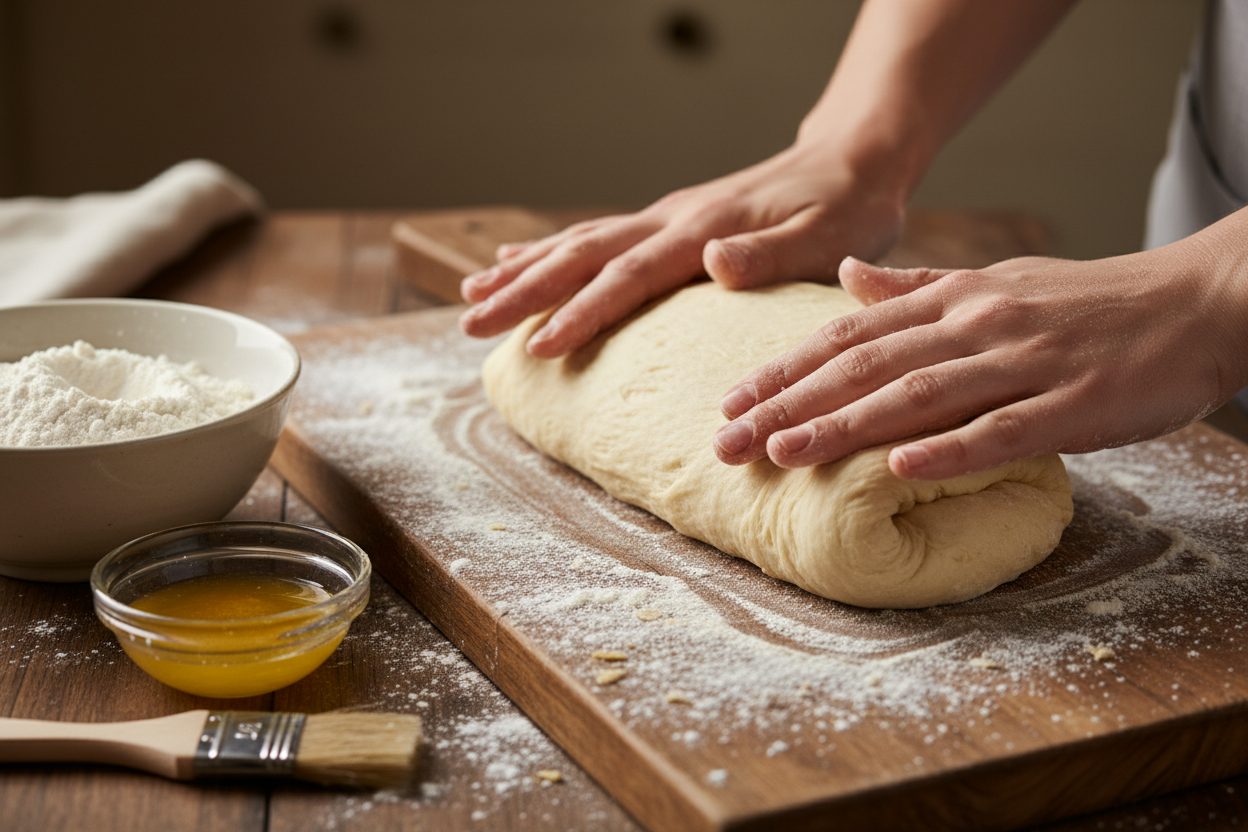
- Turn the dough out onto a lightly floured surface. Knead the dough for 8-10 minutes. Use the heel of your hand to push the dough away from you, then fold it back over. Repeat this motion until the dough becomes smooth, elastic, and no longer sticks to your hands or the counter. A properly kneaded dough will spring back when gently poked.
- Lightly grease a large clean bowl with a small amount of oil. Place the kneaded dough into the bowl, turning it once to coat all sides with oil. Cover the bowl tightly with plastic wrap or a clean kitchen towel. Allow the dough to rise in a warm, draft-free place for 1 hour 30 minutes, or until it has doubled in size. This first rise develops flavor and texture.
- Once the dough has doubled, gently punch it down to release the air. Transfer the dough back to your lightly floured surface. Divide the dough into 12 equal portions. The easiest way to do this is to roll the dough into a log and then cut it into 12 pieces.
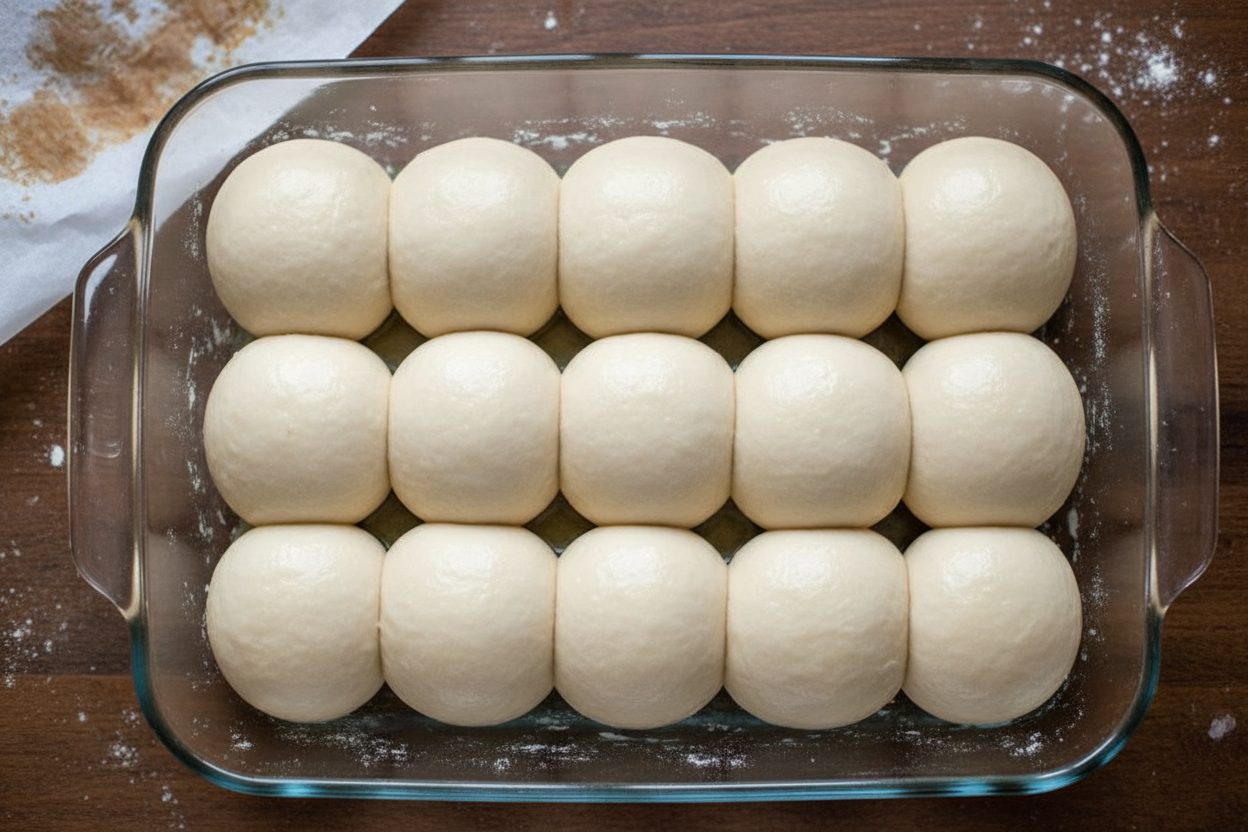
- Shape each portion into a smooth, round ball. To do this, cup the dough in your hand and gently roll it against the counter in a circular motion, applying light pressure to create surface tension. Arrange the shaped dough balls in a greased 9×13-inch baking dish, leaving a small space between each roll.
- Cover the baking dish loosely with plastic wrap or a clean kitchen towel. Allow the rolls to rise again in a warm place for another 30 minutes, or until they look visibly puffy and have nearly doubled in size. This second rise ensures a light and airy texture in the final product.
- Preheat your oven to 375°F (190°C) while the rolls are completing their second rise. Ensure the oven is fully preheated before placing the rolls inside for consistent baking.
- Bake the rolls in the preheated oven for 15-20 minutes. The rolls should turn a beautiful golden brown on top and feel light to the touch. Baking time can vary slightly depending on your oven, so keep an eye on them.
- While the rolls are baking, prepare the garlic butter topping. In a small bowl, combine ½ cup (113g) melted unsalted butter, 3-4 cloves minced fresh garlic, 2 tablespoons chopped fresh parsley, and ¼ teaspoon salt. Stir well to combine all ingredients thoroughly.
- As soon as the rolls come out of the oven, immediately brush the warm rolls generously with the prepared garlic butter mixture. The warmth of the rolls will absorb the butter, infusing them with flavor. Serve the homemade dinner rolls warm and enjoy.
Tips for the Best Yeast Rolls
Achieving truly exceptional fluffy yeast rolls involves a few key practices that can significantly impact the final outcome. These expert tips will help you perfect your baking bread from scratch skills.
First, **temperature is critical for yeast activity**. Ensure your milk is consistently between 105-115°F (40-46°C). Too cold, and the yeast will not activate; too hot, and it will kill the yeast. A kitchen thermometer is a valuable tool here. An active yeast mixture should become noticeably foamy within 5-10 minutes. If it does not, your yeast may be expired, or the water temperature was off.
Second, **do not underestimate the importance of kneading**. Proper kneading develops the gluten in the flour, which is responsible for the dough’s elasticity and the rolls’ chewiness and structure. Knead for the full 8-10 minutes, even if it feels like a long time. The dough should transform from shaggy to smooth and elastic. It should pass the “windowpane test,” meaning you can stretch a small piece of dough thin enough to see light through it without tearing.
Third, **allow for adequate rise time**. Both the first and second rises are essential for flavor development and achieving that characteristic fluffy texture. Find a warm, draft-free spot in your kitchen. This could be near a sunny window, in a slightly warm oven that has been turned off, or even near a pilot light. Do not rush the rising process; let the dough dictate the time by doubling in size.
Finally, **do not overbake the rolls**. Overbaking can lead to dry, tough rolls. Keep an eye on them during the last few minutes of baking. They should be golden brown on top and bottom. A good indicator is when the internal temperature reaches around 200°F (93°C), but visual cues are often sufficient for rolls. Removing them promptly ensures they remain soft and moist.
“The secret to truly fluffy rolls lies in patiently allowing the yeast to do its work and developing gluten through thorough kneading. These two steps are non-negotiable for tender bread.” – Expert Baker’s Insight
Storage and Reheating Suggestions
These garlic butter bread rolls are best enjoyed fresh and warm from the oven, especially when the garlic butter is still glistening. However, leftovers can be stored and reheated while maintaining much of their deliciousness.
To store, allow the rolls to cool completely before transferring them to an airtight container or a large zip-top bag. They can be kept at room temperature for up to 2-3 days. For longer storage, you can refrigerate them for up to 5 days, or freeze them for up to 2-3 months. If freezing, wrap individual rolls tightly in plastic wrap before placing them in a freezer-safe bag to prevent freezer burn.
For reheating, several methods work well to bring back their warmth and softness.
- **Oven Reheating:** This is the best method for retaining texture. Preheat your oven to 300°F (150°C). Place the rolls on a baking sheet and heat for 5-10 minutes, or until warmed through. If frozen, allow them to thaw slightly at room temperature, then heat for 10-15 minutes.
- **Microwave Reheating:** For a quick warm-up, individual rolls can be microwaved for 15-30 seconds. Be cautious not to overdo it, as microwaving can sometimes make bread tough or chewy.
- **Toaster Oven Reheating:** A toaster oven is perfect for reheating one or two rolls. Heat at 300°F (150°C) for 3-5 minutes.
Brushing with a little extra melted butter before reheating can help refresh the flavor and moisture, especially if they have been refrigerated or frozen.
Frequently Asked Questions
Here are answers to some common questions about making homemade dinner rolls and troubleshooting common issues.
**Q: Why didn’t my yeast foam?**
A: Yeast typically fails to foam if the water temperature was too hot (killing the yeast) or too cold (inhibiting activation). Ensure your warm milk is between 105-115°F (40-46°C). Also, check the expiration date on your yeast packet; old yeast may not be active.
**Q: My dough is too sticky, what should I do?**
A: A slightly sticky dough is normal, but if it is excessively sticky and difficult to handle, gradually add a little more all-purpose flour, one tablespoon at a time, until it becomes manageable. Be careful not to add too much flour, as this can result in dry, dense rolls. The final dough should be soft and pliable.
**Q: Can I make these rolls ahead of time?**
A: Yes, you can prepare the dough for these fluffy yeast rolls the day before. After the first rise, punch down the dough, shape the rolls, and place them in the baking dish. Cover tightly with plastic wrap and refrigerate overnight (up to 12-18 hours). The next day, remove them from the refrigerator and let them sit at room temperature for 1-2 hours for the second rise before baking as directed.
**Q: What if I don’t have fresh parsley?**
A: Fresh parsley provides the best flavor and vibrant color for the garlic butter topping. If fresh is unavailable, you can substitute with 1 teaspoon of dried parsley flakes. The flavor will be less intense, but still good.
**Q: Can I use instant yeast instead of active dry yeast?**
A: Yes, you can typically substitute instant yeast for active dry yeast in equal amounts. Instant yeast does not require proofing in warm milk first. You can simply combine it directly with the flour and other dry ingredients, then proceed with adding the warm milk and wet ingredients. However, following the steps for active dry yeast as written ensures reliable results.
These garlic butter bread rolls are a delightful addition to any meal, promising a soft, flavorful experience that tastes like it came from a professional bakery. Enjoy the process of baking bread from scratch and the wonderful results.
Find more delicious recipes and baking tips by following our community. We share new ideas and kitchen inspiration regularly.
Follow us on Facebook! Join our Facebook page for updates and more.
Soft Garlic Butter Bread Rolls
Ingredients
- 4 cup All-purpose flour divided
- 2.25 tsp Active dry yeast 1 standard packet
- 1 cup Whole milk warm (110 F)
- 2 tbsp Granulated sugar
- 1 tsp Salt
- 4 tbsp Unsalted butter melted, for the dough
- 4 clove Fresh garlic minced, for the dough
- 4 tbsp Unsalted butter melted, for the topping
- 2 tbsp Fresh parsley finely chopped, for the topping
- 2 clove Fresh garlic minced, for the topping
Instructions
- Combine warm milk, sugar, and active dry yeast in a bowl. Let stand for 5 minutes until frothy.
- Stir in 4 tablespoons melted butter, 4 cloves minced garlic, salt, and 3 cups of all-purpose flour. Mix until a shaggy dough forms.
- Knead the dough, gradually adding the remaining 1 cup of flour, until smooth and elastic, about 8 minutes.
- Place the dough in a greased bowl, cover, and let rise in a warm place for 1 hour or until doubled in size.
- Punch down the dough and divide it into 12 equal pieces. Shape each piece into a smooth ball and place in a greased 9x13 inch baking dish.
- Cover and let the rolls rise for another 30 minutes. Preheat your oven to 375 F (190 C).
- Bake for 15 to 20 minutes until golden brown.
- While baking, mix the remaining 4 tablespoons of melted butter, 2 cloves of minced garlic, and chopped parsley.
- Brush the warm rolls with the garlic herb butter mixture immediately after removing them from the oven.
For more daily recipes and tips, follow us on Facebook!
Click here to join our community!