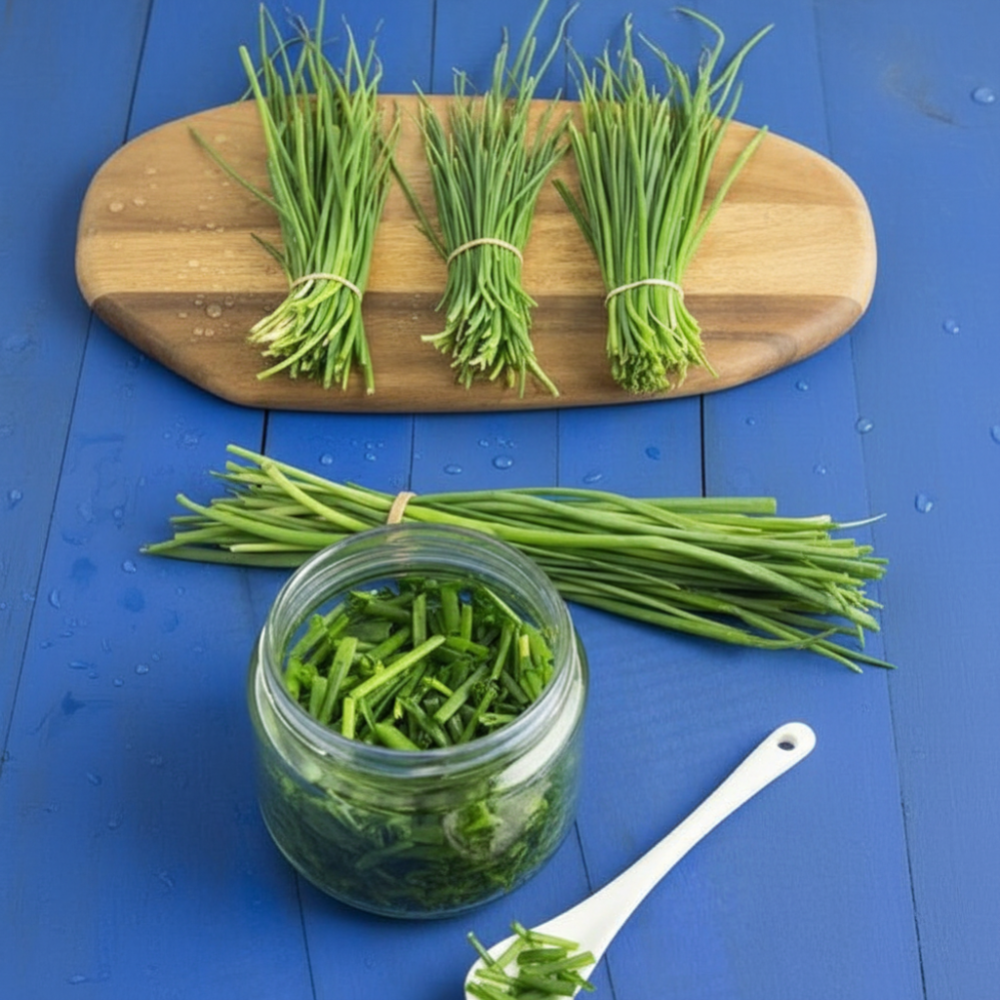
The vibrant, delicate flavor of fresh chives is a highlight of any garden. There’s nothing quite like snipping a few stalks to brighten a dish. However, the bounty of a successful harvest often outstrips immediate needs. You might find yourself with more fresh chives than you can possibly use before they wilt and lose their peak freshness. This common dilemma leads many home cooks and gardeners to seek effective ways to preserve their culinary treasures.
This guide focuses on one of the most efficient and flavor-preserving methods: how to **freeze fresh chives**. By properly preserving herbs, you extend their utility far beyond the growing season, ensuring that bright, savory notes are always within reach. Freezing locks in their distinct oniony-garlic flavor, making them available for numerous culinary applications even when the garden is dormant.
Why You Should Preserve Your Harvest
Preserving your chive harvest offers several significant advantages. First, it **reduces food waste**. Instead of letting excess chives spoil, you can transform them into a convenient, long-lasting ingredient. This saves money and maximizes the effort you put into gardening.
Second, having access to **frozen herbs** year-round elevates your cooking. Imagine adding a burst of fresh flavor to winter soups, stews, or omelets, even when local chives are out of season or prohibitively expensive. Freezing allows you to enjoy the taste of summer sunshine in your dishes, regardless of the calendar.
Finally, knowing how to store chives effectively provides a sense of self-sufficiency. It empowers you to make the most of your garden’s output, connecting you more deeply with the food you prepare. This method is particularly kind to delicate herbs like chives, which do not dry well without losing significant flavor and texture.
Gathering Your Equipment
Before you begin the process of preserving herbs, ensure you have the right tools ready. This preparation streamlines the entire procedure and helps maintain the quality of your chives.
- Cutting Board: A clean, stable surface for chopping.
- Sharp Shears or Knife: Essential for cleanly harvesting and finely **chopping herbs**. A sharp tool prevents bruising the delicate chives.
- Paper Towels or Clean Kitchen Towels: For thoroughly drying the chives. This step is critical for successful freezing.
- Baking Sheet (optional, for flash freezing): A flat surface lined with parchment paper or a silicone mat.
- Freezer-Safe Bags or Containers: To store the frozen chives. Air-tight containers prevent freezer burn.
- Ice Cube Trays (for alternative method): Standard ice cube trays work perfectly for creating convenient portions.
- Olive Oil or Water (for ice cube tray method): A medium to suspend the chopped chives.
With your equipment gathered, you are ready to begin the step-by-step process of preparing and **storing garden chives**.
Step 1: Cleaning and Thoroughly Drying
The first and most crucial step in freezing chives is proper cleaning and drying. Any residual moisture can lead to ice crystals forming, which degrades the chives’ quality and can cause freezer burn.
1. Rinse Gently: Gather your fresh chives from the garden. Rinse them under cool, running water to remove any dirt, insects, or debris. Be gentle to avoid bruising the delicate leaves.
2. Shake Off Excess Water: After rinsing, gently shake the chives to remove as much surface water as possible.
3. Pat Dry Completely: Spread the chives out on clean paper towels or a kitchen towel. Pat them thoroughly dry. You can also roll them lightly in the towel. For best results, allow them to air dry on the counter for 15-30 minutes, or until there is no visible moisture. This step cannot be rushed. Completely dry herbs are essential for preventing ice buildup and preserving flavor.
Step 2: Chopping the Herbs
Once your chives are pristine and perfectly dry, it’s time for the chopping stage. The fineness of your chop depends on how you plan to use them.
1. Gather Chives: Bunch the clean, dry chives together tightly.
2. Slice Finely: Using a sharp knife or kitchen shears, finely slice the chives into small, uniform pieces. A finer chop is generally preferred for frozen herbs as it makes them easier to incorporate into dishes and defrost quickly. Aim for pieces approximately 1/8 to 1/4 inch long.
This detailed chopping prepares the chives for either of the two primary freezing methods.
Step 3: Flash Freezing Method
The flash freezing method is ideal for those who want their chives to remain somewhat loose and easily scoopable from the freezer. This technique prevents the chives from clumping together into a solid block.
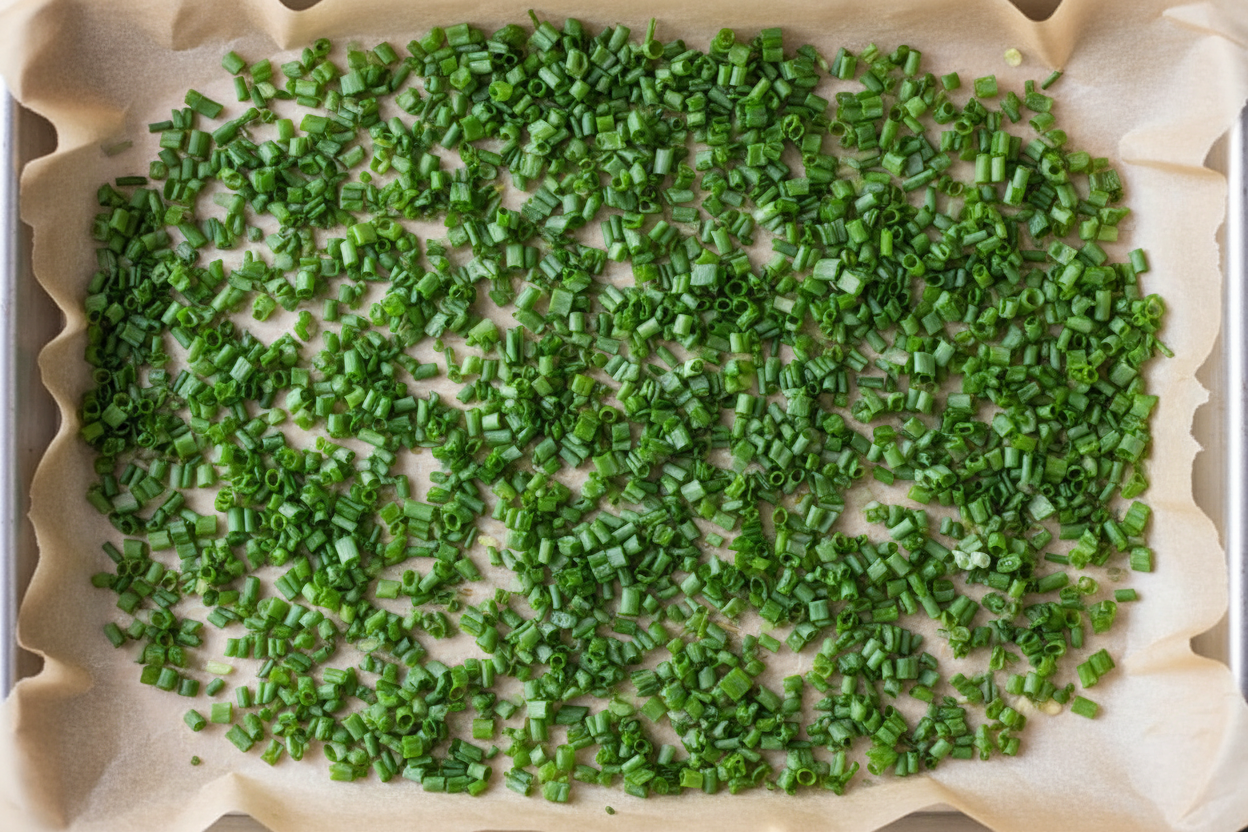
1. Spread on a Baking Sheet: Line a baking sheet with parchment paper or a silicone mat. Spread the finely chopped chives in a single, even layer over the prepared surface. Ensure they are not overlapping excessively.
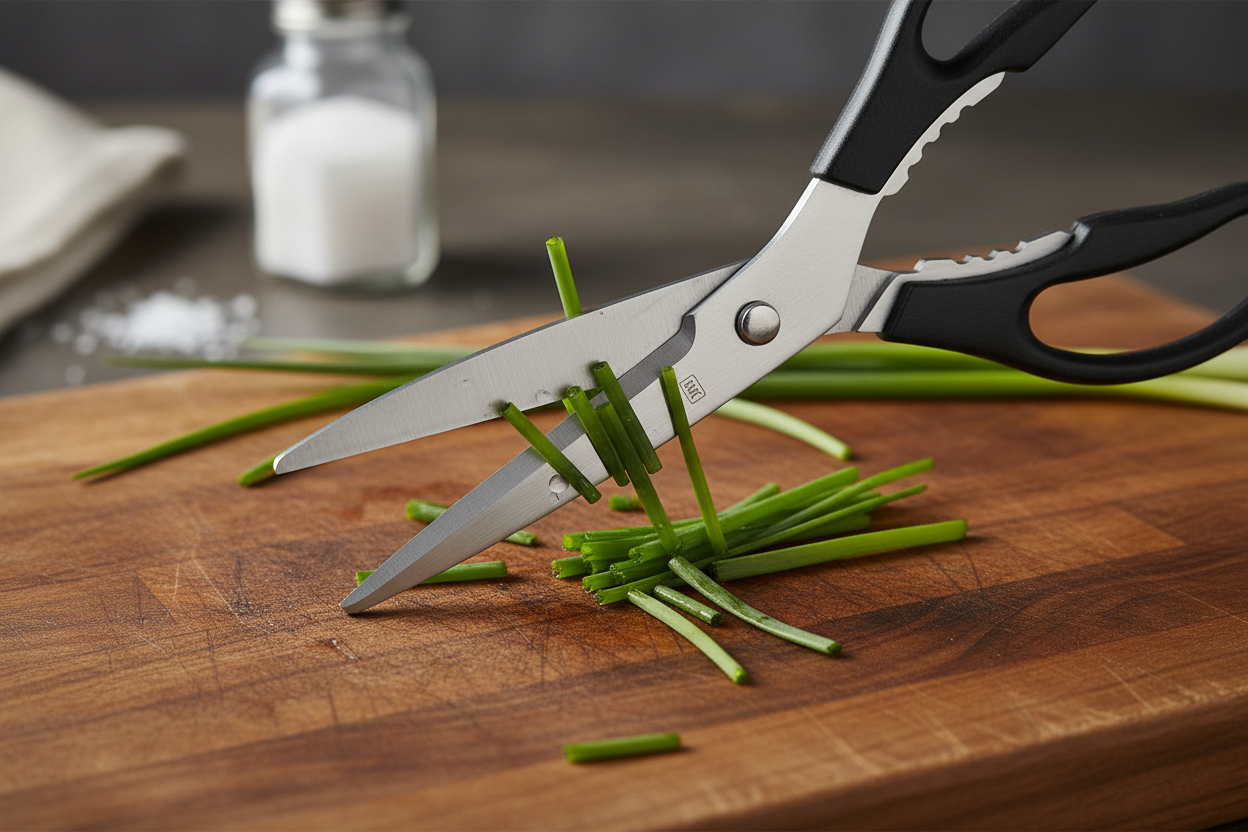
2. Flash Freeze: Place the baking sheet with the chives into the freezer. Allow them to freeze solid for about 1 to 2 hours. This quick freezing time is what gives the “flash” its name, preventing large ice crystals and sticking.
3. Transfer to Storage: Once the chives are completely frozen and individually firm, carefully transfer them from the baking sheet into a freezer-safe bag or air-tight container. Squeeze out as much air as possible from the bag before sealing to prevent freezer burn.
4. Label and Store: Label the container with the date. Frozen chives, when stored correctly, can retain their quality for up to 6 months.
This method allows you to grab a pinch or a spoonful of **frozen herbs** whenever a recipe calls for them.
Alternative: Ice Cube Tray Method
The **ice cube tray method** is another excellent way to **freeze fresh chives**, particularly if you prefer pre-portioned amounts suspended in oil or water. This approach is perfect for adding chives directly to cooked dishes.
1. Fill Trays: Take your finely chopped chives and distribute them evenly into the compartments of an ice cube tray. Fill each compartment about two-thirds full with chives.
2. Add Liquid: Pour a neutral-flavored olive oil or water over the chopped chives in each compartment. Fill just enough to cover the chives, leaving a small space at the top for expansion during freezing. Olive oil is excellent for dishes where you want an added richness, while water is more versatile.
3. Freeze Solid: Place the ice cube tray into the freezer. Allow the chive cubes to freeze completely solid, which usually takes 3-4 hours.
4. Transfer and Store: Once frozen, remove the chive cubes from the tray. You might need to twist the tray gently or run the bottom under warm water for a few seconds to release them. Transfer the frozen chive cubes into a freezer-safe bag or an air-tight container.
5. Label and Store: Label the bag or container with the date and contents. These chive cubes can be stored for up to 6 months. The oil or water acts as a protective layer, minimizing exposure to air and preventing freezer burn.
This **ice cube tray method** is a fantastic solution for **preserving herbs** in convenient, ready-to-use portions.
How to Use Your Stored Herbs in Recipes
Once your chives are frozen, their culinary journey is far from over. **Frozen herbs** are incredibly versatile, though it’s important to understand their best applications.
* Cooking Directly: The best way to use frozen chives is to add them directly to warm or hot dishes during the last few minutes of cooking. They will quickly thaw and release their flavor. They are perfect for scrambled eggs, omelets, soups, stews, sauces, and stir-fries.
* Flavor Infusion: For the chive-and-oil cubes, you can drop them straight into a pan when sautéing vegetables or starting a sauce. The oil will melt and infuse the dish with chive flavor.
* Not for Garnish: Due to their delicate texture, frozen chives tend to become slightly softer upon thawing. They are generally not ideal for raw applications or as a fresh garnish where a crisp texture is desired. Their strength lies in contributing flavor to cooked dishes.
Remember, a little goes a long way. Since freezing can sometimes concentrate flavors slightly, start with a smaller amount than you might use with fresh chives and adjust to taste.
Preserving your chive harvest is a rewarding endeavor that keeps the flavors of your garden alive throughout the year. By following these simple steps for how to **freeze fresh chives**, you ensure a continuous supply of this aromatic herb, enhancing countless meals with its distinct, savory charm. Enjoy the taste of fresh from the garden, any time you wish.
Want more tips and tricks for making the most of your kitchen and garden? Follow our Facebook page for daily inspiration and delicious ideas! Follow our Facebook page here.
Preserving Fresh Garden Herbs
Ingredients
- 2 cup Fresh chives Washed and completely dried
- 1/4 cup Olive oil Optional, for the ice cube tray method
- 1/4 cup Filtered water Optional alternative for ice cube trays
Instructions
- Wash the herbs thoroughly in cold water and dry completely using a salad spinner or paper towels to prevent ice crystals.
- Chop finely using sharp shears or a chef's knife into your desired size.
- Spread the chopped pieces evenly on a parchment-lined baking sheet and place in the cold for one hour.
- Transfer the hardened pieces into a zip-top bag, remove excess air, and store for up to six months.
For more daily recipes and tips, follow us on Facebook!
Click here to join our community!