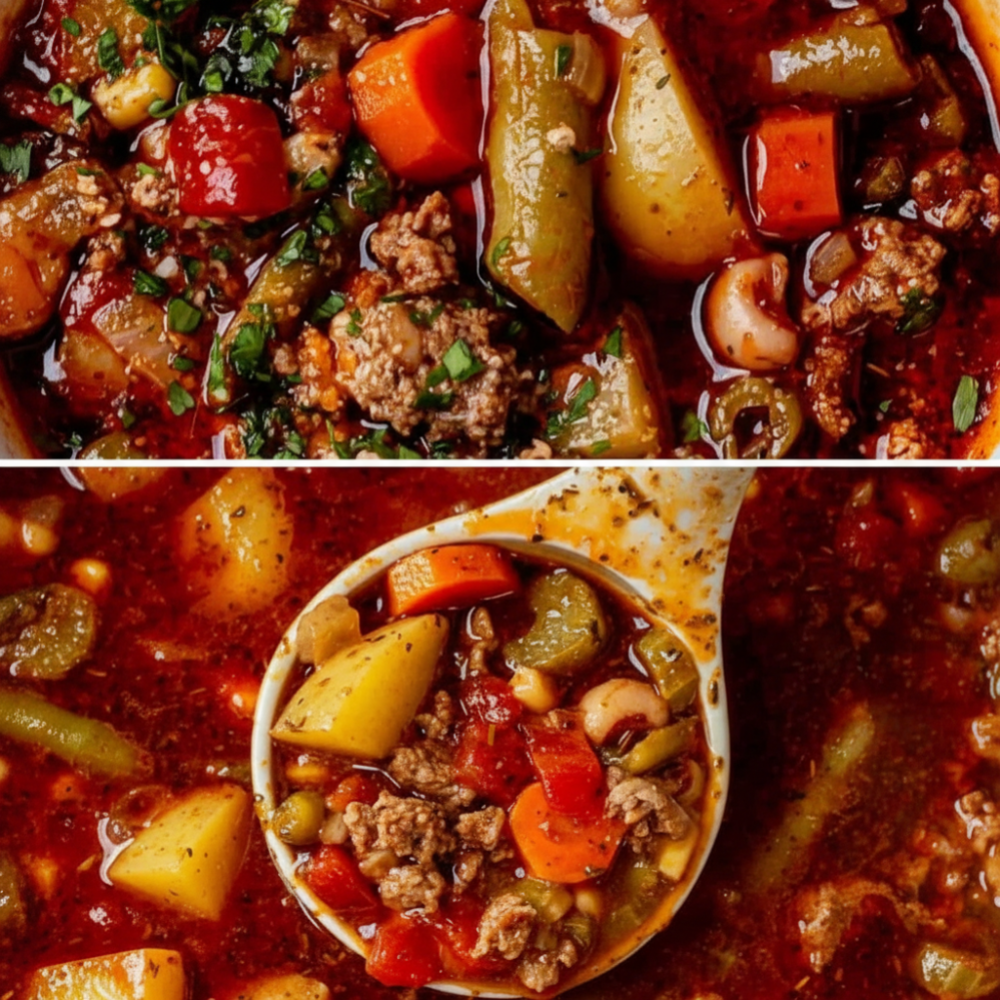
For generations, the spirit of the American West has been captured in hearty, satisfying meals. Among them, few dishes evoke the imagery of open plains and crackling campfires quite like a robust cowboy soup. This isn’t a complex gourmet creation, but a straightforward, fulfilling meal designed to provide sustenance and comfort after a long day. Our version is a classic ground beef and vegetable soup, packed with simple, wholesome ingredients. It’s a dish that embodies the true essence of a chuck wagon soup – practical, nourishing, and deeply flavorful without pretense. Perfect for feeding a hungry crowd, this rustic beef stew offers a taste of tradition, bringing the warmth of a frontier kitchen directly to your table.
Essential Ingredients
The beauty of a good cowboy soup lies in its reliance on foundational, readily available ingredients. Each component plays a vital role in creating the rich texture and satisfying depth of this stew. Adhering to the exact measurements ensures a balanced and authentic flavor profile.
Selecting the Best Ground Beef
The choice of ground beef forms the backbone of this hearty Texas stew. For optimal results, select 1.5 pounds of lean ground beef, such as 90/10 or 85/15. Leaner beef will render less fat, contributing to a cleaner, less greasy soup. While a higher fat content can add flavor, excess fat will need to be drained thoroughly to prevent the stew from becoming oily. The quality of your beef directly impacts the overall richness of the dish. Look for freshly ground beef from a reputable butcher or grocery store.
Potatoes, Carrots, and Green Beans
These three vegetables form the core of the soup’s robust texture and essential nutrients. You will need 3 medium potatoes, peeled and diced into 1-inch cubes. Russet or Yukon Gold potatoes work well here, offering a creamy texture once cooked through. For carrots, select 2 large carrots, peeled and sliced into 1/2-inch rounds. Their sweetness mellows with cooking, adding a crucial layer of flavor. Finally, incorporate 1 can (14.5 ounces) of green beans, drained well. These vegetables contribute significantly to the rustic appeal and nutritional value of this western style beef soup.
Diced Tomatoes, White Beans, and Peas
Completing the vegetable medley are canned diced tomatoes, white beans, and frozen peas. Use 1 can (28 ounces) of diced tomatoes, undrained. The tomatoes provide a tangy, acidic base that brightens the overall flavor of the stew and adds liquid. For the beans, include 1 can (15 ounces) of white beans, such as cannellini or navy beans, drained and rinsed thoroughly. Rinsing helps remove excess sodium and any starchy residue. Lastly, add 1 cup of frozen peas. Peas add a pop of color and subtle sweetness, best added towards the end of cooking to maintain their vibrant hue and tender texture. These ingredients ensure a diverse range of textures and flavors in your campfire stew.
Step-by-Step Cooking Instructions
Crafting this traditional cowboy soup is a straightforward process, demanding patience more than complex technique. Follow these steps precisely to achieve a perfectly cooked, comforting meal.
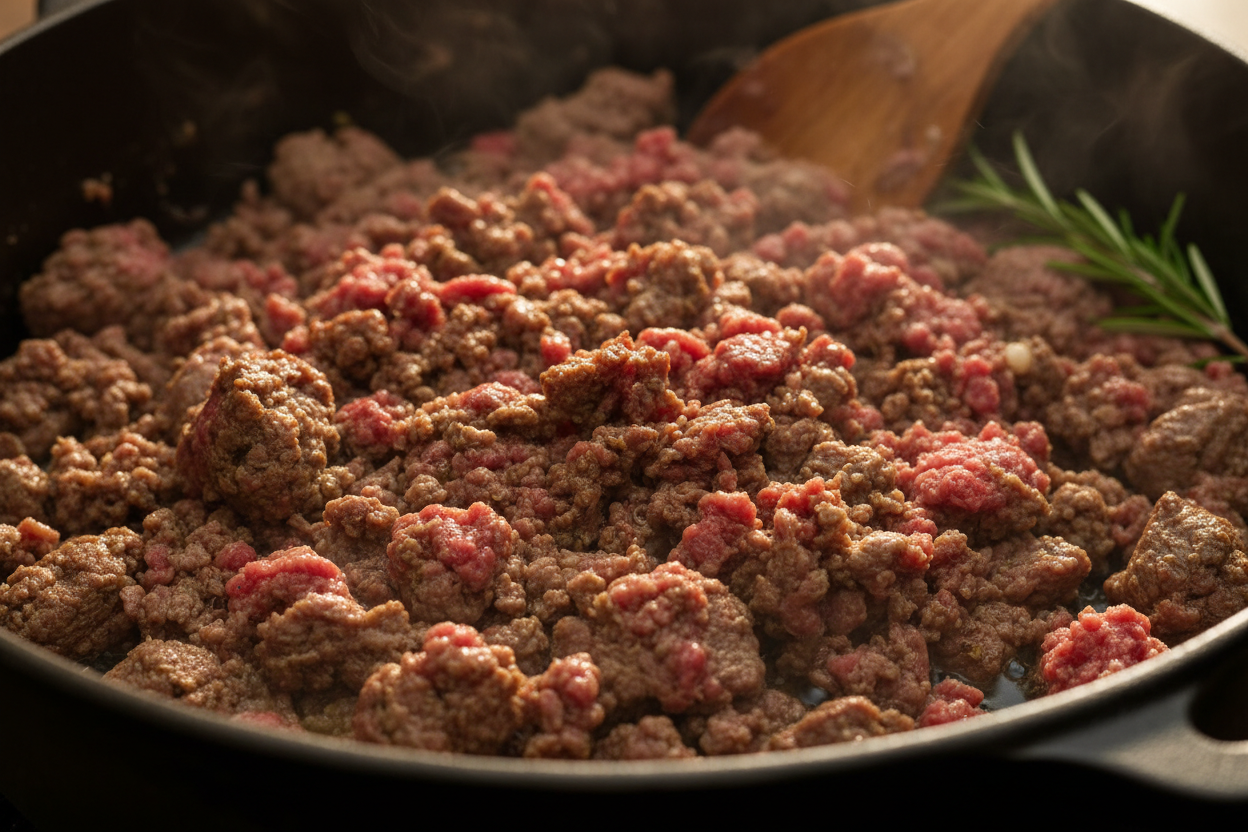
- Brown the 1.5 pounds of ground beef in a large pot or Dutch oven over medium-high heat until fully cooked. Break the beef into small crumbles as it cooks. Drain any excess fat thoroughly from the pot.
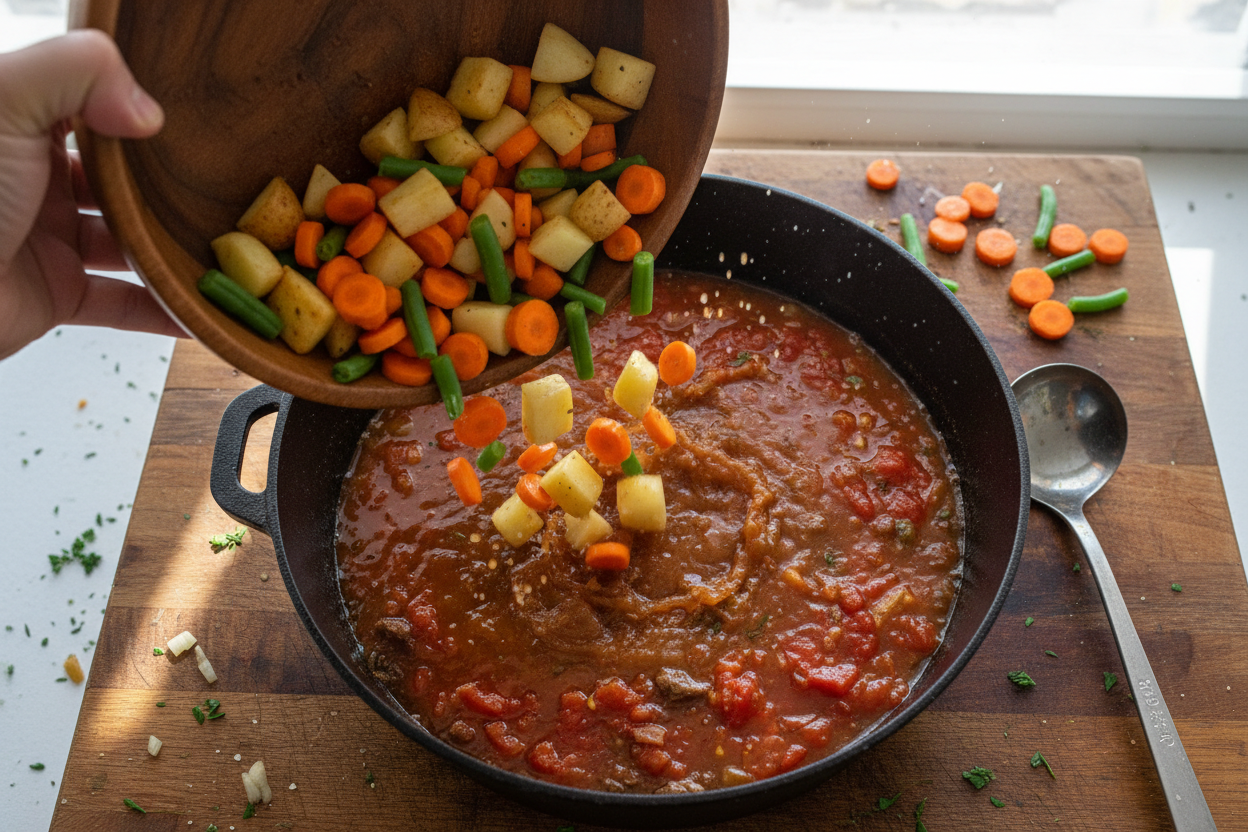
- Add the 3 medium diced potatoes, 2 large sliced carrots, 1 can (14.5 ounces) of drained green beans, 1 can (28 ounces) of undrained diced tomatoes, and 6 cups of beef broth to the pot with the browned beef. Stir gently to combine all ingredients. Bring the mixture to a rolling boil over medium-high heat.
- Once boiling, reduce the heat to low, cover the pot with a lid, and let it simmer for 20 minutes. This simmering period allows the potatoes and carrots to become tender and the flavors to meld together. Periodically check to ensure the liquid is simmering gently, not boiling vigorously.
- After 20 minutes, remove the lid and stir in the 1 can (15 ounces) of drained and rinsed white beans and the 1 cup of frozen peas. Continue to simmer, uncovered, for an additional 5 minutes. This brief cooking time ensures the peas are heated through without becoming overcooked, and the white beans warm up.
- Before serving, garnish each bowl generously with 1/4 cup of fresh chopped parsley. The fresh parsley adds a vibrant color and a burst of herbaceous flavor that complements the richness of the stew.
Pro Tips for the Best Stewed Beef and Vegetables
Achieving a truly outstanding cowboy soup goes beyond just following the steps. A few expert techniques can elevate this simple dish into something truly memorable.
- Layering Flavors from the Start: While the core ingredients are simple, the quality of your beef broth makes a significant difference. Opt for a good quality, low-sodium beef broth to control the overall saltiness and build a deeper flavor foundation for your ground beef and vegetable soup. The browning of the beef is also critical; ensure a good sear to develop rich, savory notes that will infuse into the entire stew.
- Mindful Simmering: The simmering phase is where the magic happens for tender vegetables. Maintaining a gentle simmer allows the potatoes and carrots to cook evenly without becoming mushy. Avoid a hard boil during this time, as it can break down vegetables too quickly and evaporate too much liquid. A steady, low simmer encourages flavor integration.
- Proper Draining of Ground Beef: After browning the 1.5 pounds of ground beef, draining excess fat is crucial. Too much rendered fat can make the soup greasy. Use a spoon or tilt the pot carefully to remove as much fat as possible without losing the flavorful beef crumbles. This step contributes to a cleaner, more enjoyable texture in your rustic beef stew.
- Garnish for Freshness: The addition of 1/4 cup of fresh chopped parsley at the end is not just for aesthetics. Fresh herbs brighten the dish and provide a pleasant aromatic contrast to the hearty, cooked vegetables and beef. Do not skip this simple but impactful step for your western style beef soup.
- Taste and Adjust (if allowed): Although this recipe adheres strictly to its ingredient list, understanding how ingredients interact is key. A balanced campfire stew allows each component to shine while contributing to a harmonious whole.
“A truly satisfying stew isn’t about complex ingredients, but about respecting the integrity of each simple component. Patience in simmering and attention to detail, like proper browning and draining, are the hallmarks of a great cowboy soup.”
Storage and Freezing Guidelines
This generous recipe for cowboy soup often yields leftovers, which are just as delicious, if not more so, the next day. Proper storage is essential to maintain quality and safety.
To store leftover soup, allow it to cool completely at room temperature for no more than two hours. Transfer the cooled soup to airtight containers. It can be refrigerated for up to 3 to 4 days. The flavors of this hearty Texas stew often deepen and meld beautifully overnight, making it an excellent meal prep option.
For longer storage, this soup freezes exceptionally well. Once cooled, ladle the soup into freezer-safe containers or heavy-duty freezer bags, leaving about an inch of headspace to account for expansion. Label with the date. Frozen ground beef and vegetable soup can be stored for up to 2 to 3 months. To reheat, thaw overnight in the refrigerator if frozen, then gently warm on the stovetop over medium-low heat until heated through. Add a splash of beef broth or water if the soup has thickened too much. Garnish with fresh parsley before serving again for renewed vibrancy.
Frequently Asked Questions
We often hear questions about making the perfect cowboy soup. Here are answers to some common inquiries.
- Can I use a different type of ground beef?
Yes, you can use different fat percentages for ground beef. However, lean ground beef (85/15 or 90/10) is recommended to minimize excess fat and avoid a greasy soup. If using higher fat beef, ensure you drain the fat very thoroughly after browning. - What kind of white beans are best for this recipe?
Canned cannellini beans or navy beans are ideal for this rustic beef stew. They have a creamy texture and mild flavor that blends well with the other ingredients. Always drain and rinse them before adding to the soup. - Why do I add peas and white beans at the end?
Peas and white beans are added towards the end of the cooking process to preserve their texture and color. Peas can become mushy and lose their vibrant green hue if cooked for too long. Canned white beans are already cooked, so they only need to be warmed through. Adding them late ensures they remain tender-firm. - How can I make sure the potatoes are tender?
Ensuring the potatoes are diced into uniform 1-inch cubes helps them cook evenly. The 20-minute simmer after adding the potatoes and carrots is crucial. If after 20 minutes they are still firm, continue simmering, covered, for a few more minutes until they reach your desired tenderness. Make sure your heat is low enough for a gentle simmer.
This cowboy soup offers a taste of heritage and heartwarming comfort. It’s a testament to how simple ingredients, carefully prepared, can create a meal that truly satisfies. We invite you to try this classic recipe and share the tradition with your loved ones.
To see more rustic and hearty recipes, follow us on Facebook: Follow us on Facebook.
Rustic Western Ground Beef Stew
Ingredients
- 1 lb Ground beef
- 2 cup Potatoes diced
- 1 cup Carrots sliced
- 1 cup Green beans chopped
- 14.5 oz Diced tomatoes undrained
- 15 oz White beans drained and rinsed
- 1 cup Peas frozen
- 4 cup Beef broth
- 2 tbsp Parsley fresh, chopped
Instructions
- Brown the ground beef in a large pot over medium-high heat until fully cooked. Drain excess fat.
- Add the potatoes, carrots, green beans, diced tomatoes, and beef broth to the pot. Bring to a boil.
- Reduce heat, cover, and simmer for 20 minutes until vegetables are tender.
- Stir in the white beans and peas. Simmer for an additional 5 minutes.
- Garnish with fresh parsley before serving.
For more daily recipes and tips, follow us on Facebook!
Click here to join our community!