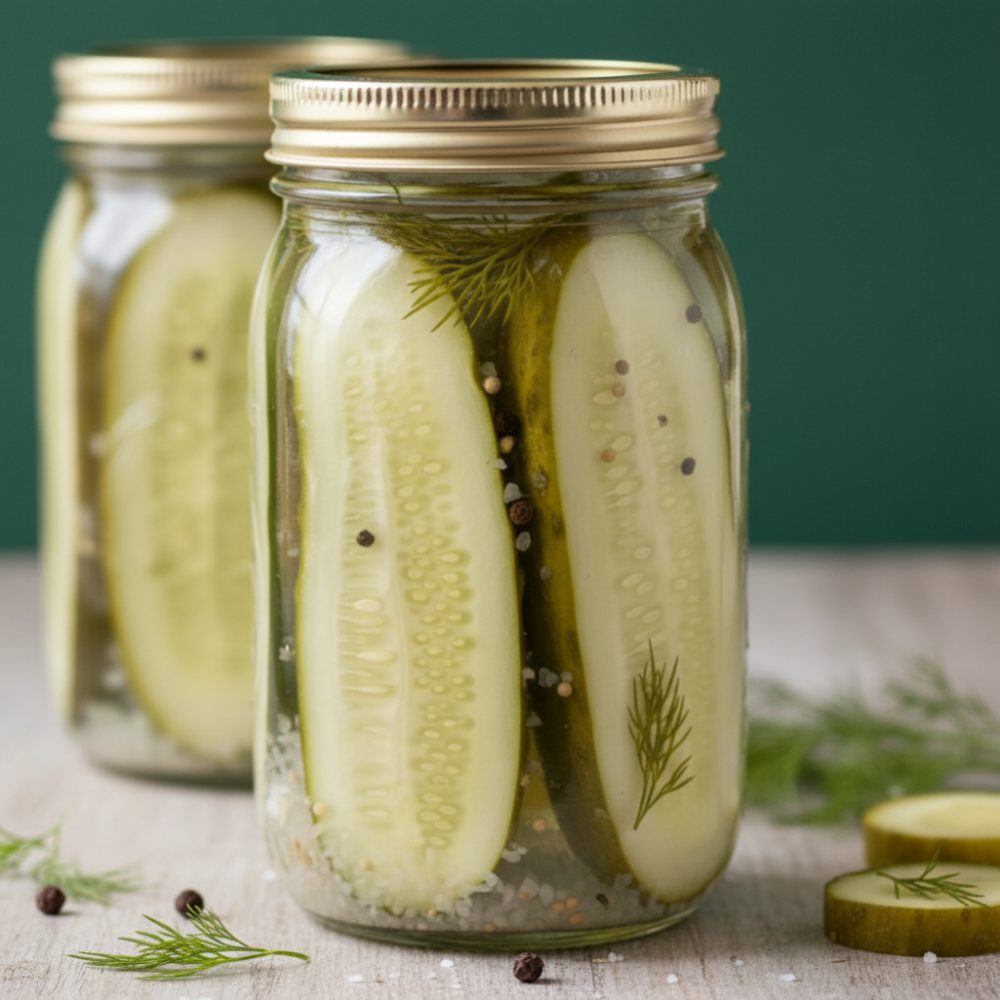
Creating the perfect crunchy, tangy dill pickle at home is simpler than you might imagine, especially when aiming for that distinct flavor profile found in Claussen Copycat Dill Pickles. Forget complicated canning processes and lengthy waits. This method focuses on fresh ingredients and a simple cold brine process, delivering incredibly crisp fridge pickles that are ready in days, not weeks. Your refrigerator will soon be home to the most satisfying homemade kosher dills you have ever made.
Why You Will Love These Crisp Fridge Pickles
These pickles offer a refreshing alternative to traditionally canned varieties. The beauty of this refrigerator pickle recipe lies in its simplicity and the vibrant freshness it preserves. Unlike heat-processed pickles, these maintain a superior snap and bright flavor because the cucumbers are never cooked. The no-canning pickles approach means you avoid the fuss of water baths and specialized equipment. Each bite delivers a burst of garlicky, dilly goodness, reminiscent of your favorite store-bought brand but with the undeniable quality of a homemade product. They are perfect for snacking, alongside sandwiches, or chopped into salads. Once you master this method, you will understand why many prefer the fresh, vibrant taste and texture of these quick pickles. The ease of preparation, coupled with the exceptional results, makes this recipe a true kitchen essential for pickle enthusiasts.
Essential Ingredients
The foundation of great pickles begins with quality ingredients. For this recipe, you will need approximately 2 pounds of fresh pickling cucumbers. Look for firm, unwaxed varieties like Kirby or Persian cucumbers, ideally 3-5 inches long, free from blemishes. Their small size and thin skins are perfect for absorbing the brine and retaining crunch.
For the brine, gather 4 cups of cold filtered water, 2 cups of white vinegar (5% acidity), and 3 tablespoons of kosher salt. The cold water is crucial for maintaining cucumber crispness, and kosher salt is preferred for its pure flavor and lack of anti-caking agents that can cloud your brine.
The aromatic flavor comes from fresh spices:
- 6-8 sprigs of fresh dill, preferably with flower heads if available, for a robust dill flavor.
- 4-6 large garlic cloves, peeled and lightly smashed to release their oils.
- 1 teaspoon of mustard seeds, which add a subtle tang and warmth.
- 1 teaspoon of black peppercorns, for a gentle spice.
These ingredients combine to create the distinctive, bright flavor profile of excellent garlic dill cucumber spears.
Step-by-Step Instructions
Crafting these delightful Claussen Copycat Dill Pickles is a straightforward process. Follow these steps for perfect results every time.
- Thoroughly wash your 2 pounds of pickling cucumbers under cold running water. Before slicing, trim off about 1/8 inch from both ends of each cucumber, paying special attention to the blossom end (the end opposite the stem), which contains enzymes that can lead to softer pickles. Slice the cucumbers into halves or spears, depending on your preference. Spears are ideal for snacking and fit well into jars.
- In a large pitcher or bowl, combine the 4 cups of cold filtered water, 2 cups of white vinegar, and 3 tablespoons of kosher salt. Whisk vigorously until the salt is completely dissolved. This forms your flavorful brine. Ensure the water is truly cold; using warm water can compromise the crispness of the pickles.
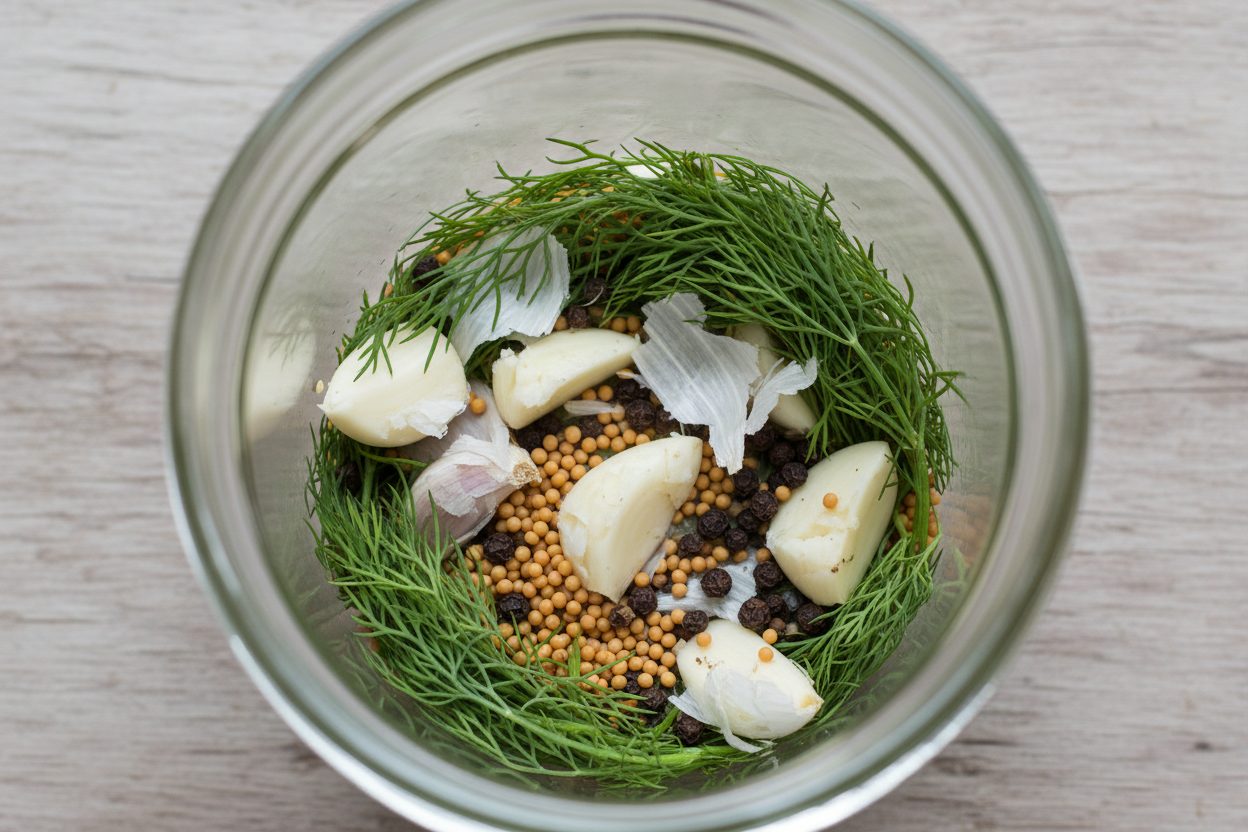
- Prepare a large 2-quart glass jar (or two 1-quart jars) by ensuring it is clean. At the bottom of the jar, layer the fresh dill sprigs, the 4-6 smashed garlic cloves, 1 teaspoon of mustard seeds, and 1 teaspoon of black peppercorns. This base layer ensures the flavors infuse evenly throughout the pickles.
- Pack the cucumber spears tightly into the jar, vertically, over the layer of spices. The tighter you pack them, the less likely they are to float, and the more pickles you can make. If using halves, arrange them snugly.
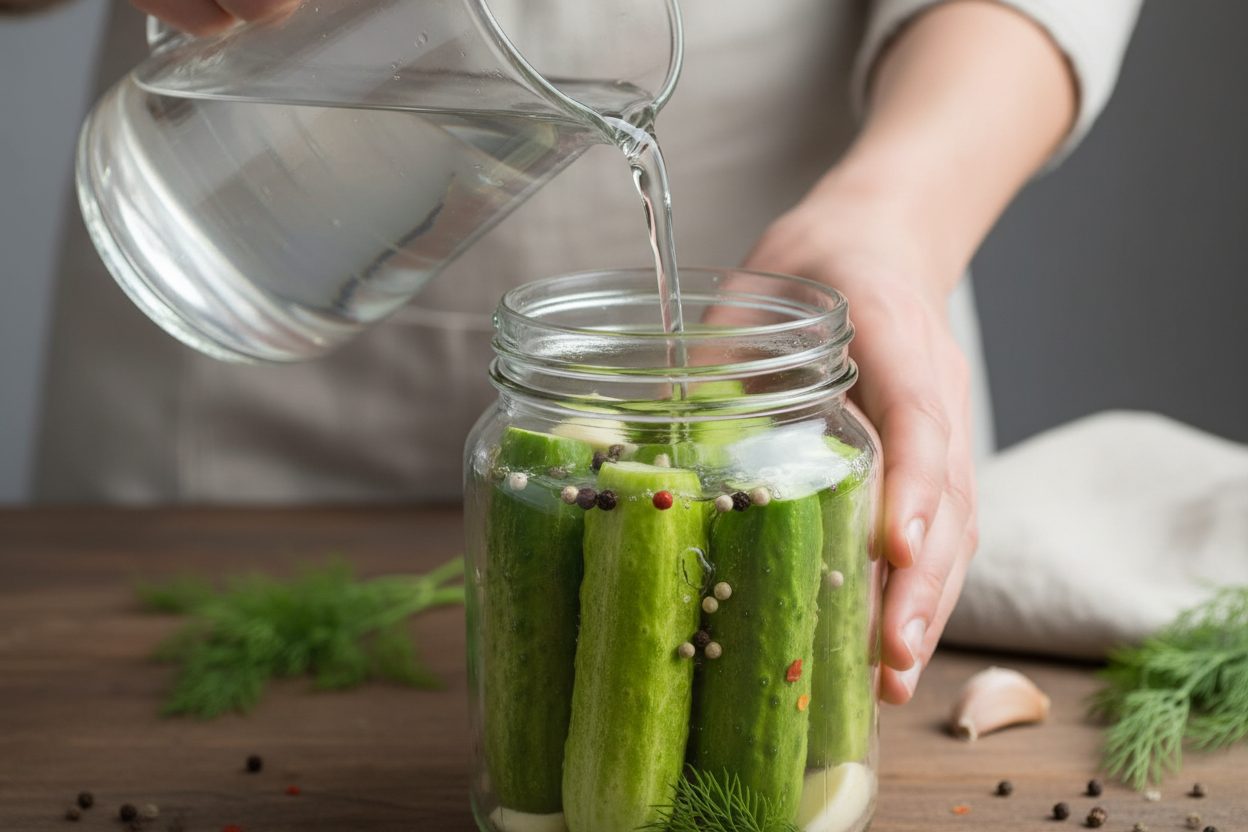
- Carefully pour the prepared cold brine over the packed cucumbers, ensuring they are entirely submerged. It is critical that no cucumber pieces are exposed to air, as this can lead to spoilage. If necessary, gently press down on the cucumbers to release any trapped air bubbles.
- Secure the lid tightly on the jar. Gently shake the jar a few times to help distribute the spices and brine. Place the jar in the refrigerator immediately. Allow the pickles to rest for at least 3 to 4 days before eating. This duration is essential for the flavors to meld and the cucumbers to achieve their optimal taste and texture. For maximum flavor, allowing them to sit for a full week will yield even better results.
Expert Tips for Maximum Crunch
Achieving that signature snap in your crunchy dill pickles is the ultimate goal. Several factors contribute to maintaining the cucumber’s firm texture throughout the pickling process.
Firstly, always use cold water for the brine. This helps shock the cucumbers and prevents them from softening. Think of it as a cold bath for your cucumbers, locking in their natural crispness.
Secondly, pay close attention to the cucumbers themselves. Select only the freshest, firmest pickling cucumbers. Any signs of softness or wilting will translate into a less crunchy pickle. As mentioned in the instructions, trimming the blossom end of the cucumber is a crucial step. The blossom end contains enzymes that, if left intact, can cause the pickles to become soft over time. A small trim can make a significant difference.
Lastly, avoid using table salt. The anti-caking agents and iodine often found in regular table salt can not only cloud your brine but also affect the texture and flavor of your pickles. Stick to pure kosher salt or pickling salt for the best results. A small grape leaf added to each jar is an old trick some pickle makers use; the tannins can also help keep pickles firm, though it is not strictly necessary for this recipe.
Storage and Shelf Life
These homemade kosher dills are designed to be stored in the refrigerator, which is why they are often called crisp fridge pickles. Once prepared, the jars must remain in the cold environment of your refrigerator. Stored properly, these pickles will maintain their excellent flavor and crunch for up to a month. While they are safe to consume beyond this period, their texture may gradually soften, and the flavors may become less vibrant. Always use a clean utensil when removing pickles from the jar to prevent contamination and extend their shelf life. As time progresses, the flavors will continue to develop, so don’t be afraid to let them sit for a week or more for an even deeper, more complex taste.
Frequently Asked Questions
Why is this a no-canning pickles recipe?
This recipe is specifically designed to be a no-canning pickles method because it relies on refrigeration for preservation, not heat processing. The advantage is a significantly crisper pickle, as the cucumbers are never subjected to high temperatures that can soften their texture. This method prioritizes the fresh crunch over long-term, shelf-stable storage.
What kind of cucumbers are best for crunchy dill pickles?
For the best crunchy dill pickles, always opt for pickling cucumbers. Varieties like Kirby, Gherkin, or Persian cucumbers are ideal. They are typically smaller, firmer, and have thinner skins than slicing cucumbers, allowing them to absorb the brine effectively while retaining their crispness. Avoid larger, waxy cucumbers, as they tend to become soft during the pickling process.
Can I reduce the amount of salt in the brine?
While it might be tempting to reduce the salt for dietary reasons, it is generally not recommended for this type of refrigerator pickle recipe. Salt plays a crucial role in both the flavor and the texture of the pickles. It helps draw out moisture from the cucumbers, contributing to their crispness, and also acts as a preservative. Significantly altering the salt content can compromise the texture and overall quality of your homemade pickles.
How long do Claussen Copycat Dill Pickles need to marinate before eating?
For optimal flavor development and texture, these homemade kosher dills should marinate in the refrigerator for at least 3 to 4 days. While you might be able to taste them sooner, waiting the full recommended time allows the cucumbers to fully absorb the garlic, dill, and brine flavors, giving you that authentic Claussen Copycat Dill Pickles taste. For an even more intense flavor, extending the marination to a full week is often beneficial.
This recipe for Claussen Copycat Dill Pickles brings the unmistakable flavor and satisfying crunch of your favorite refrigerator pickles right into your home kitchen. With simple ingredients and a straightforward cold brine process, you can enjoy vibrant, crunchy dill pickles without the complexities of traditional canning. Experiment with these garlic dill cucumber spears and elevate your snack game.
For more delicious recipes and kitchen tips, be sure to Follow our Facebook page.
Homemade Refrigerator Kosher Dill Pickles
Ingredients
- 1.5 lbs Pickling Cucumbers washed and quartered into spears
- 4 cups Water cold or room temperature
- 1 cup Distilled White Vinegar provides the classic tang
- 3 tbsp Kosher Salt essential for the brine
- 4 sprigs Fresh Dill stems and fronds
- 4 cloves Garlic smashed
- 1 tsp Mustard Seeds whole seeds
- 1 tsp Black Peppercorns whole peppercorns
Instructions
- Wash cucumbers thoroughly and slice them into halves or spears according to your preference.
- In a large pitcher or bowl, whisk together the water, white vinegar, and kosher salt until the salt is completely dissolved to create the brine.
- In a large 2-quart glass jar (or two 1-quart jars), place the fresh dill, smashed garlic cloves, mustard seeds, and black peppercorns at the bottom.
- Pack the cucumber spears tightly into the jar over the spices.
- Pour the prepared brine over the cucumbers, ensuring they are completely submerged.
- Secure the lid tightly and gently shake the jar. Place in the refrigerator for at least 3 to 4 days before eating for maximum flavor.
For more daily recipes and tips, follow us on Facebook!
Click here to join our community!