Introduction
What Makes a Classic Beef Stew Truly Irresistible?
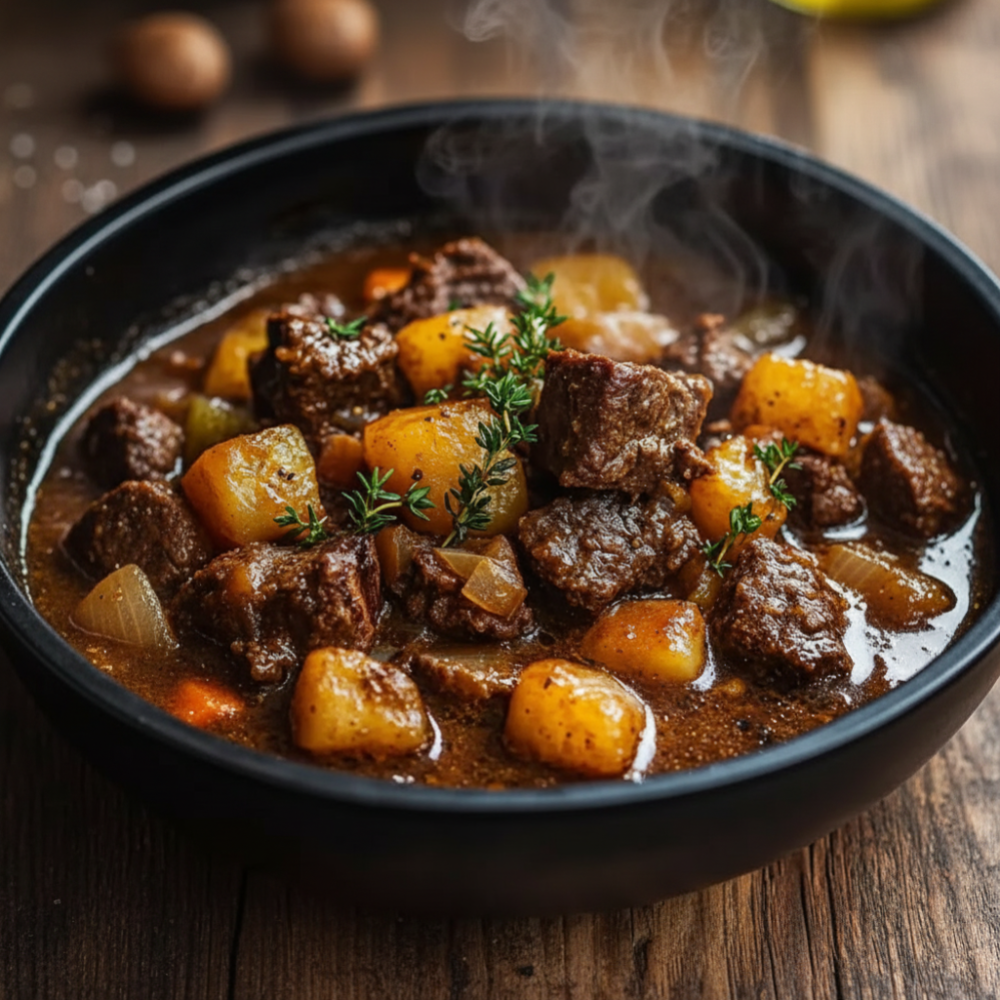
There are some dishes that transcend mere meals and become an experience, a warm hug on a plate. A truly irresistible stew is one such culinary marvel. It’s a symphony of rich, deep flavors, tender ingredients, and a comforting aroma that fills the entire home. It speaks of tradition, of simmering pots on cold evenings, and the simple joy of sharing good food with loved ones. It’s hearty, nourishing, and deeply satisfying, making it a timeless favorite in kitchens around the world.
The Ultimate Cold-Weather Comfort Food
As the days grow shorter and the air bites with a crisp chill, our appetites naturally turn towards dishes that offer warmth and sustenance. This is where a classic beef stew shines brightest. It’s the epitome of comfort food, a meal designed to chase away the chill and leave you feeling utterly content. Imagine a bowl brimming with succulent, slow cooked beef, vibrant vegetables, and a luscious, savory gravy. It’s not just a meal; it’s an invitation to gather around the table, a promise of warmth on even the frostiest of evenings. This robust dish transforms simple ingredients into something extraordinary, making it a perfect contender for your next round of winter dinner ideas.
1. Choosing the Right Ingredients
Why Beef Chuck is the Best Cut
The foundation of any exceptional beef stew lies in the cut of meat. For a truly melt-in-your-mouth experience, there’s no substitute for beef chuck. This cut, taken from the shoulder, is rich in connective tissue which, when subjected to long, slow cooking, breaks down into gelatin. This transformation is what gives the beef its incredible tenderness and contributes a luxurious body to the stew’s liquid. While it may seem tough initially, patience in the kitchen unlocks its full potential, yielding moist, flavorful pieces that practically dissolve on your tongue.
Hearty Root Vegetables: Potatoes, Carrots, and Onions
Beyond the beef, a great stew is defined by its supporting cast of vegetables. Hearty beef stew relies on robust root vegetables that can withstand long cooking times while still holding their shape and infusing the broth with their earthy sweetness. Potatoes (Yukon Gold or red potatoes work wonderfully for their waxier texture), sweet carrots, and pungent onions are the triumvirate here. They absorb the rich flavors of the stew while adding essential texture, color, and nutrition. Don’t forget a touch of celery for an aromatic base!
Secret Flavor Enhancers: Soy Sauce, Balsamic Vinegar, and Tomato Paste
To truly elevate your stew from good to unforgettable, a few “secret” ingredients can work wonders. A splash of soy sauce, even in a non-Asian dish, introduces a depth of salty umami flavor that enhances the beef’s natural richness without making the stew taste distinctly Asian. Similarly, a touch of balsamic vinegar adds a subtle tang and acidity that brightens the overall profile, cutting through the richness and adding complexity. Finally, a tablespoon or two of concentrated tomato paste deepens the color, thickens the sauce, and provides another layer of savory umami that is absolutely essential for a well-rounded flavor profile.
2. Essential Cooking Techniques for Deep Flavor
The Importance of Searing the Meat (Fond is Flavor)
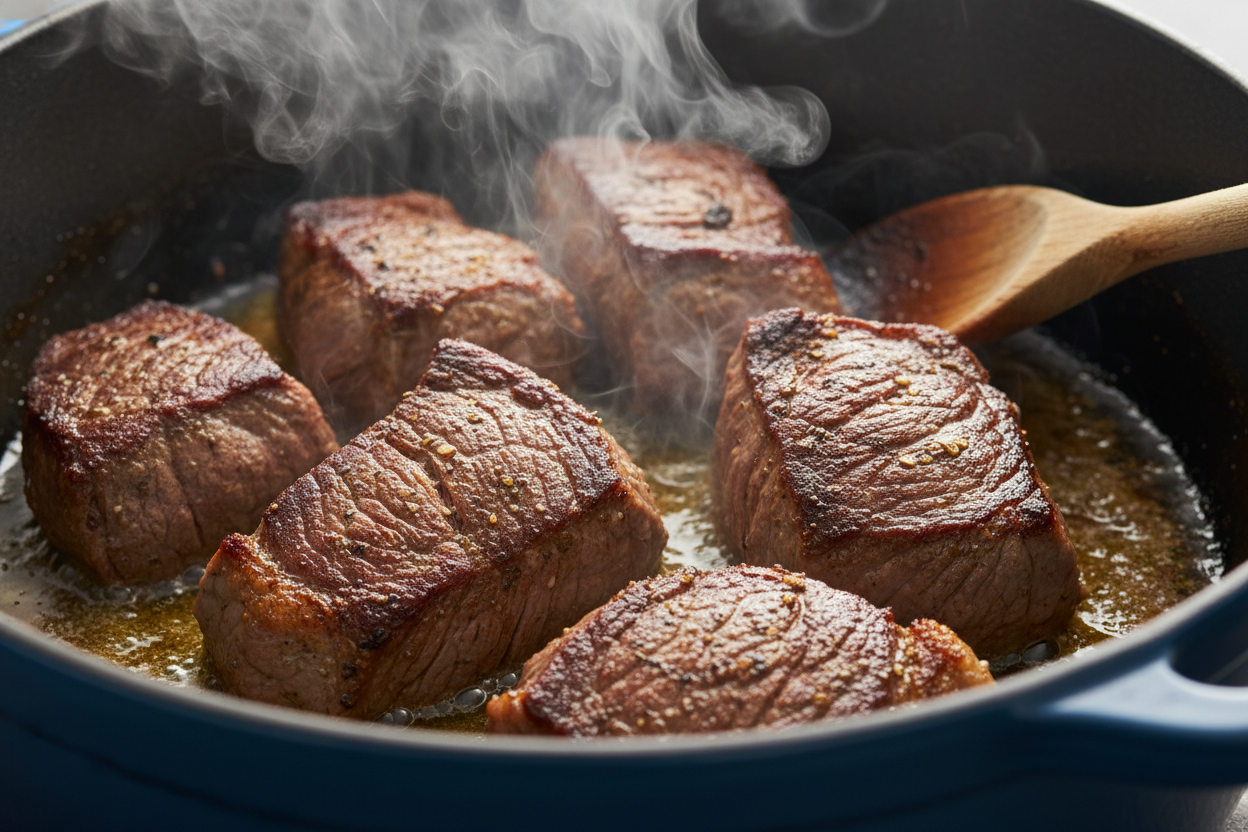
Before you even think about simmering, the first and most critical step for a flavorful stew is searing the beef. This isn’t just about browning; it’s about developing a rich crust on the surface of the meat, a process known as the Maillard reaction. This reaction creates hundreds of new flavor compounds. More importantly, it leaves behind a treasure trove of browned bits stuck to the bottom of your pot – this is called “fond.” As any seasoned cook knows, fond is flavor. Don’t crowd the pan; sear the beef in batches to ensure a proper, deep brown crust.
Deglazing the Pot with Wine or Beef Broth
Once the beef is beautifully seared and removed from the pot, those precious browned bits (fond) need to be liberated. This is where deglazing comes in. Pour in a liquid – traditionally red wine for its depth and acidity, or excellent quality beef broth if you prefer to avoid alcohol. As the liquid heats and simmers, use a wooden spoon to scrape up all those flavorful bits from the bottom of the pot. This step is non-negotiable; it infuses the entire stew with a concentrated layer of savory goodness that would otherwise be lost.
Low and Slow: Stewing for Meltingly Tender Beef
Patience is the ultimate ingredient when it comes to stew. After all the searing and deglazing, the magic truly happens during the low and slow cooking phase. This extended simmering at a gentle temperature is what allows the tough connective tissues in the beef chuck to gradually break down, transforming it into gloriously meltingly tender beef. Rushing this process will result in tough, chewy meat. A proper stew needs time – typically anywhere from 2 to 3 hours on the stovetop or in the oven, or even longer in a slow cooker – to achieve that perfect, fall-apart texture and deeply melded flavors.
3. Step-by-Step Recipe Walkthrough
Let’s bring it all together for that ultimate hearty beef stew experience. This detailed walkthrough will guide you through each stage, ensuring a delicious outcome.
Preparing and Chopping the Ingredients
- Start by patting your beef chuck dry with paper towels. Cut it into 1.5 to 2-inch cubes. Season generously with salt and freshly ground black pepper.
- Peel and chop your onions into a medium dice. Peel carrots and cut them into 1-inch thick rounds or chunks. If using larger potatoes, cut them into quarters or substantial chunks so they don’t disintegrate during cooking.
- Mince your garlic. If using fresh herbs like thyme, remove the leaves from the stems and chop lightly.
Sautéing Aromatics (Onions, Carrots, Celery, Thyme)
- In a heavy-bottomed pot or dutch oven, heat a tablespoon or two of oil (vegetable or olive) over medium-high heat until shimmering.
- Working in batches, sear the seasoned beef until deeply browned on all sides. Do not crowd the pan; give the beef space to brown properly. Remove seared beef to a plate and set aside.
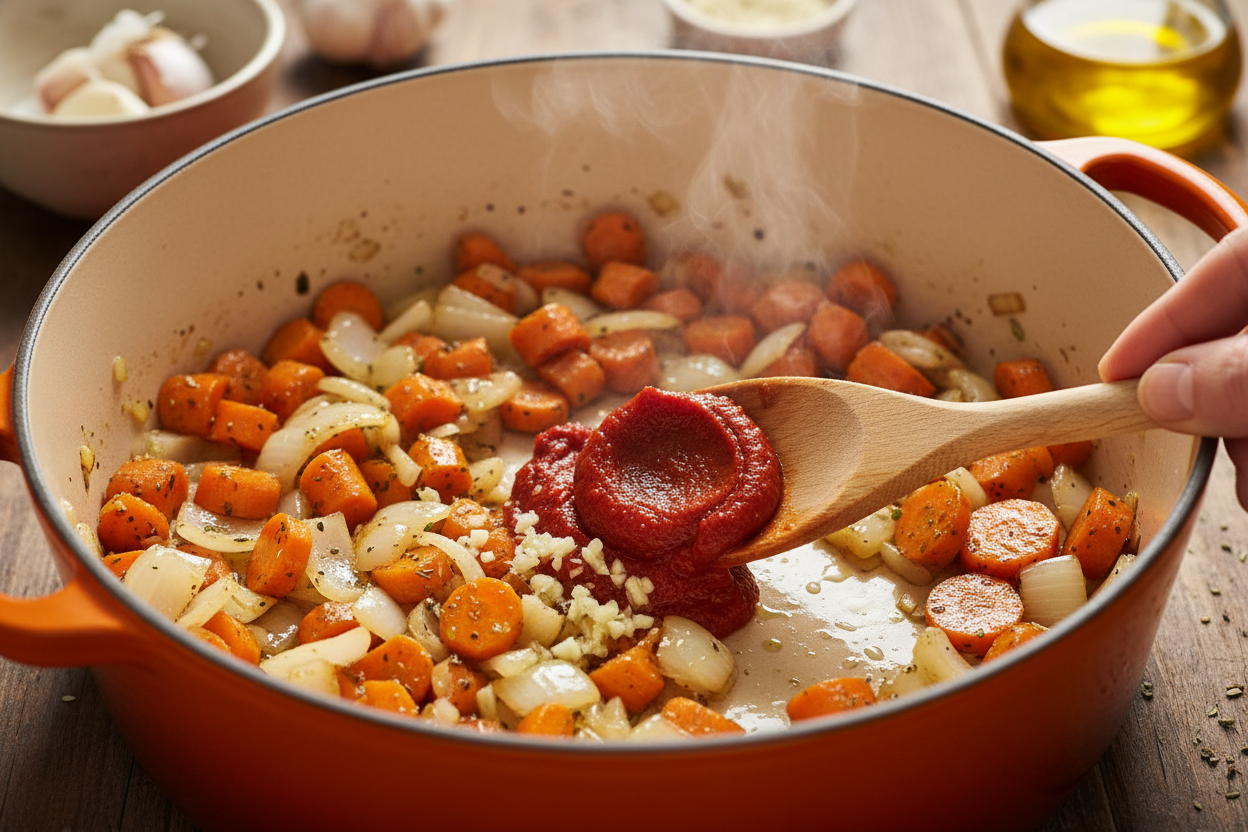
- Reduce heat to medium. Add the chopped onions, carrots, and celery to the same pot, scraping up any fond from the bottom. Sauté for about 5-7 minutes until softened. Stir in the minced garlic and fresh thyme, cooking for another minute until fragrant.
- Stir in the tomato paste and cook for 2-3 minutes, stirring constantly, to deepen its flavor.
Building the Stew Liquid and Thickening with Flour
- Sprinkle 2-3 tablespoons of all-purpose flour over the sautéed vegetables. Stir well and cook for 1-2 minutes, creating a roux that will help thicken the stew.
- Pour in 1-2 cups of red wine (like a Cabernet Sauvignon or Merlot) or beef broth, scraping the bottom of the pot vigorously to deglaze and incorporate all those flavorful brown bits.
- Return the seared beef to the pot. Add enough beef broth to just cover the meat and vegetables. Stir in a splash of soy sauce and balsamic vinegar.
- Bring the stew to a gentle simmer. Once simmering, reduce the heat to low, cover the pot tightly, and let it cook for at least 2 hours, or until the beef is fork-tender. Add the potatoes about 45 minutes to an hour before the stew is done, so they cook through but don’t become mushy.
Expert Tip: Always taste and adjust seasoning throughout the cooking process. A pinch more salt, a grind of pepper, or even a tiny splash of vinegar can transform the final flavor!
4. Cooking Methods & Equipment
Dutch Oven vs. Slow Cooker vs. Instant Pot
While the goal is always tender beef and rich flavor, how you achieve it can vary based on your equipment and schedule. A dutch oven beef stew is arguably the most traditional and yields fantastic results, whether simmering on the stovetop or braising in the oven. Its heavy construction ensures even heat distribution and retention.
For hands-off convenience, a slow cooker is unbeatable. After initial searing on the stovetop, transfer everything to the slow cooker and let it gently simmer for 6-8 hours on low or 3-4 hours on high. This method is perfect for busy days.
The Instant Pot offers speed. While it can pressure cook a stew in a fraction of the time (around 35-45 minutes under pressure), remember that the flavors won’t meld quite as deeply as with a truly slow cooked method. However, it’s a great option when time is of the essence.
Stovetop Simmering vs. Oven Braising
Once you’ve assembled your stew, you have a choice for the long cook: stovetop or oven. Stovetop simmering requires more attention to ensure it maintains a very gentle simmer and doesn’t scorch on the bottom. It’s great if you like to keep an eye on things and stir occasionally.
Oven braising, typically around 300-325°F (150-160°C), provides a more even, all-around heat that gently cooks the stew from all directions. This method is often preferred for its consistent results and less risk of sticking. Whichever you choose, ensure the pot is tightly covered to prevent excessive liquid evaporation.
5. Serving Suggestions & Pairings
Crusty Bread, Mashed Potatoes, or Egg Noodles
A glorious stew demands something equally comforting to soak up all that incredible, savory gravy. A thick slice of warm, crusty bread is a classic choice, perfect for dipping. Alternatively, serving your stew over a bed of fluffy mashed potatoes creates an undeniably luxurious experience, allowing the rich sauce to seep into every creamy bite. For a heartier, European-inspired meal, broad egg noodles are another excellent companion, providing a satisfying texture and mild flavor that complements the robust stew.
Fresh Parsley and Citrus Zest Finishes
Don’t underestimate the power of a simple garnish to elevate your stew. A sprinkle of freshly chopped fresh parsley not only adds a vibrant pop of color but also introduces a fresh, herbaceous note that brightens the entire dish. For an unexpected but delightful touch, grate a tiny bit of citrus zest (lemon or orange) over each serving. The subtle acidity and aromatic oils awaken the palate and provide a beautiful contrast to the stew’s richness, making each spoonful sing.
6. Storage, Freezing, and Reheating Tips
Why Stew Tastes Better the Next Day
It’s an age-old culinary truth: stew almost always tastes better the next day. This phenomenon is due to the ingredients having more time to “marry.” As the stew cools, then is reheated, the flavors continue to meld and deepen, allowing the spices, herbs, and aromatics to fully infuse into the broth and the beef. The starches from the potatoes and thickeners also fully hydrate, leading to an even more luxurious, cohesive texture.
How to Freeze and Thaw Properly
Stew is an excellent candidate for meal prepping and freezing. Once cooled completely, transfer individual portions into airtight, freezer-safe containers or heavy-duty freezer bags. Lay bags flat to freeze for easy stacking. Stew can be safely stored in the freezer for up to 3 months.
To thaw, simply transfer the frozen stew to the refrigerator overnight. Reheat gently on the stovetop over medium-low heat, stirring occasionally, or in the microwave until thoroughly heated through. You might need to add a splash of beef broth or water if it has thickened too much during storage.
7. Frequently Asked Questions (FAQs)
How do I thicken a watery stew?
If your stew is too watery, you have a few options. The simplest is to make a slurry: mix a tablespoon of cornstarch with a tablespoon of cold water until smooth. Stir this into your simmering stew and cook for another minute or two until it thickens. You can also simmer the stew uncovered for a longer period to allow some of the liquid to evaporate, concentrating the flavors and thickening the sauce naturally.
Can I make this without wine?
Absolutely! While red wine adds a wonderful depth and acidity, you can easily substitute it. Simply replace the wine with an equal amount of good quality beef broth. You might want to add an extra splash of balsamic or red wine vinegar (non-alcoholic) at the end to compensate for the acidity that the wine would have provided.
What happens if the beef is still tough?
If your beef chuck is still tough after the recommended cooking time, it simply needs more time. Toughness in stew meat almost always means it hasn’t cooked long enough for the connective tissues to fully break down. Cover the pot and continue to simmer it gently for another 30-60 minutes, checking periodically, until the beef is fall-apart tender. Don’t be afraid to give it the time it needs; patience is key to perfect, tender beef.
We hope this guide inspires you to create your own magnificent pot of hearty beef stew. For more delicious recipes and cooking tips, make sure to follow us on Facebook!
Find us here: https://www.facebook.com/profile.php?id=61568538666337
Irresistible Classic Beef Stew
Ingredients
- 2 lb Beef chuck roast Cut into 1.5-inch pieces, trimmed of excess fat
- 2 tbsp Olive oil Divided
- 1 large Yellow onion Chopped
- 3 large Carrots Peeled and cut into 1-inch chunks
- 3 medium Russet potatoes Peeled and cut into 1.5-inch pieces
- 4 Garlic cloves Minced
- 2 tbsp Tomato paste
- 3 tbsp All-purpose flour
- 4 cups Beef broth Low sodium preferred
- 1/2 cup Dry red wine Cabernet Sauvignon or Pinot Noir (optional)
- 1 tbsp Soy sauce Adds umami
- 3 sprigs Fresh thyme
- 1 Bay leaf
- 1 tsp Salt and black pepper To taste
Instructions
- Pat the beef chunks dry with paper towels and season generously with salt and black pepper.
- Heat 1 tablespoon of olive oil in a large Dutch oven over medium-high heat. Add the beef in batches to avoid overcrowding, searing until browned on all sides, about 5-7 minutes per batch. Transfer the browned beef to a plate.
- Lower the heat to medium and add the remaining tablespoon of olive oil to the pot. Add the chopped onions and carrots, sautéing until they begin to soften, about 5 minutes.
- Stir in the minced garlic and tomato paste, cooking for 1 minute until fragrant and slightly darkened.
- Sprinkle the flour over the vegetables and stir constantly for 1-2 minutes to cook off the raw flour taste.
- Pour in the red wine and beef broth, scraping the bottom of the pot with a wooden spoon to release any browned bits (the fond). Stir in the soy sauce.
- Return the seared beef and any resting juices to the pot. Add the potatoes, fresh thyme sprigs, and bay leaf. Bring the liquid to a gentle boil.
- Reduce the heat to low, cover, and simmer for 1.5 to 2 hours, or until the beef and vegetables are fork-tender. Stir occasionally to prevent sticking.
- Remove the thyme sprigs and bay leaf. Taste and adjust seasoning with additional salt and pepper if needed. Serve hot.
For more daily recipes and tips, follow us on Facebook!
Click here to join our community!