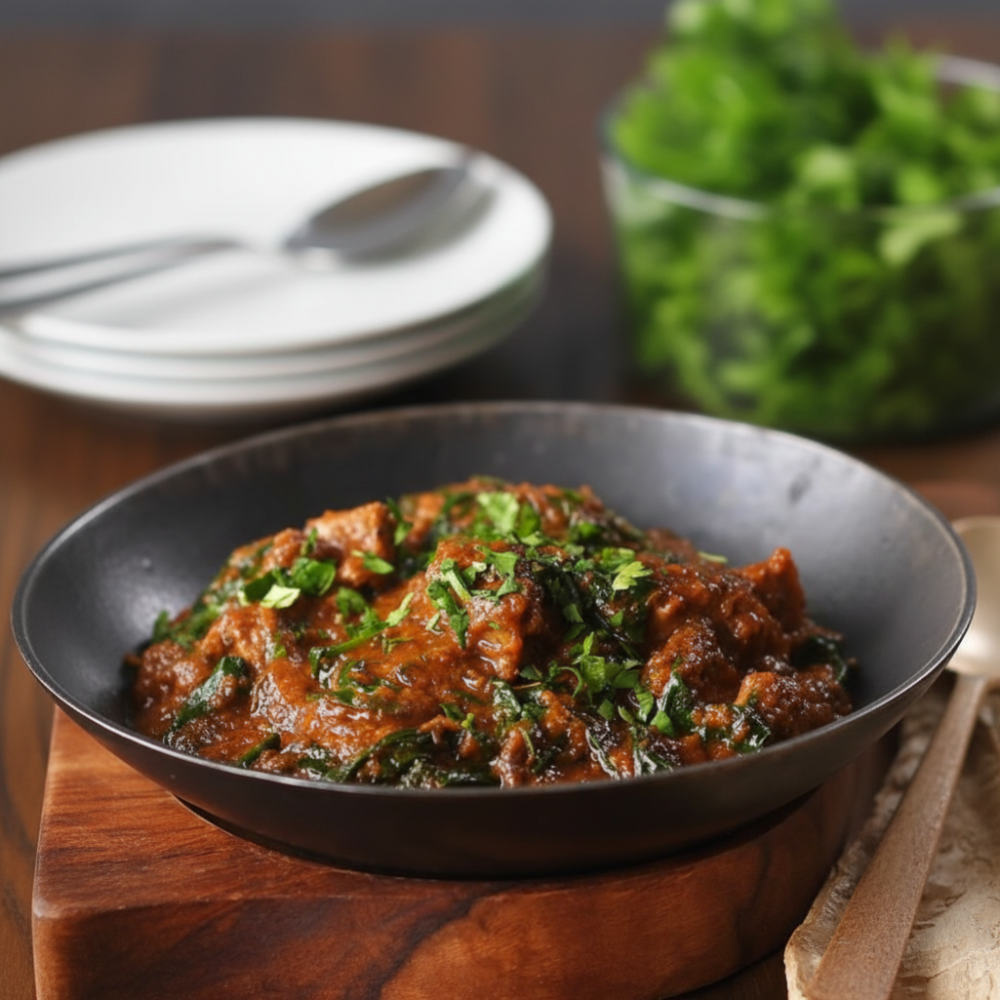
Welcome, fellow food lovers, to a journey into the heart of Indian-British cuisine! Today, we’re unraveling the secrets to a truly magnificent dish that has graced countless restaurant tables and warmed countless souls: the legendary Lamb Saag. This isn’t just a recipe; it’s an experience, a slow-cooked symphony of tender meat and vibrant greens that promises to transport your taste buds straight to the bustling kitchens of the subcontinent. Get ready to master a classic that’s as comforting as it is complex.
1. What is Lamb Saag?
At its core, Saag in Indian cuisine refers to a dish made with leafy green vegetables, most commonly spinach, mustard greens, or fenugreek leaves. When combined with meat, particularly lamb, it transforms into the rich and hearty saagwala curry that we adore. This beautiful fusion of tender, spiced meat and verdant greens creates a balance that is both wholesome and deeply satisfying.
The history of this particular preparation, often known as Saag Gosht when made with any meat, is deeply intertwined with the evolution of the British Indian restaurant menu. While its roots are firmly in North Indian and Punjabi traditions, the version we cherish today has been perfected over decades in the UK, becoming a stalwart alongside classics like Balti and Tikka Masala. It represents comfort food at its finest, a testament to the subcontinent’s incredible culinary heritage.
It’s important to distinguish it from other Indian spinach and meat dishes. While Saag Gosht is the generic term for meat with greens, our focus here is specifically on lamb. You might also encounter Palak Paneer, which features spinach with Indian cheese rather than meat, offering a vegetarian counterpoint with its own unique charm and texture. The distinctiveness of our curried lamb and spinach lies in the robust meatiness complemented by the earthy greens.
2. A Gloriously Meaty Curry: Why This Recipe Works
The magic behind an unforgettable curry, especially one like this, lies in the patience of slow cooking. When preparing a rich curry like this, the gentle, prolonged heat breaks down the tough connective tissues in the lamb, rendering it incredibly tender and succulent. This process allows the meat to fully absorb the complex medley of spices, ensuring every bite is bursting with flavor. It’s a true labor of love, but one that pays dividends in unparalleled deliciousness, reminiscent of a perfectly slow cooked saag gosht.
What truly elevates this particular recipe is the exquisite balance it strikes. The richness of the slow-cooked lamb, often slightly fatty from the shoulder or leg, is beautifully cut by the freshness and slight bitterness of the spinach. Add to this the bright, peppery notes of vibrant cilantro, and you have a symphony of flavors that is both hearty and refreshing. This delicate interplay prevents the dish from feeling heavy, making it a perfectly rounded meal, culminating in a magnificent lamb and cilantro gravy.
While lamb is undeniably superb in this dish, the technique is wonderfully versatile. If you’re looking for protein variations, you can certainly explore a hearty curried beef and spinach. Using boneless beef stew meat, prepared with the same slow-cooking method, yields a similarly tender and deeply flavored outcome. Just ensure you choose a cut that benefits from long, slow braising to achieve that melt-in-your-mouth texture.
3. Key Ingredients for an Authentic Flavor Profile
Creating an authentic saag requires a thoughtful selection of ingredients. Quality truly makes a difference here.
The Meat: Choosing the Right Cut
For the most succulent results, opt for boneless lamb shoulder or leg. These cuts have a good amount of fat and connective tissue, which, when slow-cooked, break down to create incredibly tender, flavorful pieces that practically fall apart. Cut your chosen lamb into generous 1.5-inch cubes to prevent them from drying out during the long simmer.
The Greens: Fresh Spinach vs. Alternatives
While fresh spinach is ideal for its vibrant color and delicate texture, don’t be afraid to use alternatives. A mix of fresh spinach with a handful of mustard greens (sarson ka saag) can add a wonderfully authentic, slightly bitter depth. If fresh isn’t an option, high-quality frozen spinach, thawed and squeezed of excess water, works remarkably well, making this dish accessible year-round.
The Aromatics: The Flavor Foundation
No Indian curry is complete without its aromatic backbone. You’ll need plenty of fresh ginger, minced garlic, and onions. These form the foundational paste that lends depth and fragrance to the gravy. Don’t skimp on these; they are crucial for building complex flavor layers.
The Spices: The Soul of the Curry
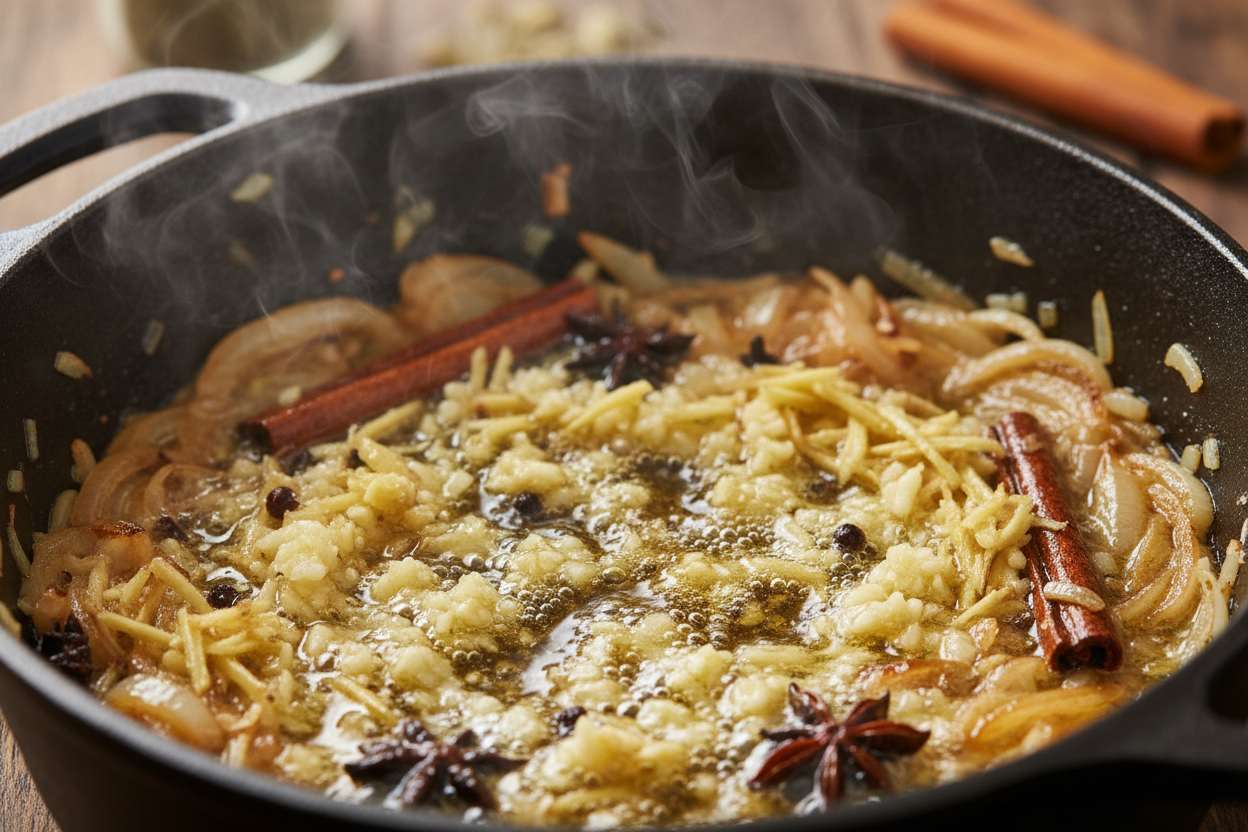
The spice blend is where the magic happens. Essential ground spices include cumin, coriander, turmeric, and a good quality garam masala. For an extra layer of authenticity, consider starting with whole spices like cumin seeds, green cardamom pods, and a bay leaf, tempering them in hot oil before adding the aromatics. This traditional saag preparation technique unlocks their full aromatic potential.
4. Step-by-Step Preparation Style: Curried to Perfection
Mastering this dish is all about layering flavors thoughtfully. Follow these steps for a rich and aromatic curry.
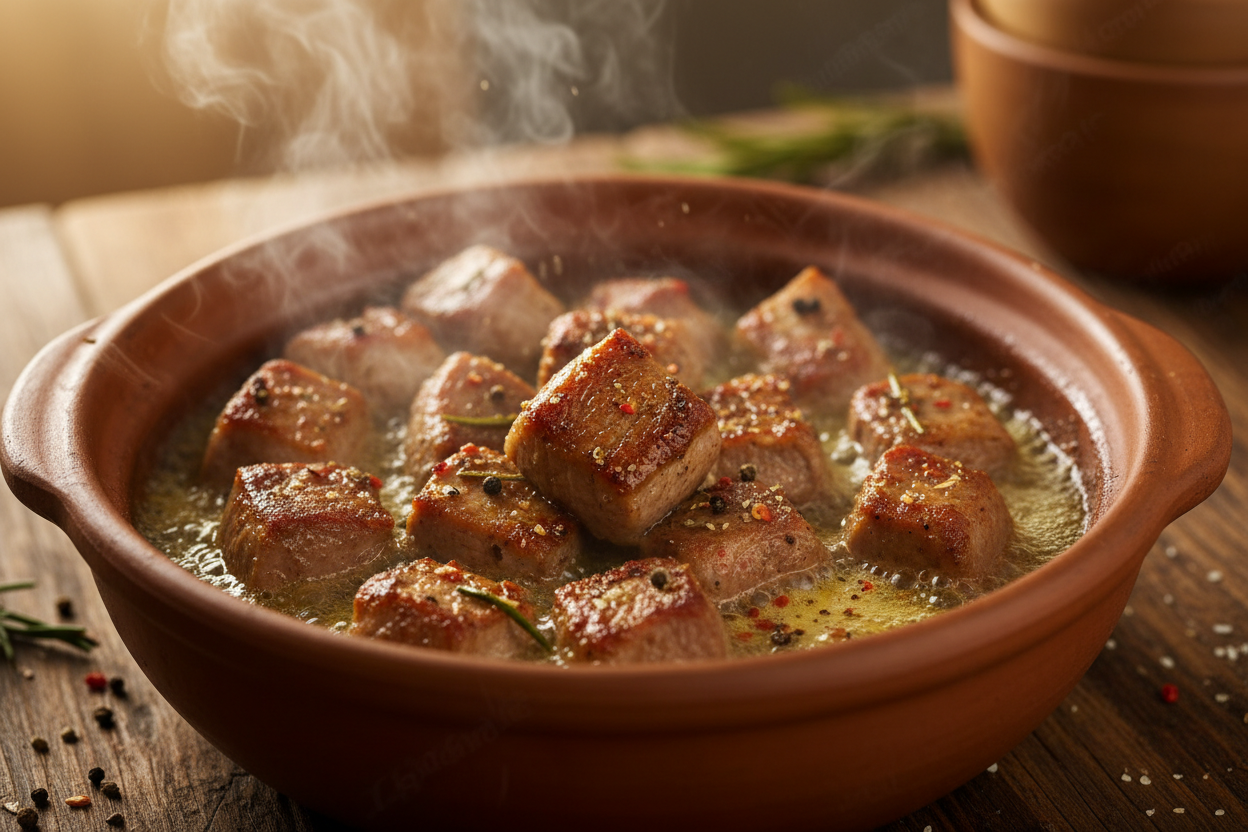
- Searing the Meat: Building a Flavor Foundation. Heat a generous amount of oil or ghee in a heavy-bottomed pot or Dutch oven over medium-high heat. Season your lamb cubes generously with salt and pepper. Sear the lamb in batches until deeply browned on all sides. This creates a beautiful crust and locks in moisture, forming a crucial flavor foundation. Remove the seared lamb and set aside.
- Crafting the Aromatic Gravy. In the same pot, reduce the heat to medium. Add a little more oil if needed, then sauté finely chopped onions until softened and translucent, about 8-10 minutes. Stir in the minced ginger and garlic, cooking until fragrant, about 2 minutes.
- Next, add your ground spices: cumin, coriander, turmeric, and a pinch of Kashmiri chili powder for color (optional). Sauté for another minute, stirring constantly, to toast the spices and deepen their flavor. Stir in a splash of water if the mixture seems too dry to prevent burning.
- Add puréed tomatoes (or finely chopped fresh tomatoes) to the pot, along with a bit of salt. Cook this mixture, stirring occasionally, until the oil begins to separate from the masala, indicating the gravy has cooked down beautifully – this could take 10-15 minutes.
- The Slow Simmering Process. Return the seared lamb to the pot. Add enough hot water or beef broth to just cover the meat. Bring the mixture to a gentle simmer, then reduce the heat to low, cover the pot, and cook for at least 1.5 to 2 hours, or until the lamb is incredibly tender. Stir occasionally to prevent sticking.
- Incorporating the Pureed Greens. While the lamb is simmering, blanch your fresh spinach (or thaw and squeeze frozen spinach). Once cooled, blend it into a smooth purée, adding a little water if needed. In the final 20-30 minutes of the lamb’s cooking time, stir the spinach purée into the curry. Continue to simmer, uncovered, allowing the flavors to meld and the gravy to thicken to your desired consistency. Finish with a generous handful of fresh chopped cilantro and a final sprinkle of garam masala.
5. Chef’s Tips for Restaurant-Style Saagwala
Achieving that rich, unctuous texture and vibrant color, typical of a top-tier British Indian restaurant menu, requires a few insider tricks:
- Achieving the Unctuous, Thick Texture: The key here is patience. Allow the curry to simmer, uncovered, during the last phase to reduce and thicken naturally. A little trick is to mash a few pieces of lamb against the side of the pot as it simmers, which helps release starches and further thickens the gravy. Also, don’t be afraid to use a heavy hand with your aromatics; the cooked-down onions and tomatoes contribute significantly to the body.
- How to Keep the Spinach from Turning Dull and Brown: The secret is to add the pureed greens towards the end of the cooking process. Overcooking spinach can cause it to lose its vibrant green hue. Blanching it briefly before pureeing and then adding it during the last 20-30 minutes of simmering ensures it retains its beautiful color and fresh flavor. A squeeze of lemon juice or a pinch of sugar at the end can also brighten the greens.
- The Importance of Dry-Roasting Whole Spices: For a truly authentic and aromatic experience, consider dry-roasting whole cumin seeds, coriander seeds, and cardamom pods before grinding them. This process, often part of traditional saag preparation, unlocks deeper, more complex flavors that simply can’t be achieved with pre-ground spices alone. Toast them in a dry pan over medium heat until fragrant, then grind them in a spice grinder.
- Make-Ahead Instructions and Freezing Advice: This curried lamb and spinach dish actually tastes even better the next day, allowing the flavors to deepen and meld. Store leftovers in an airtight container in the refrigerator for up to 3-4 days. It also freezes exceptionally well for up to 3 months. Thaw overnight in the fridge and reheat gently on the stovetop, adding a splash of water or broth if needed to restore its consistency.
6. Serving Suggestions and Pairings
A magnificent curry like this deserves equally delicious accompaniments to complete the meal.
- The Best Flatbreads: There’s nothing quite like scooping up rich gravy with warm, soft bread. Garlic naan is a classic choice, its buttery, garlicky notes complementing the curry perfectly. Plain naan, flaky paratha, or even simple roti are also excellent options for sopping up every last drop of that delectable sauce.
- Perfect Rice Pairings: Fragrant basmati rice is the traditional accompaniment, its delicate grains providing a lovely contrast to the robust curry. For an extra layer of flavor, consider making jeera rice (basmati rice tempered with cumin seeds). If you’re looking for a low-carb option, cauliflower rice works surprisingly well, absorbing the flavors beautifully.
- Complementary Side Dishes and Cooling Raita: To balance the richness, offer some simple sides. A crisp green salad, a fresh cucumber and tomato kachumber, or a cooling raita (yogurt with cucumber and mint) provides a refreshing counterpoint. A tangy mango chutney or a fiery pickle can also add an exciting burst of flavor.
7. Frequently Asked Questions (FAQs)
Can I use frozen spinach instead of fresh?
Absolutely! While fresh spinach provides a slightly brighter flavor and color, high-quality frozen spinach is a perfectly acceptable substitute. Just be sure to thaw it completely and squeeze out as much excess water as possible before puréeing to prevent a watery curry.
What if I want to use a different protein like beef or chicken?
This recipe is highly adaptable. For a robust curried beef and spinach, use boneless beef stew meat (like chuck) and follow the same slow-cooking method. Cooking time might need to be adjusted slightly, usually requiring a bit longer for beef to become truly tender. If using chicken, opt for boneless, skinless thighs cut into chunks. Chicken cooks much faster, so reduce the initial simmering time to about 30-40 minutes before adding the spinach to prevent it from becoming dry.
How spicy is this authentic recipe?
The spice level in this recipe is designed to be moderate, allowing the complex flavors of the lamb and spinach to shine through. The use of a pinch of Kashmiri chili powder provides color with mild heat. If you prefer a spicier curry, you can increase the amount of chili powder or add a finely chopped green chili along with the ginger and garlic. For less spice, simply omit the chili powder.
How long can I store leftovers in the fridge?
This curry is fantastic as leftovers! Store it in an airtight container in the refrigerator for up to 3-4 days. The flavors tend to deepen beautifully overnight. Reheat gently on the stovetop or in the microwave until thoroughly warmed through.
There you have it – your comprehensive guide to creating a truly authentic and deeply satisfying curried lamb and spinach. We hope this recipe brings the warmth and spice of Indian cuisine straight to your table. Don’t forget to follow our culinary adventures and get more delicious recipes by following us on Facebook!
Find us here: Our Facebook Page
Authentic Lamb Saag (Saagwala)
Ingredients
- 1.5 lbs Boneless lamb shoulder Cut into 1.5-inch cubes
- 1 lb Fresh spinach Or frozen spinach, thawed and drained
- 3 tbsp Ghee or vegetable oil
- 1 large Onion Finely chopped
- 4 cloves Garlic Minced
- 1 tbsp Fresh ginger Grated
- 1/2 cup Tomato puree
- 1 tsp Garam masala
- 1 tsp Ground cumin
- 1 tsp Ground coriander
- 1/2 tsp Turmeric powder
- 1/4 cup Fresh cilantro Finely chopped
- 1 cup Water or beef broth
- 1 tsp Kosher salt To taste
Instructions
- Heat the ghee or vegetable oil in a large heavy-bottomed pot or Dutch oven over medium-high heat.
- Add the lamb cubes in batches, searing until browned on all sides. Remove the lamb from the pot and set aside.
- In the same pot, lower the heat to medium and add the chopped onion. Sauté for 7 to 8 minutes until softened and golden brown.
- Stir in the minced garlic and grated ginger, cooking for an additional 1 minute until fragrant.
- Add the garam masala, ground cumin, ground coriander, and turmeric powder. Stir continuously for 30 seconds to lightly toast the spices.
- Return the browned lamb to the pot along with the tomato puree, salt, and water or broth. Bring the mixture to a gentle boil.
- Reduce the heat to low, cover the pot tightly, and simmer for 1.5 to 2 hours, or until the lamb is exceedingly tender.
- While the meat simmers, blanch the fresh spinach in boiling water for 1 minute, drain well, and blend into a coarse puree.
- Once the lamb is tender, stir the pureed spinach and freshly chopped cilantro into the curry. Simmer uncovered for 10 minutes to meld the flavors together.
- Taste and adjust the salt if necessary. Serve hot alongside steamed basmati rice or warm naan bread.
For more daily recipes and tips, follow us on Facebook!
Click here to join our community!