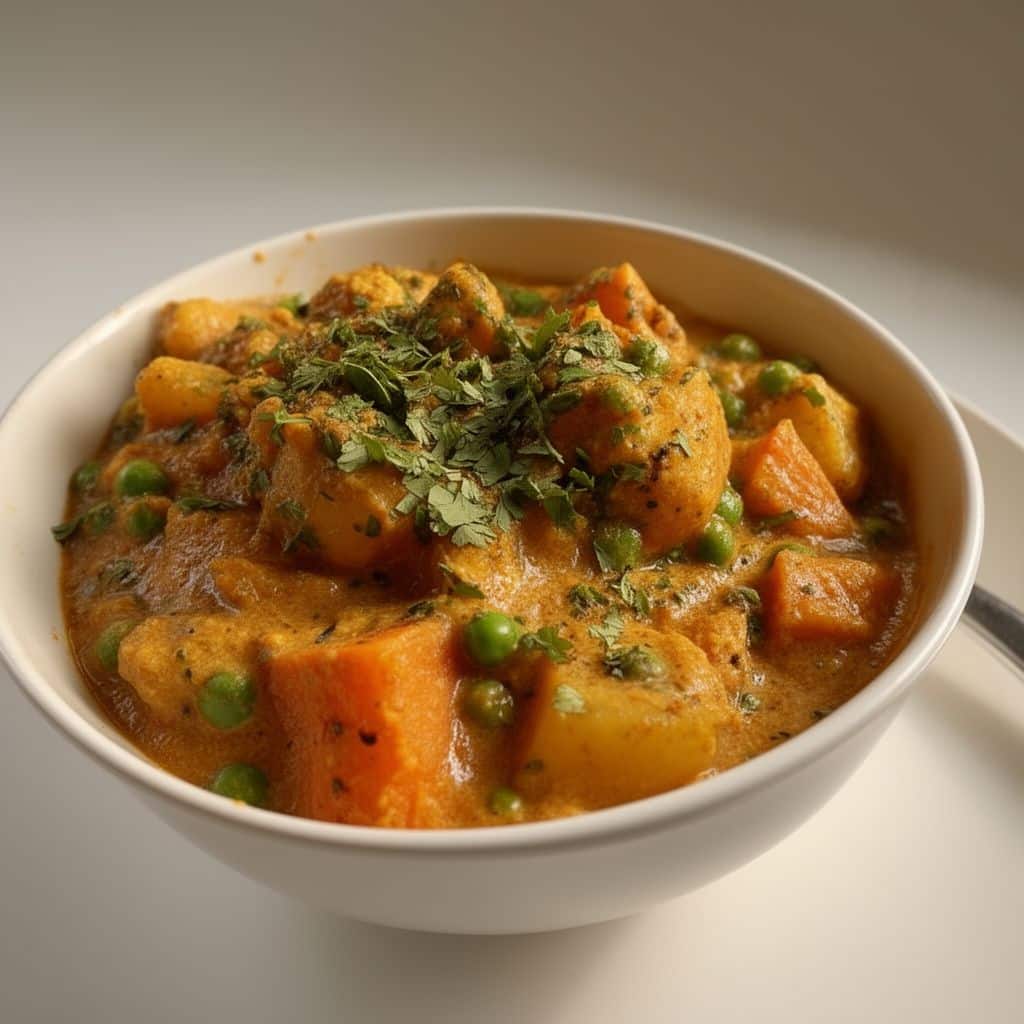
Introduction to a Beloved Indian Mixed Vegetable Curry
There’s a special magic that happens in the kitchen when vibrant vegetables meet a luxurious, aromatic sauce. Today, we’re diving deep into creating the most authentic and deeply satisfying Vegetable Korma you’ve ever tasted. This isn’t just any curry; it’s a symphony of textures and flavors, renowned for its rich, creamy gravy and the tender bite of perfectly cooked vegetables. Imagine a dish so comforting, so fragrant, that each spoonful transports you straight to the heart of India.
Why You’ll Love This Creamy Vegetable Korma Recipe
This particular recipe stands out for several reasons, making it an instant favorite in any household. First and foremost, it’s incredibly versatile. Whether you’re a seasoned chef or just starting your culinary journey, the steps are straightforward and rewarding. We’re talking about a dish that effortlessly brings together a medley of fresh produce, bathed in a silky smooth sauce that’s both savory and subtly sweet. It’s hearty enough to be the star of your dinner table, yet surprisingly quick to prepare, making it an ideal choice for an easy weeknight dinner.
Beyond its ease, the flavor profile is simply irresistible. This is a vegetarian korma that doesn’t compromise on richness or depth, proving that plant-based meals can be utterly decadent. The combination of fragrant spices with the creamy base creates a unique taste experience that appeals to almost everyone, even those new to Indian cuisine. Get ready to fall in love with its comforting warmth and the promise of a truly memorable meal.
Key Ingredients for the Perfect Curry
Crafting a truly exceptional Indian mixed vegetable curry begins with selecting the right ingredients. Each component plays a vital role in building the layered flavors and textures that define this classic dish.
Choosing the Right Vegetables (Potatoes, Carrots, Peas)
The beauty of this curry lies in its flexibility. While the classic combination often features humble yet robust vegetables like potatoes, carrots, and sweet green peas, don’t hesitate to experiment. For a truly satisfying texture and flavor, I recommend:
- Potatoes: Waxy varieties like Yukon Gold hold their shape well and absorb the flavors beautifully. Cut them into even 1-inch cubes for uniform cooking.
- Carrots: Provide a lovely sweetness and vibrant color. Slice them into thick rounds or half-moons.
- Green Peas: Add at the end for a burst of freshness and color. Frozen peas work perfectly here.
- Other Options: Consider adding green beans, cauliflower florets, bell peppers, or even tender chunks of zucchini. The key is to ensure all vegetables are cut to a similar size to promote even cooking.
Freshness is key; choose firm, brightly colored vegetables that are free from blemishes. They are the heart of our vegetarian korma.
The Magic of the Coconut-Cashew Base
The luxurious, thick coconut cashew gravy is what truly elevates this dish to its signature creamy status. This base is non-negotiable for achieving that authentic restaurant-style texture and richness. It’s incredibly simple to prepare but yields profound results.
- Cashews: Soaking raw cashews for at least 30 minutes (or boiling for 10-15 minutes) before blending ensures a super smooth, velvety paste. They provide an unparalleled richness and nutty depth.
- Coconut: We’ll use unsweetened shredded coconut or desiccated coconut, blended with the cashews and a little water to form the creamy foundation. This offers a delicate sweetness and a wonderfully fragrant aroma that complements the spices perfectly.
This blend is the secret weapon for making your South Indian kurma incredibly lush and satisfying without relying on heavy cream.
Essential Aromatic Spices (Garam Masala, Turmeric, Coriander)
Spices are the soul of Indian cooking, and this dish is no exception. A careful balance of aromatics brings warmth, depth, and character to our vegetable korma.
- Garam Masala: This complex blend of roasted, ground spices is added towards the end of cooking to preserve its delicate fragrance. It provides a warm, earthy finish.
- Turmeric Powder: Known for its vibrant color and earthy notes, turmeric is also a powerful anti-inflammatory.
- Coriander Powder: Offers a citrusy, slightly sweet flavor that brightens the whole dish.
- Cumin Powder: Adds a warm, slightly smoky undertone.
- Ginger and Garlic: Freshly grated or minced ginger and garlic are the aromatic backbone, sautéed at the beginning to release their pungent, foundational flavors.
- Green Chilies: Optional, but highly recommended for a touch of heat. Adjust to your preference.
These spices, combined with fresh aromatics, create a truly captivating aroma that will fill your kitchen.
How to Make Vegetable Korma (Step-by-Step Guide)
Creating this delicious South Indian kurma is a rewarding process. Follow these steps for a dish that tastes like it came from your favorite Indian restaurant.
Step 1: Prepping the Cashew Paste
- Take about 1/2 cup of raw cashews. If you have time, soak them in hot water for 30 minutes. If not, boil them for 10-15 minutes until softened.
- Drain the cashews and combine them in a blender with 1/4 cup of unsweetened shredded coconut and about 1/2 cup of water.
- Blend until you achieve a perfectly smooth, thick paste. Set aside. This is the heart of your creamy coconut cashew gravy.
Step 2: Building the Flavor Base with Aromatics
- Heat 2 tablespoons of oil (or ghee for richer flavor) in a large pot or Dutch oven over medium heat.
- Add 1 finely chopped medium onion and sauté until softened and translucent, about 5-7 minutes.
- Stir in 1 tablespoon of grated ginger and 1 tablespoon of minced garlic. Cook for another minute until fragrant, being careful not to burn.
- Reduce heat to low. Add the powdered spices: 1 teaspoon turmeric powder, 1.5 teaspoons coriander powder, and 1 teaspoon cumin powder. Cook for 30 seconds, stirring constantly, until the spices are fragrant. This step is crucial for blooming the spices and enhancing their flavors.
Step 3: Simmering the Vegetables to Perfection
- Add your chopped vegetables (e.g., 2 medium potatoes, 2 carrots, all cut into 1-inch pieces) to the pot. Stir well to coat them with the aromatic spice mixture.
- Pour in about 1.5 cups of hot water or vegetable broth. Bring to a gentle simmer, then cover the pot and cook for 10-12 minutes, or until the vegetables are tender-crisp. You want them cooked through but not mushy.
- Stir in the prepared cashew-coconut paste. Mix thoroughly until the paste is fully incorporated into the curry, creating that rich, creamy consistency.
- Add 1/2 cup of green peas and 1 teaspoon of garam masala. Simmer gently for another 5 minutes, allowing the flavors to meld and the gravy to thicken further. If the curry becomes too thick, add a splash more hot water.
- Taste and adjust seasoning. Add salt to your preference. A pinch of sugar can also balance the flavors beautifully.
“The secret to a truly authentic South Indian kurma lies in the slow blooming of spices and the creamy richness of the cashew-coconut base. Don’t rush these steps!”
Expert Cooking Tips for a Restaurant-Quality Dish
Achieving that truly restaurant style vegetable korma at home is easier than you think with a few insider tricks.
The Importance of Uniform Chopping
This might seem minor, but it’s a game-changer. When all your vegetables are cut into roughly the same size, they cook evenly. This prevents some pieces from becoming mushy while others are still hard. Uniformly chopped potatoes, carrots, and any other additions will reach perfect tenderness at the same time, contributing to a consistently delightful texture throughout your Indian mixed vegetable curry.
Controlling the Gravy Consistency
The ideal korma gravy should be thick enough to coat the back of a spoon, yet still pourable. If your gravy is too thin, continue to simmer it uncovered for a few more minutes to allow it to reduce and thicken. If it becomes too thick (which can happen as it cools), simply add a splash of hot water or vegetable broth, stirring until you reach your desired consistency. Remember, the cashew paste will naturally thicken the gravy significantly, so start with less liquid and add more if needed.
Delicious Variations and Substitutions
One of the joys of cooking this vegetarian korma is its adaptability. Feel free to make it your own!
Adding Plant-Based Protein (Tofu, Paneer, Chickpeas)
While delicious on its own, adding a source of protein can make this an even more substantial meal. For those exploring vegan Indian recipes or simply looking for extra texture, consider:
- Tofu: Press extra-firm tofu, cube it, and lightly pan-fry until golden before adding it to the simmering curry. It absorbs the flavors beautifully.
- Paneer: Cubes of Indian cheese (paneer) can be added directly to the curry during the last few minutes of cooking. Optionally, fry them lightly beforehand for a slightly crisper exterior.
- Chickpeas: A can of rinsed and drained chickpeas makes for an easy and nutritious addition, stirring them in towards the end of the cooking process to warm through.
Coconut Milk vs. Yogurt Bases
This recipe focuses on the classic coconut-cashew base for its rich creaminess, which also makes it naturally suitable for vegan Indian recipes. However, you can explore other base options:
- Coconut Milk: For an even more pronounced coconut flavor and additional creaminess, you can substitute some of the water in the recipe with a good quality full-fat coconut milk, especially during the simmering stage. This will enhance the coconut cashew gravy.
- Yogurt: For a tangier korma, some recipes incorporate plain yogurt. If using yogurt, be sure to whisk it well and temper it with a little hot curry gravy before adding it to the main pot to prevent curdling. Add it towards the very end of cooking and avoid boiling once added. This version typically omits the cashews or uses fewer.
What to Serve with Vegetable Korma (Naan, Rice, and More)
Now that you’ve mastered the art of making this incredible Indian mixed vegetable curry, let’s talk about the perfect accompaniments. Knowing what to serve with korma can elevate your dining experience from great to truly spectacular.
- Basmati Rice: Fluffy, fragrant basmati rice is the quintessential pairing. Its delicate aroma and light texture perfectly complement the rich, creamy gravy.
- Naan Bread: Warm, soft, and slightly chewy naan is ideal for scooping up every last bit of that delicious sauce. Garlic naan or butter naan adds an extra layer of flavor.
- Roti or Chapati: For a lighter option, whole wheat roti or chapati are excellent choices. They’re simpler and equally effective for sopping up the curry.
- Papadums: Crispy roasted papadums offer a delightful crunch and can be used as an edible spoon.
- Cooling Sides: A simple cucumber raita (yogurt dip) or a fresh kachumber salad (diced cucumber, tomato, onion with lemon juice) provides a refreshing contrast to the richness of the korma.
No matter your choice, ensure you have something to soak up every last drop of that incredible coconut cashew gravy!
Storage, Freezing, and Reheating Instructions
This vegetarian korma is one of those magical dishes that often tastes even better the next day as the flavors have more time to meld and deepen. This makes it perfect for meal prepping!
- Storage: Allow the curry to cool completely before transferring it to an airtight container. It will keep beautifully in the refrigerator for up to 3-4 days.
- Freezing: This curry freezes exceptionally well. Portion cooled korma into freezer-safe containers or heavy-duty freezer bags. It can be frozen for up to 2-3 months. Thaw overnight in the refrigerator before reheating.
- Reheating: Gently reheat on the stovetop over medium-low heat, stirring occasionally. If the gravy has thickened too much during storage, add a splash of hot water or vegetable broth to achieve the desired consistency. Avoid high heat to prevent scorching the bottom.
Frequently Asked Questions (FAQs)
Here are some common questions about making this delightful Indian mixed vegetable curry.
Q: Can I make this a vegan Indian recipe?
A: Absolutely! This recipe is naturally vegan as written, using plant-based ingredients for the creamy coconut cashew gravy. Just ensure you use oil instead of ghee and check any store-bought garam masala for animal products (though most are vegan).
Q: What if I don’t have all the spices?
A: While the combination of spices creates the signature flavor, the most crucial are garam masala, turmeric, coriander, and cumin. If you’re missing one or two, you can still proceed, but the flavor profile might be slightly different. Fresh ginger and garlic are also non-negotiable for the flavor base.
Q: Can I prepare the cashew paste ahead of time?
A: Yes, you can prepare the cashew-coconut paste a day in advance and store it in an airtight container in the refrigerator. This can help speed up your cooking process for an easy weeknight dinner.
Q: Why is my korma gravy gritty?
A: A gritty gravy usually means the cashews were not blended thoroughly enough. Ensure your cashews are well-soaked and blend the paste for a longer time until it’s completely smooth and creamy, adding a little extra water if needed to help the blender.
We hope this guide inspires you to create your own incredible restaurant style vegetable korma at home. Happy cooking!
For more delicious recipes and cooking tips, make sure to follow us on Facebook! You can find us at https://www.facebook.com/profile.php?id=61568538666337.

Creamy Vegetable Korma
Ingredients
- 1 cup Potatoes peeled and diced
- 1 cup Carrots diced
- 1/2 cup Green peas fresh or frozen
- 1/2 cup Raw cashews soaked in warm water
- 1 can (13.5 oz) Full-fat coconut milk
- 1 tbsp Coconut oil
- 1 cup Yellow onion finely chopped
- 3 cloves Garlic minced
- 1 tbsp Fresh ginger grated
- 2 tbsp Tomato paste
- 1 tbsp Garam masala
- 1 tsp Ground coriander
- 1/2 tsp Turmeric powder
- 1 tsp Salt to taste
- 1/4 cup Fresh cilantro chopped, for garnish
Instructions
- Blend the soaked cashews with 1/4 cup of water until a smooth paste forms. Set aside.
- Heat the coconut oil in a large pot or Dutch oven over medium heat. Add the chopped onion and sauté for 5 minutes until translucent.
- Stir in the minced garlic and grated ginger, cooking for 1 minute until fragrant.
- Add the tomato paste, garam masala, ground coriander, turmeric, and salt. Stir continuously for 1 to 2 minutes to toast the spices.
- Pour in the coconut milk and cashew paste, stirring well to combine into a smooth gravy.
- Add the diced potatoes and carrots to the pot. Bring the mixture to a gentle simmer.
- Cover and cook on low heat for 15 minutes, or until the vegetables are fork-tender.
- Stir in the green peas and simmer uncovered for an additional 3 minutes.
- Remove from heat, garnish with fresh chopped cilantro, and serve hot.
For more daily recipes and tips, follow us on Facebook!
Click here to join our community!