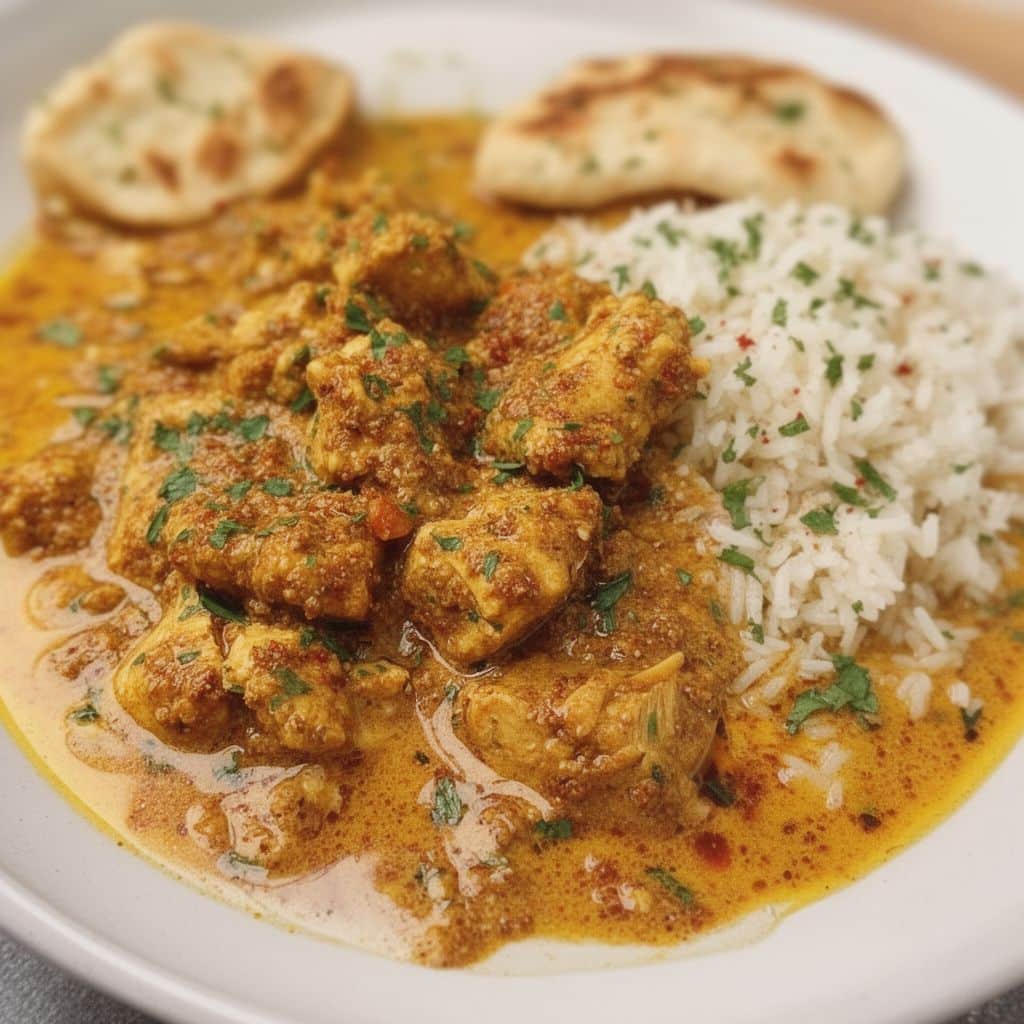
Welcome, food lovers! Today, we’re embarking on a culinary journey to master the art of making a truly exceptional Chicken Korma. Forget bland, watery versions; we’re talking about a rich, aromatic, and incredibly satisfying dish that tastes like it came straight from a five-star Indian restaurant. This creamy Indian curry, with its delicate balance of spices and luxurious texture, is a testament to the beauty of slow cooking and thoughtful ingredient pairing. Get ready to transform your kitchen into a haven of intoxicating aromas as we unlock the secrets to an authentic chicken korma.
What is Chicken Korma?
At its heart, chicken korma is a magnificent Mughlai dish, a legacy of the royal kitchens of the Indian subcontinent. It’s a gently spiced, yogurt and cashew curry that offers a unique flavor profile: mild, incredibly luxurious, and deeply aromatic, without relying on overwhelming heat. Unlike some spicier Indian curries, korma focuses on building layers of subtle warmth and richness, allowing the natural sweetness of the caramelized onions and the creamy texture from the nuts and yogurt to truly shine. This culinary masterpiece is celebrated for its distinctive pale, often off-white or light golden hue, signaling its delicate nature and sophisticated taste.
Essential Ingredients for an Authentic Flavor
Achieving that iconic, restaurant-quality texture and depth of flavor in your homemade korma is entirely possible with the right approach and the correct chicken korma ingredients. Each component plays a crucial role, contributing to the symphony of tastes and the signature velvety mouthfeel that defines this beloved dish.
The Base: Yogurt, Cashews, and Caramelized Onions
The secret to the velvety sauce in an authentic korma doesn’t solely come from heavy cream, although that often adds to its richness. The true magic lies in a meticulously prepared purée that forms the backbone of this creamy Indian curry. This base begins with sweet, deeply browned onions, whose slow caramelization introduces a profound depth and natural sweetness to the dish. These are then combined with soaked cashews (or blanched almonds for an even finer texture), which provide body and a subtle nutty flavor. Finally, whisked yogurt is carefully folded in, contributing a delightful tang and an unparalleled creaminess. Together, these elements are blended into a smooth, thick paste, often referred to as a homemade korma paste, that will emulsify into the perfect sauce.
The Spice Blend: Warming Whole Spices
The aromatic soul of an authentic chicken korma is found in its exquisite spice blend. Rather than fiery heat, korma relies on a bouquet of warming, fragrant spices that infuse the dish with a captivating aroma and nuanced flavor. Whole spices such as green cardamom pods, fragrant cinnamon sticks, and pungent cloves are typically fried in ghee at the beginning of the cooking process to release their essential oils, forming the initial flavor foundation. These whole spices are complemented by ground spices like earthy coriander, warm cumin, and a generous touch of fragrant garam masala, which are added later to build further depth and complexity. A hint of saffron, soaked in warm milk, can also be introduced for an extra touch of luxury and a beautiful golden hue, elevating the korma to truly royal standards.
Step-by-Step Instructions for Perfect Korma
Creating a truly remarkable chicken korma is all about building layers of flavor with patience and precision. Each step is critical to achieving the tender chicken and the silky, rich sauce that makes this dish so irresistible.
Caramelize the Onions: This is arguably the most crucial step for a deep, complex flavor in your creamy Indian curry. Slowly cook thinly sliced onions in ghee (clarified butter) over low to medium heat, stirring frequently, until they transform into a uniform, deeply golden brown color. This process takes time, often 20-30 minutes, but it’s where the natural sweetness and much of the color of your korma base develops. Do not rush this step; burnt onions will make the korma bitter, while undercooked onions will lack the essential sweetness.
Create the Nut Paste: While the onions are caramelizing, prepare your nuts. Soak raw cashews in warm water for at least 30 minutes, then drain. Once your onions are perfectly browned, reserve half of them for garnish or later use. Combine the remaining caramelized onions with the soaked cashews and a splash of water in a blender or food processor. Blend until you achieve a perfectly smooth, thick, and luxurious homemade korma paste. This paste is the magic thickening agent that gives korma its signature silky texture and rich body.
Sear the Chicken: In the same pot, add a little more ghee if needed, then sear your chicken pieces until lightly browned on all sides. This initial searing step is vital as it locks in the chicken’s juices, developing a deeper flavor and ensuring the chicken remains incredibly tender and succulent throughout the simmering process. Remove the chicken from the pot and set aside.
Simmer with Yogurt and Spices: In the residual ghee, gently toast your whole spices (cardamom, cinnamon, cloves) until fragrant. Add a little ginger-garlic paste and sauté until the raw aroma disappears. Then, add your ground spices (coriander, cumin, turmeric, red chili powder if using a touch for color, and garam masala), stirring constantly for a minute until fragrant. Reduce the heat to low, then slowly incorporate the whisked yogurt, stirring continuously to prevent it from curdling. Once the yogurt is fully integrated and the sauce is smooth, stir in the prepared nut paste. Return the seared chicken to the pot, add a touch of water or broth to adjust consistency, and bring it to a gentle simmer. Cover and cook over low heat for 20-30 minutes, or until the chicken is cooked through and the oil separates, indicating the flavors have fully melded into a rich, aromatic yogurt and cashew curry. Season with salt and a touch of sugar if desired.
Variations and Substitutions
One of the beautiful aspects of chicken korma is its versatility. While the traditional recipe offers an unparalleled experience, it’s also wonderfully adaptable to different dietary needs and preferences without compromising its essence.
Dairy-Free Chicken Korma
For those seeking a dairy-free option, achieving a creamy, authentic korma is absolutely possible. Simply swap the ghee for a neutral oil like coconut oil or a vegetable oil. To replace the yogurt and heavy cream, use full-fat coconut milk. The richness of coconut milk beautifully mimics the creamy texture, and a splash of lemon juice or a tiny pinch of amchur (dry mango powder) can be added at the end to provide a subtle tanginess that mirrors the yogurt’s acidity. The result is a vibrant, flavorful dairy-free creamy Indian curry that sacrifices none of the luxury.
Protein Swaps
The korma base is so versatile that it can cradle almost any protein with grace. You can easily substitute the chicken for other options. For a vegetarian korma, consider cubes of paneer, firm tofu (pressed and lightly fried), or a medley of colorful vegetables like cauliflower florets, green peas, and carrots. Lamb or goat also work exceptionally well for a richer, more robust meat korma, requiring longer simmering times to tenderize the meat. Even firm white fish or shrimp can be gently folded in during the last few minutes of cooking for a seafood variation, demonstrating the adaptability of this incredible dish.
Serving Suggestions: Sides and Pairings
The luxurious, velvety sauce of chicken korma is meant to be savored, and the best way to do that is with accompaniments that can perfectly soak up every drop. Pairing your chicken korma with rice and freshly baked breads transforms it into a truly complete and satisfying meal.
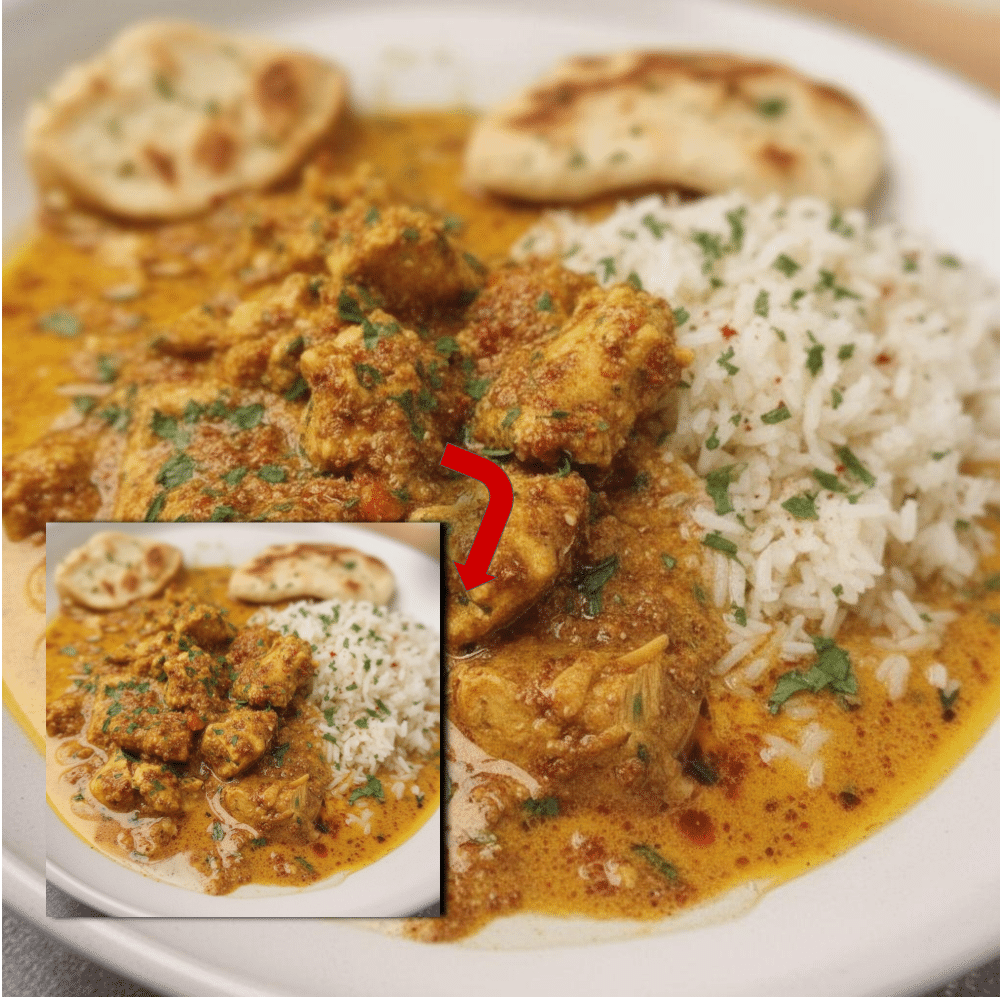
- Breads: There’s nothing quite like scooping up a generous portion of creamy Indian curry with warm, fresh bread. Soft, pillowy naan bread, especially garlic naan or butter naan, is a classic choice. Roti or chapati also make excellent companions, offering a lighter alternative to soak up the rich sauce.
- Rice: A fragrant bed of rice is the quintessential partner for chicken korma. Fluffy steamed basmati rice is always a winner, its long, slender grains ideal for absorbing the delicate flavors. For an extra touch of aroma, opt for jeera rice (basmati rice infused with cumin seeds) or a vibrant saffron rice, which not only looks beautiful but also adds another layer of subtle fragrance to complement the yogurt and cashew curry. This ensures every spoonful of chicken korma with rice is a delightful experience.
Expert Tips for the Best Chicken Korma
Achieving a truly authentic chicken korma that rivals your favorite Indian restaurant is within reach when you pay attention to these crucial expert tips. These small details make all the difference in the final taste, texture, and aroma of your creamy Indian curry.
Don’t Rush the Onions: This cannot be overstated. The deep brown color of the caramelized onions is absolutely crucial for both the natural sweetness and the final golden hue of the curry. Patience here pays off immensely, creating a depth of flavor that can’t be achieved any other way. Cook them slowly and thoroughly until they are uniformly browned, not just softened.
Temper the Yogurt: To prevent your yogurt from curdling and separating, which can result in a grainy sauce, always whisk it thoroughly until smooth before adding it to the hot pan. Furthermore, always add the whisked yogurt off the heat or over very low heat, stirring continuously as you incorporate it. Allow it to come to a gentle simmer very slowly, ensuring a silky, cohesive sauce that is the hallmark of a perfect authentic chicken korma.
Toast Your Spices: When using whole spices like cardamom, cinnamon, and cloves, always allow them to toast briefly in ghee or oil at the beginning of the cooking process. This step releases their essential oils, intensifying their fragrance and ensuring they infuse the entire dish with their warming, complex flavors. A quick toast ensures maximum aromatic impact for your homemade korma paste and overall curry.
Frequently Asked Questions (FAQs)
For those new to preparing this exquisite dish, some common questions often arise. Here are quick answers to help you perfect your chicken korma experience.
Can I make chicken korma ahead of time?
Yes, absolutely! Like many curries, chicken korma often tastes even better the next day. The flavors have more time to meld and deepen, resulting in a more harmonious and delicious creamy Indian curry. Prepare it a day in advance, store it in an airtight container in the refrigerator, and gently reheat it on the stovetop when you’re ready to serve.
Is chicken korma spicy?
No, traditional chicken korma is not typically spicy. It is renowned for its mild, aromatic, and creamy profile, focusing on fragrant spices and rich textures rather than heat. While a touch of mild red chili powder might be added for color, its primary characteristic is a gentle warmth and luxuriousness, making it a favorite for those who prefer milder curries.
Can I freeze chicken korma?
Yes, chicken korma freezes very well. Once completely cooled, transfer it to an airtight, freezer-safe container. It can be stored in the freezer for up to 3 months. To reheat, thaw it overnight in the refrigerator, then gently warm it on the stovetop over low heat, stirring occasionally, until heated through. You might need to add a splash of water or milk to restore its creamy consistency if it has thickened during freezing.
We hope this guide inspires you to create your own magnificent chicken korma at home. Share your culinary adventures with us!
For more delicious recipes and cooking tips, follow our community on Facebook at: https://www.facebook.com/profile.php?id=61568538666337. We’d love to see your creations!
Authentic Chicken Korma
Ingredients
- 1.5 lbs Boneless skinless chicken breasts or thighs Cut into bite-sized pieces
- 3 tbsp Ghee or vegetable oil
- 2 medium Yellow onions Thinly sliced
- 1/2 cup Cashews Soaked in warm water for 20 minutes
- 4 cloves Garlic Minced
- 1 tbsp Fresh ginger Grated
- 1/2 cup Plain whole-milk yogurt Whisked until smooth
- 1/4 cup Heavy cream Optional
- 1 cup Water or chicken broth
- 2 tsp Coriander powder
- 1 tsp Cumin powder
- 1 tsp Garam masala
- 1/2 tsp Turmeric powder
- 1/2 tsp Kashmiri red chili powder Or paprika
- 4 whole Green cardamom pods
- 1 inch Cinnamon stick
- 4 whole Cloves
- 1 tsp Salt Adjust to taste
- 2 tbsp Fresh cilantro Chopped, for garnish
Instructions
- Heat the ghee or vegetable oil in a large, heavy-bottomed pot or Dutch oven over medium heat.
- Add the sliced onions and sauté for 10-15 minutes until deeply caramelized and golden brown, stirring frequently.
- Use a slotted spoon to remove half of the caramelized onions. Place them in a blender with the soaked cashews and 2-3 tablespoons of water, blending until a smooth paste forms.
- To the remaining onions in the pot, add the cardamom pods, cinnamon stick, and cloves. Toast for 1 minute until fragrant.
- Stir in the minced garlic and grated ginger, cooking for an additional 30 seconds.
- Add the chicken pieces to the pot, sautéing for 5-7 minutes until browned on all sides.
- Reduce the heat to low. Stir in the coriander powder, cumin powder, turmeric, red chili powder, and salt. Cook for 1 minute.
- Stir in the whisked yogurt one tablespoon at a time, followed by the onion-cashew paste and water or chicken broth.
- Cover the pot and simmer gently for 15-20 minutes until the chicken is cooked through and tender.
- Remove from heat. Stir in the heavy cream and garam masala, allowing the curry to rest for 5 minutes.
- Garnish with freshly chopped cilantro and serve hot alongside steamed basmati rice or warm naan bread.
For more daily recipes and tips, follow us on Facebook!
Click here to join our community!