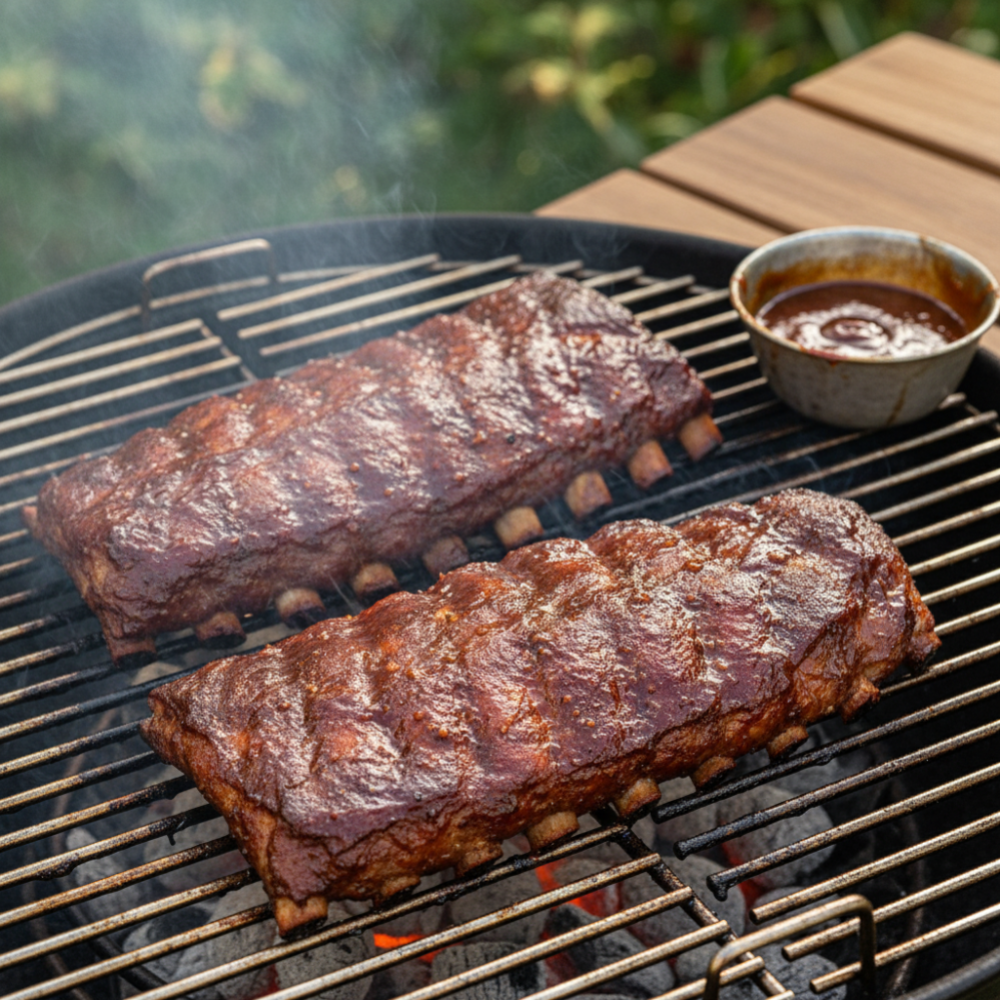
Mastering the art of smoked beef ribs transforms a humble cut into a centerpiece of any barbecue. This journey into low and slow cooking unlocks unparalleled flavor and tenderness, making every bite a testament to patience and proper technique. Achieving truly spectacular results with smoking meat techniques requires attention to detail, from selecting the right cut to perfecting your smoker temperature and resting periods. This guide will walk you through crafting succulent, fall off the bone beef ribs, a staple of authentic Texas style barbecue.
Introduction to Low and Slow BBQ
The essence of traditional barbecue lies in its commitment to low and slow cooking. This method involves cooking tough cuts of meat over extended periods at low temperatures, typically in a smoker. The goal is to gradually break down collagen, allowing the meat to become incredibly tender and moist, while simultaneously infusing it with deep, smoky flavors. Unlike grilling, which focuses on high heat and direct cooking, barbecue is about transforming sinewy cuts into something remarkably succulent. This approach is fundamental for any serious enthusiast looking to achieve tender smoked beef ribs.
Selecting the Best Cut: Beef Back vs. Short Ribs
When preparing smoked beef ribs, the choice of cut significantly impacts the final outcome. While many enjoy BBQ beef short ribs for their rich, fatty meat, for this specific recipe, we focus on beef back ribs. Beef back ribs are taken from the prime rib area, featuring meat nestled between the bones and overlying the loin. They typically have less meat than short ribs but offer a distinct, robust beef flavor that shines through the smoke. Their leaner profile means they benefit immensely from the low and slow approach, allowing them to become incredibly tender without excessive greasiness. Understanding these structural differences is key to mastering various beef rib preparations.
Essential Smoker Wood Pairings
The type of wood you choose for smoking is as crucial as the meat itself. Different woods impart unique flavor profiles, enhancing the overall taste of your smoked beef ribs.
- Hickory: A classic choice for beef, hickory offers a strong, smoky, and slightly bacon-like flavor. It’s robust enough to stand up to beef back ribs without overpowering them.
- Mesquite: Known for its intense, earthy flavor, mesquite is often associated with Texas style barbecue. Use it sparingly, as its potent smoke can quickly dominate if not balanced.
- Applewood: For a more subtle, sweeter smoke, applewood is an excellent option. It provides a milder fruitwood flavor that complements beef beautifully without being too aggressive.
These woods work well in various smokers, including pellet grill recipes, providing a consistent burn and flavorful smoke.
Prepping Your Meat for the Smoker
Proper preparation is crucial for achieving superior smoked beef ribs. This involves a couple of essential steps before the ribs even see the smoker.
Removing the Membrane
A non-negotiable step for beef back ribs is removing the silverskin, also known as the membrane, from the bone side of the rack. This tough, thin layer does not break down during cooking and can become chewy, preventing proper smoke penetration and seasoning absorption. To remove it, slide a thin knife or screwdriver under the membrane on one end, lift it, and then use a paper towel for grip to peel it off entirely. This ensures a tender bite and allows your dry rub recipe to adhere directly to the meat.
Applying the Binder and Dry Rub
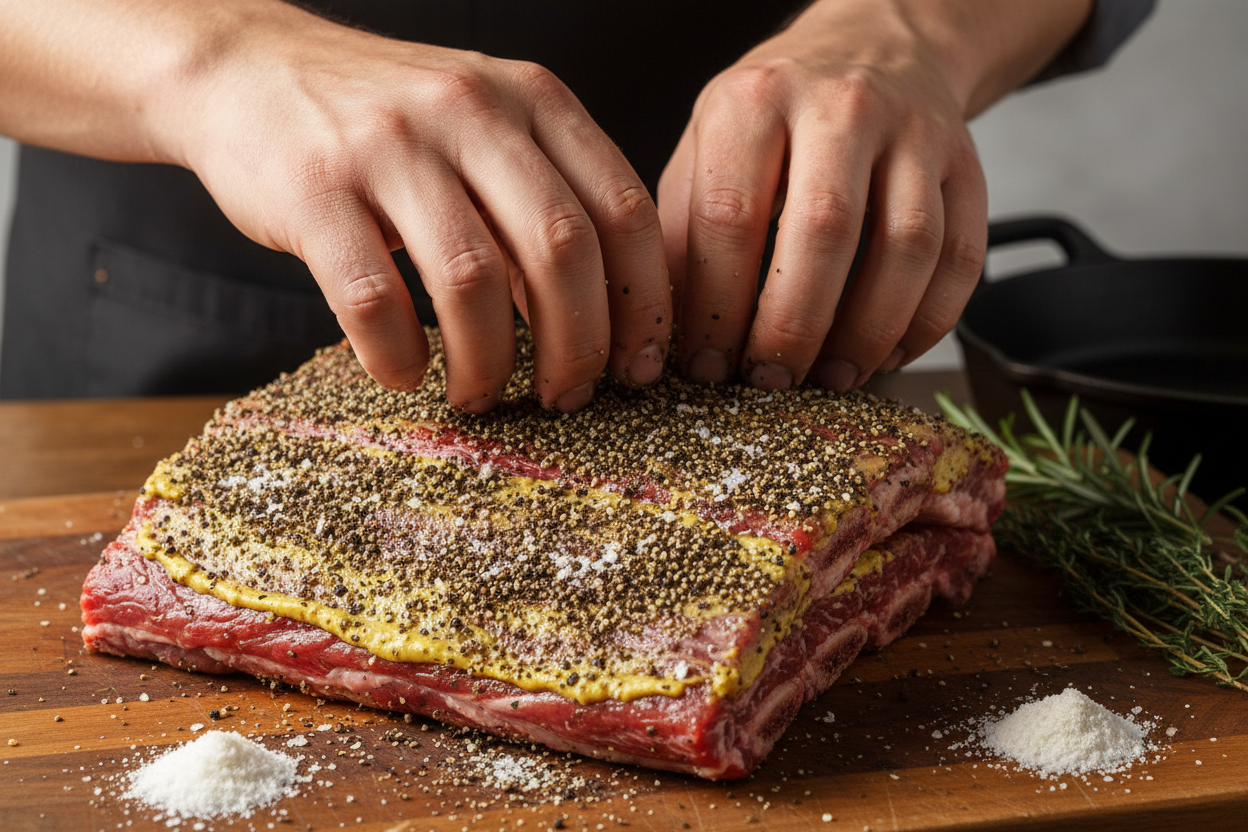
A binder helps the dry rub adhere evenly to the meat, promoting a consistent crust, or “bark,” during smoking. For smoked beef ribs, yellow mustard works exceptionally well. It creates a thin, tacky surface for the seasoning and its flavor dissipates during cooking, leaving no mustard taste behind.
Once the binder is applied, it is time for the dry rub. For these ribs, a simple yet effective blend of salt, pepper, and garlic powder is used. Apply this mixture generously over all surfaces of the ribs. The salt helps draw moisture out and then back into the meat, while pepper and garlic powder provide savory depth, forming the foundation of that desirable bark.
Step-by-Step Cooking Instructions
Follow these precise steps for perfectly tender smoked beef ribs.
- Prep smoker to 225°F (107°C) using your choice of wood chunks. Maintain this smoker temperature consistently.
- Remove the membrane from the back of the ribs.
- Coat the ribs evenly with yellow mustard to act as a binder.
- Mix salt, pepper, and garlic powder, then season the ribs generously. Ensure even coverage for the dry rub recipe.
- Smoke for 3 hours, spritzing with apple cider vinegar every hour. This is a critical step in smoking meat techniques for moisture.
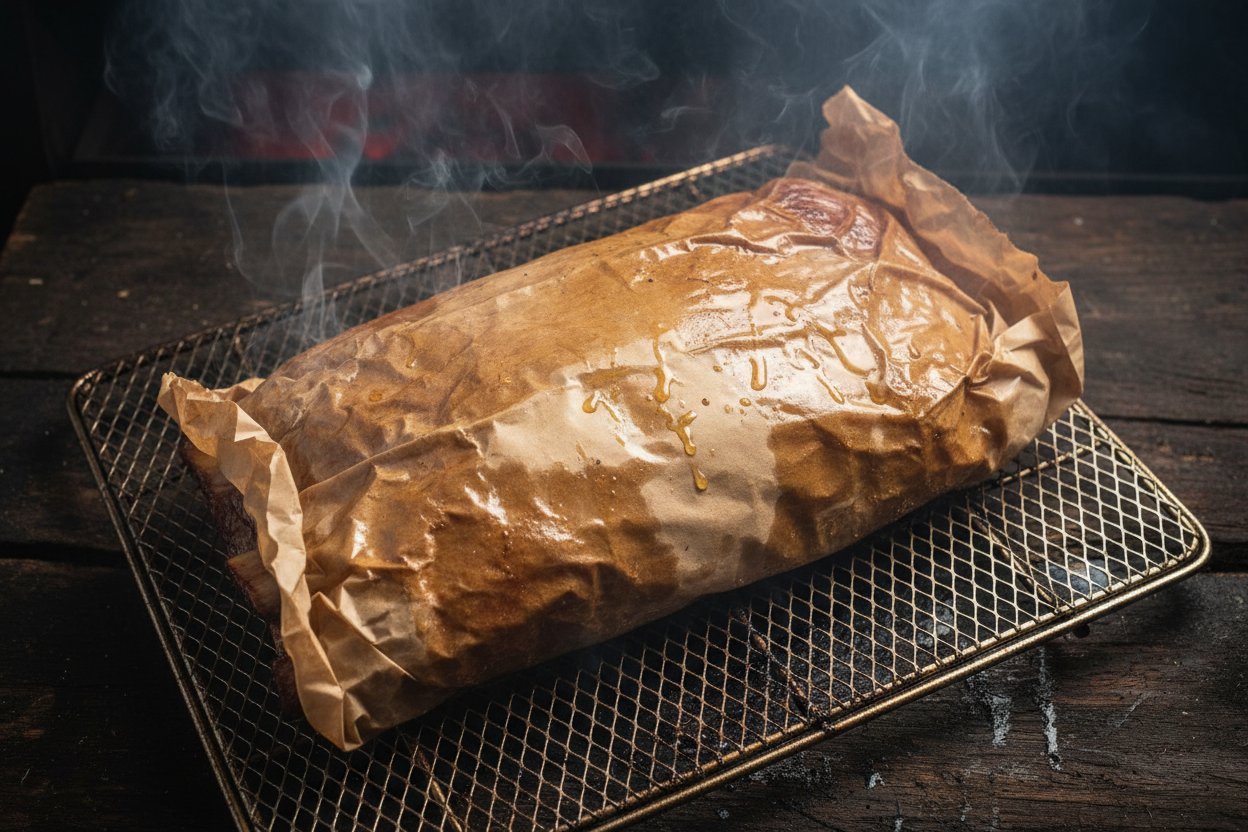
- Wrap the ribs tightly in butcher paper or foil, then return to the smoker and cook for 2 more hours. This helps push through the stall.
- Unwrap the beef back ribs, brush them with BBQ sauce, and smoke for 1 final hour until they are tender. The internal temperature should reach 200°F. The goal is a fall off the bone texture.
- Rest the smoked beef ribs for 15 minutes before slicing.
Maintaining Temperature and Moisture (The Spritz)
Maintaining consistent temperature and moisture is paramount in low and slow cooking, especially for beef back ribs. The spritz, typically a mixture like apple cider vinegar, plays a vital role. During the initial smoking phase, the surface of the meat can dry out, limiting smoke adhesion and creating an overly tough exterior. Spritzing every hour with apple cider vinegar not only adds a thin layer of moisture to the surface but also slightly cools it, allowing for more smoke to be absorbed. This helps create a beautiful bark and prevents the meat from becoming leathery, contributing to that desired fall off the bone tenderness.
Wrapping Techniques: Foil vs. Butcher Paper
The “Texas Crutch” refers to the technique of wrapping meat partway through the smoking process. This method helps the meat push through the “stall,” a period where the internal temperature plateaus due to evaporative cooling.
- Aluminum Foil: Wrapping in foil creates a steamy environment, significantly speeding up the cooking process and keeping the meat extremely moist. The downside is that it can soften the bark, which some barbecue enthusiasts find undesirable.
- Unwaxed Peach Butcher Paper: This is a preferred choice for many pitmasters. Butcher paper allows some moisture to escape while still trapping enough heat to accelerate cooking. It breathes more than foil, preserving the integrity of the bark while still producing incredibly tender, juicy smoked beef ribs.
For this recipe, either option works effectively to achieve the desired tenderness within the specified cooking time.
Finishing with BBQ Sauce
The final hour in the smoker is dedicated to brushing the smoked beef ribs with BBQ sauce. This step adds another layer of flavor and creates a beautiful, caramelized glaze. The key here is to apply the sauce during the last hour of cooking, allowing the sugars in the sauce to caramelize without burning. Burnt sugar can taste bitter and detract from the overall flavor profile. A thin, even layer will melt into the meat, adding a sticky, savory-sweet finish that complements the smoky richness of the beef back ribs.
Serving and Storing Leftovers
After the final rest, slicing the smoked beef ribs correctly is important. Always slice against the grain, if applicable, or simply separate each rib bone for individual servings. The meat should be so tender that it almost falls off the bone. Serve immediately to enjoy them at their peak flavor and texture.
For any delicious leftovers, store them in an airtight container in the refrigerator for up to 3-4 days. To reheat, wrap the ribs in foil with a splash of apple cider vinegar or beef broth to prevent drying out. Reheat gently in an oven at 250°F (121°C) until warmed through, usually about 20-30 minutes. This method helps maintain their moisture and flavor, allowing you to enjoy them again without sacrificing quality.
Frequently Asked Questions
How long does it take to smoke beef back ribs?
For this recipe, the total smoking time is approximately 6 hours: 3 hours unwrapped, 2 hours wrapped, and 1 final hour unwrapped with sauce. This can vary slightly based on the size of the ribs and external factors.
What internal temperature indicates doneness for beef ribs?
Smoked beef ribs are typically considered done when they reach an internal temperature of 200°F (93°C). However, tenderness is the ultimate indicator. The probe of a meat thermometer should slide into the meat with very little resistance, indicating that the collagen has broken down sufficiently for a fall off the bone texture.
Is a resting period necessary for smoked beef ribs?
Yes, a 15-minute resting period after cooking is crucial. This allows the juices within the meat to redistribute, resulting in a more moist and flavorful final product. Skipping this step can lead to dry ribs as the juices will simply run out when sliced.
Where should I place the thermometer for accurate readings?
For accurate temperature readings, insert the probe of your meat thermometer into the thickest part of the meat, ensuring it does not touch any bone. Multiple readings across the rack can help confirm even cooking.
Can I use a pellet grill for this recipe?
Absolutely. Many pellet grill recipes are designed for low and slow cooking, making them perfect for tender smoked beef ribs. Simply set your pellet grill to 225°F (107°C) and follow the instructions.
For more mouth-watering BBQ insights and recipes, be sure to follow our Facebook page: Follow us on Facebook.
Tender BBQ Beef Back Ribs
Ingredients
- 2 racks Beef back ribs
- 2 tbsp Yellow mustard
- 1 tbsp Kosher salt
- 1 tbsp Coarse black pepper
- 1 tsp Garlic powder
- 1 cup BBQ sauce
- 0.5 cup Apple cider vinegar
- 2 cups Wood chunks
Instructions
- Prep smoker to 225°F (107°C) using your choice of wood chunks.
- Remove the membrane from the back of the ribs.
- Coat the ribs evenly with yellow mustard to act as a binder.
- Mix salt, pepper, and garlic powder, then season the ribs generously.
- Smoke for 3 hours, spritzing with apple cider vinegar every hour.
- Wrap the ribs in butcher paper or foil, return to the smoker, and cook for 2 more hours.
- Unwrap, brush with BBQ sauce, and smoke for 1 final hour until tender (internal temp 200°F).
- Rest for 15 minutes before slicing.
For more daily recipes and tips, follow us on Facebook!
Click here to join our community!