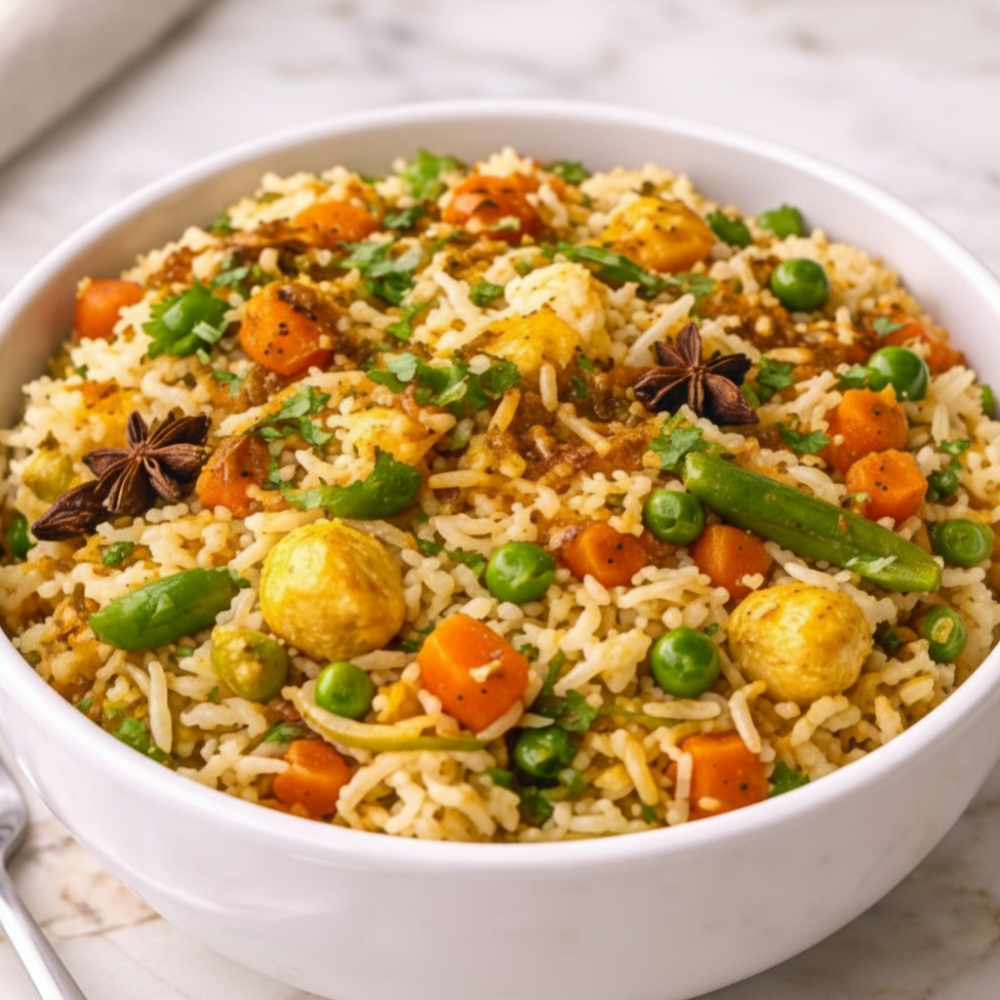
Biryani, a dish steeped in history and flavor, represents the pinnacle of Indian culinary artistry. This particular creation, a vibrant Vegetable Biryani, offers a fragrant journey for the senses. It transcends a simple meal, embodying a celebratory spirit perfect for any gathering or an elevated weeknight dinner. We delve into the rich traditions behind this aromatic rice dish, where layering robustly spiced root vegetables and legumes with fluffy basmati rice creates a profoundly satisfying, self-contained meal. This isn’t just an indian rice dish, it’s a testament to the power of thoughtful seasoning and careful preparation, culminating in an authentic Indian dinner that delights every palate. Our version, a truly delicious mixed veg biryani, promises an unforgettable culinary experience, showcasing how a spiced rice one pot meal can be both convenient and exceptionally flavorful.
A truly successful Vegetable Biryani relies on the caliber of its components. Fresh, quality produce forms the heart of this dish, complemented by select high-quality spices that infuse every grain of rice and every piece of vegetable with warmth and depth. The foundational elements for our vegetarian biryani recipe include:
- Extra-long grain basmati rice: Chosen for its distinct aroma and ability to cook into separate, fluffy grains.
- Fresh carrots, green peas, and green beans: These provide a sweet, earthy, and slightly crisp texture, adding vibrant color and essential nutrients to the basmati rice with vegetables.
- Yellow paneer or hearty potato pieces: Either paneer, a firm Indian cheese, or substantial potato chunks, offers a delightful textural contrast and absorbs the rich flavors of the biryani spices beautifully. This choice also means you can easily create a delightful paneer biryani.
- Whole spices like star anise and garam masala: These are the soul of the Biryani, contributing complex layers of aroma and flavor that define this iconic dish.
Each ingredient plays a crucial role, contributing to the overall harmony and richness of this extraordinary mixed veg biryani. Selecting the freshest vegetables ensures a bright, clean taste, while premium basmati rice guarantees the desired texture that is characteristic of a great biryani.
Achieving perfectly tender vegetables and distinct, fluffy rice grains in a biryani requires precision and adherence to specific techniques. Follow these exact steps to master this vegetarian biryani recipe:
- Begin by rinsing the extra-long grain basmati rice under cold running water. Continue rinsing until the water runs completely clear. This step is crucial for removing excess starch, which helps prevent the rice from clumping and ensures individual, fluffy grains. After rinsing, soak the clean basmati rice in fresh water for 30 minutes. This pre-soaking hydrates the grains, allowing them to cook more evenly and prevents breakage during cooking. Once soaked, drain the rice thoroughly.
- In a large, heavy-bottomed pot, warm the ghee over medium heat. Ghee, clarified butter, provides a rich, nutty foundation for the flavors. Once the ghee is shimmering, add the whole star anise. Sauté briefly, allowing the star anise to release its characteristic warm, licorice-like aroma into the ghee.
- Introduce the prepared fresh carrots, green peas, and green beans to the pot. Stir these vibrant vegetables to combine them with the aromatic ghee and star anise. If using, add the yellow paneer or hearty potato pieces at this stage. Sprinkle the garam masala evenly over the mixture, ensuring all the vegetables are coated. Continue to cook, stirring occasionally, for 5 minutes. This brief cooking period allows the vegetables to soften slightly and absorb the initial spice blend.
- Carefully and evenly spread the drained, soaked basmati rice in a single layer over the spiced vegetable mixture in the pot. Do not stir the rice into the vegetables at this point. Gently pour the water over the rice, ensuring the rice layer remains undisturbed. The water quantity is critical for perfectly cooked rice.
- Immediately after adding the water, cover the pot with a tight-fitting lid. This traps the steam, which is essential for cooking the rice uniformly. Reduce the heat to its lowest setting. Allow the biryani to simmer undisturbed for 20 minutes. During this time, the rice will absorb the liquid and cook through, while the flavors meld together beautifully.
- Once the 20 minutes of simmering are complete, remove the pot from the heat. It is vital to resist the urge to lift the lid. Let the biryani rest, still covered, for an additional 10 minutes. This resting period allows the steam to redistribute within the pot, resulting in perfectly cooked, distinct rice grains that are less likely to break when served. Finally, remove the lid and garnish generously with fresh cilantro before gently fluffing and serving.
The secret to a truly outstanding Vegetable Biryani often lies in mastering the fundamentals of rice preparation.
“Perfectly fluffy basmati rice is the backbone of any great biryani. It needs proper handling to prevent stickiness and ensure each grain remains separate and distinct.”
The initial process of washing the basmati rice multiple times until the water runs clear is non-negotiable. This rigorously removes the surface starch, which, if left, would cause the rice grains to stick together, yielding a gluey texture instead of the desired light and airy consistency. Following this, the soaking period of 30 minutes is equally crucial. Soaking allows the rice to absorb water gradually, initiating the cooking process and ensuring that when heat is applied, the grains cook evenly from the inside out. This pre-hydration also reduces the overall cooking time and minimizes the risk of unevenly cooked rice.
Beyond the initial preparation, the resting period after cooking is often overlooked but profoundly impacts the final texture of your basmati rice with vegetables. The crucial 10-minute resting period, with the pot still covered and off the heat, allows the steam to equilibrate. This gentle, residual cooking ensures any remaining moisture is evenly absorbed and distributed throughout the rice. More importantly, it firms up the cooked grains slightly, making them resilient enough to be fluffed and served without breaking. Attempting to serve the biryani immediately after cooking can result in delicate grains collapsing or becoming mushy. Patience during this resting phase truly separates a good biryani from a great one, allowing you to achieve that coveted, fluffy texture where each grain stands proudly on its own.
A perfectly crafted Vegetable Biryani, rich with biryani spices and tender vegetables, is a substantial meal on its own. However, its true potential is unlocked when paired with thoughtfully chosen accompaniments that complement its robust flavors and offer delightful contrasts in texture and temperature. To transform your spiced rice one pot meal into an authentic Indian dinner experience, consider these classic pairings:
- Cooling Cucumber Raita: This simple yet essential side dish provides a refreshing counterpoint to the biryani’s warmth. Made with creamy yogurt, grated cucumber, and a touch of roasted cumin, raita offers a cooling sensation that balances the aromatic spices and adds a welcome tang. Its creamy texture also provides a smooth contrast to the biryani’s rice and vegetables.
- Tangy Mango Pickle: A small spoonful of traditional Indian mango pickle introduces a burst of intense, concentrated flavor. Its sharp, tangy, and sometimes spicy notes cut through the richness of the biryani, awakening the palate and adding an exciting layer of complexity. Pickles are a staple in Indian cuisine for their ability to enhance and brighten any meal.
- Crispy Papadum: These thin, crunchy lentil wafers offer a delightful textural contrast. Their crispness provides a satisfying crunch against the softer rice and vegetables, and their lightly savory flavor makes them an excellent scoop for the biryani. Papadums add an element of playful texture to the meal, making each bite an adventure.
Serving your mixed veg biryani with this trio of sides elevates the dining experience, mirroring the way it would be enjoyed in a traditional Indian home or restaurant. Each component plays a vital role in creating a harmonious, balanced, and truly memorable meal.
This Vegetable Biryani offers a delicious and fulfilling way to enjoy the rich culinary heritage of India. Whether you are creating a special paneer biryani with the addition of creamy cheese or opting for the hearty goodness of potatoes, this vegetarian biryani recipe is sure to become a beloved staple in your kitchen. It is an excellent example of how a carefully prepared spiced rice one pot meal can deliver both convenience and an extraordinary depth of flavor, perfect for an authentic Indian dinner. Embrace the process, savor the aromas, and enjoy the delicious results of this timeless indian rice dish.
We love sharing delicious recipes and culinary insights. Stay connected with us for more mouth-watering creations and cooking tips.
Follow our culinary journey and join our community on Facebook. We post new recipes, cooking hacks, and behind-the-scenes content regularly. We would love to see you there: Join Our Facebook Page.
Classic Spiced Veg Biryani
Ingredients
- 2 cups Basmati rice Rinsed and soaked
- 1 cup Carrots Diced
- 0.5 cup Green peas Frozen or fresh
- 1 cup Green beans Chopped
- 8 oz Paneer Cut into small yellow pieces. Can substitute with potatoes.
- 2 pieces Star anise Whole
- 1 tbsp Garam masala Powdered
- 0.25 cup Fresh cilantro Roughly chopped for garnish
- 3 cups Water or vegetable broth For cooking rice
- 2 tbsp Ghee or cooking oil For sautéing
- 1 cup Yellow onion Thinly sliced
Instructions
- Rinse the basmati rice until water runs clear, then soak for 30 minutes. Drain well.
- In a large heavy-bottomed pot, heat the ghee over medium heat. Add star anise and sliced onions, sautéing until onions are golden brown.
- Stir in the carrots, green peas, green beans, and paneer. Sprinkle the garam masala over the mixture and cook for 5 minutes.
- Spread the soaked basmati rice in an even layer over the spiced vegetable mixture. Pour in the water carefully.
- Cover the pot with a tight-fitting lid, reduce heat to low, and simmer for 20 minutes until rice is tender and liquid is absorbed.
- Remove from heat, let it rest for 10 minutes, then garnish with fresh cilantro before serving.
For more daily recipes and tips, follow us on Facebook!
Click here to join our community!