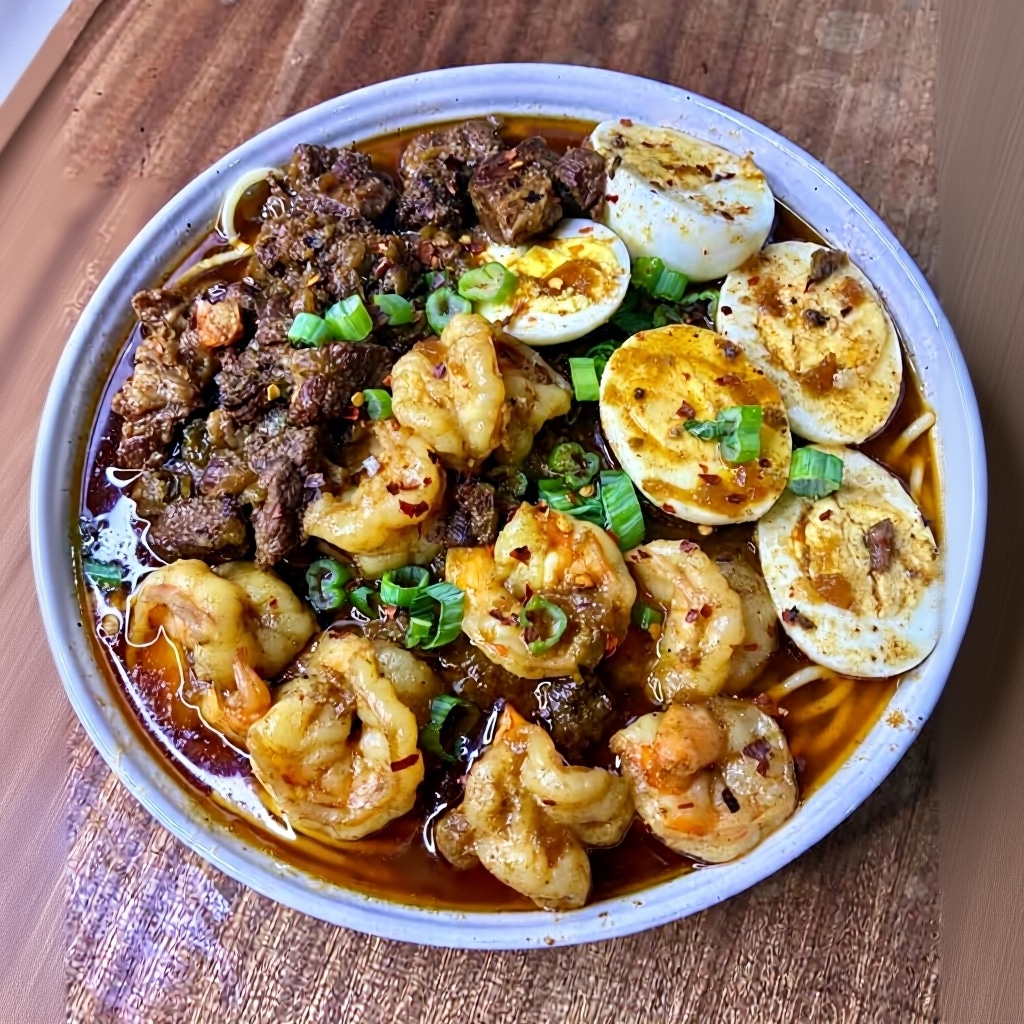
In the vibrant tapestry of New Orleans cuisine, where every dish tells a story of culture, resilience, and unparalleled flavor, there’s one humble yet mighty bowl that stands out: Yakamein. More than just a meal, this iconic New Orleans noodle bowl is a heartwarming embrace, a culinary legend whispered among locals as the ultimate antidote to a long night. Often affectionately known as ‘Old Sober soup,’ Yakamein promises a revival for both body and soul, embodying the true spirit of New Orleans soul food.
What is Yakamein? The Legend of ‘Old Sober’
At its heart, Yakamein, pronounced Yock-a-mein, is a deeply savory, rich, and often spicy beef and shrimp soup served over spaghetti noodles, crowned with a hard-boiled egg and green onions. It’s a dish that beautifully encapsulates the historical cultural fusion of African American and Chinese cuisines that blossomed in the port city of New Orleans. This unique blend of East meets South results in a flavor profile unlike any other – comforting, complex, and utterly satisfying.
The moniker ‘Old Sober soup’ isn’t just a playful nickname; it’s a testament to its legendary powers. For generations, locals have sworn by Yakamein as the ultimate hangover cure food. The rich, salty broth rehydrates, the carbohydrates from the spaghetti provide energy, and the robust beef and optional spicy kick work wonders to chase away the morning-after blues. It’s the kind of food that understands you, even when you can barely understand yourself.
The History Behind the Bowl
The fascinating journey of Yakamein begins in the late 19th and early 20th centuries within New Orleans’ bustling Chinatown. Chinese immigrants, arriving in the port city, established restaurants and laundries, bringing their culinary traditions with them. One popular dish was a simple beef noodle soup, known as ‘Yet Ca Mein.’ As African American workers and community members frequented these establishments, the dish began to evolve, absorbing the bold flavors and ingredients of Creole and Cajun cooking.
This culinary cross-pollination transformed ‘Yet Ca Mein’ into the beloved New Orleans soul food staple we know today. Over time, the name phonetically shifted to Yakamein or Yock-a-mein, and its unique blend of soy sauce, Worcestershire, and local spices cemented its place in the city’s gastronomic landscape. It became a beloved, affordable, and deeply comforting meal, particularly popular at late-night diners, corner stores, and street festivals.
The role of figures like ‘The Yakamein Lady’ – most famously Linda Green – was instrumental in popularizing the dish beyond its traditional enclaves. Linda Green, a culinary icon in New Orleans, brought her Yakamein to countless festivals, farmers’ markets, and events, sharing her passion and perfecting her rendition of the Creole beef soup. Her dedication helped elevate Yakamein from a well-kept local secret to a celebrated symbol of New Orleans’ culinary heritage, ensuring its legend continues for generations.
Key Ingredients for Authentic Yakamein
Creating an authentic bowl of Yakamein is an art form, relying on a careful balance of flavors and textures. The beauty lies in the simplicity of Yakamein ingredients, each playing a crucial role in the symphony of taste.
The Meat
For the meat component, beef chuck roast is undeniably the gold standard. Its rich marbling and connective tissue break down beautifully during a slow stew, resulting in incredibly tender, fall-apart morsels that melt in your mouth. This provides a deep, savory base that forms the soul of the soup. For those who love a bit of everything, adding succulent shrimp elevates the experience, transforming it into a luxurious spicy beef and shrimp soup, offering a delightful “surf and turf” dimension.
The ‘Juice’ (Broth)
The broth, affectionately known as the ‘juice,’ is where the magic truly happens. A robust beef stock forms the foundation, but it’s the layering of other flavors that makes it unmistakably Yakamein. A generous splash of soy sauce provides essential umami and saltiness, while a medley of Cajun spices (like paprika, garlic powder, onion powder, and a hint of cayenne) introduces that signature New Orleans warmth and gentle heat. The true secret to its savory umami depth often comes from a blend of Worcestershire sauce for tang and complexity, and even a touch of ketchup, which adds a subtle sweetness and body, creating a broth that is both familiar and exotic.
The Noodles
Perhaps one of the most surprising, yet iconic, elements of Yakamein is the choice of noodles: spaghetti. While traditional Asian noodle soups typically feature thin egg noodles or rice vermicelli, the use of spaghetti is a testament to the dish’s unique New Orleans evolution. Spaghetti was readily available and affordable, and its firm texture stands up beautifully to the rich, hearty broth, absorbing the flavors without becoming mushy. This seemingly unusual choice is now an integral and beloved part of the Cajun noodle soup experience.
How to Make Yakamein: Step-by-Step Overview
While the exact recipe for Yakamein can vary from kitchen to kitchen, the general process remains consistent, ensuring a soulful and satisfying result. Here’s a basic overview:
Step 1: Stewing the Beef Until It Falls Apart
Begin by searing cubed beef chuck roast until browned on all sides. Then, slow-cook it in beef stock with aromatics like onions and garlic, and a blend of spices. This slow simmer is crucial, allowing the beef to become incredibly tender, practically falling apart with a fork. This step develops a rich, meaty base for your broth.
Step 2: Building the Savory Broth Foundation
Once the beef is tender, strain the liquid to separate the broth. Return the clarified broth to the pot and season it meticulously. This is where you add your soy sauce, Worcestershire, ketchup, and additional Cajun spices. Taste and adjust, aiming for a perfectly balanced savory, slightly sweet, and subtly spicy flavor profile. If using shrimp, add them in the last few minutes of cooking the broth so they don’t overcook.
Step 3: Preparing the Fixings

While the broth simmers, cook your spaghetti according to package directions until al dente. Separately, hard-boil eggs, cool them, and slice them in half or quarters. These are essential elements for both texture and presentation.
Step 4: The Assembly (The Most Critical Part)
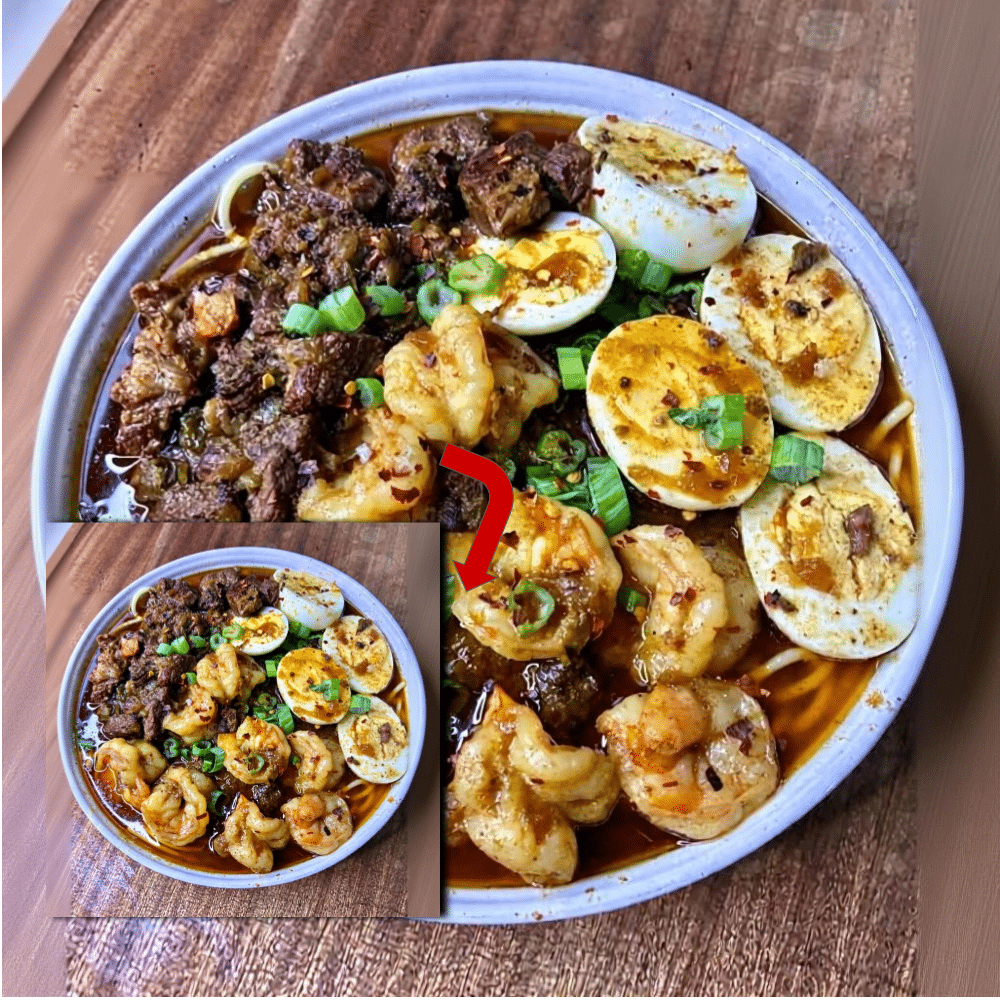
This is where your Yakamein truly comes to life. Ladle a generous portion of cooked spaghetti into a deep bowl. Arrange tender pieces of stewed beef (and shrimp, if using) over the noodles. Pour the piping hot, flavorful broth over everything. Garnish liberally with hard-boiled egg slices and finely chopped green onions. A dash of your favorite hot sauce is a must for that authentic New Orleans kick.
Tips for the Perfect Bowl
Marinating the Meat Beforehand: For an extra layer of flavor, consider marinating your beef chuck roast overnight in a mixture of soy sauce, a dash of Worcestershire, and some garlic powder before stewing. This deepens the savory notes of the meat.
Controlling the Salt Levels: The broth’s saltiness is key. Since both soy sauce and many Creole seasonings are salty, add them incrementally. Always taste as you go, and remember you can always add more, but you can’t take it away!
Garnishing Like a Pro: Don’t underestimate the power of garnishes. Freshly chopped green onions add a vibrant color and a fresh, pungent bite that contrasts beautifully with the rich broth. A generous drizzle of your favorite hot sauce is non-negotiable for that authentic spicy punch that defines a true spicy beef and shrimp soup experience.
Frequently Asked Questions
Can I use different cuts of beef?
While beef chuck roast is recommended for its tenderness and flavor, you can experiment with other cuts like beef shank or even short ribs. Just be aware that cooking times may vary, and you’ll still want to slow cook it until it’s fall-apart tender to achieve the desired texture for Yakamein.
How long does the broth last in the fridge?
The flavorful Yakamein broth can be stored separately in an airtight container in the refrigerator for up to 3-4 days. It actually tends to get even better on the second day as the flavors meld further. Cooked beef can also be stored with the broth or separately for the same duration. For longer storage, both the broth and beef freeze well for up to 2-3 months.
Is Yakamein supposed to be spicy?
Traditional Yakamein often has a noticeable, but not overwhelming, warmth from Creole and Cajun spices. Many people enhance this with a generous splash of hot sauce directly into their bowl. So, while it’s not always scorching hot, a good spicy beef and shrimp soup interpretation certainly benefits from a pleasant kick. Adjust the hot sauce to your personal preference!
Conclusion
Yakamein is more than just a Creole beef soup; it’s a culinary emblem of New Orleans’ rich cultural tapestry, a testament to its ingenuity, and a delicious journey through its vibrant history. From its origins in Chinatown to its status as a beloved hangover cure food and quintessential New Orleans soul food, every spoonful tells a story of tradition and innovation. Whether you call it ‘Old Sober soup’ or simply the best Cajun noodle soup you’ve ever had, Yakamein offers comfort, flavor, and a uniquely New Orleans experience. Dive into a bowl and savor the legacy!
If you’re as passionate about New Orleans cuisine and soulful dishes as we are, be sure to follow our journey and discover more amazing recipes and food stories! Find us on Facebook at our official page for daily deliciousness.
Spicy Beef and Shrimp Yakamein (Old Sober)
Ingredients
- 2 lbs boneless beef chuck roast, cut into strips
- 1 lb medium shrimp, peeled and deveined
- 8 cups beef broth
- 1 lb spaghetti noodles
- 4 large hard-boiled eggs, peeled and halved
- 2 tbsp vegetable oil
- 2 tbsp Creole or Cajun seasoning Divided use
- 1 tsp onion powder
- 1 tsp garlic powder
- 1/4 cup soy sauce
- 2 tbsp Worcestershire sauce
- 1 tbsp ketchup Optional, for depth
- 1 cup green onions, chopped For garnish
- 1 tsp chili flakes Or hot sauce to taste
Instructions
- In a small bowl, mix 1 tablespoon of the Creole seasoning with the onion powder and garlic powder. Season the beef strips generously with this mixture.
- Heat the vegetable oil in a large Dutch oven or stockpot over medium-high heat. Sear the beef strips in batches until browned on all sides, then remove and set aside.
- In the same pot, pour in the beef broth, soy sauce, Worcestershire sauce, ketchup, and the remaining tablespoon of Creole seasoning. Scrape up any browned bits from the bottom of the pot.
- Return the seared beef to the pot. Bring the mixture to a boil, then reduce heat to low. Cover and simmer for 1.5 to 2 hours, or until the beef is very tender.
- While the beef simmers, cook the spaghetti noodles according to package directions until al dente. Drain and set aside.
- In the last 5-7 minutes of the beef simmering, add the shrimp to the pot. Cook until the shrimp are pink and opaque. Taste the broth and adjust heat with chili flakes or hot sauce if desired.
- To assemble, place a portion of cooked spaghetti in a bowl. Ladle the hot broth, beef, and shrimp over the noodles.
- Top each bowl with a halved hard-boiled egg and a generous handful of chopped green onions. Serve immediately with extra hot sauce on the side.
For more daily recipes and tips, follow us on Facebook!
Click here to join our community!