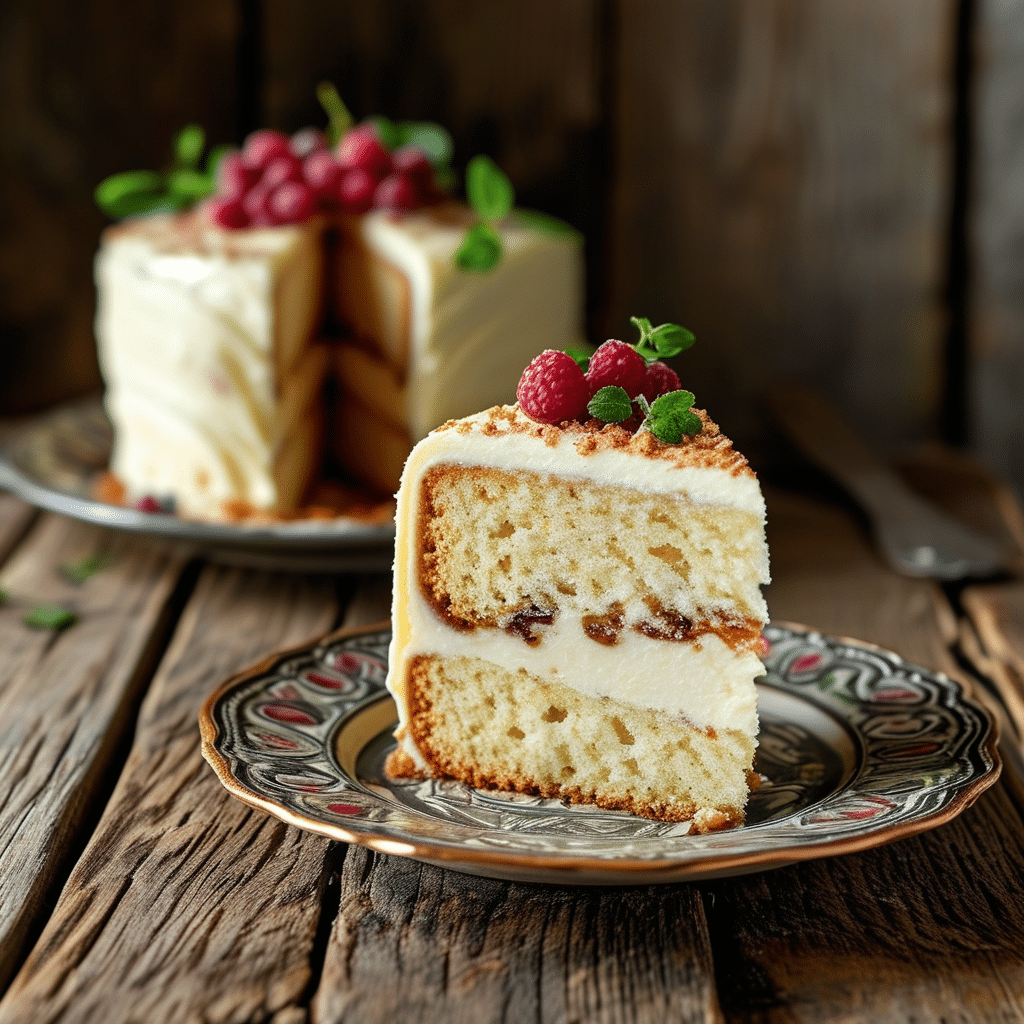
The Irresistible Allure of an Old Fashioned Whipping Cream Pound Cake
There are certain recipes that transcend time, bringing forth a comforting wave of nostalgia with every bite. The Whipping Cream Pound Cake is undeniably one of them. More than just a simple dessert, it’s a treasured piece of culinary history, a staple in many Southern dessert recipes, and the epitome of elegant simplicity. Its rich, buttery aroma fills the kitchen, promising a tender crumb and a perfect balance of sweetness that few other cakes can rival.
What truly sets this heavy cream cake apart from its traditional counterparts? It’s the magical inclusion of heavy whipping cream. While many pound cake recipes rely solely on butter, the addition of heavy cream introduces an unparalleled richness and moisture, resulting in a velvety, almost melt-in-your-mouth crumb that regular milk simply cannot achieve. This isn’t just a cake; it’s an experience, transforming humble ingredients into something truly extraordinary.
Historically, pound cakes earned their name from the original ratio of a pound each of butter, sugar, eggs, and flour. Over centuries, bakers began to experiment, introducing leavening agents and various liquids to create lighter textures while retaining that signature dense, moist profile. The addition of heavy cream was a brilliant evolution, elevating the classic formula to new heights of indulgence and securing its place as a beloved old fashioned pound cake recipe.
Why This Recipe Works: The Science of Supreme Moistness
The success of our Whipping Cream Pound Cake lies in a few critical culinary principles that work in harmony to produce its legendary texture and flavor.
Double Fat Content for Unrivaled Moisture
This recipe cleverly leverages a double fat content. The generous amount of butter contributes structure, flavor, and a portion of the richness, while the heavy cream infuses the batter with an extra layer of fat and moisture. This synergistic combination prevents the cake from drying out, ensuring every slice is incredibly moist and tender. It’s the secret behind that truly decadent, melt-in-your-mouth quality.
The Aeration Factor: Creaming Butter and Sugar
Perhaps the single most critical step in achieving the signature texture of a dense vanilla cake is the creaming of butter and sugar. This isn’t just about combining ingredients; it’s about aeration. As the butter and sugar crystals beat together, they create countless tiny air pockets. These air pockets expand during baking, contributing to the cake’s lift and delicate crumb structure. Without proper creaming, your cake can turn out flat and overly dense, lacking that characteristic tender bounce.
Texture Profile: Dense, Tight Crumb with a Signature Crispy Golden Crust
A perfectly baked Whipping Cream Pound Cake boasts a distinct texture. It’s renowned for its dense, tight crumb, which is a hallmark of true pound cake, yet it remains wonderfully moist, never dry or crumbly. But what truly seals the deal is the exterior: a beautiful, slightly caramelized and crispy golden crust pound cake. This crust develops as the sugars on the surface interact with the heat of the oven, creating a delightful textural contrast to the soft interior.

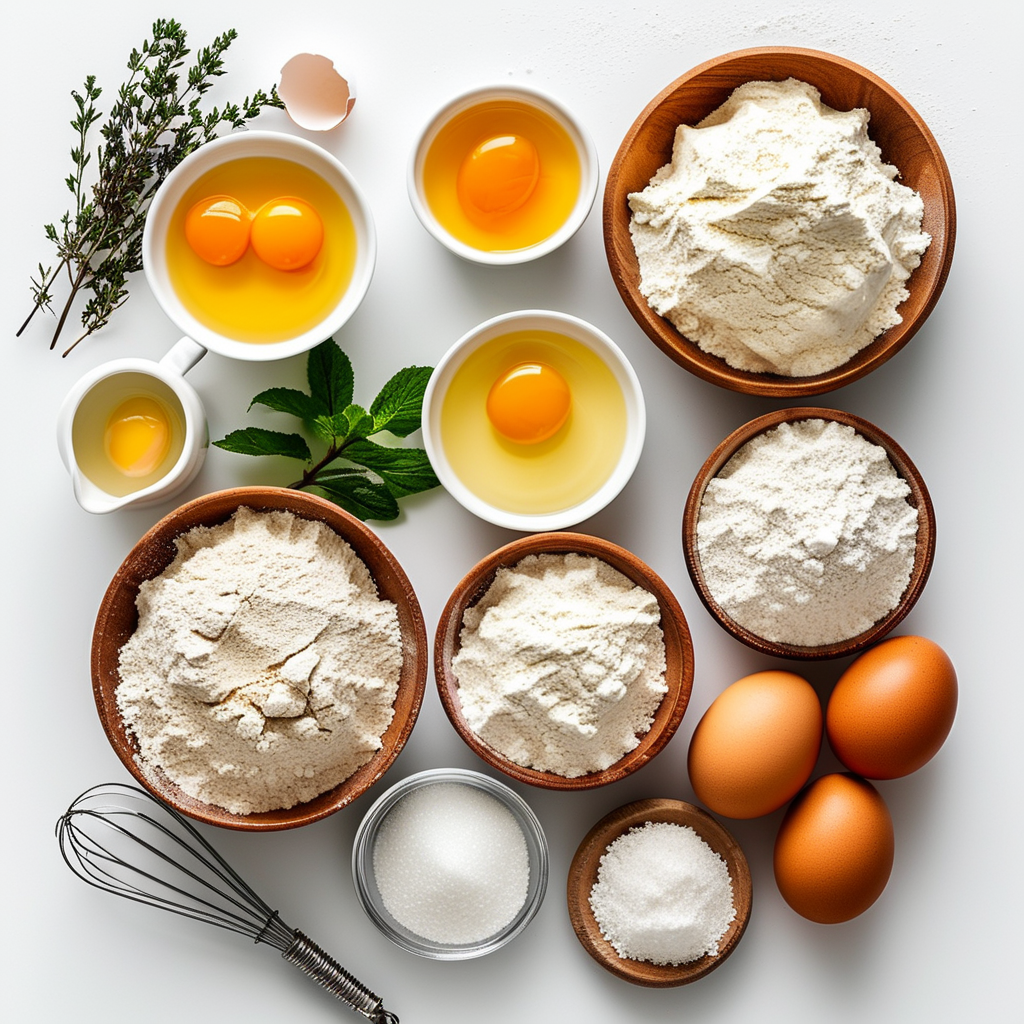
Ingredients & Substitutions: The Building Blocks of Perfection
Quality ingredients are paramount for an outstanding Whipping Cream Pound Cake. Here’s what you need and why:
Butter: Unsalted, Room Temperature, Non-Negotiable
Always opt for unsalted butter. This gives you complete control over the salt content in your cake. Crucially, the butter MUST be at room temperature – soft enough to indent with a finger but not melted. This ensures it creams properly with sugar, creating those essential air pockets for a light, fluffy crumb. Cold butter won’t emulsify, and melted butter will lead to a greasy, heavy cake.
Whipping Cream: Heavy Whipping Cream is Key
For that signature richness and moistness, use heavy whipping cream (which contains at least 36% milk fat). Do not substitute with half-and-half, light cream, or regular milk. The high fat content of heavy cream is what contributes to the cake’s luxurious texture and distinct flavor profile, truly making it a superior heavy cream cake.
Flour: Cake Flour vs. All-Purpose Flour
This is a common question for pound cake enthusiasts. While you can use all-purpose flour, for the most tender and delicate crumb, cake flour is often preferred. Cake flour has a lower protein content, which results in less gluten development and a softer cake. If using all-purpose flour, measure by weight for accuracy (1 cup typically equals 120 grams). For either, sifting correctly is crucial to aerate the flour and remove any lumps, ensuring a smooth batter.
Eggs: The Importance of Room Temperature
Like butter, eggs should be at room temperature. This isn’t just a baker’s whim; it’s vital for proper emulsification. Room temperature eggs blend more smoothly into the creamed butter and sugar mixture, preventing the batter from curdling and creating a homogenous, stable emulsion that yields a finely textured cake.
Flavorings: Vanilla Extract & Almond Extract Options
Pure vanilla extract is a must for a classic dense vanilla cake. For an extra layer of complexity, many Southern bakers add a touch of almond extract. This pairing creates a wonderfully rich and nuanced flavor that perfectly complements the buttery base. Feel free to use one or both, adjusting to your preference.
Equipment Essentials: Tools for Pound Cake Success
Having the right tools makes all the difference in achieving a perfectly baked Whipping Cream Pound Cake.
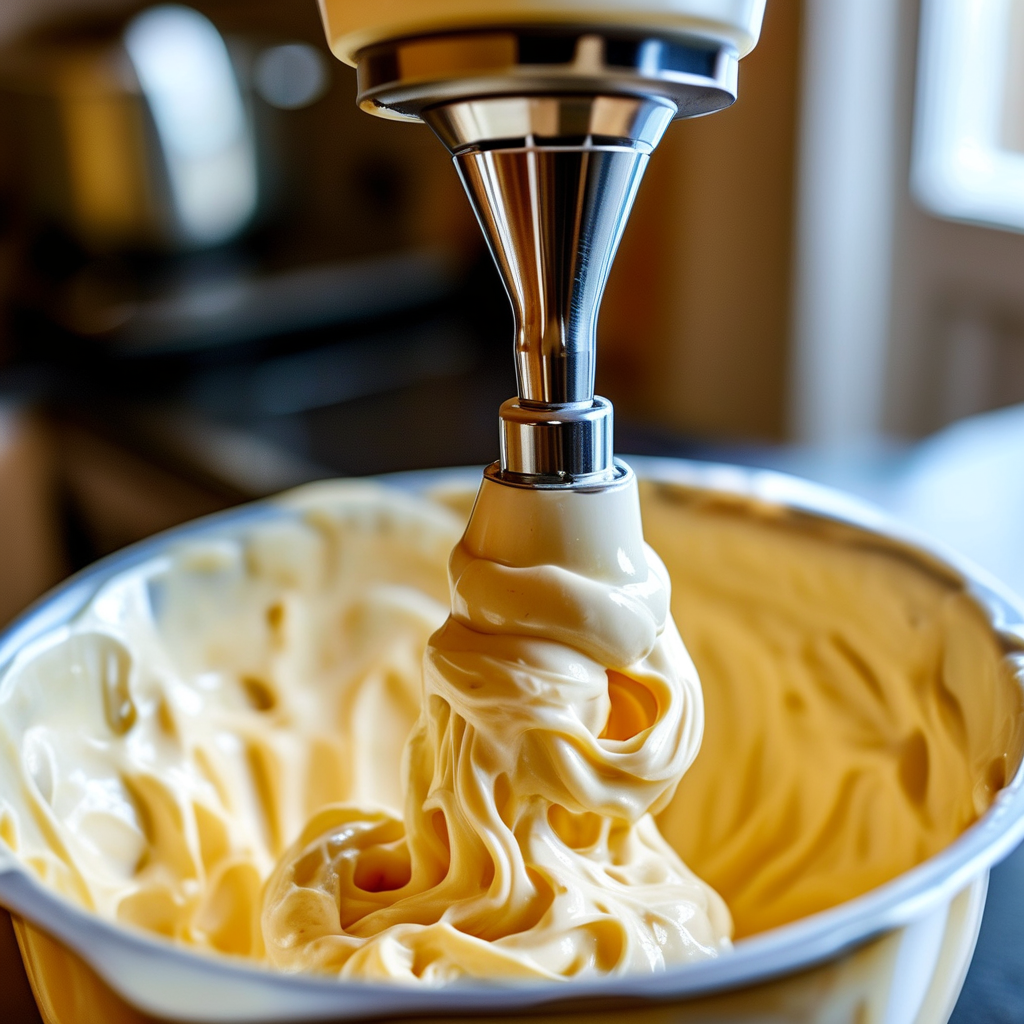
Bundt Pan vs. Loaf Pan: Adjusting Bake Times
A Bundt pan (10-12 cup capacity) is ideal for its decorative shape and even heat distribution, which helps create that desirable golden crust. If you opt for a loaf pan (9×5 inch), you may need to adjust the bake time, typically requiring less time than a Bundt pan. Always fill pans no more than two-thirds full to prevent overflow.
Stand Mixer vs. Hand Mixer: Achieving the Right Fluffiness
A stand mixer with a paddle attachment is a baker’s best friend for pound cake, making the crucial creaming step effortless and consistent. A good quality hand mixer can also achieve excellent results, though it may require a bit more arm strength and time. The goal is to incorporate enough air into the butter and sugar, so ensure your chosen mixer can handle the task effectively.
Step-by-Step Baking Guide: Your Path to Pound Cake Perfection
1. Preparation
Proper pan greasing techniques to prevent sticking: This step is paramount. Use a baking spray with flour, or generously grease your Bundt pan with shortening (like Crisco) and then flour it, tapping out any excess. Ensure every crevice is coated to guarantee an easy release of your beautiful moist bundt cake.
2. The Mixing Method
Creaming butter and sugar: The 5-7 minute rule: In your mixer, combine the room temperature butter and granulated sugar. Beat on medium-high speed for a full 5-7 minutes, scraping down the sides of the bowl periodically. The mixture should become pale, light, and fluffy, almost like whipped frosting. This is where aeration happens, creating the foundation for a tender crumb.
Adding eggs: One at a time to maintain the emulsion: Reduce mixer speed to low. Add the room temperature eggs, one at a time, beating well after each addition until fully incorporated before adding the next. This slow addition helps maintain a smooth, emulsified batter, preventing it from curdling.
The Alternating Technique: Why you add flour and cream in stages: This technique is key to developing the perfect texture. With the mixer on low, begin by adding about one-third of the sifted flour mixture, mixing just until combined. Then, add half of the heavy whipping cream, mixing until just incorporated. Repeat with another third of the flour, the remaining cream, and finally the last third of the flour. Mixing in stages like this prevents overmixing the flour (which can lead to a tough cake) and ensures a smooth, even batter.
3. Baking to Perfection
Temperature checks and visual cues (the golden crust): Pour the batter into your prepared pan. Bake in a preheated oven (usually around 325-350°F, depending on your oven and pan size) until a wooden skewer inserted into the center comes out clean. The cake should have a deep golden crust pound cake and a glorious crack along the top, indicating it’s done. Internal temperature should reach 200-210°F.
The ‘Cold Oven’ variation explained (optional method): For those seeking an exceptionally uniform and crack-free top, or for a traditional cold oven pound cake method, place the filled pan into a cold oven. Then, set the temperature and begin baking. This gradual heating allows the cake to rise more slowly and evenly, often resulting in a beautifully level surface and preventing premature browning.
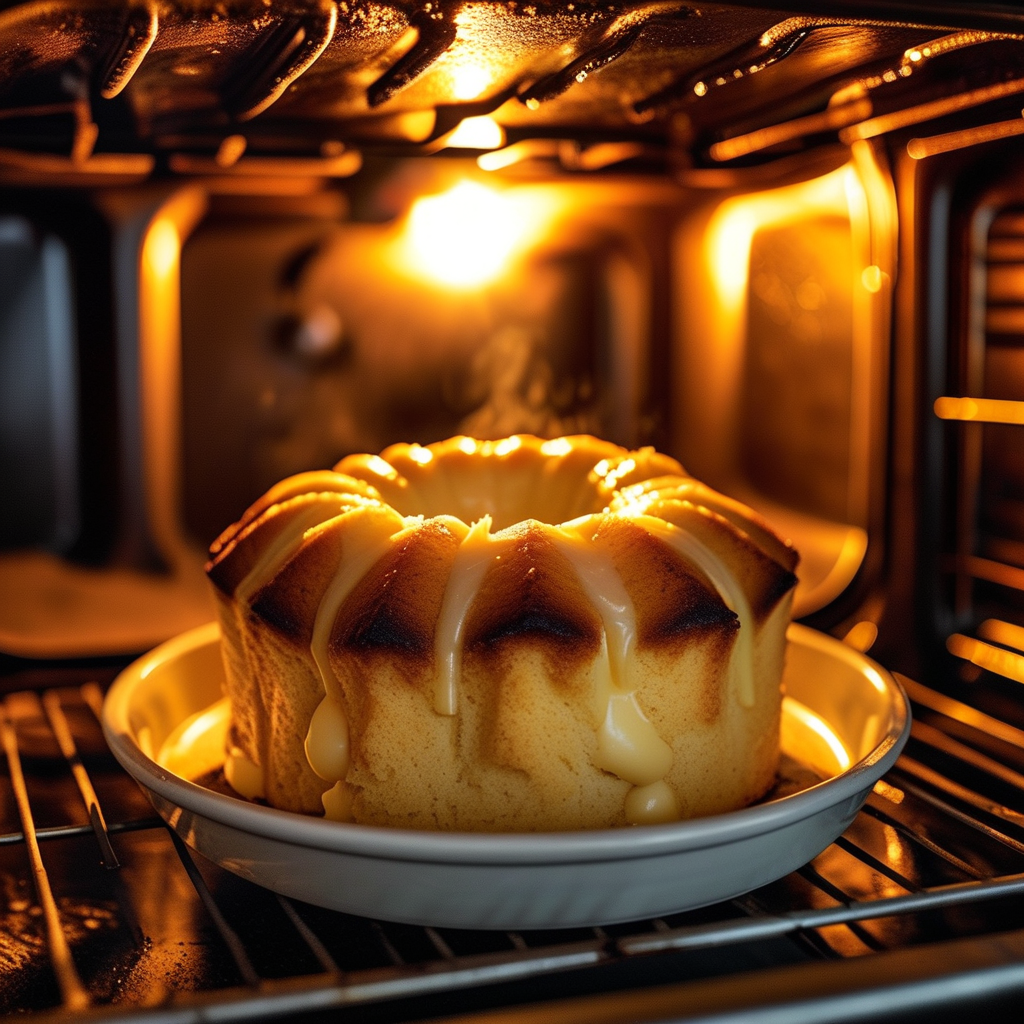
Troubleshooting Common Problems: Mastering Your Bake
Even seasoned bakers encounter hiccups. Here’s how to navigate common Whipping Cream Pound Cake issues:
Gummy Streak: Causes and Fixes
A gummy streak at the bottom of your cake is usually a sign of underbaking, incorrect oven temperature, or insufficient mixing. Ensure your oven is accurately calibrated (an oven thermometer is a great investment). Bake until the internal temperature reaches 200-210°F and a skewer comes out clean. Proper creaming and mixing also help distribute ingredients evenly.
Sinking Middle: Why Opening the Oven Door Too Early Is Fatal
A sinking middle often occurs when the cake is removed from the oven too early or when the oven door is opened before the cake is fully set. The sudden change in temperature causes the delicate structure to collapse. Resist the urge to peek during the first two-thirds of the baking time!
Sticking to the Pan: How Long to Cool Before Inverting
If your cake sticks to the pan, it’s likely due to inadequate greasing or inverting too soon. After removing from the oven, let the cake cool in the pan on a wire rack for 10-15 minutes. This allows the cake to firm up slightly and pull away from the sides. Inverting too late can also cause sticking as the sugars cool and adhere to the pan. A gentle tap and shake should release it.
Cracked Top: Why It’s Actually a Hallmark of a Good Pound Cake
Don’t fret over a cracked top! For many traditional pound cakes, especially those baked in a Bundt pan or with the cold oven method, a beautiful crack is not a flaw but a desired characteristic. It’s a sign that the cake rose vigorously and developed that desirable crispy golden crust. Embrace the crack – it adds to the rustic charm of an old fashioned pound cake recipe!
Serving & Storage Tips: Enjoying Your Creation
Once your Whipping Cream Pound Cake is baked to perfection, it’s time to enjoy it!
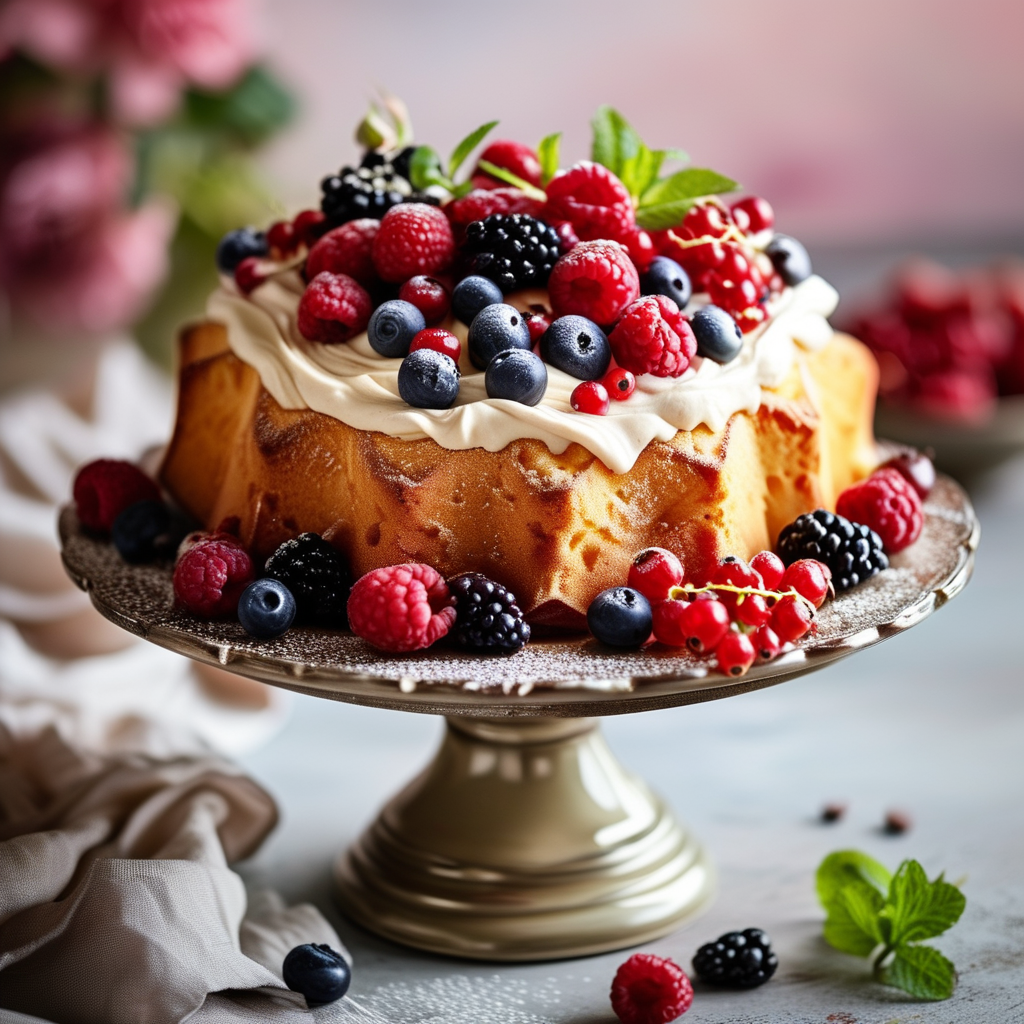
Best Toppings: Fresh Berries, Whipped Cream, or Lemon Glaze
This cake is sublime on its own, but a simple accompaniment elevates it further. Serve slices with a dollop of freshly whipped cream, a handful of tart fresh berries (strawberries, raspberries, or blueberries are excellent), or a bright, zesty lemon glaze for an extra pop of flavor. It’s truly one of the most versatile Southern dessert recipes.
Storing at Room Temperature vs. Refrigeration
Pound cake stores beautifully. At room temperature, wrapped tightly in plastic wrap or kept in an airtight container, it will remain moist and delicious for 3-5 days. Refrigeration can dry out pound cake, so it’s generally not recommended unless you need to extend its shelf life for longer or if it has a perishable frosting.
Freezing Instructions for Long-Term Storage
For longer storage, pound cake freezes exceptionally well. Ensure the cake is completely cooled, then wrap it tightly in several layers of plastic wrap, followed by a layer of aluminum foil. Freeze for up to 3 months. Thaw overnight in the refrigerator, then bring to room temperature before serving for the best texture.
Frequently Asked Questions (FAQ)
Can I use milk instead of whipping cream?
While you technically *can* use milk, it’s not recommended for this specific recipe. The high fat content of heavy whipping cream is crucial for the cake’s signature richness, moistness, and dense texture. Substituting with milk will result in a drier cake with a less luxurious crumb.
Why is my pound cake dry?
A dry pound cake is usually caused by overbaking, too much flour, or insufficient fat. Ensure you measure ingredients accurately (preferably by weight), avoid overmixing the flour, and bake only until a skewer comes out clean.
Can I make this in a loaf pan?
Yes, you can! A standard 9×5 inch loaf pan will work. Be aware that the baking time will be shorter than for a Bundt pan, so start checking for doneness around 60-75 minutes. You might need two loaf pans depending on the batter volume. Adjusting bake times for a moist bundt cake versus a loaf pan is key.
Conclusion
There’s an undeniable magic in creating an exquisite dessert from scratch, and the Whipping Cream Pound Cake perfectly embodies this joy. It’s a recipe that speaks of tradition, comfort, and pure indulgence. From its origins as a simple pound-for-pound creation to this enriched, luxurious version, it promises a moist, dense vanilla cake with that coveted golden crust that makes every slice a celebration. Don’t be intimidated; armed with these tips and a little patience, you’re well on your way to baking a truly unforgettable old fashioned pound cake recipe. So preheat your oven, gather your ingredients, and prepare to fill your home with the sweet aroma of baking perfection.
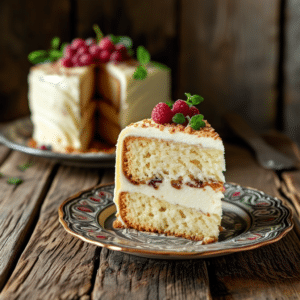
Old Fashioned Whipping Cream Pound Cake
Ingredients
- 1 cup Unsalted butter Softened to room temperature (2 sticks)
- 3 cups Granulated sugar White sugar
- 6 large Eggs Room temperature
- 3 cups All-purpose flour Sifted (or cake flour for lighter texture)
- 1 cup Heavy whipping cream Room temperature, liquid (do not whip beforehand)
- 1 tbsp Vanilla extract Pure vanilla is best
- 1/2 tsp Baking powder Optional but recommended for lift
- 1/2 tsp Salt Table salt
Instructions
- Preheat your oven to 325°F (165°C). Thoroughly grease and flour a 10-inch Bundt pan or tube pan to ensure the cake releases easily.
- In a medium bowl, sift together the flour, baking powder, and salt. Set aside.
- In a large mixing bowl or stand mixer fitted with the paddle attachment, cream the softened butter and granulated sugar together on medium-high speed for 5-7 minutes until the mixture is very pale, light, and fluffy.
- Add the eggs one at a time, beating well after each addition. Scrape down the sides of the bowl as needed to ensure even mixing.
- Reduce the mixer speed to low. Add the flour mixture and the heavy whipping cream alternately, beginning and ending with the flour (Flour -> Cream -> Flour). Mix only until just combined; do not overmix or the cake will be tough.
- Stir in the vanilla extract.
- Pour the batter into the prepared Bundt pan and smooth the top with a spatula. Tap the pan gently on the counter to release air bubbles.
- Bake for 75 to 85 minutes, or until a long skewer inserted into the center comes out clean or with a few moist crumbs.
- Allow the cake to cool in the pan for 15-20 minutes, then carefully invert it onto a wire rack to cool completely before slicing.
For more daily recipes and tips, follow us on Facebook!
Click here to join our community!