There are few things as comforting and truly satisfying as a hearty Southern breakfast, and at the heart of many cherished memories lies a rich, creamy, and deeply flavorful gravy. We’re talking about the quintessential accompaniment to flaky biscuits, the kind that makes your morning meal a true event: the legendary Sawmill Gravy Recipe.
More than just a simple sauce, sawmill gravy is a cultural touchstone, a celebration of simple ingredients transformed into something extraordinary. If you’ve ever enjoyed a plate of biscuits and gravy that truly sang, chances are you’ve experienced the magic of this old fashioned milk gravy. It’s a foundational component of classic southern breakfast recipes, offering a warmth and richness that starts your day right.
Join us as we dive into the history, the ingredients, and the step-by-step process of crafting this incredible creamy skillet gravy right in your own kitchen.
What is Sawmill Gravy? A Southern Classic
Sawmill gravy is a staple in Southern cuisine, known for its robust flavor and often a slightly rustic texture. It’s a type of white gravy that forms the backbone of countless hearty meals, particularly breakfast. Unlike some of its smoother counterparts, traditional sawmill gravy often hints at its humble origins with a subtle grittiness or the presence of finely crumbled meat, making it incredibly satisfying and substantial.

The History Behind the Name
The name “Sawmill Gravy” paints a vivid picture of its humble beginnings. This hearty dish originated in the logging camps of the Southern Appalachian region, where hardworking sawmill workers needed a breakfast that was both filling and affordable. Early versions of this logging camp gravy were often made with cornmeal and rendered fat, sometimes including bits of leftover meat or even just flour and water to stretch meager resources.
Why was it the ideal fuel for sawmill workers? Because it was incredibly calorie-dense and delicious, providing sustained energy for physically demanding labor. It was poured generously over cheap, readily available biscuits, creating a meal that kept the workers going. Over time, the recipe evolved, with flour largely replacing cornmeal as the thickener and milk becoming the preferred liquid, transforming it into the creamy, beloved gravy we know today.
Sawmill Gravy vs. Country Gravy vs. Sausage Gravy
While these terms are often used interchangeably, there are subtle yet distinct differences that define each type of Southern gravy:
- Sawmill Gravy: Traditionally, this refers to a white gravy that originally had a coarser, somewhat gritty texture due to the use of cornmeal. In its more modern interpretation, it typically implies a richer flavor derived from meat drippings and often includes small, flavorful bits of browned beef, giving it both depth and character. It’s usually made from rendered beef fat, flour, and milk.
- Country Gravy: This is often a simpler, meatless white sauce. It’s usually made with butter or lard, flour, and milk, resulting in a smooth, creamy texture without the inclusion of meat bits. It’s sometimes seasoned with just salt and a generous amount of black pepper.
- Sausage Gravy: This is perhaps the most widely recognized modern iteration, specifically loaded with ground meat. While it falls under the umbrella of country or white gravy, its defining characteristic is the substantial presence of savory ground beef, cooked until beautifully browned and crumbled. Our Sawmill Gravy Recipe leans into this richness by incorporating seasoned ground beef, making it a robust and flavorful beef sausage gravy.
Ingredients for the Perfect Sawmill Gravy
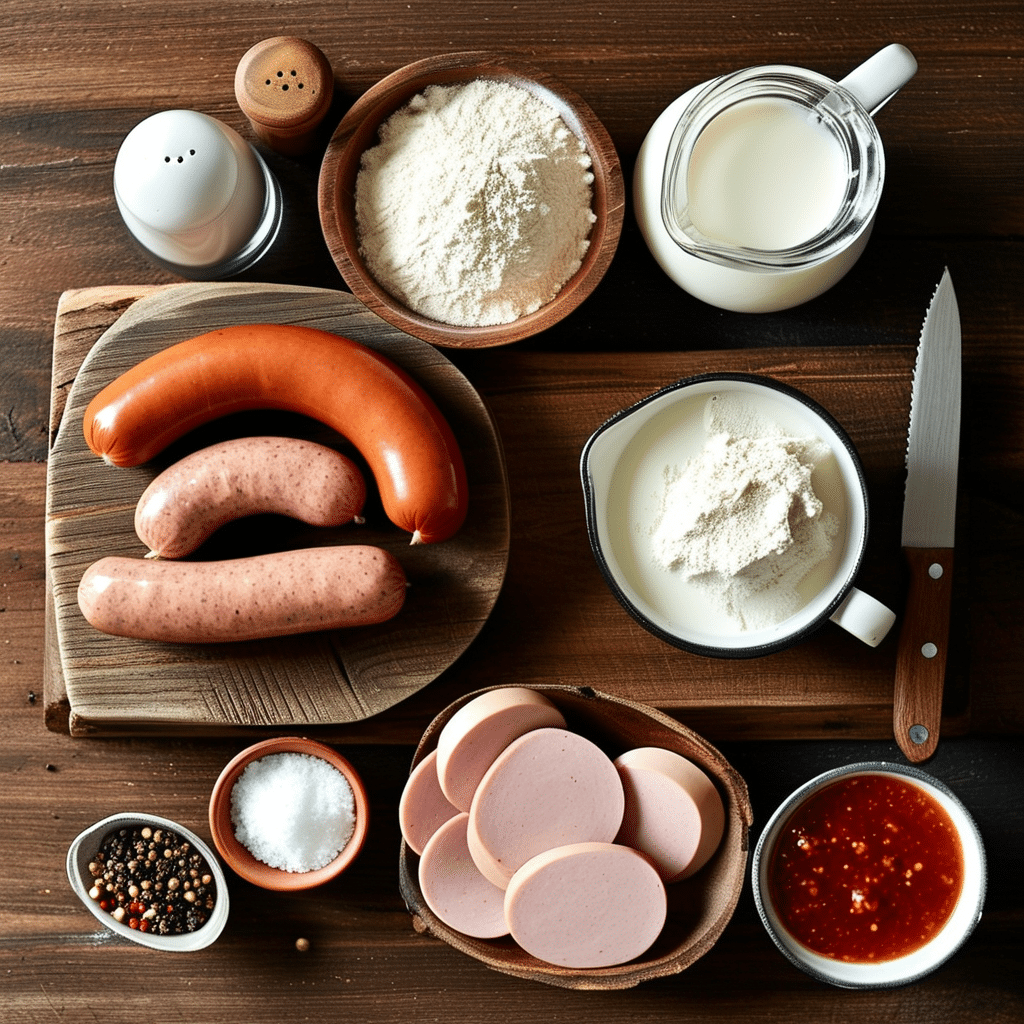
Crafting the perfect homemade gravy for biscuits starts with selecting the right ingredients. Each component plays a vital role in building layers of flavor and achieving that ideal creamy texture.
The Meat: Why We Use Beef
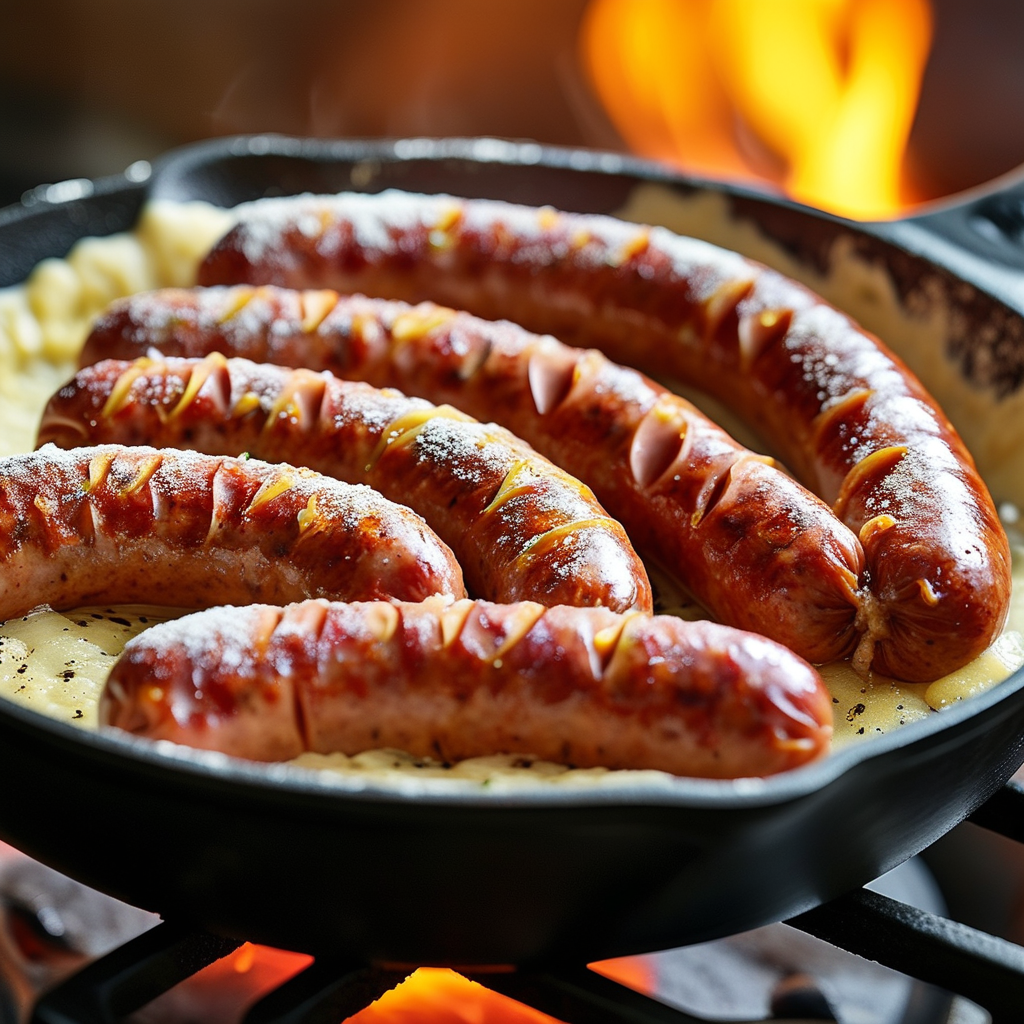
For a rich and savory sawmill gravy, ground beef is an excellent choice. It provides a robust flavor base and renders enough fat to start a perfect roux. Our approach ensures a deep, satisfying taste that is truly unforgettable.
- Choosing the right grind: We recommend 80/20 ground beef. The higher fat content (20%) is crucial here, as it renders out beautifully during browning, providing the essential fat needed for the roux and infusing the gravy with incredible flavor. Leaner beef won’t provide enough fat, leading to a less flavorful gravy.
- Seasoning beef to mimic traditional breakfast sausage: To give our beef the classic, savory profile often associated with breakfast gravies, we’ll season it generously. A simple blend of dried sage, a pinch of dried thyme, and a touch of red pepper flakes will transform plain ground beef into a flavorful foundation reminiscent of a well-seasoned breakfast sausage. This layering of flavor is what truly elevates our beef sausage gravy.
The Roux Essentials
The roux is the magical thickening agent that gives gravy its luscious texture.
- Importance of rendered fat: The fat rendered from browning your beef is the golden ticket. It’s packed with flavor and forms the base of your roux. If you find you don’t have enough fat (perhaps from a slightly leaner beef), you can supplement with a tablespoon or two of butter or lard.
- All-purpose flour ratios: The classic roux for gravy uses equal parts fat and flour by weight, though it’s often measured roughly by volume. For every tablespoon of rendered fat, you’ll want about one tablespoon of all-purpose flour. This ratio ensures a smooth, lump-free base that thickens beautifully.
The Liquid
The liquid component is where the gravy truly comes to life.
- Whole milk vs. Buttermilk: Whole milk is generally preferred for a rich, creamy, and neutral-tasting white gravy recipe. Its fat content contributes to a velvety texture. If you desire a slight tang and a touch of old-fashioned flavor, buttermilk can be used, but it might require a slightly different thickening approach as it can curdle if not handled carefully. For beginners, whole milk is the safest and most delicious bet.
- Using heavy cream for extra richness: For an exceptionally decadent and creamy skillet gravy, consider substituting a portion of the whole milk with heavy cream. This will yield a noticeably richer, more luxurious gravy that is truly special for celebratory brunches.
Step-by-Step: How to Make Sawmill Gravy
Making a truly memorable Sawmill Gravy is simpler than you might think. Follow these steps for a perfect, lump-free, and incredibly flavorful gravy every time.
1. Browning the Meat
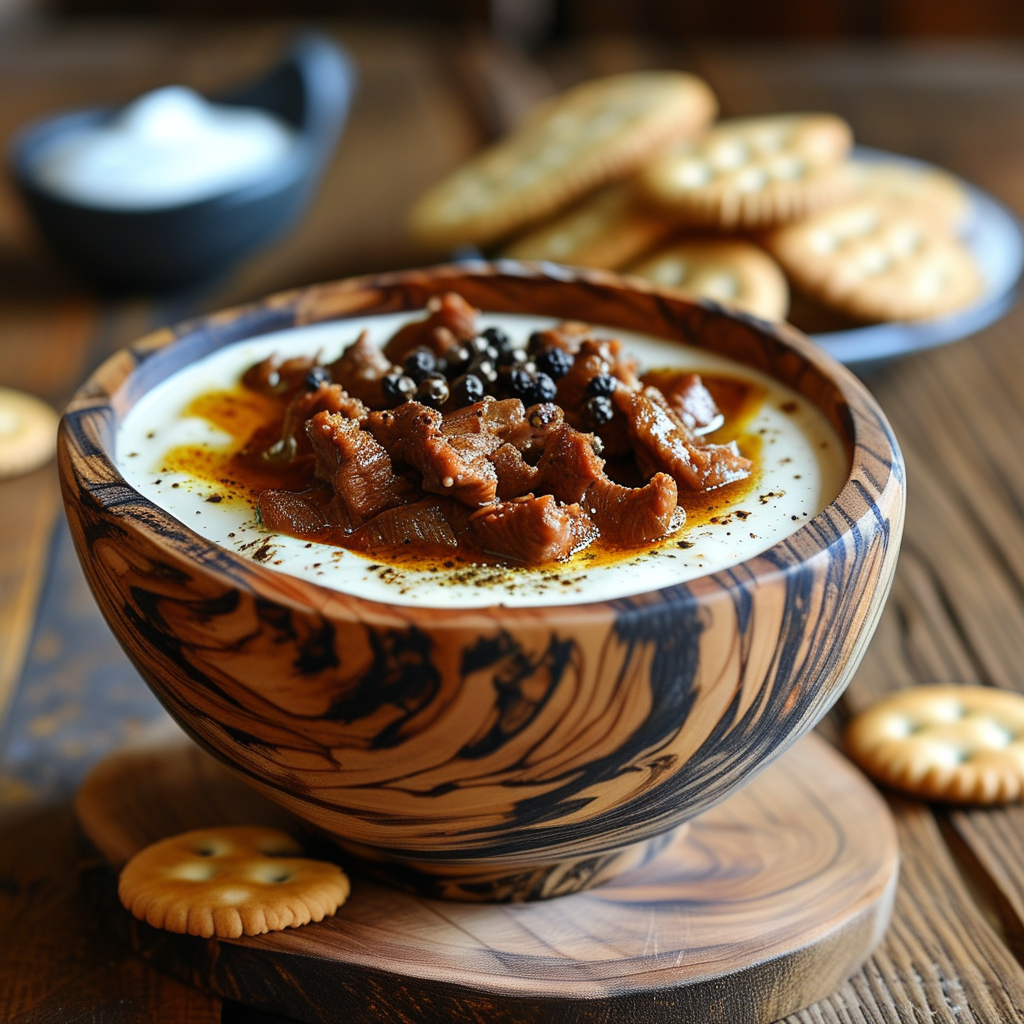
- Heat your skillet: Place your cast iron skillet over medium-high heat. Add your ground beef.
- Break up and season: As the beef cooks, use a wooden spoon or spatula to break it into small, uniform crumbles. Sprinkle with the sage, thyme, red pepper flakes, salt, and black pepper.
- Achieve the Maillard reaction: Continue cooking, stirring occasionally, until the beef is beautifully browned and has developed a rich, caramelized crust. This browning, known as the Maillard reaction, is crucial for developing deep, complex flavors in your gravy.
- Preserving the ‘fond’: Once browned, remove the cooked beef from the skillet with a slotted spoon, leaving behind the rendered fat and any flavorful browned bits (the ‘fond’) stuck to the bottom of the pan. Set the beef aside. If you have significantly more than 3-4 tablespoons of rendered fat, drain off the excess, leaving just enough for your roux.
2. Creating the Roux
- Add flour to fat: With the skillet still over medium heat (or medium-low if your pan holds heat well), sprinkle the all-purpose flour directly into the rendered beef fat.
- Whisk constantly: Immediately begin whisking continuously. The mixture will form a thick paste.
- Cook out the raw flour taste: Continue to cook the roux, whisking constantly, for 1-2 minutes. This step is vital to cook out the raw flour taste, ensuring your gravy has a smooth, nutty flavor rather than a pasty one. The roux should be a light golden color.
3. The Milk Pour
- Gradual addition of milk: Slowly pour in the cold whole milk, a little at a time, while continuously whisking vigorously. Pouring slowly and whisking prevents lumps from forming.
- Smooth out lumps: If any small lumps appear, keep whisking; they will generally dissolve as the gravy heats and thickens.
- Simmer to the perfect consistency: Bring the gravy to a gentle simmer, still whisking frequently. It will thicken significantly as it heats. Once it reaches your desired creamy skillet gravy consistency (it should be thick enough to coat the back of a spoon, but still pourable), remove it from the heat. Remember it will thicken a bit more as it cools.
- Return the beef: Stir the reserved cooked beef back into the gravy.
- Taste and adjust: Taste the gravy and adjust the seasoning with additional salt and freshly ground coarse black pepper as needed.
Tips for Success
Achieving sawmill gravy perfection is within reach with these expert tips:
- Cast Iron Skillets: Why they are the best vessel for gravy: A heavy-bottomed cast iron skillet is ideal for making gravy. It distributes heat evenly, allowing the beef to brown beautifully and the roux to cook consistently without burning. The seasoned surface also contributes to a naturally non-stick environment and imparts a subtle, desirable flavor.
-
Troubleshooting: How to fix gravy that is too thick or too thin:
- Too Thick: Gradually whisk in a little more warm milk or even a splash of water until it reaches your desired consistency. Be sure to add it slowly to avoid over-thinning.
- Too Thin: In a separate small bowl, whisk together a tablespoon of flour or cornstarch with an equal amount of cold water or milk to create a slurry. Gradually whisk this slurry into the simmering gravy and cook for another minute or two, allowing it to thicken. Repeat if necessary.
- Seasoning: The importance of coarse black pepper (the ‘sawdust’ look): Don’t be shy with the black pepper! Freshly ground coarse black pepper not only adds a wonderful pungent flavor but also contributes to the visual appeal of sawmill gravy, giving it its characteristic “sawdust” look, a nod to its origins.
Variations to Try
While the classic Sawmill Gravy Recipe is perfect as is, don’t hesitate to experiment and make it your own!
- Spicy Kick: For those who love a little heat, whisk in a pinch of cayenne pepper or a few dashes of your favorite hot sauce into the gravy along with the milk. Start with a small amount and add more to taste.
- Vegetarian Options: If you’re skipping the beef, you can still enjoy a delicious sawmill-style gravy. Start by making a roux with butter or a neutral oil. For depth of flavor, consider whisking in a tablespoon of mushroom base or a rich vegetable broth concentrate into your milk before adding it to the roux.
- Gluten-Free: Easily make this recipe gluten-free by swapping the all-purpose flour for a good quality gluten-free all-purpose flour blend or by using cornstarch. If using cornstarch, create a slurry with cold water or milk first, then slowly whisk it into your hot liquid at the end to thicken, rather than making a traditional roux.
Serving Suggestions
A phenomenal homemade gravy for biscuits deserves equally amazing accompaniments. Here are some classic and creative ways to enjoy your sawmill gravy:
- Classic Flaky Biscuits: The undeniable champion pairing! Douse warm, buttery biscuits and gravy generously for the ultimate Southern breakfast experience.
- Chicken Fried Steak: Smother a crispy chicken fried steak with sawmill gravy for an incredibly indulgent and hearty meal.
- Smothered Breakfast Potatoes: Pour hot gravy over crispy fried or roasted breakfast potatoes for a truly satisfying side dish.
- Open-faced Roast Beef Sandwiches: Transform leftover roast beef into a comfort food masterpiece by serving it on toasted bread, smothered in warm sawmill gravy.
Frequently Asked Questions
Here are some common questions about making and enjoying this beloved Southern classic:
Q: What makes sawmill gravy different from regular white gravy?
A: Sawmill gravy typically includes rendered fat and flavorful bits from browned beef, giving it a richer, more savory depth and sometimes a slightly coarser texture compared to a simpler, often meatless, country white gravy.
Q: Can I use low-fat milk for sawmill gravy?
A: While you can, whole milk is highly recommended. The fat content in whole milk contributes significantly to the creamy texture and rich flavor. Using low-fat milk might result in a thinner, less luxurious gravy.
Q: How do I prevent lumps in my sawmill gravy?
A: The key to lump-free gravy is a smooth roux and gradually adding cold milk while whisking constantly. Ensure your roux is well-cooked, and introduce the milk slowly, whisking vigorously the entire time.
Q: Can I make sawmill gravy ahead of time?
A: Sawmill gravy is best enjoyed fresh, as it tends to thicken considerably upon cooling. However, you can make it a few hours ahead and gently reheat it over low heat, whisking in a splash of milk or water to reach the desired consistency.
Q: How long can I store leftover sawmill gravy?
A: Store leftover sawmill gravy in an airtight container in the refrigerator for up to 3-4 days. Reheat gently on the stovetop, adding milk or water to thin as needed.
Now that you’re armed with all the knowledge, techniques, and tips, it’s time to gather your ingredients and get cooking! This Sawmill Gravy Recipe is more than just a dish; it’s a taste of history and a warm embrace from the heart of the South. Enjoy crafting this timeless classic and sharing its delicious comfort with those you love!
Find more delicious Southern recipes and cooking tips by following us on Facebook at https://www.facebook.com.

Old-Fashioned Beef Sawmill Gravy
Ingredients
- 1 lb Ground beef (80/20 preferred) Or beef breakfast sausage
- 1/4 cup Unsalted butter Added if beef is too lean
- 1/3 cup All-purpose flour
- 3 cups Whole milk Warmed slightly
- 1 tbsp Coarsely ground black pepper Adjust to taste
- 1 tsp Salt
- 1 tsp Dried sage Optional, for sausage flavor
- 1/2 tsp Dried thyme Optional
Instructions
- In a large cast-iron skillet over medium-high heat, brown the ground beef. Break it into small crumbles with a wooden spoon as it cooks. If using plain ground beef, add the sage, thyme, salt, and half the pepper at this stage.
- Once the beef is fully browned and no pink remains, reduce the heat to medium. Do not drain the skillet unless there is excessive grease. You need about 3-4 tablespoons of fat. If the pan is dry, melt the butter into the meat.
- Sprinkle the flour evenly over the meat and fat. Stir constantly for 2 to 3 minutes to cook the raw flour taste out and create a golden roux coating the meat.
- Gradually pour in the milk, about 1/2 cup at a time, whisking or stirring constantly to prevent lumps from forming. Scrape the bottom of the pan to release any flavorful browned bits.
- Bring the mixture to a gentle simmer. Continue to cook for 5-7 minutes, stirring frequently, until the gravy thickens to your desired consistency.
- Stir in the remaining black pepper. Taste and adjust salt if necessary. Serve hot over biscuits.
For more daily recipes and tips, follow us on Facebook!
Click here to join our community!