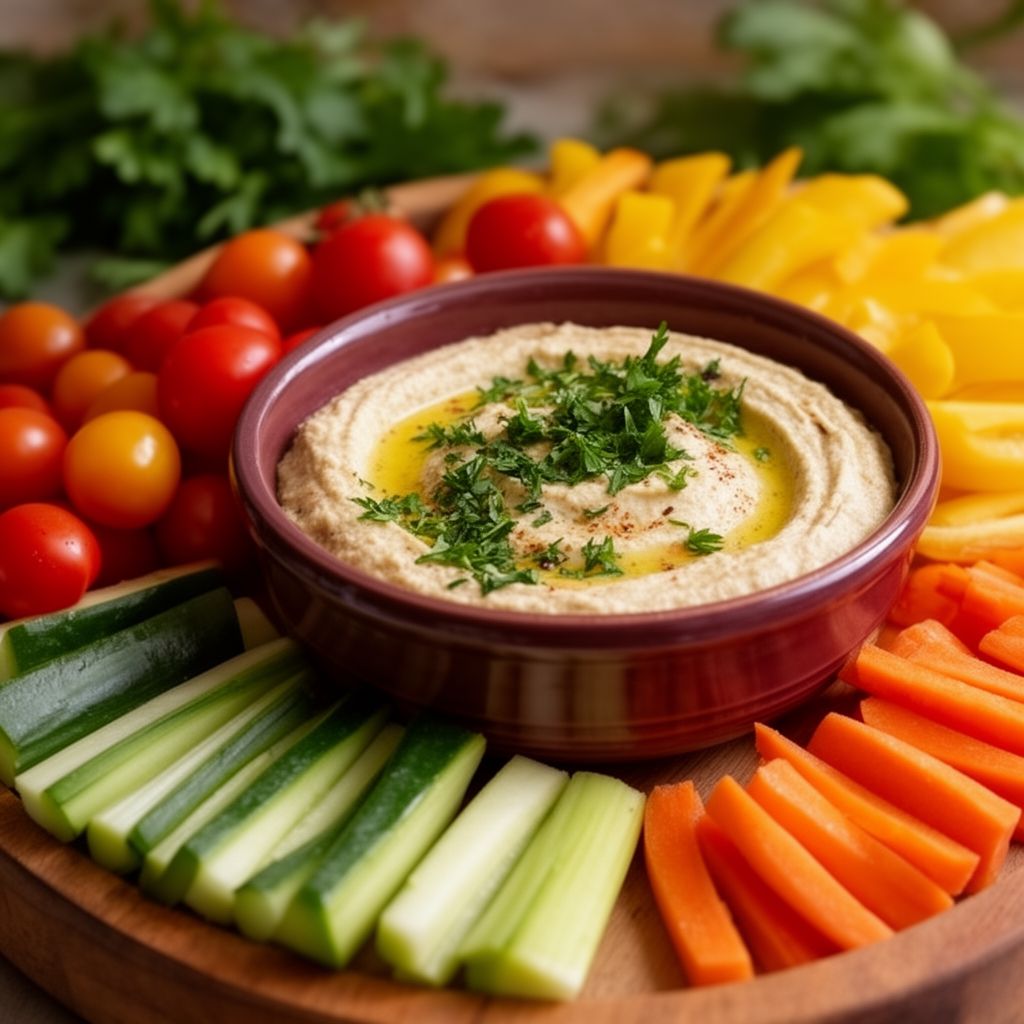
In the world of effortless entertaining and healthy snacking, few dishes shine as brightly as the classic Vegetable Platter with Hummus. It’s more than just an appetizer; it’s a vibrant, wholesome celebration of fresh produce, offering a burst of color and nutrition that delights guests of all ages. Whether you’re hosting a sophisticated dinner party, a casual backyard BBQ, or simply looking for a fantastic make-ahead option for healthy snacking throughout the week, this versatile platter is your ultimate culinary companion. Forget complicated cooking; embrace the simplicity and stunning appeal of nature’s bounty paired with a luscious, creamy dip.
Why This Vegetable Platter is the Perfect Party Appetizer
There’s a reason the humble veggie platter has stood the test of time, evolving into a sophisticated crudités board idea for modern hosts. It elegantly solves several entertaining dilemmas at once, making it one of the most beloved and reliable healthy party appetizers.
Nutritional Benefits of a Raw Veggie Diet
At its heart, a beautiful vegetable platter encourages a return to whole, unprocessed foods. Serving a raw vegetable spread means you’re offering your guests a powerhouse of vitamins, minerals, and fiber. Crunchy carrots, crisp bell peppers, and succulent cucumber slices are not just tasty; they’re packed with antioxidants that support overall well-being. This commitment to fresh, raw ingredients makes it an inherently beneficial choice for anyone aiming for a healthier lifestyle, and it’s naturally gluten-free and often vegan-friendly, catering to a wide range of dietary needs.
A Visually Stunning Centerpiece for Any Table
Beyond its health credentials, a well-arranged vegetable platter is a feast for the eyes. The kaleidoscope of colors – ruby red tomatoes, emerald green cucumbers, sunny yellow bell peppers, and deep purple radicchio – creates an instant visual impact. When artfully arranged, it transforms from a simple snack into a truly stunning centerpiece. This makes it an ideal choice for any of your entertaining recipes, as it requires minimal cooking but delivers maximum aesthetic appeal, setting a fresh and inviting tone for your gathering.
Essential Ingredients for a Colorful Crudités Board
The secret to an unforgettable crudités board idea lies in the quality and variety of your ingredients. Think fresh, seasonal, and vibrant. A truly exceptional Vegetable Platter with Hummus starts with thoughtful selection.
The Best Veggies to Choose
When selecting the best veggies for hummus, aim for a balance of textures, shapes, and colors. Look for produce that is firm, crisp, and without blemishes. Here’s a list of fan favorites:
- Carrots: Classic and always a hit. Choose large carrots for easy slicing into sticks, or opt for colorful heirloom varieties for added visual interest.
- Celery: Crisp and refreshing, celery sticks are perfect for scooping.
- Cucumbers: English or Persian cucumbers slice beautifully into rounds or sticks and have fewer seeds.
- Bell Peppers: Offer a rainbow! Red, yellow, orange, and green bell peppers add sweetness and crunch. Slice them into thin strips.
- Broccoli Florets: Small, tender florets are delightful. Blanch them quickly for a brighter green and slightly softer bite, or serve raw.
- Cauliflower Florets: Similar to broccoli, small florets are excellent.
- Cherry Tomatoes: Halved or whole, their juicy burst is a welcome contrast.
- Radishes: Their peppery bite and vibrant color make them a sophisticated addition.
- Snap Peas or Snow Peas: Sweet, crisp, and easy to grab.
- Endive or Radicchio Leaves: These can serve as natural “boats” for dipping, adding a touch of elegance and a slightly bitter note.
Crafting or Choosing the Perfect Creamy Hummus
The heart of any good vegetable platter is the dip, and hummus reigns supreme. You can opt for a high-quality store-bought version for an easy vegetable tray, but a homemade hummus dip truly elevates the experience. It’s surprisingly simple to make and allows for customization.
Expert Tip: For the creamiest homemade hummus, make sure to peel your chickpeas! While a bit tedious, it makes an incredible difference in texture. Also, use ice water when blending to achieve that perfect fluffy consistency.
A basic homemade hummus involves chickpeas, tahini, lemon juice, garlic, olive oil, and a touch of water or ice. Blend until silky smooth, adjusting seasonings to your preference. Consider adding roasted red peppers, sun-dried tomatoes, or a sprinkle of za’atar for a unique twist.
Step-by-Step Instructions for the Ultimate Platter
Creating an impressive Vegetable Platter with Hummus is all about thoughtful preparation and artistic arrangement. Follow these steps for an easy vegetable tray that looks professionally curated.
Preparation and Washing Techniques
- Wash Thoroughly: Rinse all vegetables under cool running water. For items like broccoli and cauliflower, you might want to soak them briefly in cold water to dislodge any dirt.
- Dry Completely: This is crucial! Excess moisture can make your vegetables soggy and dull. Use a clean kitchen towel or a salad spinner to ensure everything is thoroughly dry.
Knife Skills: Slicing for Maximum Appeal
The way you cut your vegetables significantly impacts the platter’s visual appeal and ease of dipping. Aim for uniform, bite-sized pieces.
- Carrots & Celery: Cut into long, thin sticks (crudités style).
- Bell Peppers: Remove seeds and membranes, then slice lengthwise into elegant strips.
- Cucumbers: Slice into rounds or half-moons, or quarter lengthwise for sticks.
- Broccoli & Cauliflower: Break into small, manageable florets.
- Cherry Tomatoes: Can be left whole or halved for easy grabbing.
Assembling the Board
This is where your inner artist comes out! You’ll want to create a sense of abundance and visual balance.
- Choose Your Board: A large wooden board, a ceramic platter, or a shallow serving dish works beautifully.
- Anchor with Hummus: Place your main hummus dip (or multiple dips if using) in small bowls centrally or strategically across the board.
- Fan Out Vegetables: Arrange vegetables in distinct sections around the dips. Think about color contrast – don’t place all green veggies together. Create “waves” or “fans” of each vegetable.
- Fill in Gaps: Use smaller items like cherry tomatoes, radishes, or snap peas to fill in any empty spaces, making the platter look full and inviting.
- Garnish: A drizzle of extra virgin olive oil over the hummus, a sprinkle of paprika, fresh parsley, or dill adds a professional touch.
Creative Variations & Delicious Add-Ins
While the classic Vegetable Platter with Hummus is perfect on its own, adding a few extra elements can transform it into an even more extravagant and satisfying spread, making it a truly versatile vegan snack tray or party showstopper.
Adding Pita Bread and Crackers
Beyond raw vegetables, consider offering a variety of dippers. Warm pita bread, sliced into triangles, is a traditional and delicious accompaniment to hummus. You can also include an assortment of crackers – whole grain, multi-seed, or even gluten-free options – to cater to different tastes and dietary preferences. Lightly toasted baguette slices also make a fantastic addition, especially if brushed with a little olive oil and sprinkled with herbs.
Introducing Olives, Nuts, and Cheeses
To round out your crudités board idea and add layers of flavor and texture, consider these additions:
- Marinated Olives: A small bowl of mixed olives (Kalamata, Castelvetrano) adds a briny, savory element that pairs beautifully with fresh veggies and hummus.
- Toasted Nuts: A small scattering of almonds, walnuts, or pistachios can provide a satisfying crunch and healthy fats.
- Cheeses (Optional): If you’re not strictly adhering to a vegan snack tray, small cubes of feta, goat cheese, or even a hard cheese like Parmesan (shaved) can add a delightful creamy or salty counterpoint. For a plant-based option, consider a vegan cream cheese spread or nut-based cheese.
- Pickled Vegetables: Cornichons or pickled carrots can add a tangy kick.
- Artichoke Hearts: Marinated artichoke hearts, quartered, are always a welcome gourmet touch.
Expert Tips for Prepping Ahead and Proper Storage
One of the many beauties of an easy vegetable tray is its make-ahead potential, making entertaining a breeze. Proper storage ensures your hard work stays fresh and delicious.
How to Keep Vegetables Crisp
The key to crisp vegetables is moisture control and cold temperatures.
- Prep Ahead: Most hard vegetables like carrots, celery, and bell peppers can be washed and cut up to 24-48 hours in advance.
- Store Submerged (for some): For extra crispness, some vegetables (carrots, celery, radishes) can be stored in an airtight container submerged in cold water in the refrigerator. Drain and dry thoroughly just before assembling.
- Air-tight Containers: Store pre-cut veggies in separate, airtight containers lined with a paper towel to absorb any excess moisture. This prevents sogginess and wilting.
- Assembly Time: Assemble the platter no more than 1-2 hours before serving for optimal freshness and visual appeal.
Storing Leftover Hummus
Homemade or store-bought, hummus can last several days in the refrigerator with proper storage.
- Airtight Container: Transfer any leftover hummus to an airtight container.
- Olive Oil Layer: Drizzle a thin layer of olive oil over the surface of the hummus before sealing. This creates a protective barrier, preventing it from drying out and forming a crust.
- Refrigerate Promptly: Store in the coldest part of your refrigerator for up to 5-7 days.
These simple steps ensure that your platter remains a vibrant and appealing option long after the party ends.
Frequently Asked Questions (FAQs)
Here are some common questions about creating the perfect Vegetable Platter with Hummus, making it a go-to among entertaining recipes.
What are the best types of hummus for a vegetable platter?
For a vegetable platter, a classic, smooth hummus is always a winner. Beyond that, consider roasted red pepper hummus for a sweet and smoky flavor, garlic hummus for an extra kick, or even a lemon-herb variety for a fresh twist. Offering a couple of different flavors can add variety and excitement.
Can I make the vegetable platter entirely vegan?
Absolutely! A Vegetable Platter with Hummus is inherently vegan when paired with a plant-based hummus. Ensure any additional dippers like crackers are vegan, and skip dairy cheeses. Instead, add more nuts, olives, or even a dairy-free dip like guacamole or a baba ghanoush for a delightful vegan snack tray.
How far in advance can I prepare the vegetables?
You can wash and cut most hard vegetables like carrots, celery, and bell peppers up to 24-48 hours in advance. Store them separately in airtight containers in the refrigerator. Softer vegetables like cucumbers and cherry tomatoes are best cut closer to serving time, within a few hours, to maintain their crispness and fresh appearance.
What kind of board or platter should I use?
The best board is one that allows your vegetables to spread out invitingly. Large wooden cutting boards, slate boards, ceramic platters, or even a simple baking sheet lined with parchment paper can work. The key is to have enough surface area to arrange your vegetables without overcrowding, creating an abundant and appealing display.
Crafting a beautiful and delicious Vegetable Platter with Hummus is an art form that anyone can master. It’s the ultimate combination of health, flavor, and visual appeal, making it one of the most reliable and beloved healthy party appetizers. So next time you’re planning a gathering or simply craving a nutritious snack, remember the power of fresh vegetables and creamy hummus. Dive in and create your own masterpiece!
For more delicious recipes and entertaining tips, follow us on Facebook: https://www.facebook.com/profile.php?id=61568538666337
Fresh Vegetable Platter with Creamy Hummus
Ingredients
- 2 cups Hummus Store-bought or homemade
- 2 tbsp Fresh parsley Finely chopped
- 2 tbsp Extra virgin olive oil For drizzling
- 1 cup Cherry tomatoes Whole or halved
- 1 medium Cucumber Sliced into sticks
- 3 medium Carrots Peeled and cut into sticks
- 1 large Yellow bell pepper Cored and sliced into strips
Instructions
- Wash and dry all the raw vegetables thoroughly.
- Peel the carrots and cucumber if desired, then slice them into even, bite-sized sticks. Core the yellow bell pepper and cut it into strips. Leave the cherry tomatoes whole or halve them.
- Spoon the hummus into a serving bowl and place it in the center of a large platter or board.
- Drizzle the hummus with extra virgin olive oil and garnish with freshly chopped parsley.
- Arrange the prepared carrots, cucumber, yellow bell pepper, and cherry tomatoes around the hummus bowl in an appealing, colorful pattern. Serve immediately or cover and refrigerate.
For more daily recipes and tips, follow us on Facebook!
Click here to join our community!