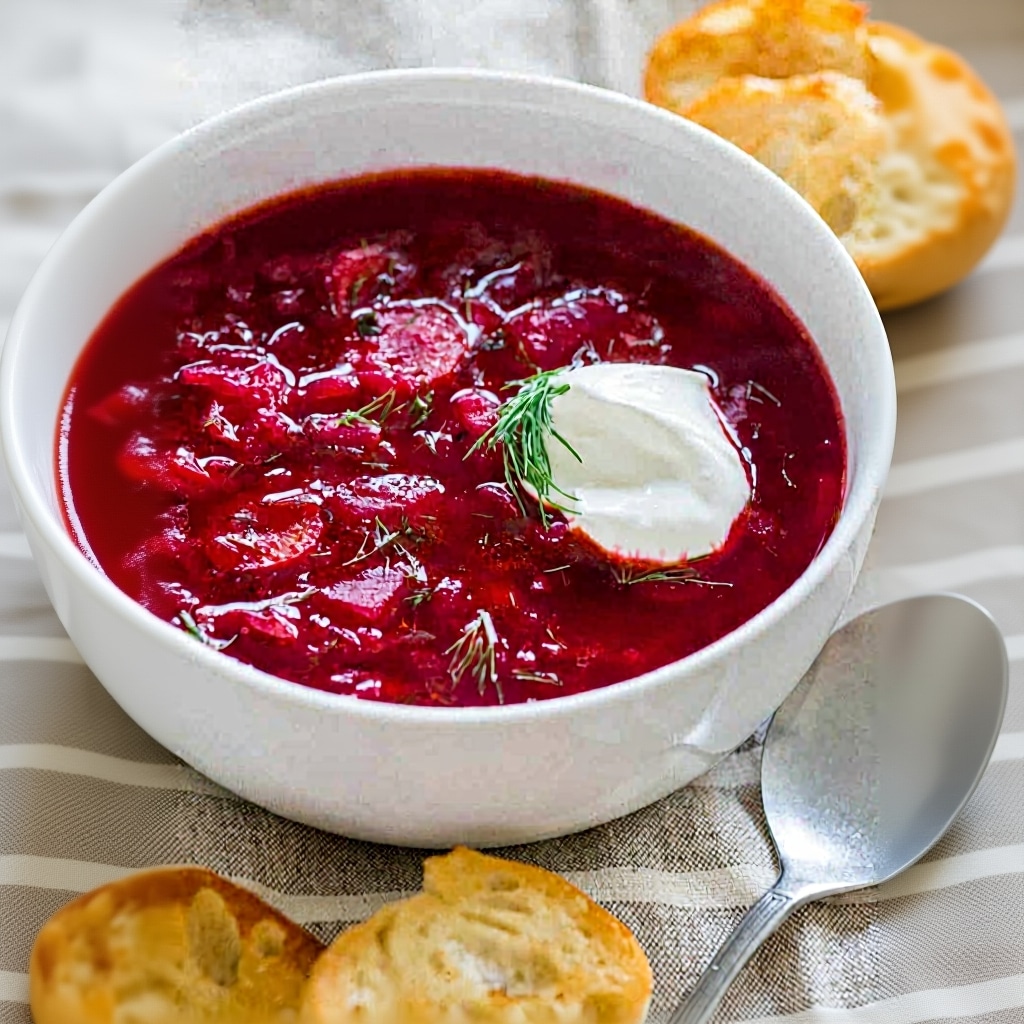
The Soul of a Nation in a Bowl: Unveiling the Authentic Ukrainian Borscht
Imagine a dish that is more than just food; it’s a hug from home, a vibrant splash of history, and a symbol of enduring spirit. That, my friends, is Ukrainian Borscht. This iconic, ruby-red soup is not merely a culinary delight but a profound cultural touchstone, recently recognized by UNESCO as Intangible Cultural Heritage in Need of Urgent Safeguarding. It’s a testament to its irreplaceable value.
In this comprehensive guide, we’ll embark on a flavorful journey to uncover the true essence of this magnificent dish. We’ll delve into the rich history of borscht, deconstruct its unique flavors, explore the essential borscht ingredients, and provide you with a detailed, step-by-step authentic Ukrainian borscht recipe. Prepare to master the art of making this classic, hearty soup, complete with pro tips from generations of Ukrainian cooks.
Our goal is to equip you with everything you need to recreate the deep, comforting taste of traditional red borscht in your own kitchen. Let’s begin crafting a bowl of history, warmth, and pure Ukrainian soul.
A Taste of History: The Deep-Rooted Origins of Ukrainian Borscht
The story of Ukrainian Borscht is as rich and layered as the soup itself. While many countries claim a version of borscht, historical evidence overwhelmingly points to Ukraine as its true cradle, with references dating back to the 14th century. Originally, it was a simple, sour soup made from pickled hogweed (borshchevyk), from which it derives its name. Over centuries, various ingredients were added, most notably beets, transforming it into the vibrant, complex dish we know and love today.
Borscht has always been more than just a meal; it’s interwoven into the fabric of Ukrainian life. It features prominently in folklore, family gatherings, and religious holidays. For instance, a meatless version, known as Pysny Borshch, is a central dish on the Ukrainian Christmas Eve (Sviata Vecherya) table, symbolizing peace and togetherness. It embodies the Ukrainian spirit of hospitality and resilience, often served as a symbol of welcome.
In 2022, recognizing its profound significance, UNESCO officially inscribed the culture of Ukrainian Borscht cooking on its List of Intangible Cultural Heritage in Need of Urgent Safeguarding. This designation not only highlights its importance as the Ukrainian national dish but also serves to protect and promote this vital culinary tradition amid challenging times. It underscores that borscht is not just food, but a living, breathing cultural narrative.
What Makes Ukrainian Borscht Unique? Deconstructing the Flavors
While often generically referred to as “beet soup,” Ukrainian Borscht is a masterpiece of balanced flavors, far transcending a simple description. Its complexity lies in the perfect interplay of sweet, savory (umami), and a characteristic sourness (often referred to as kyslota) that brightens and deepens the entire profile. There’s an earthiness from the beets, a sweetness from carrots and onions, and a tang that ties it all together.
The core components of authentic Ukrainian Borscht are foundational: a robust meat broth (traditionally made with borscht with beef or borscht with pork ribs), the star earthy beets, a meticulously prepared vegetable sauté (known as zazharka or smazhennya), and a carefully selected souring agent. These elements combine to create a deeply satisfying and nourishing soup.
When comparing Ukrainian Borscht to its counterparts, key differences emerge. Polish barszcz, for instance, is often a clear, beet-based broth, sometimes served with dumplings. Russian versions might incorporate different meat cuts or vegetables like bell peppers more frequently. But the Ukrainian rendition stands apart with its distinctive rich, thick texture, its profound sweet-sour harmony, and the indispensable addition of fresh dill and a dollop of smetana.
The Cast of Characters: Essential Ingredients for Classic Borscht
Crafting the perfect Ukrainian Borscht begins with selecting the right borscht ingredients. Each component plays a vital role in achieving that authentic flavor profile.
The Heart of the Soup: Meat and Broth
A truly authentic Ukrainian Borscht starts with a rich, flavorful broth. Traditional options include bone-in cuts like pork ribs, beef shank, oxtail, or even a mix of poultry and beef. The bones are crucial, as they release collagen and marrow, lending incredible depth and body to the broth. For a hearty flavor, don’t shy away from borscht with beef or pork.
The Star of the Show: The Beets
Selecting the best beets is paramount. Look for firm, deep red beets with intact skins. The preparation method significantly impacts both flavor and the iconic vibrant red color. While boiling is an option, many prefer roasting or sautéing grated beets to concentrate their sweetness. The secret to maintaining that gorgeous crimson hue? Acid! We’ll explain how to use it.
The Vegetable Medley (Zazharka)
The zazharka (or smazhennya) is the sautéed vegetable base that builds layers of flavor. It typically consists of finely diced onions, shredded carrots, and sometimes bell peppers, cooked until tender and slightly caramelized. Green cabbage, specifically a firm variety, and starchy potatoes (like Russets or Yukon Golds) are also essential, added at precise times to achieve the perfect texture.
The Sour Secret: The ‘Kyslota’
The characteristic tang, or kyslota, is non-negotiable for authentic Ukrainian Borscht. It brightens the flavors and, crucially, helps preserve the beets’ vibrant red color. Traditional souring agents include beet kvass (fermented beet juice), quality tomato paste, vinegar (apple cider or white), or fresh lemon juice. Sometimes, sauerkraut or a sour apple is used.
Aromatics and Herbs: The Finishing Touches
Garlic, bay leaf, and black peppercorns infuse the broth with foundational aromatics. However, the true finishing touch for that unmistakable aroma and flavor is a generous amount of fresh dill, stirred in at the very end. Its bright, herbaceous notes are essential for a truly authentic borscht taste.
The Ultimate Ukrainian Borscht Recipe: A Step-by-Step Guide
Ready to learn how to make borscht that rivals any grandmother’s recipe? This step-by-step guide will walk you through creating a rich, flavorful, and truly authentic Ukrainian Borscht.
Step 1: Building the Foundation – The Rich Meat Broth
Place 1.5-2 lbs bone-in meat (pork ribs, beef, or a mix) in a large pot with 8-10 cups cold water. Add 1 bay leaf, a few peppercorns, and ½ an onion. Bring to a boil, skim any foam, then reduce heat, cover, and simmer for 1.5-2 hours until meat is tender. Remove meat (shred if desired), strain broth, and set aside. Debone and chop the meat, then return it to the strained broth.
Step 2: Preparing the Beets for Maximum Color and Flavor
Grate 2-3 medium beets. In a separate pan, sauté the grated beets in a little oil for 5-7 minutes. Add 1-2 tablespoons of a souring agent (e.g., vinegar, lemon juice, or beet kvass) and ½ cup of your prepared broth. Simmer for 10-15 minutes until tender and vibrant. This acid is key to preserving the red color and enhancing the borscht taste.
Step 3: Creating the Flavor Base – The Zazharka
In the same pan (or a separate one), sauté 1 chopped onion until translucent. Add 2 grated carrots and cook until softened, about 5-7 minutes. Stir in 2-3 tablespoons of tomato paste and cook for another 2-3 minutes, allowing the paste to deepen in color. This is your zazharka.
Step 4: Bringing It All Together
Bring the broth (with the meat) back to a gentle simmer. Add 2-3 diced potatoes and cook for about 10 minutes. Then, add ½ small head of thinly shredded green cabbage and continue cooking for another 10-15 minutes, until vegetables are nearly tender. Stir in your prepared zazharka and the vibrant beets. Ensure all borscht ingredients are submerged.
Step 5: The Final Simmer and Infusion
Allow the Ukrainian Borscht to simmer gently for another 10-15 minutes, letting all the flavors meld. Taste and adjust seasonings: add salt, pepper, and a pinch of sugar if needed to balance the sweet and sour. Finally, stir in 3-4 cloves of minced fresh garlic and a generous handful of fresh chopped dill. Remove from heat immediately.
Step 6: The Most Important Step – Letting it Rest
This is crucial! Resist the urge to serve immediately. Cover the pot and let the Ukrainian Borscht rest for at least 30 minutes, ideally an hour. The flavors will deepen and meld, creating a truly superior result. Many Ukrainians swear it’s even better the next day!
Pro Tips from a Ukrainian Baba (Grandmother)
- The Color Secret: Always add an acid (vinegar, lemon juice, or beet kvass) to your beets during their separate cooking stage. This “locks in” the brilliant red color and prevents your traditional red borscht from turning brown.
- Balancing Act: Taste, taste, taste! Achieving the perfect sweet/sour balance is key. A pinch of sugar can mellow intense sourness, while a dash more vinegar or kvass can brighten a too-sweet soup.
- The Garlic ‘Zatyrka’: For an extra aromatic punch, crush raw garlic with a little salt (and sometimes a tiny bit of salo/pork fat) in a mortar and pestle. Stir this potent mixture into the hot borscht just before serving, after it has rested.
- Don’t Overcook the Cabbage: The cabbage should be tender but still retain a slight bite, adding textural contrast. Add it after the potatoes have had a head start.
How to Serve Borscht Like a True Ukrainian
Serving Ukrainian Borscht is an art in itself. It’s about presentation and providing the perfect accompaniments.
- The Essential Garnish: A generous dollop of full-fat sour cream (smetana) is non-negotiable. Its cool creaminess perfectly contrasts the soup’s warmth and tang.
- Herbs and Spice: Always finish with a fresh sprinkle of more chopped dill. A grind of black pepper is also welcome.
- The Perfect Pairing: Pampushky: For the ultimate authentic experience, serve your Ukrainian Borscht with pampushky – fluffy, yeasted garlic bread rolls. These are ideal for soaking up every last drop of the flavorful broth. You can often find a good pampushky recipe online.
Variations on a Classic Theme
While the classic borscht recipe is beloved, there are delightful variations demonstrating the versatility of this dish.
- Hearty Vegetarian & Vegan Borscht: To create a deep, savory broth without meat, use a base of mushroom broth, add dried mushrooms for umami, and incorporate ingredients like kidney beans, white beans, or chickpeas for protein. Roasted root vegetables further enhance the depth of flavor, making a truly satisfying vegetarian borscht.
- Lenten Borscht (Pysny Borshch): This specific version is traditionally prepared during periods of fasting, entirely without meat, dairy, or eggs. It often features dried mushrooms, beans, and plenty of vegetables, similar to the vegetarian variant.
- Green Borscht (Zelenyy Borshch): A spring delight, this variation swaps beets for sorrel as its primary souring and coloring agent, giving it a vibrant green hue. It often includes hard-boiled eggs and is a refreshing change from the traditional red version.
Storing, Freezing, and Reheating Your Borscht
One of the best qualities of Ukrainian Borscht is that it almost always tastes better the next day! Store leftover borscht in an airtight container in the refrigerator for up to 3-4 days. The flavors will continue to meld and deepen.
For longer storage, borscht freezes beautifully. Allow it to cool completely, then transfer to freezer-safe containers or bags. It can be frozen for up to 3 months. Thaw overnight in the refrigerator before gently reheating on the stovetop over low heat. Avoid high heat, which can dull the vibrant red color.
Conclusion: More Than Just a Meal
From its humble origins to its recognition by UNESCO, Ukrainian Borscht is truly more than just a soup. It’s a culinary journey, a symbol of national pride, and a delicious testament to the rich cultural heritage of Ukraine. Every spoonful tells a story of tradition, resilience, and warmth.
We hope this guide has inspired you to try your hand at crafting this magnificent dish. Gather your borscht ingredients, follow our authentic Ukrainian borscht recipe, and savor the rich flavors and history it embodies. Share this beloved Ukrainian national dish with friends and family, and keep a cherished tradition alive in your own kitchen.
Frequently Asked Questions (FAQ) about Ukrainian Borscht
What is the main difference between Russian and Ukrainian borscht?
While both are beet-based soups, Ukrainian Borscht is typically distinguished by its rich, often meat-based broth (often borscht with beef or borscht with pork ribs), a more pronounced sweet-sour balance, and the essential inclusion of fresh dill and a generous dollop of smetana (sour cream). Some Ukrainian versions also traditionally incorporate salo (cured pork fat) or a garlic ‘zatyrka’ for added depth, elements less common in Russian variations, which can sometimes be clearer or emphasize different vegetables.
What is the secret ingredient in borscht?
The “secret” to truly great Ukrainian Borscht isn’t one single ingredient, but rather a combination of techniques: a deeply flavorful, long-simmered broth, the careful balancing of sweet and sour flavors, the crucial addition of acid (like vinegar or lemon juice) to preserve the beets’ vibrant red color, and allowing the soup to rest and for flavors to meld before serving.
Is borscht meant to be sweet or sour?
Authentic Ukrainian Borscht is meant to achieve a perfect, harmonious balance between sweet and sour. The sweetness comes from cooked beets, carrots, and sometimes a pinch of sugar, while the sourness (kyslota) is typically introduced through beet kvass, vinegar, lemon juice, or tomato paste. Neither flavor should dominate; they should complement each other beautifully.
What is traditionally served with borscht?
Traditionally, Ukrainian Borscht is served piping hot with a generous spoonful of fresh, full-fat smetana (sour cream) and a sprinkle of fresh chopped dill. A crucial accompaniment is pampushky – soft, garlicky bread rolls that are perfect for dipping into the flavorful broth. Sometimes, a side of green onions or a piece of salo (cured pork fat) is also offered.
Is Ukrainian borscht healthy?
Yes, Ukrainian Borscht can be a very healthy dish! It’s packed with nutrient-dense vegetables like beets, cabbage, carrots, and potatoes, providing an excellent source of fiber, vitamins (especially C and B vitamins), and minerals. When made with lean meat and a balanced amount of fat, it’s a wholesome and satisfying meal. You can also easily adapt it into a healthy borscht recipe by focusing on a vegetable broth base for a lighter option.
Why is my borscht not red?
The most common reason for borscht not being a vibrant red is the failure to add an acidic ingredient (such as vinegar, lemon juice, or beet kvass) to the beets while they are cooking, especially when they are prepared separately. Acid helps to “lock in” the betalain pigments in the beets, preventing them from oxidizing and turning brown or dull. Adding beets to a very alkaline soup base without prior acidification can also cause color loss.
For more daily recipes and tips, follow us on Facebook!
Click here to join our community!