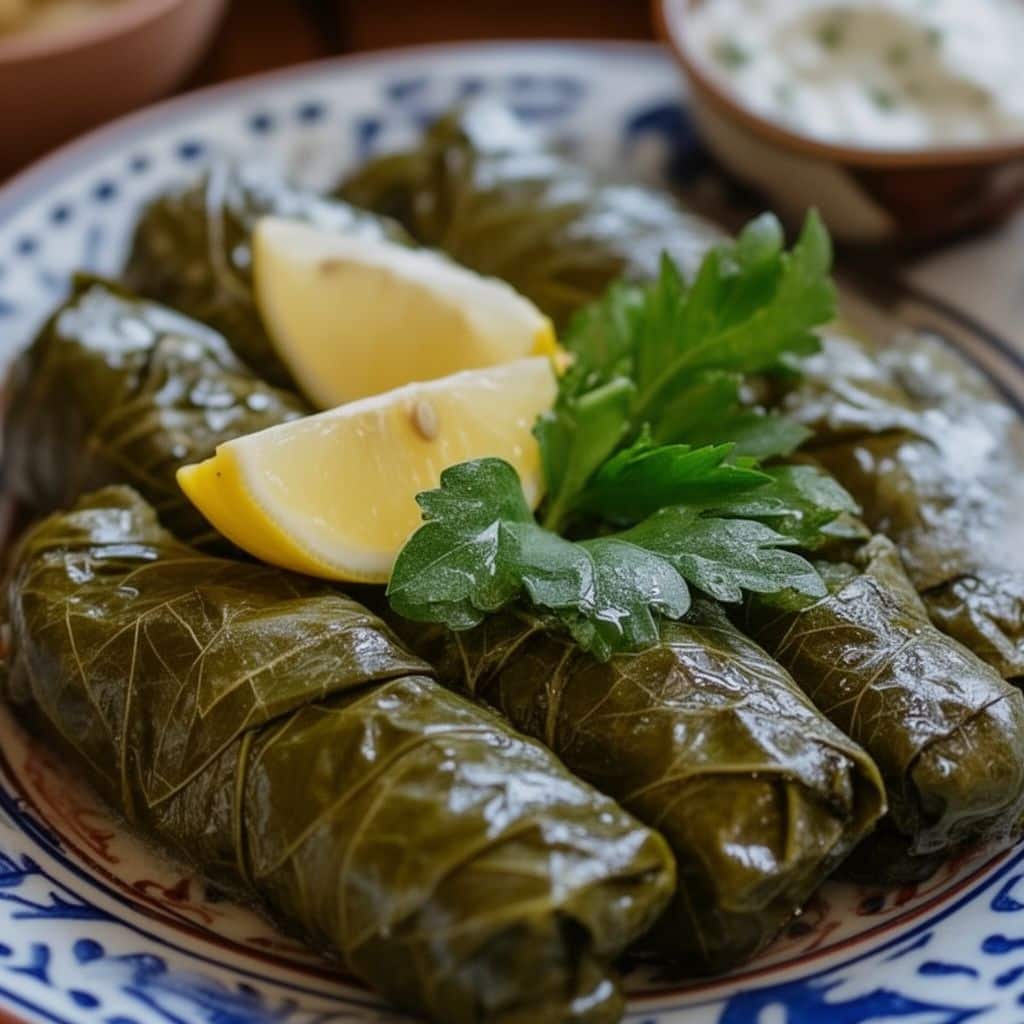
Traditional Greek Dolmades: The Ultimate Guide
There are some dishes that transcend mere sustenance, becoming a celebration of heritage, family, and the simple joy of cooking. For me, Traditional Greek Dolmades are exactly that. These authentic stuffed grape leaves, brimming with a fragrant rice and meat filling, are a cornerstone of Greek cuisine, evoking sun-drenched tavernas and the warmth of a Mediterranean welcome. While they might seem intricate, the process of making them at home is incredibly rewarding, a true labor of love that fills your kitchen with an irresistible aroma.
History and Origins
The story of dolmades is as rich and layered as the dish itself. Tracing their roots back centuries, these delicious parcels are a testament to the resourcefulness of ancient cultures across the Mediterranean and Middle East, where vine leaves were readily available. Each region, including Greece, developed its own unique take, but the essence remains the same: a delicate leaf embracing a hearty, aromatic filling. In Greece, dolmades are more than just food; they are a symbol of hospitality, often served as part of a grand meze spread, bringing people together over shared plates and lively conversation.
Why Make Them at Home
While you can find excellent dolmades in Greek restaurants, there’s an unparalleled satisfaction in crafting them yourself. Making homemade dolmades allows you to control the quality of every ingredient, from the freshness of the herbs to the lean cut of the beef. It’s a meditative process, a journey back to basics that reconnects you with the origins of food. Plus, the flavor of freshly made vine leaves with meat, infused with lemon and broth, is simply incomparable. Prepare to impress your family and friends with this truly special Greek dolmathes recipe.
Essential Ingredients for Authentic Dolmades
Creating truly memorable dolmades begins with sourcing the best ingredients. Each component plays a vital role in achieving that perfect balance of flavor and texture.
Choosing the Best Grape Leaves
The foundation of our dolmades is, of course, the grape leaves. For convenience and consistent quality, I highly recommend using jarred or brined grape leaves. Look for leaves that are tender, pliable, and uniform in size, without tears or thick stems. Rinse them thoroughly under cold water to remove excess brine and carefully separate them. If fresh leaves are available to you in the spring, blanch them briefly before using to soften them.
Rice and Fresh Herbs
The filling is where the magic truly happens. A good quality, short-grain rice (like Arborio or Carolina) is ideal, as it absorbs the cooking liquids beautifully and provides a tender bite. But it’s the fresh herbs that elevate the flavor profile. We’re talking generous amounts of fresh dill, mint, and parsley. These aromatic greens are non-negotiable, imparting a vibrant, herbaceous freshness that is characteristic of authentic Greek cuisine.
Ground Beef
For a hearty and satisfying filling, we’re using lean ground beef. The richness of the beef, combined with the herbs and rice, creates a wonderfully savory core for our vine leaves. Make sure your ground beef is fresh and of good quality. Some recipes opt for purely vegetarian fillings, but for this specific Greek dolmathes recipe, the inclusion of flavorful ground beef dolma is key to its depth and traditional character.
Step-by-Step Preparation
Don’t be intimidated by the idea of rolling dolmades; it’s an enjoyable process that becomes easier with practice. Think of it as an art form, a culinary dance that results in perfectly wrapped parcels of deliciousness.
Rinsing and Prepping the Leaves
- Rinse thoroughly: Gently remove the grape leaves from the jar. Stack them and rinse them meticulously under cold running water for several minutes to remove all excess brine. This step is crucial for balancing the flavor.
- Trim stems: Lay each leaf flat and carefully trim any thick stems at the base with a small knife or your fingers.
- Prepare a lining: Set aside a few torn or less-than-perfect leaves to line the bottom of your cooking pot. This prevents your dolmades from sticking and burning.
Mixing the Meat and Rice Filling
In a large bowl, combine the following ingredients:
- 1 lb (approx 450g) lean ground beef
- 1 cup uncooked short-grain rice (rinsed well)
- 1 large onion, finely grated or very finely chopped
- ½ cup fresh dill, finely chopped
- ½ cup fresh mint, finely chopped
- ½ cup fresh parsley, finely chopped
- ¼ cup olive oil
- Juice of 1 lemon
- 1 tsp salt (or to taste, remember the leaves are brined)
- ½ tsp black pepper
- Pinch of allspice (optional, but adds a lovely warmth)
Use your hands to thoroughly mix all ingredients until well combined. The mixture should be moist and fragrant. This is your delicious ground beef dolma filling.
The Art of Rolling Dolmades
This is arguably the most satisfying part! Find a comfortable spot with a clean work surface.
- Lay the leaf: Place a grape leaf, shiny side down (veins facing up), on your work surface. The stem end should be facing you.
- Add filling: Place a small spoonful (about 1-2 teaspoons, depending on leaf size) of the meat and rice filling near the bottom of the leaf, just above where the stem was. Don’t overfill, as the rice will expand.
- Fold the bottom: Fold the bottom edge of the leaf up over the filling.
- Fold the sides: Fold the left and right sides of the leaf inwards, towards the center.
- Roll tightly: Starting from the bottom, roll the leaf upwards, away from you, creating a tight, compact cylinder. The tighter you roll, the less likely they are to unravel during cooking.
- Repeat: Continue until all the filling and leaves are used. This process is truly therapeutic!
Cooking and Simmering
The slow simmer is what infuses the dolmades with incredible flavor and ensures the rice and meat cook perfectly.
Layering the Pot
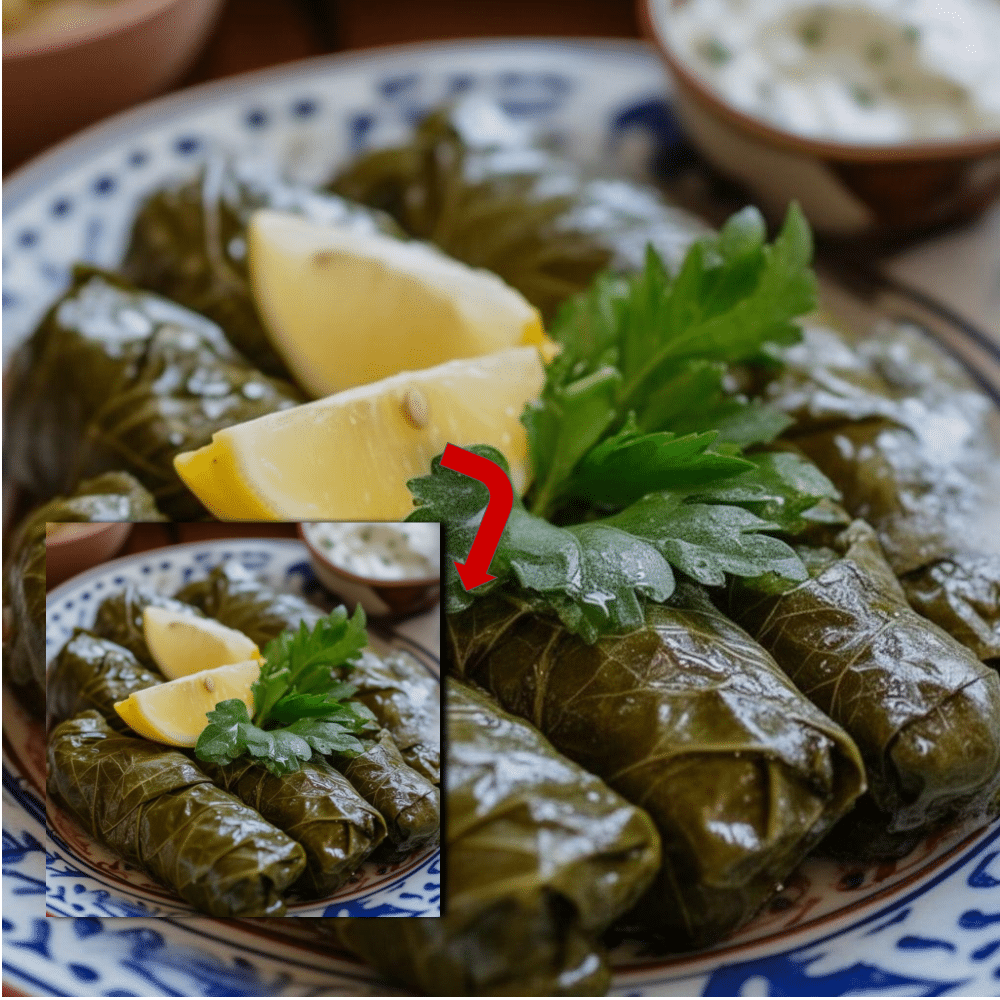
Choose a wide, heavy-bottomed pot with a tight-fitting lid. Line the bottom of the pot with the reserved torn grape leaves or a few slices of lemon. This acts as a protective layer. Now, arrange your rolled dolmades in concentric circles, packing them snugly but not too tightly. You can layer them if necessary, ensuring each layer is neatly arranged. This careful layering helps them cook evenly and prevents them from floating and unraveling.
Broth and Lemon Juice Balance
Once your dolmades are layered, it’s time for the cooking liquid. In a separate bowl, combine warm water (or a light vegetable/chicken broth) with additional olive oil and fresh lemon juice. Pour this liquid over the dolmades until they are just barely covered. Place an inverted plate directly on top of the dolmades to keep them submerged and prevent them from floating during cooking. Bring the liquid to a gentle simmer over medium heat, then reduce the heat to low, cover the pot tightly, and let them cook for about 1 to 1.5 hours, or until the rice is tender and the meat is cooked through. The exact timing will depend on the size of your dolmades and the type of rice used.
Serving Suggestions
Dolmades are fantastic on their own, but they truly shine when paired with complementary flavors.
Tzatziki and Yogurt Sauces
A dollop of cool, creamy Greek yogurt sauce, especially a homemade tzatziki, is the perfect counterpoint to the rich, savory dolmades. The tanginess of the yogurt and the freshness of cucumber and garlic in tzatziki cut through the richness beautifully. Alternatively, a simple drizzle of plain Greek yogurt or a lemon-yogurt dressing works wonderfully. These creamy sauces enhance the overall Mediterranean experience.
Complementary Meze Dishes
Dolmades are quintessential Mediterranean meze appetizers. Serve them alongside other small plates like fresh olives, feta cheese, warm pita bread, crisp salads, spanakopita (spinach pie), or grilled halloumi. A light red wine or a crisp white wine, or even a shot of ouzo, would complete the authentic Greek dining experience. They are perfect for sharing, making them an ideal centerpiece for any gathering.
Storage and Make-Ahead Tips
Dolmades are fantastic for meal prepping and entertaining, as they often taste even better the next day after the flavors have had a chance to meld.
- Refrigeration: Cooked dolmades can be stored in an airtight container in the refrigerator for up to 3-4 days. Reheat gently in a pot on the stovetop with a splash of water or broth, or in the microwave.
- Freezing: Uncooked dolmades can be frozen. Arrange them in a single layer on a baking sheet until firm, then transfer to a freezer-safe bag or container. Cook from frozen, increasing the simmering time slightly. Cooked dolmades can also be frozen, though the texture of the rice might change slightly upon thawing.
- Make-Ahead: You can prepare the filling a day in advance and store it in the refrigerator. Roll the dolmades just before cooking for the best results, or roll them and store them raw in the fridge for up to 24 hours before cooking.
Frequently Asked Questions
Here are answers to some common questions about making and enjoying these delightful stuffed grape leaves.
Q: Can I use fresh grape leaves instead of jarred?
A: Absolutely! If you have access to tender, young fresh vine leaves, blanch them in boiling water for a few minutes until they soften and become pliable. Rinse them well and proceed as with jarred leaves. Fresh leaves offer an even more vibrant flavor.
Q: My dolmades keep unraveling during cooking. What am I doing wrong?
A: The most common reasons for unraveling are not rolling them tightly enough or not packing them snugly in the pot. Ensure each roll is firm, and that the inverted plate on top is heavy enough to keep them compressed throughout the simmering process.
Q: Can I make a vegetarian version of this Greek dolmathes recipe?
A: Yes! To make vegetarian stuffed grape leaves, omit the ground beef and increase the amount of rice and herbs. You can also add finely chopped vegetables like zucchini, carrots, or mushrooms to the filling, along with extra olive oil for richness. A sprinkle of crumbled feta in the vegetarian version can also be delicious.
Q: How do I know when the dolmades are cooked?
A: The best way to tell is to carefully remove one from the pot and taste it. The rice should be tender, and the meat cooked through. The leaves themselves should also be very tender and easily pierced with a fork.
Making dolmades is an enriching culinary experience, connecting you to generations of home cooks who have perfected this cherished dish. So, gather your ingredients, put on some Greek music, and prepare to embark on a delicious journey. Kali Orexi!
If you loved this authentic Greek dolmathes recipe, be sure to follow us for more delicious Mediterranean inspiration! You can find us on Facebook at https://www.facebook.com/profile.php?id=61568538666337.
Traditional Greek Dolmades with Ground Beef
Ingredients
- 1 jar Grape leaves in brine 16 oz jar, drained and rinsed
- 1 lb Lean ground beef 80/20 or 90/10 blend
- 1 cup Short-grain rice Rinsed well under cold water
- 1 large Yellow onion Finely chopped or grated
- 1/4 cup Fresh dill Finely chopped
- 1/4 cup Fresh mint Finely chopped
- 1/4 cup Fresh parsley Finely chopped
- 1/2 cup Extra virgin olive oil Divided use
- 2 whole Lemons Juiced, divided use
- 2 cups Beef broth Low sodium
- 1 tsp Kosher salt
- 1/2 tsp Black pepper Freshly ground
Instructions
- Carefully remove the grape leaves from their jar, rinse them thoroughly under cold running water to wash away the excess brine, and drain them well in a colander.
- In a large mixing bowl, combine the ground beef, rinsed rice, chopped onion, dill, mint, parsley, half of the olive oil, half of the lemon juice, salt, and black pepper. Mix thoroughly until the filling is evenly incorporated.
- Line the bottom of a large, heavy-bottomed pot or Dutch oven with several torn or imperfect grape leaves. This creates a protective barrier that prevents the dolmades from scorching during cooking.
- Place a single grape leaf flat on a clean cutting board with the textured veins facing up and the stem end pointing toward you. Place exactly one tablespoon of the meat and rice mixture near the base of the leaf.
- Fold the bottom lobes of the leaf up and over the filling, tightly fold the left and right sides toward the center, and roll it tightly away from you to form a neat, secure cylinder.
- Arrange the rolled dolmades seam-side down in the prepared pot, packing them snugly together in concentric circles. Create multiple layers as necessary until all filling and leaves are used.
- Drizzle the remaining olive oil and lemon juice evenly over the layered dolmades, then pour the beef broth into the pot until it just covers the top layer of the rolls.
- Place a heavy, heatproof inverted plate directly on top of the dolmades to keep them firmly submerged and prevent them from unrolling or floating.
- Bring the liquid to a gentle boil over medium heat, then immediately reduce the heat to low, cover the pot tightly with a lid, and simmer for 45 to 50 minutes until the rice is perfectly tender and the leaves are soft.
- Remove the pot from the heat and allow the dolmades to rest in the warm broth for 15 minutes before serving with a side of plain Greek yogurt or homemade tzatziki sauce.
For more daily recipes and tips, follow us on Facebook!
Click here to join our community!