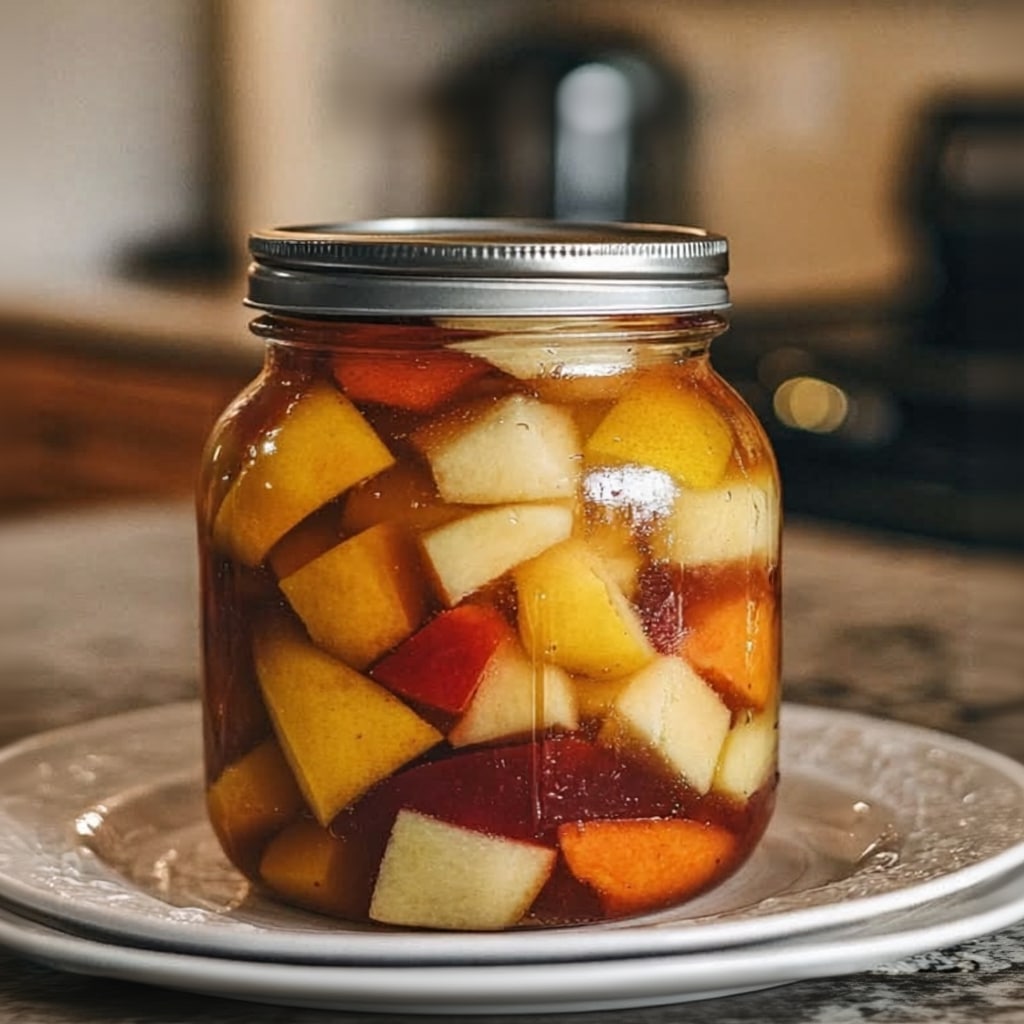
Step into a world where summer’s bounty meets winter’s warmth, all captured in a single, magnificent pot. We’re talking about Rumtopf, the quintessential German tradition that transforms seasonal fruits into a boozy, syrupy delight. More than just a recipe, it’s a patient culinary journey that begins in spring and culminates in a spectacular Christmas fruit dessert, making it a truly exceptional traditional winter dessert topping. If you’ve never experienced the magic of a German rum pot, prepare to be enchanted.
Introduction to Rumtopf
What exactly is this enchanting concoction known as Rumtopf? At its heart, Rumtopf is a classic German method for preserving fruit in alcohol, a delicious practice born out of a desire to capture the fleeting sweetness of summer fruits and enjoy them long after their season has passed. Picture layers of ripe, vibrant fruits, generously sugared, and then steeped in high-proof rum for months on end. The result is a deeply flavorful, intensely aromatic fruit preserve that embodies the essence of German culinary heritage.
The tradition of building a Rumtopf is a charming and mindful process. It typically begins in late spring with the arrival of the first fresh strawberries, then continues through the summer and early autumn as different fruits ripen. Each new layer of fruit and sugar is added to the pot, covered with rum, and left to slowly macerate and develop its complex flavors. By the time the cold winds of December arrive, your Rumtopf is ready to be unveiled, a sweet, boozy treasure perfect for festive gatherings and a staple among traditional winter dessert toppings. This patient method creates something truly special – a testament to seasonal eating and the art of preservation.
The flavor profile of a well-made Rumtopf is nothing short of extraordinary. Over months, the fruits gently break down, releasing their juices to mingle with the sugar and rum. This creates a rich, syrup-like, boozy dessert topping that is sweet, tangy, and wonderfully intoxicating. Each spoonful offers a medley of fruit flavors, softened by the alcohol, creating a complex and comforting taste experience that’s utterly unique. It’s more than just a fruit preserve; it’s liquid history, a taste of German tradition that has been savored for generations.
Essential Equipment and Ingredients
To embark on your Rumtopf journey, you’ll need a few key items and a carefully selected list of ingredients. The success of your Rumtopf hinges on these foundational choices.
The Vessel
The traditional Rumtopf vessel is a specialized Rumtopf crock, typically made of stoneware. These pots are opaque, preventing light from reaching the fruit and alcohol, which is crucial for proper preservation and flavor development. Their thick walls also help maintain a stable temperature. While a traditional stoneware pot is ideal, you can also use modern glass jars, but they require dark storage, such as a pantry or cupboard, to protect the contents from light.
Regardless of the vessel you choose, one piece of equipment is non-negotiable: a weighted plate or disc. This is absolutely essential to keep the fruit fully submerged beneath the rum. Any fruit exposed to air is susceptible to mold, which can spoil your entire batch. A ceramic plate that fits snugly inside the opening of your pot, weighed down by a clean, smooth rock or a smaller jar filled with water, works perfectly. Ensure it’s clean and stable.
The Alcohol
This is where the Rumtopf gets its potent kick! The choice of alcohol is paramount. You need high proof rum, and we mean high proof. The “54% Rule” is not just a suggestion; it’s a vital preventative measure. Standard 40% (80 proof) rum is often too weak to effectively prevent fermentation and spoilage once the fruit juices begin to dilute it. As the fruits release their moisture, the overall alcohol content decreases, making it a hospitable environment for unwanted microbes.
For an authentic and safe Rumtopf, aim for rum that is at least 54% alcohol by volume (108 proof). Brands like Stroh 54 or Pott 54 are excellent choices and often specifically designed for traditional Rumtopf recipes. If you can only find 40% rum, you can fortify it by adding a small amount of pure grain alcohol (everclear) to bring the overall proof up, but be precise with your measurements. Many classic Stroh 54 rum recipes call for this higher proof, ensuring that your fruit is perfectly preserved and deliciously boozy.
The Fruit Selection
The beauty of Rumtopf lies in its celebration of seasonal diversity. A good Rumtopf ingredients list prioritizes fresh, ripe, and firm fruits.
Here are the best fruits to include:
- Strawberries: The classic start, offering bright sweetness.
- Cherries: Both sweet and tart varieties work well.
- Apricots and Nectarines: Provide a lovely stone fruit flavor and texture.
- Plums: A quintessential late-summer addition, adding depth.
- Pears: Choose firm varieties that hold their shape.
- Raspberries: Add a delicate tang and beautiful color.
- Peaches: Sweet and aromatic, just like apricots and nectarines.
Conversely, there are certain fruits to avoid as they don’t fare well in the long preservation process:
- Apples: Tend to be too hard and don’t soften sufficiently.
- Bananas: Turn mushy and unpleasant in texture.
- Melons: Too watery, diluting the rum too much and risking spoilage.
- Blackberries: Often too seedy and can impart a bitter flavor.
- Citrus fruits: The rinds can become overly bitter.
Always use the freshest, highest quality fruit you can find for the best results in your seasonal fruit preserve.
The Traditional Calendar Method (Layer by Layer)
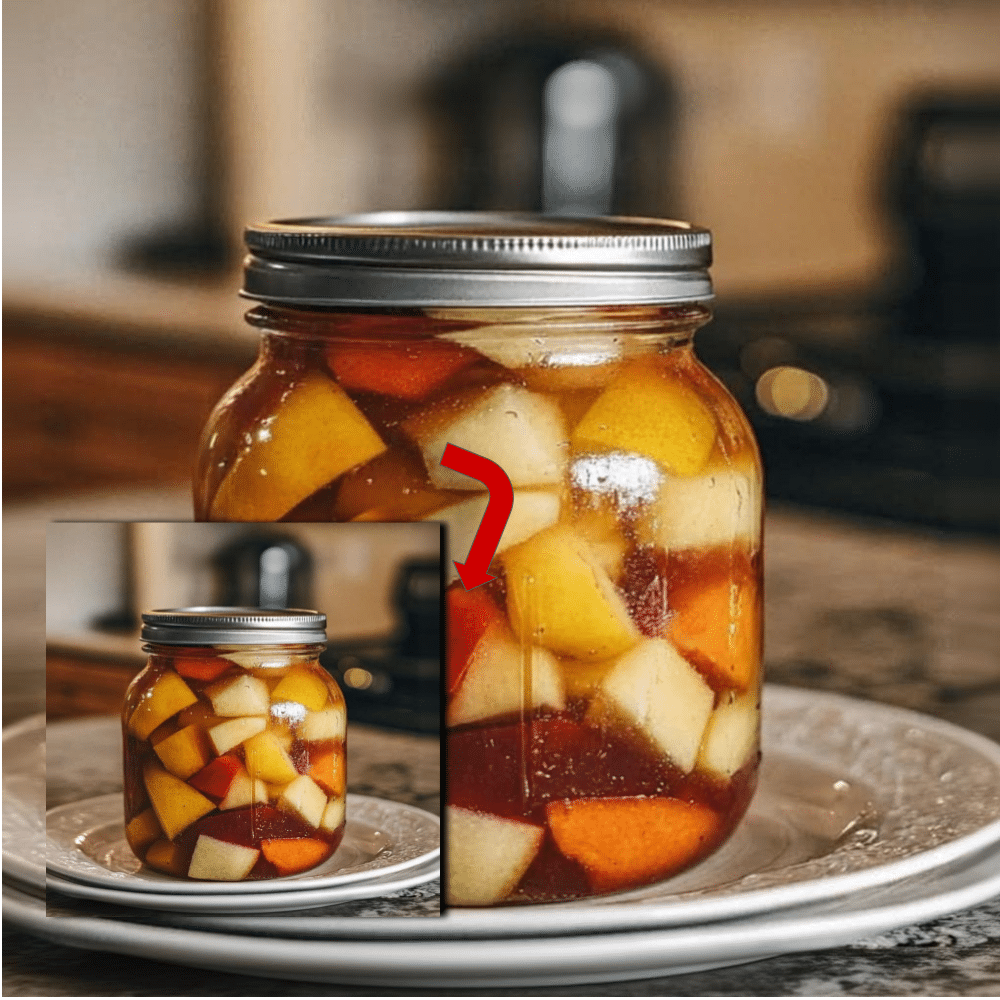
The magic of Rumtopf unfolds over several months, following the rhythm of the harvest. Each layer builds upon the last, creating a complex and evolving flavor profile. Here’s a typical calendar for building your authentic German rum pot:
- June: The season begins with the first ripe strawberries. Wash, hull, and halve or quarter about 500g of strawberries. Layer them in your Rumtopf crock with 250g of granulated sugar. Pour enough 54% rum over the top to completely cover the fruit by at least an inch. Place your weighted plate on top to keep the fruit submerged, and seal the pot. Store in a cool, dark place.
- July: As cherries and apricots come into season, pit about 500g of cherries and halve/pit 500g of apricots. Add them to the pot with another 250g of sugar. Top up with more high proof rum, ensuring all fruit is submerged. Gently push down the weighted plate.
- August/September: This is a bountiful time for stone fruits. Add 500g each of plums (halved, pitted), peaches (peeled, pitted, sliced), and firm pears (peeled, cored, sliced). For each 500g of fruit, add 250g of sugar. Again, cover generously with rum and ensure everything is submerged. This layering of seasonal fruit preserve truly builds the depth of flavor.
- October: By now, most of the seasonal fruit harvest is complete. This month is usually reserved for a final top-up with rum. Check the liquid level and ensure all fruits are still well-covered, topping up if necessary. Resist the urge to add more fruit now, as it won’t have enough time to properly macerate.
- December: After months of patient waiting, your Rumtopf is ready to serve for Advent and throughout the holiday season! The flavors have melded, the fruit has softened, and the rum has become infused with the essence of summer. It’s the perfect addition to your Christmas fruit dessert spread.
Preparation Tips for Success
Achieving a perfect Rumtopf requires attention to detail. These preparation tips will help ensure your creation is a delicious success, not a fermented fruit topping gone wrong or a moldy disaster.
- Hygiene is King: This cannot be stressed enough. Sterilizing your Rumtopf crock or glass jar is absolutely critical to prevent mold and spoilage. Wash the pot thoroughly with hot, soapy water, then rinse well. You can sanitize it by boiling glass jars, or for stoneware, rinsing with boiling water and allowing it to air dry completely. Ensure all utensils, weighted plates, and lids are equally clean.
- Dryness is Key: After washing your fresh fruit, it is paramount that it is completely dry before adding it to the pot. Any excess water can dilute the rum, lowering its proof and increasing the risk of fermentation or mold. Lay fruits out on clean kitchen towels or pat them dry with paper towels.
- Sugar Ratios: The standard 2:1 fruit-to-sugar ratio (e.g., 500g fruit to 250g sugar) is a tried-and-true method. The sugar acts as a crucial preservative alongside the high-proof rum. Don’t skimp on the sugar; it contributes to the syrupy texture and helps draw out the fruit juices. Adjust slightly if your fruit is exceptionally sweet or tart, but generally stick to this guideline.
- Gentle Handling: Handle the fruit gently to avoid bruising. While it will soften, starting with intact, unblemished fruit is best.
“Creating Rumtopf is an act of culinary patience and a beautiful way to savor the seasons. Follow the steps carefully, and you’ll be rewarded with a truly unforgettable traditional winter dessert topping.”
Troubleshooting Common Issues
Even with the best intentions, issues can sometimes arise. Knowing how to identify and address them is key to saving your precious Rumtopf.
- Bubbles/Fermentation: If you notice persistent bubbles rising from the fruit or a yeasty, beer-like smell, these are strong signs that the alcohol content has dropped too low and the fruit is actively fermenting. This means unwanted yeasts or bacteria are at work. If caught very early and the smell isn’t unpleasant, you might be able to salvage it by immediately draining some liquid and topping up with significantly more 54% rum to raise the proof. However, if the fermentation is strong or the smell is off, it’s generally safer to discard the batch. A truly fermented fruit topping is not the goal for Rumtopf.
- Mold: Mold is the most common and often devastating problem. It typically appears as fuzzy white, green, or black spots on the surface of the fruit. The primary cause of mold is fruit being exposed to air, usually due to the weighted plate slipping or the rum level dropping too low. Unfortunately, if you see mold, especially if it’s extensive or has penetrated deeply, it’s best to discard the entire batch. Mold spores can spread throughout the liquid even if only visible on the surface, and consuming moldy food can be unsafe. Prevention is key: always ensure all fruit is completely submerged beneath the rum by at least an inch, and top up the rum if necessary.
Serving Suggestions
Once your German rum pot has matured, the possibilities for enjoying this exquisite seasonal fruit preserve are endless. Here are some of our favorite ways to serve this beloved Christmas fruit dessert:
- Classic Pairing: The absolute best and most traditional way to enjoy Rumtopf is spooned generously over scoops of creamy vanilla ice cream. The contrast between the cold, sweet ice cream and the warm, boozy fruit is heavenly. It’s also fantastic over warm waffles or pancakes for a truly decadent breakfast or brunch.
- German Pancakes (Pfannkuchen): Serve Rumtopf as a lavish topping for light, fluffy German pancakes (Pfannkuchen). The fruit and syrup soak beautifully into the pancakes, creating an unforgettable meal.
- Alongside Kaiserschmarrn: For a truly Austrian-inspired treat, Rumtopf makes a magnificent accompaniment to Kaiserschmarrn, a shredded pancake dessert. The rich, boozy fruit cuts through the sweetness of the pancake beautifully.
- With Quark or Yogurt: For a lighter, yet still indulgent, dessert, serve a spoonful of Rumtopf over creamy plain quark or Greek yogurt.
- Elevated Breakfast: Drizzle Rumtopf over oatmeal or overnight oats for a spirited start to your day.
- Using the Leftover Liquid: Don’t let a single drop of that precious, rum-infused liquid go to waste! The leftover syrup is fantastic in cocktails (think a Rumtopf Old Fashioned or Mojito), or simply mixed with sparkling wine or prosecco for a festive, bubbly drink. It also makes an incredible glaze for pastries or cakes.
No matter how you choose to enjoy it, Rumtopf is a testament to the beauty of slow food and the joy of seasonal eating, perfect as a traditional winter dessert topping.
Frequently Asked Questions
Can I use frozen fruit for Rumtopf?
While fresh fruit is always preferred for the best texture and flavor, you *can* use frozen fruit, with some caveats. Ensure the frozen fruit is completely thawed and very well-drained to remove all excess water before adding it to the pot. Pat it dry thoroughly. Keep in mind that frozen fruit might become softer in texture than fresh fruit, but it can still yield a delicious Rumtopf, especially if fresh seasonal options are limited.
How long does Rumtopf last once opened?
Once your Rumtopf is “opened” (meaning you start serving from it), it should still last for several months if kept properly refrigerated and all fruit remains submerged in the rum. The high alcohol content acts as an excellent preservative. Always use a clean spoon to serve, and ensure the lid is tightly sealed between uses. If you notice any signs of mold, off-smells, or excessive fermentation (beyond a slight fizz), it’s best to discard it to be safe.
Embark on your own Rumtopf adventure this year and experience the rich traditions of Germany in your own kitchen. This year-round delight is truly a labor of love that rewards you with an unparalleled taste of summer, preserved for the cold months ahead.
Don’t miss out on more delicious recipes and culinary inspiration! Follow us on Facebook to stay up-to-date with our latest posts: https://www.facebook.com/profile.php?id=61568538666337
Traditional German Rumtopf (Rum Pot)
Ingredients
- Mixed fresh fruits (strawberries, cherries, peaches, plums) Washed, dried thoroughly, pitted, and chopped if large. Avoid bananas or melon via water content to prevent spoilage. Firm fruit is best. Strawberries...
- Granulated sugar White sugar is traditional to preserve color; brown sugar can overpower delicate fruits.
- Dark rum (at least 54% ABV) High proof is essential to prevent fermentation and spoilage. Stroh 54 or similar recommended.
Instructions
- Wash the fruits thoroughly and pat them completely dry with paper towels; any residual water can cause spoilage.
- Remove stems, pits, and stones. Leave small berries whole, but halve or quarter larger fruits like peaches and plums.
- Place the prepared fruit into a clean, sterilized large glass jar or ceramic Rumtopf pot.
- Pour the sugar over the fruit and let it sit for about 1 hour to draw out some natural juices.
- Pour the high-proof rum over the fruit and sugar mixture, ensuring the fruit is completely submerged by at least 1 inch (2.5 cm).
- Place a small ceramic saucer or fermentation weight on top of the fruit to keep it submerged under the liquid.
- Seal the container tightly with a lid or several layers of plastic wrap secured with a rubber band.
- Store in a cool, dark place for at least 4 to 6 weeks before serving. For the traditional method, continue adding seasonal fruit, sugar, and rum layers until October, then age until December.
For more daily recipes and tips, follow us on Facebook!
Click here to join our community!