The Art of Finely Chopped Onion
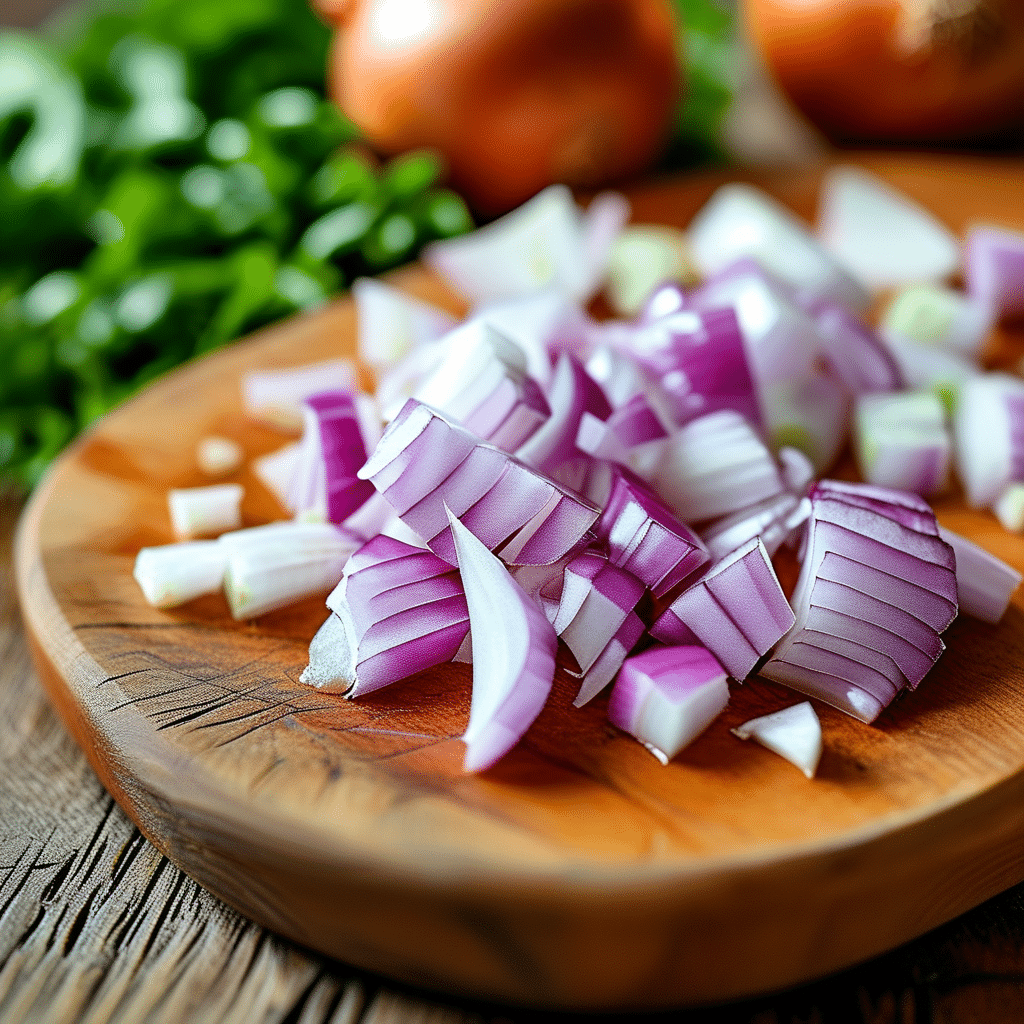
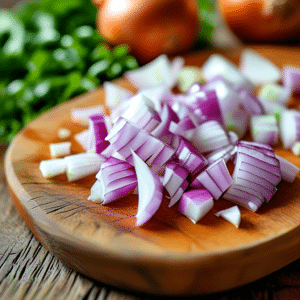
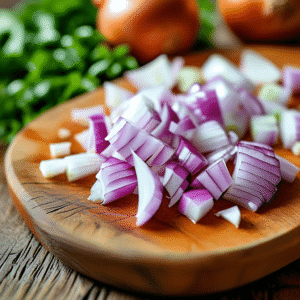
In the vast world of culinary arts, the difference between a good dish and a truly great one often lies in the details – the nuances that elevate flavors and textures to new heights. One such fundamental detail, often overlooked yet profoundly impactful, is the humble, yet mighty, finely chopped onion. More than just a vegetable, it’s a foundational element that defines the very soul of countless recipes. When we speak of a “finely chopped onion,” we’re often referring to a precision cut known as the brunoise, a classic French technique that transforms an onion into uniform cubes, typically around 1/8 inch (3mm) in size. Mastering this specific brunoise cut technique is a rite of passage for any aspiring chef and a skill that promises to unlock deeper flavors and superior textures in your home cooking.
The Science of the Chop
The magic of a finely chopped onion isn’t just about aesthetics; it’s deeply rooted in culinary science.
Surface Area & Flavor
When you cut an onion, you break its cell walls, releasing enzymes. A finer chop means more cell walls are broken, leading to a greater release of the sulfur compounds responsible for the onion’s pungent aroma and distinct taste. This enzymatic reaction, primarily involving alliinase, is what gives onions their characteristic bite. A finely chopped onion increases the surface area exposed, intensifying this reaction and ensuring its potent flavor is evenly distributed and quickly incorporated into your dish. It forms the very heart of an effective onion flavor base.
Texture Integration
Imagine biting into a rich, velvety sauce only to encounter a large, crunchy piece of onion. While sometimes desired, in many dishes, the goal is for the onion to melt seamlessly into the background, providing depth without distraction. The fine brunoise cut allows the onion pieces to virtually disappear, contributing a delicate sweetness and umami without a noticeable texture. This integration is crucial for smooth sauces, purees, and even fine stuffings, where every component should harmonize.
Cooking Speed
Smaller pieces cook faster and more evenly. When you’re sautéing onions, a fine chop ensures that each piece caramelizes at roughly the same rate, resulting in a consistent golden-brown hue and sweet flavor profile. Larger pieces, conversely, can lead to uneven cooking—some burnt, others still raw—compromising the overall taste and texture of your dish. Preventing this burning while achieving deep caramelization is a key benefit of a precise chop.
Nutritional Benefits
Beyond flavor, onions are nutritional powerhouses. They are rich in antioxidants, particularly quercetin, and are excellent sources of prebiotics, which support gut health. Gentle cooking, which is often facilitated by a fine chop that allows quick softening, helps to retain these beneficial compounds. While intense heat can degrade some nutrients, quick and even cooking ensures that the healthful properties of the onion are preserved and assimilated into your meal, contributing to a truly holistic culinary experience.
Essential Tools & Techniques
Achieving that perfect fine chop is easier than you might think with the right tools and approach.
The Tool: Importance of a Sharp Chef’s Knife
The most crucial tool for any knife work, especially precise chopping, is a sharp Chef’s Knife. A sharp blade glides through the onion’s layers cleanly, reducing the effort needed and minimizing the release of tear-inducing compounds. It also makes for safer cutting, as a sharp knife is less likely to slip. Investing in good knife skills 101 and maintaining your blade is the first step towards culinary precision.
Step-by-Step Brunoise Method
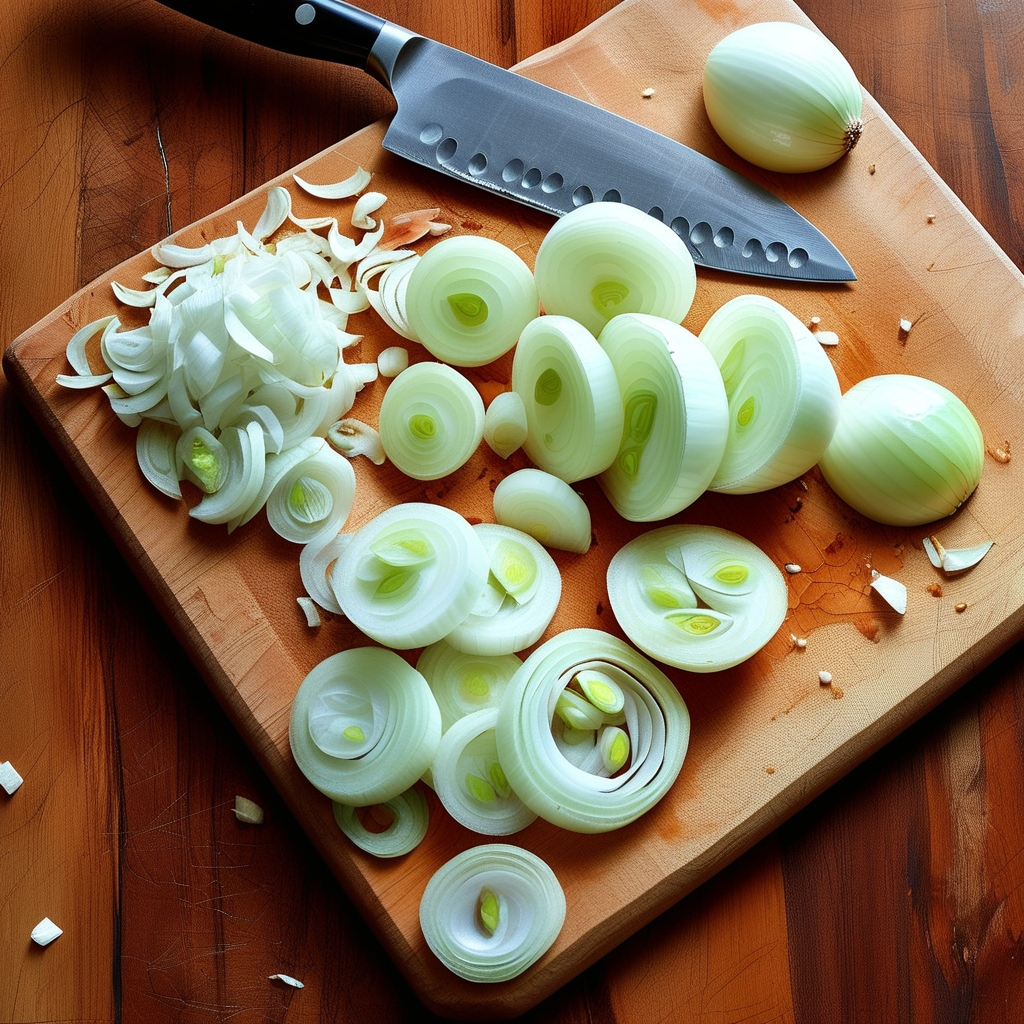
- Prep the Onion: Trim off the top (stem end) of the onion. Cut the onion in half lengthwise through the root end. Peel away the papery outer layers, keeping the root intact. The root acts as a natural handle, holding the onion’s layers together.
- Vertical Cuts: Place one half of the onion cut-side down on your cutting board. Make a series of vertical, parallel cuts from the stem end almost all the way to the root end, without cutting through it. Space these cuts approximately 1/8 inch apart for a brunoise.
- Horizontal Slices: Carefully make one or two horizontal slices into the onion, again without cutting through the root end. For smaller onions, one slice might suffice; for larger ones, two will create more even pieces.
- Final Dice: Now, turn the onion and make perpendicular cuts across your initial vertical and horizontal cuts, moving from the stem end towards the root. As you cut, perfectly uniform 1/8-inch dice will fall away. Discard the small root end once you’ve diced as much as possible.
Tear-Free Tips
Chopping onions doesn’t have to be a tear-filled ordeal. Here are some effective tear-free onion chopping tips:
- Chill Your Onions: Place onions in the refrigerator for 30 minutes or the freezer for 15 minutes before chopping. Cold temperatures slow down the release of sulfur compounds.
- Leave the Root Intact: As mentioned in the brunoise method, the root end contains the highest concentration of tear-producing compounds. Leaving it intact until the very end minimizes their release.
- Good Ventilation: Chop near an open window, under a range hood, or even with a small fan blowing across your cutting board (away from your face).
- Cut Near Running Water: The water can help absorb the irritating compounds.
- Wear Protection: Goggles or even swim goggles can create a physical barrier.
Culinary Applications
The versatility of a finely chopped onion knows no bounds. It’s a cornerstone in countless global cuisines.
The Flavor Base: Soffritto and Mirepoix
In Italian cooking, a finely diced mixture of onion, carrot, and celery forms the foundation of a soffritto preparation. Similarly, in French cuisine, onion, carrot, and celery in varying proportions create the aromatic mirepoix. These culinary aromatic vegetables are gently sautéed to soften and sweeten, providing the essential onion flavor base for stews, soups, sauces, and braises. A fine chop ensures these aromatics melt into the dish, contributing background depth rather than distinct chunks.
Raw Uses: Salsas and Pico de Gallo
For fresh preparations like salsas, pico de gallo, or salads, a finely chopped onion is paramount. It ensures that the onion’s pungent flavor is evenly distributed without overwhelming other ingredients. No one wants an enormous chunk of raw onion dominating their fresh salsa. The small, uniform pieces integrate beautifully, offering a delicate crunch and a burst of flavor in every bite.
Meat Mixtures: Meatballs and Burgers
When incorporating onions into ground meat mixtures for meatballs, meatloaves, or burgers, a fine chop is essential. It provides moisture, flavor, and binds the mixture without introducing undesirable chunky textures. The small pieces cook down and meld with the meat, ensuring that the finished product is tender and flavorful, rather than having pockets of crunchy raw or undercooked onion. These are fantastic diced onion recipes to showcase this skill.
Storing and Preserving
Proper storage is key to extending the life of your onions, whether whole or chopped. Mastering a few onion storage hacks can save you time and reduce waste.
Short-term: Airtight Containers
Once chopped, onions release their potent compounds, which can quickly permeate other foods in your refrigerator. Store finely chopped onion in an airtight container (glass is preferable to plastic to prevent odor absorption) in the coldest part of your fridge. They will last for about 5-7 days.
Long-term: Freezing Techniques
For longer storage, freezing is an excellent option. Spread your finely chopped onions in a single layer on a parchment-lined baking sheet and freeze until solid (about 1-2 hours). Transfer the frozen onion pieces to a freezer-safe bag or container. This flash-freezing technique prevents them from clumping together, allowing you to scoop out just the amount you need. Frozen chopped onions are perfect for cooked dishes like soups, stews, and sauces, and can last for several months.
Signs of Spoilage
Always inspect your stored onions for signs of spoilage. These include a slimy texture, a strong, unpleasant sour odor (beyond their natural pungency), or any visible mold growth. When in doubt, it’s best to discard them.
Featured Recipe: Rich Beef Bolognese
This classic Italian sauce perfectly exemplifies how a finely chopped onion lays the groundwork for profound flavor. The finely chopped aromatics melt into the sauce, creating an incredibly rich, savory base.
“The secret to a truly great Bolognese is patience and perfectly prepared aromatics. The onions should practically disappear, leaving only their sweet essence behind.” – Chef Isabella Rossi
Ingredients:
- 2 tbsp olive oil
- 1 large onion, finely chopped (brunoise)
- 2 carrots, finely chopped (brunoise)
- 2 celery stalks, finely chopped (brunoise)
- 2 cloves garlic, minced
- 1 lb ground beef
- 1/2 cup dry red wine (like Chianti or Merlot)
- 1 (28 oz) can crushed tomatoes
- 1 cup beef broth
- 1/2 cup whole milk or heavy cream
- Salt and freshly ground black pepper to taste
- Fresh basil or parsley for garnish (optional)
Instructions:
- Sauté Aromatics: Heat the olive oil in a large heavy-bottomed pot or Dutch oven over medium heat. Add the finely chopped onion, carrots, and celery. Cook gently, stirring occasionally, for 8-10 minutes until softened and translucent, but not browned. This slow soffritto preparation is critical for developing the deep onion flavor base.
- Add Garlic and Beef: Stir in the minced garlic and cook for another minute until fragrant. Add the ground beef, breaking it up with a spoon. Cook until browned, draining any excess fat if necessary.
- Deglaze with Wine: Pour in the red wine, scraping up any browned bits from the bottom of the pot. Bring to a simmer and cook until the wine has almost completely evaporated, about 5-7 minutes.
- Simmer the Sauce: Stir in the crushed tomatoes and beef broth. Bring the mixture to a gentle simmer, then reduce the heat to low, cover partially, and let it cook for at least 1.5-2 hours, stirring occasionally. The longer it simmers, the more flavors will meld.
- Enrich with Milk: After simmering, stir in the milk or cream. Cook for another 30 minutes, uncovered, allowing the sauce to thicken slightly and the flavors to deepen further. Season with salt and freshly ground black pepper to taste.
- Serve: Serve hot over your favorite pasta (tagliatelle or pappardelle are traditional), garnished with fresh herbs if desired.
Frequently Asked Questions (FAQs)
Q: Is it better to use a food processor or a knife for finely chopping onions?
A: While a food processor can certainly chop an onion quickly, a knife generally yields a superior result for a truly finely chopped onion. A food processor tends to bruise the onion, releasing more tear-inducing compounds and creating an inconsistent texture, often resulting in some pureed bits and some larger chunks. A sharp knife, used with proper knife skills 101, creates clean cuts that preserve the onion’s cell structure better, leading to a more consistent size and better flavor integration in your final dish.
Q: How long can I store finely chopped onion in the refrigerator?
A: Finely chopped onion, stored in an airtight container in the refrigerator, will typically last for about 5-7 days. Beyond this timeframe, it may begin to develop an off-odor or slimy texture, indicating spoilage. For longer storage, freezing is recommended, where it can last for several months.
Q: What’s the difference between minced and finely chopped onion?
A: The terms “minced” and “finely chopped” are often used interchangeably, but generally, “minced” refers to an even smaller cut than “finely chopped” or brunoise. A finely chopped onion (brunoise) is typically around 1/8 inch (3mm) dice, while “minced” implies an even smaller, almost paste-like consistency, often achieved through repeated chopping. Both aim for texture integration and flavor distribution, but minced onion will practically vanish, while finely chopped will offer a whisper of substance.
Conclusion
The finely chopped onion is more than just an ingredient; it’s a testament to the power of precision in cooking. From forming the aromatic backbone of a rich Bolognese to adding a delicate crunch to a fresh salsa, its impact is undeniable. Mastering the art of the brunoise cut is a foundational skill that will elevate your dishes from good to truly memorable. So grab your sharpest knife, practice those knife skills 101, and discover the profound difference a perfectly prepared onion can make in your culinary adventures. Happy chopping!
Follow us for more culinary tips and delicious recipes on Facebook: https://www.facebook.com
Rich Beef Bolognese with Finely Chopped Onion Base
Ingredients
- 2 tablespoons olive oil
- 1 large onion finely chopped (brunoise)
- 2 medium carrots finely chopped
- 2 stalks celery finely chopped
- 3 cloves garlic minced
- 1.5 lbs ground beef 80/20 lean
- 1 cup dry red wine Merlot or Cabernet Sauvignon
- 28 ounces crushed tomatoes canned
- 14.5 ounces diced tomatoes canned
- 1/2 cup beef broth
- 1/4 cup whole milk optional, for tenderness
- 2 bay leaves
- 1 teaspoon dried oregano
- Salt and freshly ground black pepper to taste
- Freshly grated Parmesan cheese for serving
- Cooked pasta tagliatelle or pappardelle recommended
Instructions
- Heat the olive oil in a large, heavy-bottomed pot or Dutch oven over medium heat.
- Add the finely chopped onion, carrots, and celery. Sauté gently, stirring occasionally, until the vegetables are very soft and translucent, about 8-10 minutes. Do not brown them.
- Stir in the minced garlic and cook for another minute until fragrant.
- Add the ground beef, breaking it up with a spoon. Cook until the beef is browned all over, draining any excess fat if necessary.
- Pour in the red wine, scraping up any browned bits from the bottom of the pot. Bring to a simmer and cook until the wine has almost completely evaporated, about 5-7 minutes.
- Stir in the crushed tomatoes, diced tomatoes, beef broth, milk (if using), bay leaves, and oregano. Season generously with salt and pepper.
- Bring the sauce to a gentle simmer. Reduce the heat to low, cover the pot partially, and let the Bolognese simmer for at least 2-3 hours, stirring occasionally.
- Remove the bay leaves. Taste and adjust seasoning if needed.
- Serve hot over your favorite cooked pasta, garnished with plenty of fresh Parmesan cheese.
For more daily recipes and tips, follow us on Facebook!
Click here to join our community!