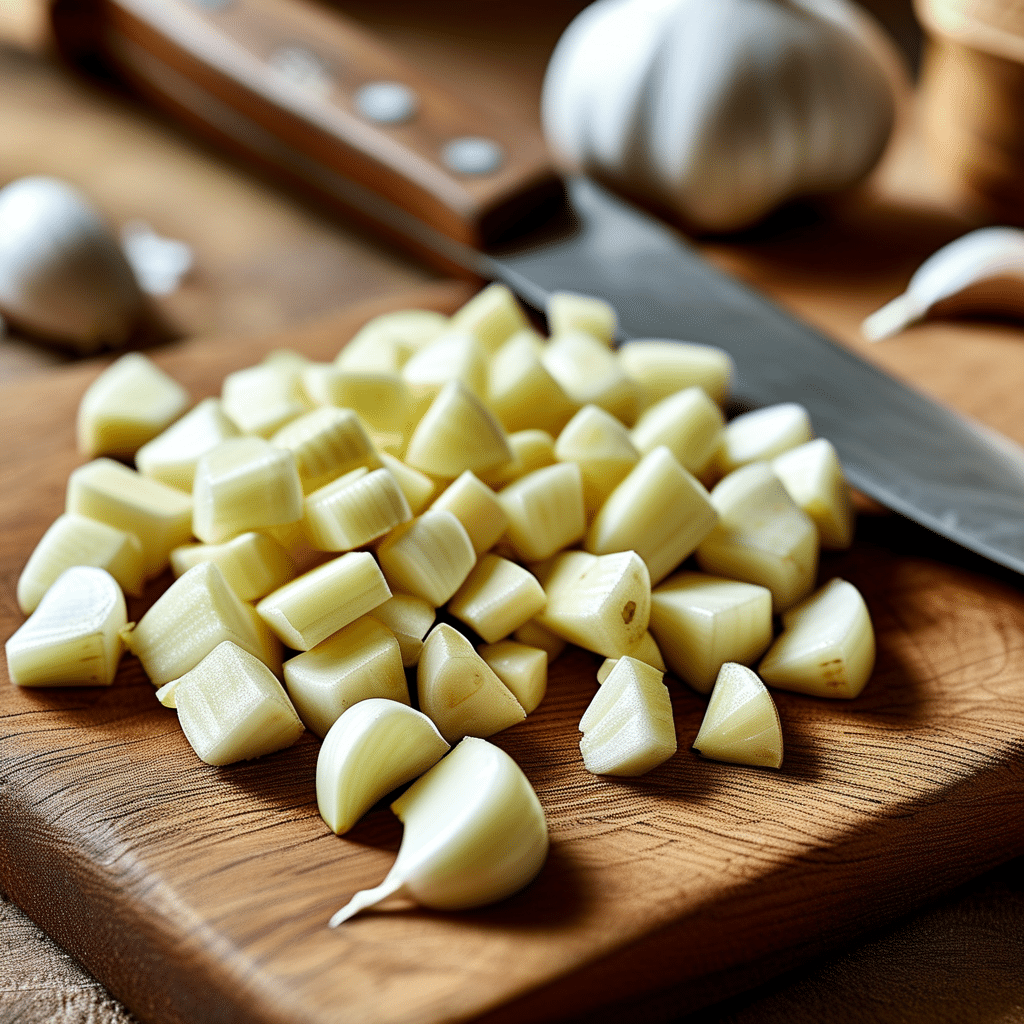
Welcome to the ultimate Minced Garlic Guide! In nearly every corner of the culinary world, a humble ingredient stands out as indispensable: minced garlic. From the aromatic base of a bubbling marinara to the vibrant kick in a fresh salsa, its pungent, savory notes elevate dishes from simple to sublime. While convenient, pre-minced garlic from a jar often pales in comparison to the vibrant flavor and potent health benefits of garlic prepared fresh at home. This guide will empower you to master the art of mincing garlic, ensuring every dish you create sings with unparalleled flavor.
We’ll delve into the scientific reasons why fresh is best, explore various mincing techniques, and most importantly, cover critical safety protocols for storing your freshly prepared garlic. Get ready to transform your cooking with the foundational power of perfectly minced garlic!
The Science & Health Benefits
Garlic isn’t just a flavor enhancer; it’s a nutritional powerhouse. Its distinctive aroma and incredible health benefits stem from a sulfur compound called alliin. When garlic is crushed, chopped, or minced, an enzyme called alliinase is released, converting alliin into allicin – the compound responsible for garlic’s signature smell and most of its medicinal properties.
Unlocking Allicin: Why Crushing Garlic Matters
The act of mincing is crucial for maximizing allicin production. The more cell walls you rupture by crushing or finely chopping fresh garlic cloves, the more alliin and alliinase come into contact, leading to a greater concentration of allicin. This is why a smooth garlic paste often has a more potent flavor and stronger health impact than roughly chopped pieces.
The 10-Minute Rule: Maximizing Antioxidants
For optimal health benefits, particularly when aiming to harness the full power of allicin, apply the “10-minute rule.” After mincing your garlic, let it sit for about 10 minutes before adding it to heat. This allows the allicin-generating reaction to complete, ensuring you get the most out of its antioxidant and anti-inflammatory properties before cooking inactivates some of the beneficial enzymes.
Nutritional Perks: Immune System Support and Heart Health
Beyond its culinary appeal, regular consumption of fresh garlic is linked to numerous health advantages. It’s renowned for its immune-boosting capabilities, helping to ward off common colds and flu. Furthermore, studies suggest that garlic contributes to heart health by helping to lower blood pressure and cholesterol levels. Integrating this versatile ingredient into your diet is a delicious way to support overall well-being.
4 Ways to Mince Garlic
The best way to mince garlic depends on your desired texture, the dish you’re preparing, and the tools you have at hand. Each of these mincing techniques offers a unique result.
1. The Chef’s Knife Method
This is the classic technique favored by professional chefs for good reason. It offers control over texture and develops knife skills.
- Smashing to Peel: Place a fresh garlic clove on a cutting board. Lay the flat side of your chef’s knife over the clove and give it a firm, quick smack with the heel of your hand. This will loosen the skin, making it easy to peel away.
- Rough Chop: Trim the root end. Roughly chop the peeled clove.
- Rocking Motion for Precision: Gather the chopped garlic into a pile. Place the tip of your knife on the board and rock the blade through the pile, repeatedly bringing the handle up and down while pivoting the tip. Continue until you reach your desired fineness. For a very fine mince, sprinkle a pinch of salt over the garlic; the salt crystals help break down the fibers as you mince, creating a smoother paste.
- Best for: Sautéing aromatic bases, adding to roasted dishes, or any recipe where you want a noticeable garlic presence without large chunks. It’s often preferred over a garlic press vs knife for a cleaner flavor.
2. The Garlic Press
For speed and an intense burst of flavor, the garlic press is a convenient tool.
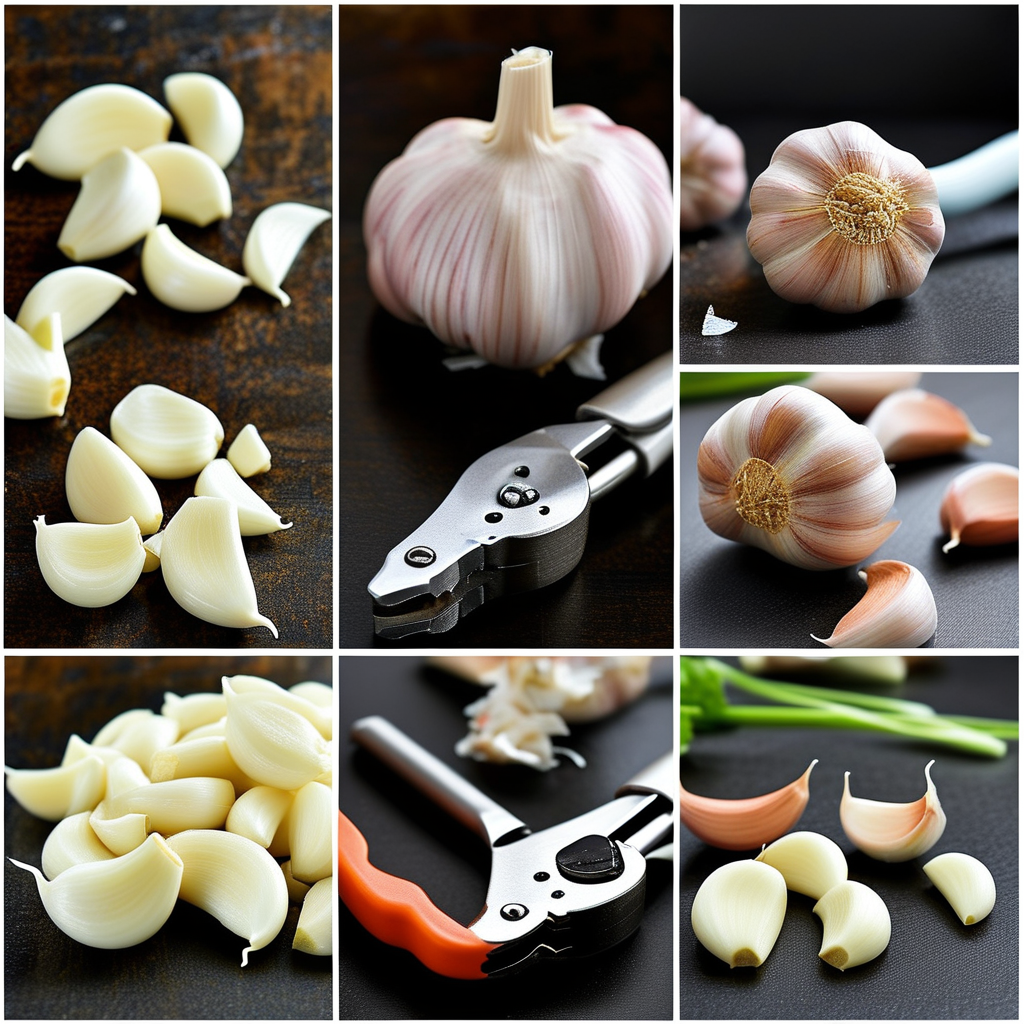
- Pros: Extremely fast, doesn’t require peeling (most presses can handle unpeeled cloves), and releases a very potent burst of flavor due to the intense crushing action. This method maximizes allicin development.
- Cons: Can be harder to clean than a knife, and the intense crushing can sometimes release bitter compounds, especially if the garlic is older or has green sprouts.
- Best for: Salad dressings, marinades, or sauces where you want the garlic to be fully incorporated and its flavor to dominate, like in a vibrant pesto or a strong aioli.
3. Microplane or Grater
When you need a super-fine texture that almost dissolves into your dish, a microplane or fine grater is your go-to.
- Creating a Garlic Paste: Simply rub peeled fresh garlic cloves against the fine grating surface. This method creates a smooth garlic paste recipe-ready texture, perfect for dishes where you want the flavor of garlic without any discernible pieces.
- Best for: Marinades, vinaigrettes, or soups and stews where you want the garlic flavor to infuse seamlessly into the liquid, becoming an undetectable but essential part of the base. It’s also great for rubbing onto crostini for bruschetta.
4. Food Processor (Bulk Prep)
For those times when you need a significant amount of minced garlic, perhaps for a week’s worth of cooking or a large recipe, the food processor is a time-saver.
- How to Pulse Without Turning It Into Mush: Peel a large quantity of fresh garlic cloves. Place them in the bowl of your food processor. Add a tablespoon or two of a neutral oil (like olive or grapeseed oil) to help the blades catch the garlic and prevent it from clumping. Pulse in short bursts, scraping down the sides as needed, until you reach your desired consistency. Be careful not to over-process, or you’ll end up with a watery purée.
- Ideal for: Meal prepping large batches of garlic for future use. It’s an efficient way to how to store peeled garlic in a convenient minced form, ready for quick weeknight meals.
Safety Critical: Storing Minced Garlic
Proper storage of minced garlic is not just about preserving flavor; it’s about crucial food safety. The main concern when preserving garlic in oil is the risk of botulism.
The Botulism Risk
Clostridium botulinum, the bacteria that produces the botulinum toxin, thrives in anaerobic (oxygen-free) environments without refrigeration. Fresh garlic, by itself, does not pose a botulism risk. However, when garlic is submerged in oil, especially at room temperature, it creates an ideal anaerobic environment for these spores to grow and produce dangerous toxins. This is why homemade garlic-in-oil mixtures are a major concern for garlic botulism safety.
Golden Rule: Never store garlic in oil at room temperature. The risk of botulism is real and potentially fatal.
Refrigerator Storage
You have a couple of options for short-term storage in the refrigerator:
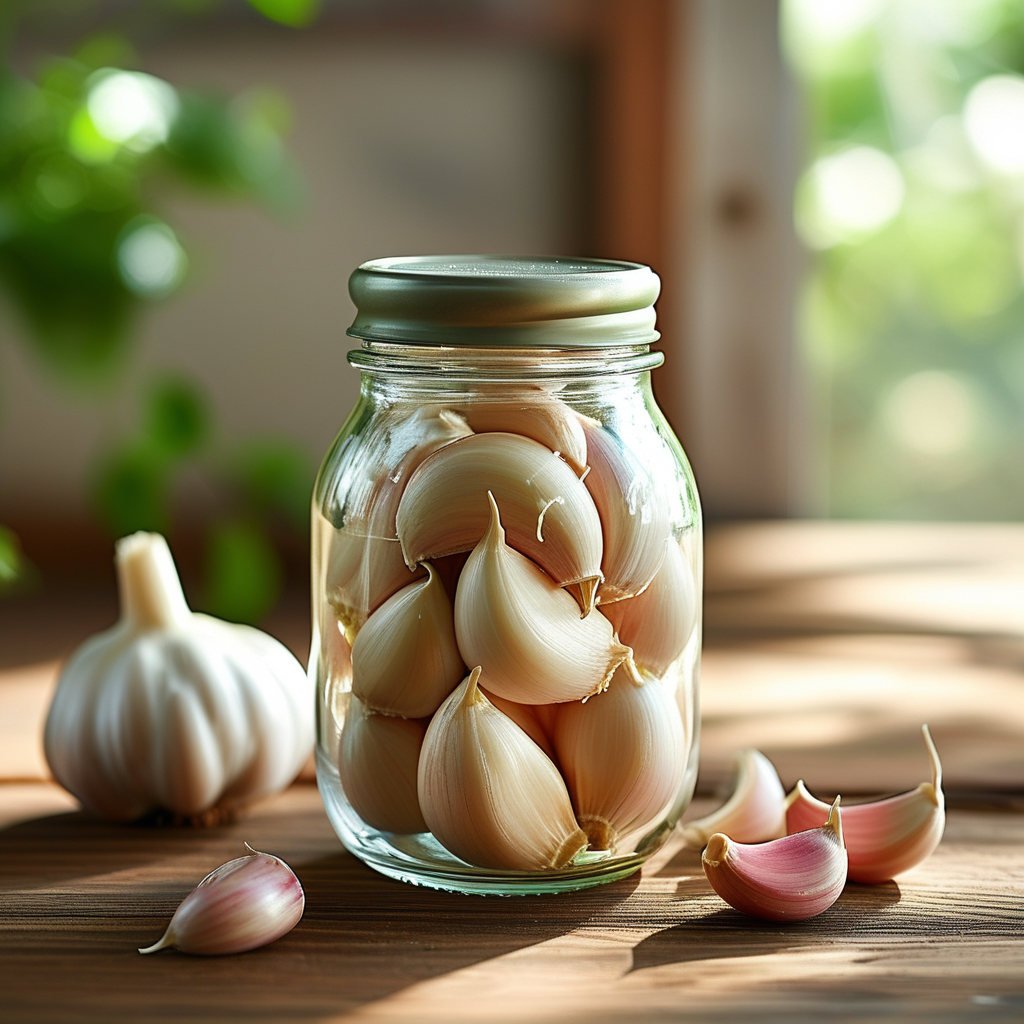
- Dry Storage: Minced garlic can be stored in an airtight container in the refrigerator for up to a week. While convenient, it can lose some pungency over time.
- Oil Storage (Short-term, Refrigerated): If you want to store minced garlic in oil, it MUST be kept in the refrigerator immediately. Even then, its shelf life is limited to 3-4 days. This is because refrigeration only slows, not stops, the growth of botulism bacteria. A safe garlic to oil ratio doesn’t eliminate the risk without acidification. Always discard if you see any signs of spoilage or if it’s been in the fridge longer than 4 days.
Freezer Storage (Recommended)
For longer-term storage and ultimate convenience, freezing your minced garlic is the safest and most recommended method.
- The Ice Cube Tray Method: After mincing a large batch of garlic (perhaps with your food processor), press it into ice cube trays. You can add a little olive oil to each well if desired (a small garlic to oil ratio here is fine as it’s immediately frozen), or simply freeze the dry garlic. Once frozen solid, pop out the cubes and transfer them to a freezer-safe bag or container. This is excellent for freezing minced garlic in convenient, pre-portioned amounts.
- Flattening in Freezer Bags: Alternatively, spread minced garlic thinly and evenly into a freezer-safe bag, pressing out all the air. Lay it flat in the freezer. Once frozen, you can easily break off pieces as needed, similar to a chocolate bar.
- Shelf life: Freezing minced garlic extends its shelf life significantly, up to 3 months, without compromising flavor or safety.
Culinary Uses & Tips
Now that you’ve mastered your mincing techniques and safe storage, let’s explore how to best use your fragrant Minced Garlic Guide.
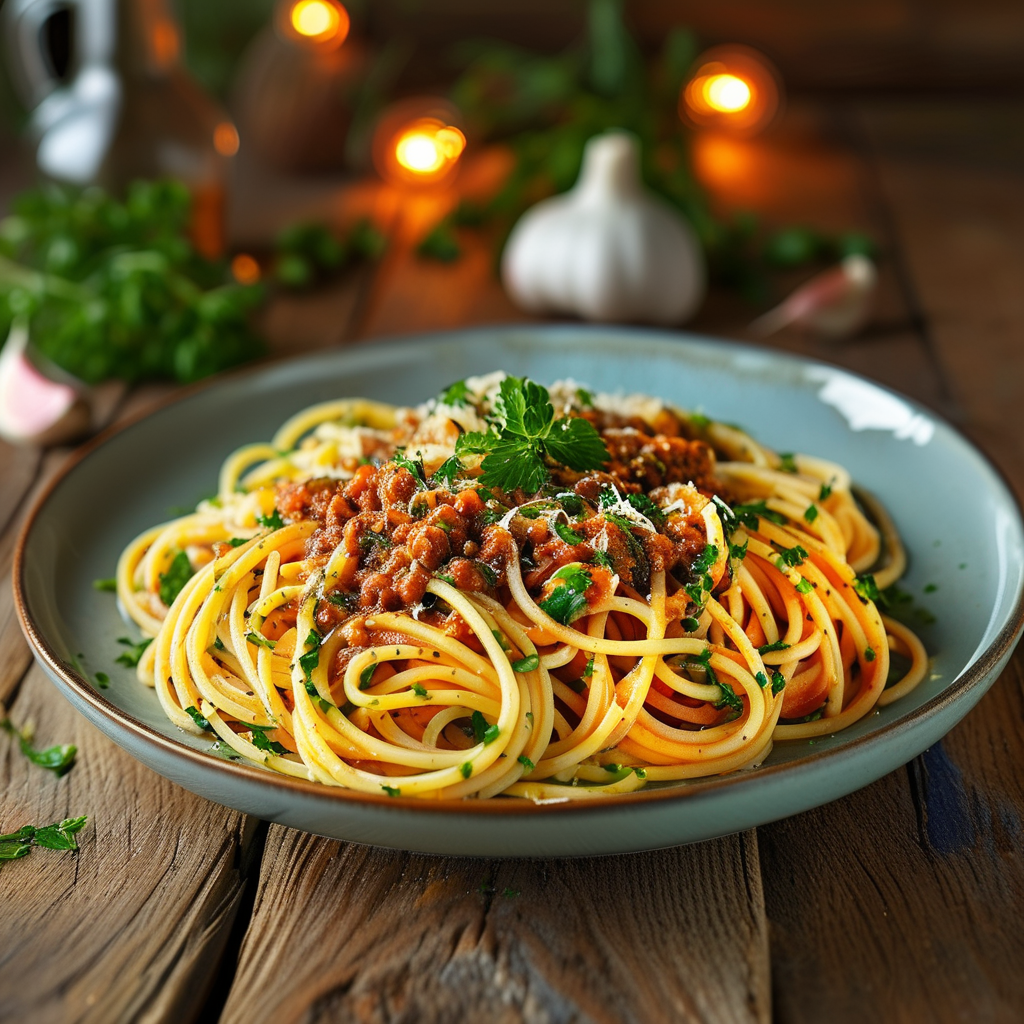
- Sautéing: Preventing Burning: Minced garlic burns quickly due to its small size and high sugar content. To prevent a bitter taste, always add minced garlic towards the end of your sautéing process, after onions or other vegetables have softened slightly. Cook for just 30-60 seconds until fragrant, then immediately add liquids or other ingredients to stop the cooking.
- Raw Applications: Salsa, Bruschetta, and Salad Dressings: Minced garlic truly shines in raw preparations. Its pungent, vibrant flavor adds a critical kick to fresh salsas, a zesty bite to bruschetta toppings, and an aromatic depth to homemade salad dressings. Remember the 10-minute rule here to maximize allicin.
- Infusions: Making Safe Garlic Butter or Oil for Immediate Use: You can safely make garlic butter or oil for immediate use. For garlic butter, simply mix softened butter with fresh minced garlic, herbs, and salt. For garlic oil, gently warm minced garlic in olive oil (do not brown or burn) for a few minutes. Use these mixtures promptly or store them in the refrigerator for no more than 1-2 days. Never let them sit at room temperature.
Troubleshooting Common Mistakes
Even seasoned cooks can encounter issues with garlic. Here’s how to tackle common problems:
- Bitter Taste: The most common cause of bitter garlic is burning it during cooking. As mentioned, add it to your pan towards the end of sautéing and cook briefly. Over-processing garlic in a food processor or with a garlic press vs knife can also release bitter compounds, especially from the inner germ.
- Green/Blue Garlic: Sometimes, when minced garlic comes into contact with acid (like vinegar or lemon juice) or certain metals (like copper), it can turn green or blue. This is a harmless chemical reaction, not a sign of spoilage, and the garlic is perfectly safe to eat, though it might look odd.
- Sticking to Hands: How to Remove the Smell: Garlic’s pungent oils can linger on your hands. To remove the smell, rub your hands vigorously on a stainless steel object (like a spoon, faucet, or even a stainless steel soap bar) under cold running water for about 30 seconds. The stainless steel helps neutralize the sulfur compounds.
Frequently Asked Questions (FAQ)
Here are some common questions about using and storing minced garlic:
How much minced garlic equals one clove?
As a general rule, one medium-sized garlic clove yields approximately 1 teaspoon of minced garlic. This can vary slightly depending on the size of the clove and how finely it’s minced.
Can I freeze whole peeled cloves instead?
Yes, you absolutely can! To freeze whole peeled fresh garlic cloves, simply place them in a single layer on a baking sheet to freeze solid, then transfer them to a freezer-safe bag or container. They can be stored this way for up to 6 months. When you need a clove, you can mince it directly from frozen, though it might be slightly softer when thawed.
Is jarred garlic as healthy as fresh?
While convenient, jarred minced garlic typically has fewer health benefits than fresh. The processing and preservation methods often diminish the allicin potential. Fresh garlic, especially when allowed to sit after mincing (the 10-minute rule), offers superior flavor and maximum allicin benefits.
Conclusion
Mastering minced garlic is a fundamental skill that will elevate your cooking to new heights. The incomparable depth of flavor and potent health benefits of fresh, properly prepared garlic are simply unmatched by their store-bought counterparts. By understanding the simple science, employing the right mincing techniques, and adhering to crucial safety guidelines for freezing minced garlic and other storage methods, you’re now equipped to handle this culinary cornerstone with confidence.
So, next time you’re whipping up a meal, take a few extra minutes to mince your garlic fresh. Better yet, embrace the power of bulk prep by freezing your homemade minced garlic, ensuring that the vibrant, aromatic essence of this incredible ingredient is always at your fingertips for easy weeknight cooking. Happy cooking!
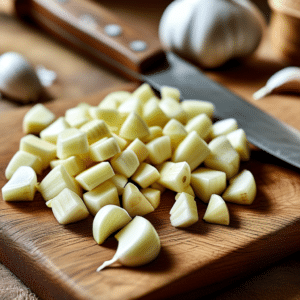
Homemade Minced Garlic (Bulk Prep)
Ingredients
- Whole garlic heads Firm, tight bulbs with no sprouting (approx. 3-4 heads for a batch). I prefer hardneck varieties for easier peeling, but softneck works well too. Ensu...
- Neutral oil or Olive oil Optional. Use only if freezing the garlic. Avocado oil or light olive oil works best. Do not use for room temperature storage due to safety risks.
- Sea salt Optional. A pinch can act as an abrasive to help mince the garlic more finely if using a knife.
Instructions
- Prepare the bulbs: Separate all cloves from the garlic heads. To peel quickly, place cloves in a hard container (like a mason jar) and shake vigorously for 30 seconds, or smash each clove gently with the flat side of a chef's knife to loosen the skin.
- Trim: Remove the peeled skins and slice off the hard root end of each clove. Discard any cloves that have brown spots or look shriveled.
- Mince (Food Processor Method): Place the peeled cloves into a food processor. Pulse 5-10 times until the garlic is chopped to your desired consistency. Scrape down the sides as needed. Do not over-process into a puree unless intended.
- Mince (Knife Method): Smash the peeled clove flat, then use a rocking motion with a sharp chef's knife to chop until fine. Sprinkle with a pinch of salt to prevent sticking.
- Storage Option 1 (Refrigerator - Short Term): Store the minced garlic in a clean, airtight glass container. Keep dry (no oil) for up to 7 days. If adding oil, use within 3 days.
- Storage Option 2 (Freezer - Long Term): Mix the minced garlic with just enough oil to coat it lightly. Spoon into an ice cube tray (approx. 1 tsp per cube) or flatten inside a freezer-safe ziplock bag. Freeze for up to 3 months. Break off chunks as needed for cooking.
For more daily recipes and tips, follow us on Facebook!
Click here to join our community!