The Ultimate Guide to Mile High Pound Cake
Introduction
There are cakes, and then there are Mile High Pound Cakes. More than just a dessert, this towering confection is a statement—a testament to classic baking traditions and the simple joy of a truly spectacular slice. Its height isn’t merely for show; it’s a visual cue to the incredible texture and richness within, promising an experience that’s both grand and deeply comforting.
For generations, the pound cake has held a revered place in kitchens, particularly in traditional Southern baking. It evokes memories of family gatherings, Sunday dinners, and the comforting aroma of vanilla drifting through the house. An old fashioned pound cake recipe carries with it a legacy of warmth and hospitality, and mastering the “mile high” version elevates this beloved classic to new heights.
In this ultimate guide, we’ll peel back the layers to reveal the secrets behind achieving that impressive stature and exquisite crumb. You’ll learn the precise techniques, discover essential ingredients, master crucial baking tips, and gain the confidence to troubleshoot common challenges, ensuring your next pound cake is nothing short of legendary.
What Makes a Pound Cake “Mile High”?
The quest for a “mile high” pound cake begins with understanding its fundamental structure and the tools that support it. It’s about more than just a big cake; it’s about a cake that rises proudly, with a consistent, velvety texture from top to bottom.
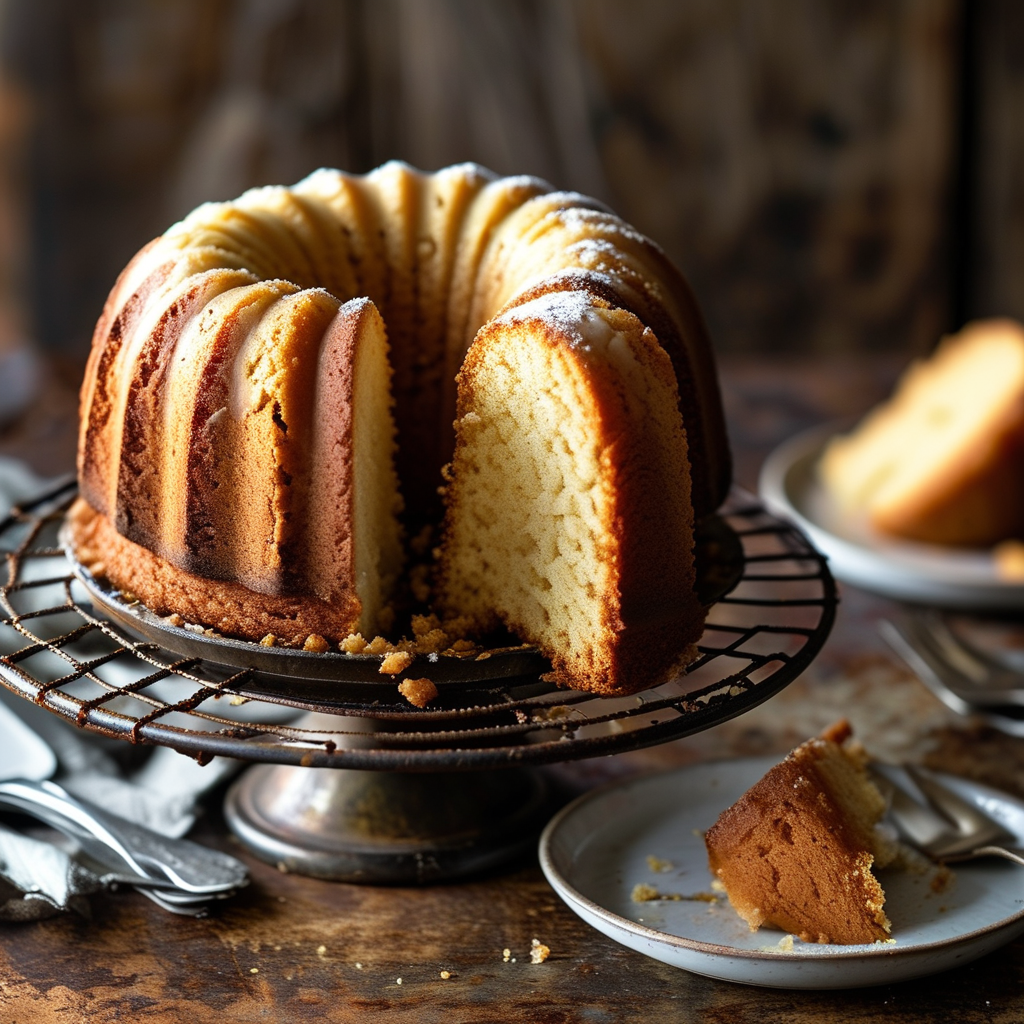
The Ratio: The Science Behind the 1 lb Butter / Sugar / Flour Balance
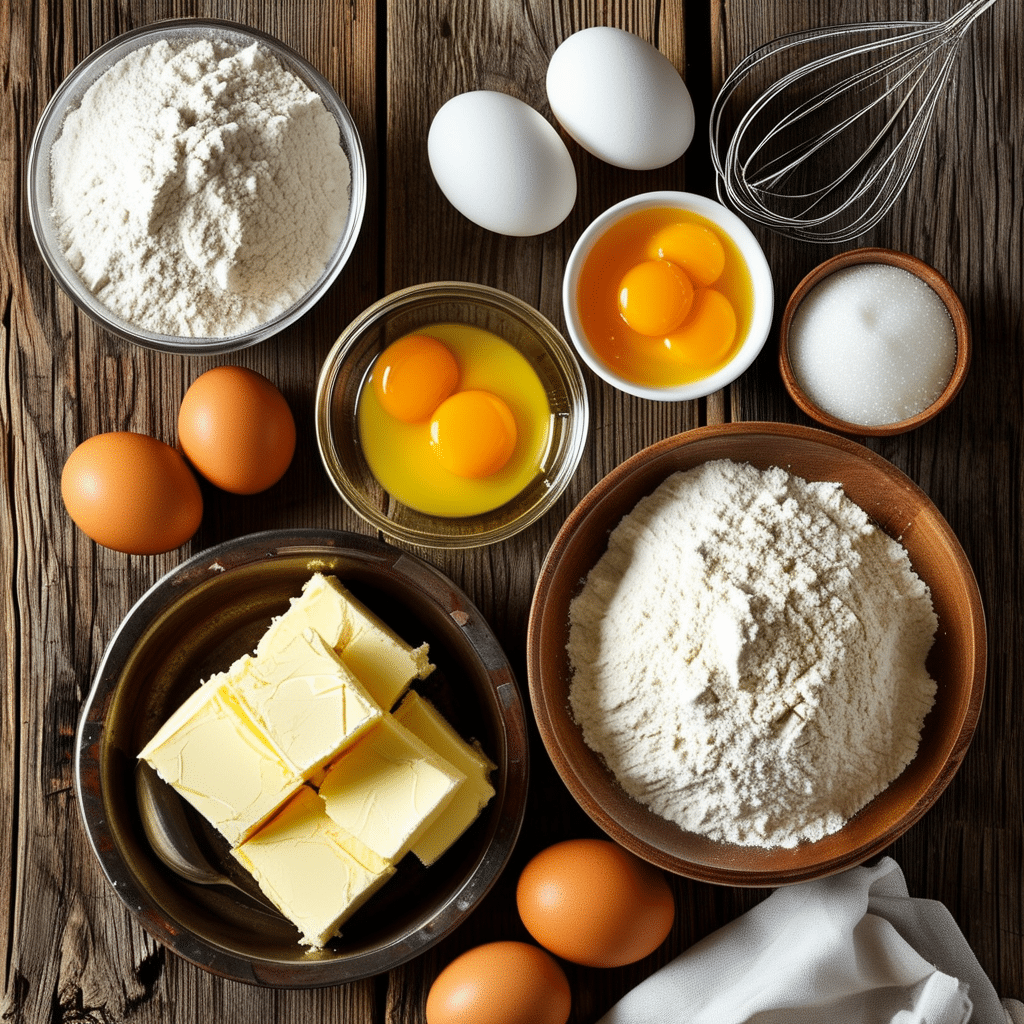
At its heart, a traditional pound cake adheres to a simple yet powerful ratio: one pound each of butter, sugar, flour, and eggs. This perfect balance is what delivers the characteristic dense buttery pound cake texture. While modern recipes often deviate slightly for nuance, this core ratio ensures richness, moisture, and a sturdy crumb capable of significant height. It’s a testament to timeless culinary wisdom, where simplicity yields profound results.
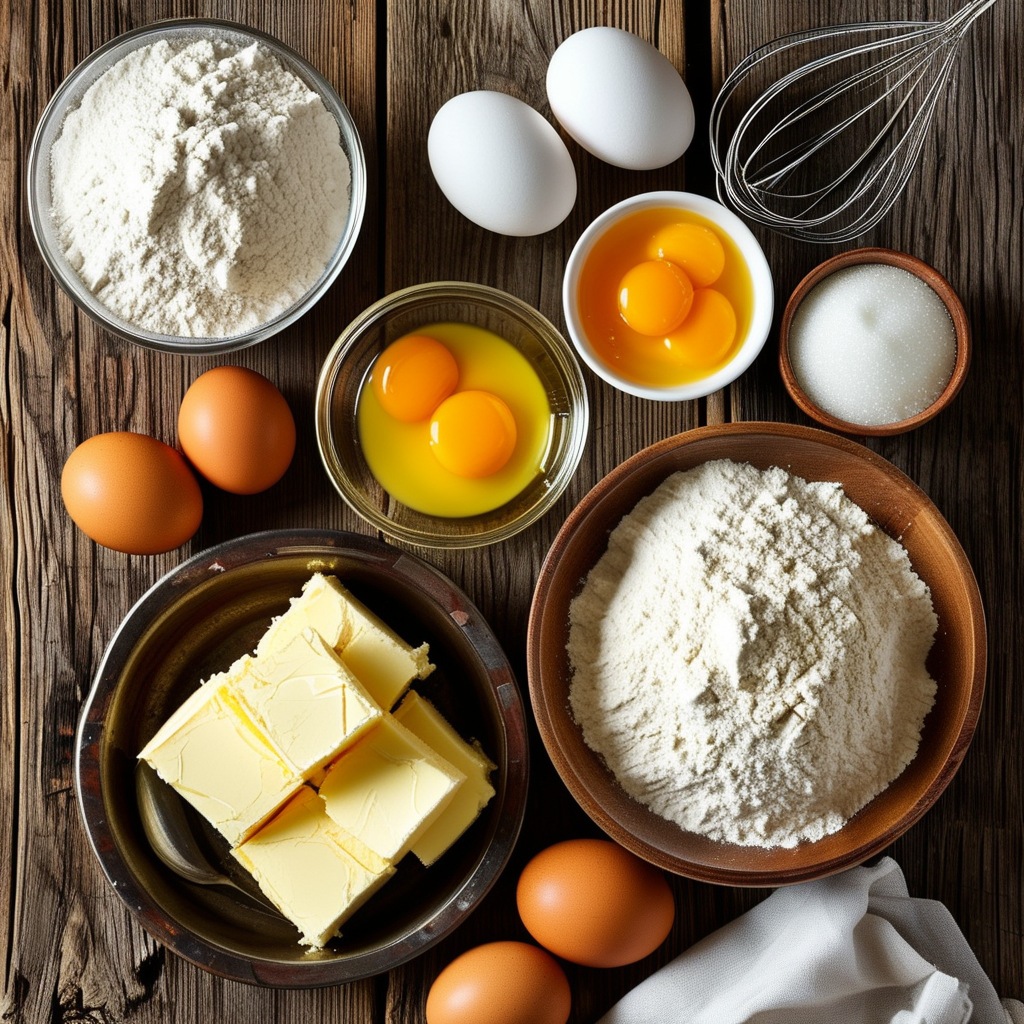
The Pan: Why a Standard Bundt vs. a Tall Tube Pan Makes a Difference
The choice of baking vessel is paramount for achieving a “mile high” result. While Bundt pans are beautiful, their intricate designs and wider base can sometimes hinder a truly impressive rise, spreading the batter out rather than up. For maximum height and that classic, elegant profile, a heavy-gauge tube pan with a removable bottom is your best friend. Look for one that is at least 10 inches in diameter and has tall, straight sides. This type of pan provides excellent support for the batter as it climbs, encouraging a taller, more uniform rise, making it the best tube pan for baking pound cakes of this caliber.
Texture Profile: Dense, Velvety Crumb vs. Airy Sponge Cakes
Unlike airy sponge cakes or light chiffon cakes, a truly great pound cake boasts a distinctively dense buttery pound cake texture. This isn’t a flaw; it’s the defining characteristic. A mile-high pound cake should have a fine, velvety crumb that feels substantial yet melts in your mouth. It holds its shape beautifully when sliced, and that dense quality contributes to its remarkable moistness and rich flavor. Achieving this requires careful ingredient handling and precise baking, which we’ll delve into shortly.
Essential Ingredients for Success
The foundation of any great bake lies in the quality and proper preparation of its ingredients. For a Mile High Pound Cake, this is especially true. Each component plays a vital role in achieving that perfect rise and sublime texture.
- Butter: The importance of quality and temperature (unsalted vs. salted). Use high-quality unsalted butter, as it allows you to control the salt content precisely. Crucially, the butter MUST be at true room temperature—soft enough to easily make an indentation, but not melted or greasy. This is fundamental for proper creaming and aeration.
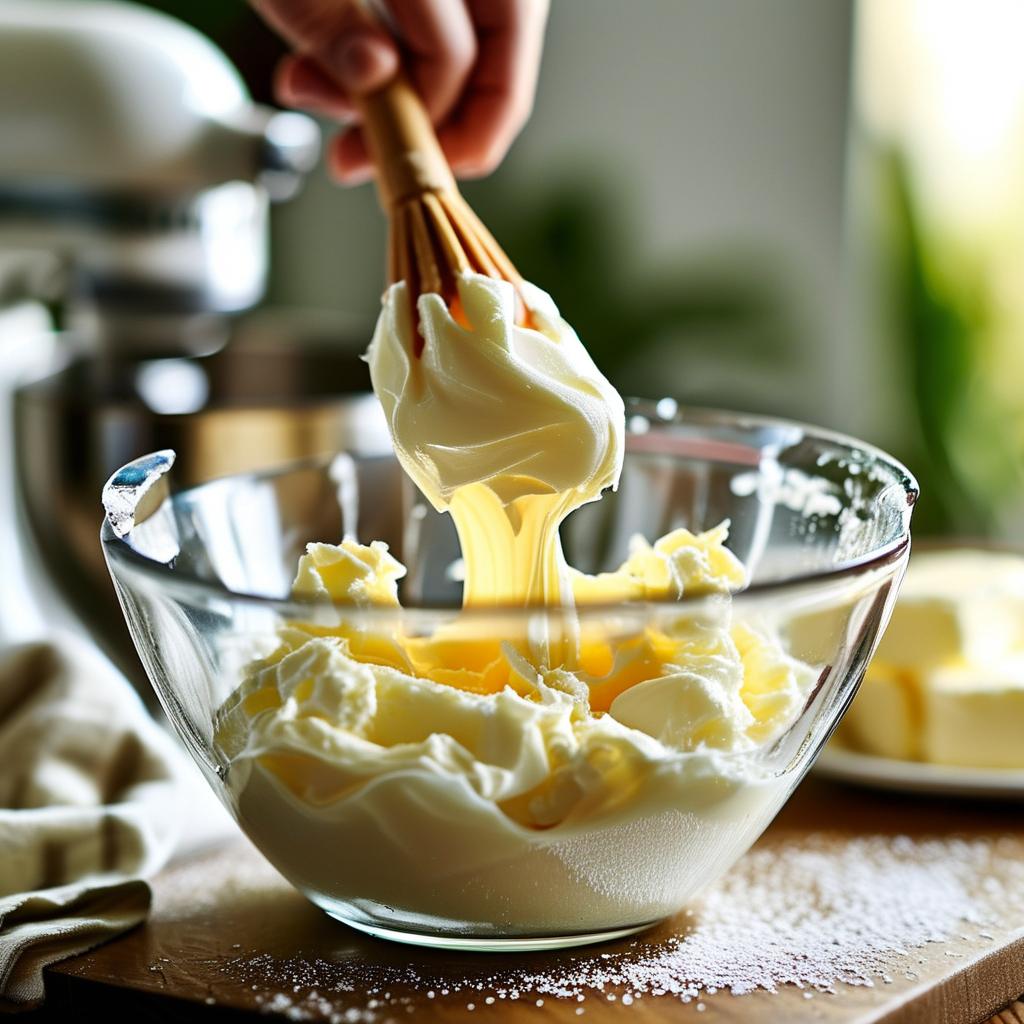
- Sugar: Creating aeration during the creaming process. Granulated sugar not only sweetens but, when creamed vigorously with butter, creates tiny air pockets. These air pockets expand during baking, contributing significantly to the cake’s lift and tender crumb.
- Eggs: The structural powerhouse (Room temperature is non-negotiable). Eggs bind the ingredients, add moisture, and provide critical structure. Like butter, eggs must be at room temperature. Cold eggs will curdle the batter when added to the creamed butter and sugar, resulting in a dense, uneven crumb. For a rich, towering cake, many recipes, including classic pound cakes, often call for a generous amount, sometimes even a 10 egg pound cake recipe to ensure unparalleled richness and height.
- Flour: Cake flour vs. All-Purpose flour (Sifting secrets). For the most tender crumb, cake flour is often preferred due to its lower protein content. However, all-purpose flour can also yield excellent results, especially if you measure correctly and avoid overmixing. Regardless of your choice, sifting your flour is a non-negotiable step. It aerates the flour, prevents lumps, and ensures a lighter, more uniform batter.
- Liquid & Flavor: Buttermilk, vanilla bean paste, and almond extract. A touch of liquid, often buttermilk, adds moisture and a subtle tang that enhances the cake’s richness. For flavor, skip imitation extracts. Opt for pure vanilla extract or, for a truly decadent taste, vanilla bean paste. A dash of almond extract, especially in a vanilla almond pound cake, can elevate the flavor profile, adding depth and a gourmet touch.
Equipment Needed
Having the right tools can make all the difference between a good cake and a truly spectacular one.
- Heavy-gauge Tube Pan or 12+ cup Bundt Pan: As discussed, a sturdy tube pan with a removable bottom (10-inch diameter, tall sides) is ideal for maximum height. If using a Bundt, ensure it’s a large capacity (12-15 cups). This is key to selecting the best tube pan for baking your mile-high masterpiece.
- Stand mixer with paddle attachment: Essential for efficient and thorough creaming of butter and sugar, and for incorporating eggs properly.
- Cooling racks and parchment paper: For proper cooling and to protect your countertops.
- Rubber spatula: For scraping down the bowl and gently folding ingredients.
- Measuring cups and spoons: Accuracy is paramount in baking.
- Kitchen scale: For precise measurement of ingredients, especially butter, sugar, and flour, for that classic “pound” ratio.
- Instant-read thermometer: For accurately checking the cake’s internal temperature, one of the best pound cake baking tips for guaranteed doneness.
Step-by-Step Baking Method
Follow these steps precisely for a Mile High Pound Cake that will impress every time.
Preparation: Oven calibration and proper pan greasing (shortening + flour)
- Preheat Oven: Calibrate your oven if possible. Preheat to 325°F (160°C).
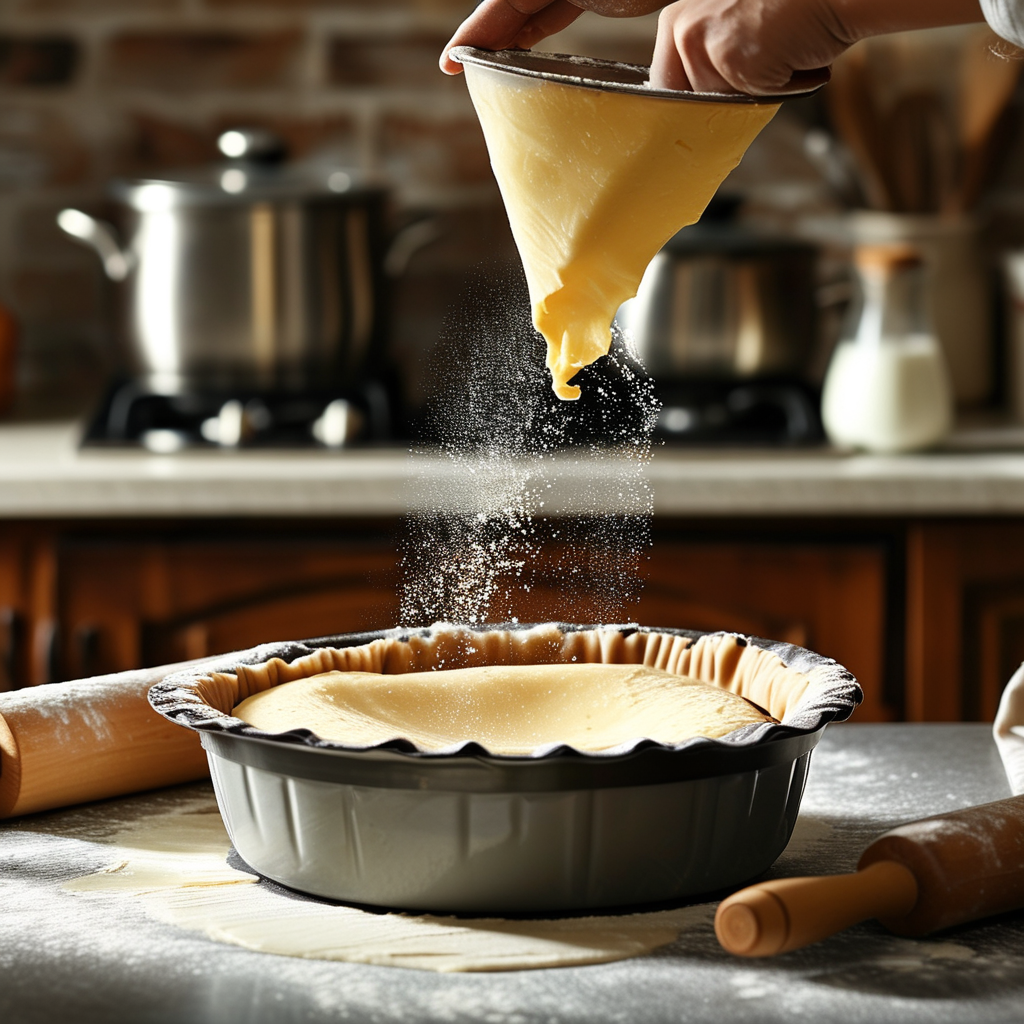
- Prepare Pan: Thoroughly grease your tube pan. Use a solid shortening (like Crisco) to coat every nook and cranny, then dust generously with all-purpose flour, tapping out the excess. This creates a non-stick barrier that prevents sticking and helps the cake climb.
The Creaming Phase: How to reach the “light and fluffy” stage (8-10 minutes)
- Cream Butter and Sugar: In your stand mixer with the paddle attachment, cream the room-temperature butter and granulated sugar on medium-high speed. Beat for a full 8-10 minutes, or even up to 12 minutes. The mixture should become visibly pale, light, and incredibly fluffy, having almost doubled in volume. This extended creaming is vital for incorporating air, which is fundamental to a tall, tender cake.
Adding Eggs: The emulsion technique (one at a time)
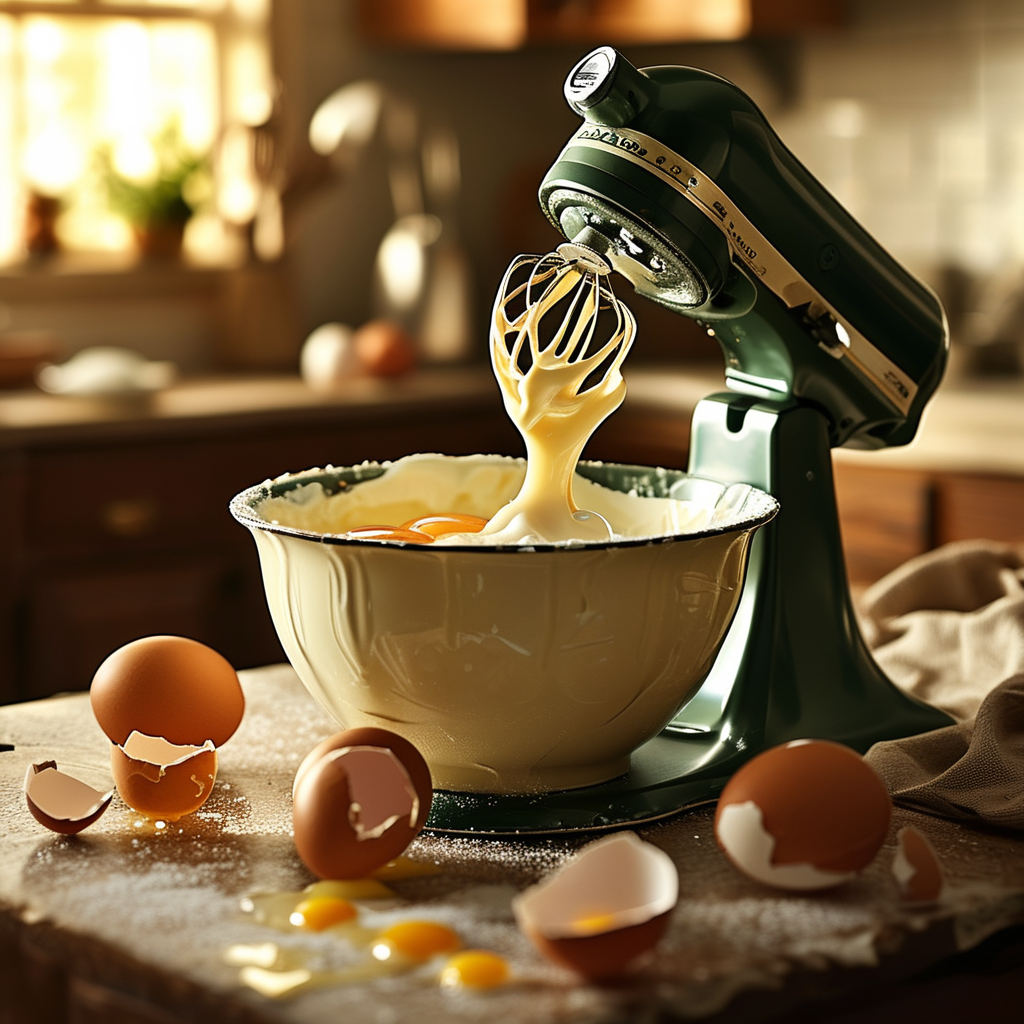
- Add Eggs Gradually: With the mixer on medium-low, add the room-temperature eggs, one at a time. Beat well after each addition, scraping down the sides of the bowl as needed, until fully incorporated before adding the next. This slow incorporation creates a stable emulsion, preventing the batter from separating. For a robust 10 egg pound cake, this step is especially crucial to ensure all eggs are perfectly integrated.
Folding Dry Ingredients: Preventing gluten development for a tender crumb
- Alternate Dry and Liquid: In a separate bowl, whisk together your sifted flour and any other dry ingredients (like salt). With the mixer on low speed, alternately add the dry ingredients and any liquid (like buttermilk) to the butter mixture, beginning and ending with the dry ingredients. Mix just until combined.
- Gentle Folding: Finish mixing by hand with a rubber spatula, folding gently to ensure no pockets of flour remain. Do not overmix! Overmixing develops gluten, leading to a tough, gummy cake, rather than a dense, buttery pound cake.
Baking: Temperature strategies (325°F vs. Cold Oven start)
- Fill Pan: Pour the batter evenly into your prepared tube pan. Smooth the top with a spatula.
- Bake: Bake in the preheated 325°F (160°C) oven for 80-100 minutes, or until a wooden skewer inserted into the center comes out clean. Some bakers prefer a cold oven pound cake start, placing the pan in a cold oven and then setting the temperature to 325°F. This can sometimes promote a slightly higher dome by allowing the cake to gradually heat and rise. However, for consistency, a preheated oven at 325°F is a reliable method.
Expert Tips for the Perfect Crumb
Achieving that coveted perfect crumb requires attention to detail and a few tried-and-true pound cake baking tips.
- Room Temperature Rule: Why cold ingredients ruin the emulsion. This cannot be stressed enough. Cold butter and eggs will not emulsify properly, leading to a curdled batter and a dense, dry, or even collapsed cake. Plan ahead and let them sit out for at least an hour, or even two.
- Don’t Peek: Preventing the dreaded collapse. Resist the urge to open the oven door during the first 60-75 minutes of baking. A sudden rush of cold air can cause the delicate structure to fall, creating a sunken center.
- Testing Doneness: The toothpick test vs. internal temperature (210°F). While a toothpick inserted into the center coming out clean is a good indicator, for absolute certainty, use an instant-read thermometer. The cake is perfectly done when its pound cake internal temperature reaches between 200°F and 210°F (93°C-99°C). This is a game-changer for avoiding over or underbaking.
- Cooling: The importance of letting it set in the pan. Once removed from the oven, let the cake cool in its pan on a wire rack for 15-20 minutes. This allows the cake to finish setting, preventing it from collapsing or breaking when inverted. After this initial cooling, invert it onto a wire rack to cool completely.
Troubleshooting Common Issues
Even experienced bakers encounter challenges. Here’s how to prevent cake from falling and address other common issues.
- Why did my cake fall?
A sunken center is often due to opening the oven door too early, underbaking (not reaching the proper internal temperature), or incorrect leavening (using old baking powder/soda if your recipe calls for it, though classic pound cakes rely on aeration). Ensure your ingredients are at room temperature and avoid overmixing.
- Why is the crust hard or burnt?
A crust that’s too dark or hard can be caused by baking at too high a temperature, using too much sugar, or placing the cake too close to a heating element. Try reducing the oven temperature slightly or loosely tenting the cake with foil once the desired crust color is achieved.
- Why is the texture gummy?
A gummy or rubbery texture is almost always a sign of overmixing the batter. Overmixing develops gluten, leading to a chewy, unpleasant crumb. Mix dry ingredients into wet only until just combined.
Delicious Variations
While a classic Mile High Pound Cake is a masterpiece on its own, it also serves as a fantastic canvas for creative twists. Many of these variations can be adapted from fundamental moist bundt cake secrets, ensuring a delicious and moist outcome every time.
- Lemon Glazed: Add fresh lemon zest to the batter for a bright, citrusy note. A simple glaze made from powdered sugar and fresh lemon juice poured over the cooled cake provides a tangy finish that beautifully complements the rich cake.
- Chocolate Swirl: After pouring about two-thirds of the batter into the pan, swirl in a separate mixture of cocoa powder, a little sugar, and a touch of milk or hot water into the remaining batter. Spoon dollops of the chocolate batter over the plain, then swirl gently with a knife for a beautiful marbled effect.
- Almond Amaretto: Enhance the existing almond notes of a vanilla almond pound cake by adding a tablespoon or two of Amaretto liqueur to the batter, or drizzle an Amaretto-spiked glaze over the top for an extra layer of sophisticated nutty flavor.
Storage and Freezing
Proper storage is essential to maintain the moisture and flavor of your magnificent Mile High Pound Cake.
- Keeping it moist on the counter: Once completely cooled, wrap the pound cake tightly in plastic wrap, then place it in an airtight container or a large zip-top bag. It will stay fresh and moist at room temperature for up to 3-4 days. For an old fashioned pound cake recipe, often the flavor deepens a day after baking.
- Freezing slices vs. the whole cake: Pound cake freezes exceptionally well. For convenience, slice the cake first, wrap individual slices tightly in plastic wrap, then aluminum foil, and store in a freezer-safe bag for up to 3 months. For a whole cake, wrap it securely in several layers of plastic wrap and foil. Thaw slices or the whole cake at room temperature.
- Reviving stale slices (toasting or grilling): If your pound cake is a day or two past its prime, don’t despair! Slices can be lightly toasted in a toaster oven or grilled briefly in a hot pan (perhaps with a pat of butter) until golden and slightly crisp. Serve with fresh berries or ice cream for a delightful treat.
Frequently Asked Questions (FAQs)
Q: What’s the secret to a truly moist pound cake?
A: The secrets to a moist pound cake, often shared among those who master moist bundt cake secrets as well, lie in several factors: using high-quality, room-temperature butter and eggs, creaming the butter and sugar thoroughly to incorporate air, not overmixing the flour, and baking to the correct pound cake internal temperature (200-210°F) to prevent overbaking. A touch of buttermilk can also enhance moisture.
Q: Can I use fewer eggs than a 10 egg pound cake recipe calls for?
A: While a 10 egg pound cake recipe is designed for maximum richness and structure, you can often scale down slightly. However, reducing the egg count too much will impact the cake’s height, moisture, and density. Eggs are crucial for emulsion and structure in pound cakes, so significant changes are not recommended for a “mile high” result. For general pound cake baking tips, always stick to the specified egg quantity for the best outcome.
Q: What are the best pound cake baking tips for a perfect crust?
A: For a golden, evenly browned crust without being tough, ensure your oven temperature is accurate. Proper pan preparation (greasing and flouring thoroughly) also helps. If your crust starts to brown too quickly, you can loosely tent the cake with aluminum foil during the last portion of baking. The cold oven pound cake method can also sometimes lead to a softer crust by allowing the cake to bake more gradually.
Q: How do I ensure my pound cake rises really high?
A: To ensure your pound cake reaches “mile high” status, focus on three key areas:
- Proper Creaming: Beat butter and sugar for 8-10 minutes until very light and fluffy.
- Room Temperature Ingredients: Especially butter and eggs for a stable emulsion.
- The Right Pan: Use a heavy-gauge, tall tube pan, considered the best tube pan for baking these towering cakes, ensuring it’s properly greased and floured.
Classic Mile High Pound Cake
Ingredients
- 2 cups unsalted butter softened to room temperature (1 lb)
- 3 cups granulated sugar sifted
- 6 large eggs room temperature
- 4 cups all-purpose flour sifted twice
- 3/4 cup whole milk room temperature
- 1 tsp baking powder
- 1/2 tsp salt
- 1 tsp vanilla extract pure
- 1 tsp almond extract optional
Instructions
- Preheat oven to 325°F (165°C). Thoroughly grease a large 12-cup tube or Bundt pan with shortening and dust with flour, tapping out excess.
- In the bowl of a stand mixer fitted with the paddle attachment, cream the softened butter on medium speed until smooth.
- Gradually add the granulated sugar to the butter, beating on medium-high speed for 8-10 minutes until the mixture is very pale, light, and fluffy. Scrape down the sides of the bowl often.
- Add the eggs one at a time, beating well after each addition until fully incorporated. Do not rush this step.
- In a separate bowl, sift together the flour, baking powder, and salt.
- Reduce mixer speed to low. Add the flour mixture alternately with the milk, starting and ending with the flour (3 additions of flour, 2 of milk). Mix only until just combined; do not overmix.
- Stir in the vanilla and almond extracts.
- Pour the batter into the prepared pan and smooth the top with a spatula. Tap the pan on the counter once to release large air bubbles.
- Bake for 80-90 minutes, or until a long skewer inserted into the thickest part of the cake comes out clean or with a few moist crumbs.
- Cool the cake in the pan on a wire rack for 20 minutes, then invert onto the rack to cool completely before slicing.
For more daily recipes and tips, follow us on Facebook!
Click here to join our community!