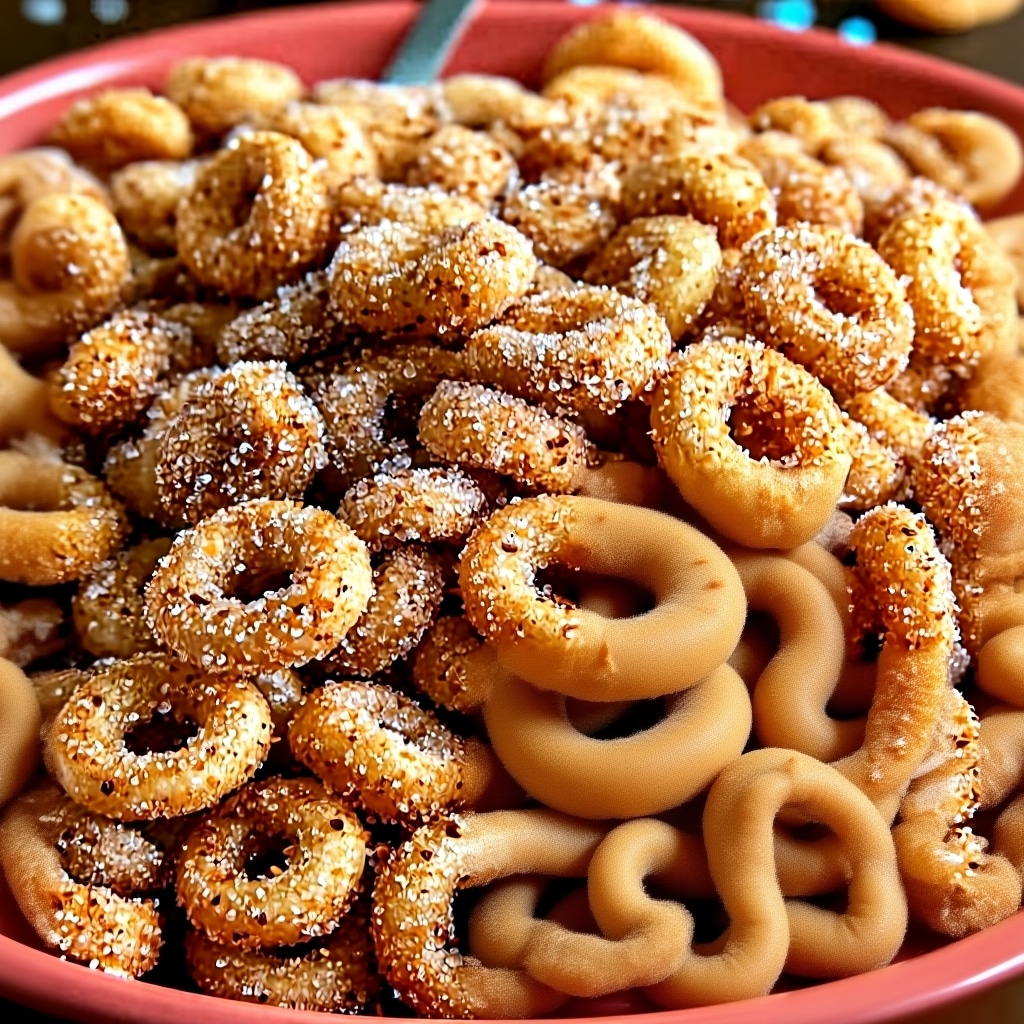
The Ultimate Guide to Making Nostalgic Sugar-Coated Doughnut Rings
There’s something uniquely comforting about a warm, homemade doughnut. It’s more than just a sweet treat; it’s a portal to cherished memories – chilly movie nights, bustling family breakfasts, or the simple joy of Mama’s kitchen filled with the aroma of freshly fried dough. Forget the store-bought versions; today, we’re embarking on a delightful culinary journey to create the most perfectly fluffy, sweet, and utterly satisfying Sugar-Coated Doughnut Rings right in your own home. This isn’t just a recipe; it’s an invitation to craft new family traditions with these delightful Sugar-Coated Doughnut Rings. Our easy-to-follow guide will walk you through how to make doughnuts from scratch, ensuring a rewarding experience and irresistible warm fluffy doughnuts every single time. Get ready to embrace the magic of an authentic yeast doughnut recipe!
Why You’ll Fall in Love with This Recipe
Once you experience the joy of biting into a freshly made doughnut, there’s no turning back. Here’s why this particular homemade doughnut recipe will become your new favorite:
- Incredibly Fluffy & Airy: Unlike denser cake varieties, our yeast doughnut recipe yields a delightfully light, melt-in-your-mouth texture. These aren’t just any fried dough recipe; they’re pillowy clouds of sweetness.
- Simple, Pantry-Staple Ingredients: No need for exotic items! You’ll find everything you need – flour, sugar, yeast, milk, butter, and eggs – right in your pantry, making this a truly simple doughnut recipe.
- A Taste of Nostalgia: Beyond being a delicious breakfast pastry, these Sugar-Coated Doughnut Rings evoke a powerful sense of cozy, old-fashioned doughnuts. It’s a taste of comfort and home.
- Completely Customizable: While the classic cinnamon-sugar coating is the star, we’ll hint at other delightful doughnut coating ideas to inspire your creativity.
- Way Better Than Store-Bought: The freshness, warmth, and unparalleled flavor of frying homemade Sugar-Coated Doughnut Rings at home simply can’t be matched by anything from a grocery shelf. You’ll understand why this is the best fluffy doughnut recipe!
Understanding Your Ingredients: The Building Blocks of a Perfect Doughnut
Every ingredient plays a vital role in creating perfectly light and tender Sugar-Coated Doughnut Rings. Understanding their function empowers you to become a better baker.
The Dough
- All-Purpose Flour: The foundation of our doughnut dough recipe. Its moderate protein content is ideal for achieving a tender yet structured crumb. Always spoon and level your flour for accuracy.
- Active Dry Yeast: The leavening agent responsible for those beautiful bubbles and that signature fluffiness. We’ll show you how to properly activate (or “proof”) it, ensuring your dough rises beautifully.
- Whole Milk: Adds essential richness and moisture, contributing to a wonderfully tender crumb. Warming it to the correct temperature is crucial for activating the yeast.
- Granulated Sugar: Not just for sweetness! It feeds the yeast, aiding in fermentation, and adds a subtle sweetness to the doughnut dough itself.
- Unsalted Butter: Infuses the dough with incredible flavor and richness, resulting in a soft, luxurious texture. Ensure it’s softened for easy incorporation.
- Egg: Acts as a binder, adding structure, moisture, and a lovely golden hue to the finished doughnuts.
- Salt: A seemingly small but mighty ingredient that balances all the sweet flavors and regulates yeast activity, preventing over-proofing.
The Frying Medium
- Neutral Oil: For achieving that perfect golden exterior and fully cooked interior without imparting unwanted flavors. Canola, vegetable, or peanut oil are your best choices due to their high smoke points and clean taste. This is key for easy fried doughnuts.
The Signature Coating
- Granulated Sugar or Sugar Crystals: Provides the irresistible crunchy texture and sparkling finish of classic sugared donuts.
- Ground Cinnamon: The timeless partner to sugar, adding a warm, aromatic spice that elevates the entire experience of cinnamon sugar doughnuts.
Essential Kitchen Tools & Equipment
Having the right tools makes the process of frying these classic Sugar-Coated Doughnut Rings at home much smoother and more enjoyable:
- Stand Mixer (with dough hook attachment) or a large mixing bowl for kneading.
- Rolling Pin for evenly flattening the dough.
- Doughnut Cutter (or two round cutters of different sizes: one 3-inch, one 1-inch) to create perfect doughnut rings recipe shapes.
- Large, heavy-bottomed pot or Dutch oven for safe and effective frying.
- Deep-fry Thermometer: Critically important for maintaining optimal oil temperature and preventing greasy or undercooked doughnuts.
- Slotted Spoon or Spider Strainer for safely handling doughnuts in hot oil.
- Wire Cooling Rack (placed over paper towels) for draining excess oil.
- Parchment Paper: Essential for preventing sticky dough and easy transfer of proofed doughnuts to the oil.
How to Make Sugar-Coated Doughnut Rings: A Step-by-Step Guide
Get ready to create some of the best sweet treats you’ve ever tasted! This guide will walk you through every step of making these delicious Sugar-Coated Doughnut Rings, from scratch.
Step 1: Making and Kneading the Dough
In a large bowl, or the bowl of your stand mixer, gently warm the whole milk to about 105-115°F (40-46°C). Sprinkle the active dry yeast over the milk, along with a pinch of granulated sugar. Let it sit for 5-10 minutes until foamy, indicating the yeast is active. If it doesn’t foam, your yeast may be expired or the milk temperature was off, and you should start again. Add the softened butter, egg, remaining sugar, and salt to the yeast mixture. Gradually add the all-purpose flour, mixing on low speed with a dough hook (or by hand with a wooden spoon) until a shaggy dough forms. Increase speed to medium-low and knead for 7-10 minutes (or 10-15 minutes by hand) until the dough is smooth, elastic, and passes the “windowpane test” (you can stretch a small piece thin enough to see light through it without tearing). This forms the foundation of our fluffy doughnut recipe, leading to perfect Sugar-Coated Doughnut Rings.
Step 2: The First Rise (Bulk Fermentation)
Lightly grease a large bowl with a little neutral oil. Transfer the kneaded doughnut dough recipe to the bowl, turning it once to coat. Cover the bowl tightly with plastic wrap or a clean kitchen towel. Place it in a warm, draft-free spot (like a slightly warmed oven turned off) and let it rise until doubled in size, typically 1 to 2 hours. This crucial step develops the dough’s flavor and texture.
Step 3: Shaping the Doughnut Rings
Once risen, gently punch down the dough to release the air. Lightly flour a clean work surface and your rolling pin. Roll out the dough to an even ½-inch thickness. Using a 3-inch doughnut cutter (or a large round cutter), cut out the doughnut rings. Then, use a 1-inch cutter to remove the centers. Carefully transfer the cut doughnut rings recipe and holes to parchment-lined baking sheets, leaving some space between each. Gather any dough scraps, gently re-knead them once, roll out, and cut more doughnuts.
Step 4: The Second Rise (Proofing)
Cover the baking sheets with a light kitchen towel or plastic wrap. Let the doughnuts proof in a warm place for another 30-45 minutes, or until they look noticeably puffy and lighter. This second rise is shorter but equally important for achieving that airy texture. Do not over-proof, as this can lead to greasy doughnuts.
Step 5: Frying to Golden Perfection
Pour about 2-3 inches of neutral oil into a large, heavy-bottomed pot or Dutch oven. Attach your deep-fry thermometer to the side. Heat the oil over medium heat until it reaches a consistent temperature of 350-360°F (175-180°C). This is the best oil for frying doughnuts, ensuring perfect results. Carefully slide 2-3 doughnuts (don’t overcrowd!) into the hot oil using the parchment paper as a sling, then gently remove the paper. Fry for 1-2 minutes per side, or until beautifully golden brown. The doughnut holes will fry even faster, about 30-60 seconds per side. Use a slotted spoon or spider strainer to remove the fried dough recipe from the oil, allowing excess oil to drip off, then transfer them to a wire rack set over paper towels to drain briefly.
Step 6: The Sweet Sugar Coating
While the doughnuts are still warm (but not scalding hot), prepare your signature coating. In a shallow dish, combine 1 cup granulated sugar with 1 tablespoon ground cinnamon for classic cinnamon sugar doughnuts. Roll each warm doughnut generously in the mixture, ensuring it’s evenly coated. The warmth helps the sugar adhere perfectly, creating delicious sugar-dusted donuts. Arrange your freshly coated Sugar-Coated Doughnut Rings on a serving platter and prepare for pure delight!

Pro Tips for Flawless Homemade Doughnuts
Achieving perfect easy fried doughnuts at home, especially these sweet Sugar-Coated Doughnut Rings, is easier with these expert insights:
- Monitor Oil Temperature Religiously: A deep-fry thermometer is your best friend. Oil that’s too hot will burn the outside before the inside cooks, while oil that’s too cool will lead to greasy doughnuts that absorb too much oil. Aim for 350-360°F (175-180°C).
- Don’t Over-proof the Dough: While rising is essential, over-proofed doughnuts can collapse when fried and absorb excess oil, resulting in a dense, oily texture. Keep an eye on them during the second rise.
- Handle with Care: Be gentle when transferring proofed doughnuts to the hot oil. Avoid deflating them, as this will compromise their fluffy texture.
- Fry the Doughnut Holes! Never discard the centers! They fry up into delightful, bite-sized mini-doughnuts – perfect for a quick taste test or an extra sweet treat.
- Work in Batches: Frying too many doughnuts at once will drop the oil temperature significantly. Work in small batches to maintain consistent heat and ensure even cooking.
Variations and Topping Ideas
While the classic Sugar-Coated Doughnut Rings are unbeatable, feel free to get creative with these doughnut coating ideas:
- Classic Powdered Sugar: A timeless alternative. Simply dust warm doughnuts with confectioners’ sugar for elegant sugar-dusted donuts.
- Simple Vanilla Glaze: Whisk together 2 cups powdered sugar, 3-4 tablespoons milk, and 1 teaspoon vanilla extract until smooth. Dip warm doughnuts for a glossy finish.
- Chocolate Glaze: Melt ½ cup chocolate chips with 2 tablespoons milk and 1 tablespoon butter. Whisk until smooth and dip warm doughnuts.
- Spiced Sugar: Add a pinch of nutmeg, cardamom, or even a touch of pumpkin pie spice to your cinnamon-sugar mix for an aromatic twist.
How to Store and Reheat Your Doughnuts
While these sweet treats are undeniably best enjoyed fresh and warm, you can certainly store any leftovers.
- Best Eaten Fresh: For the ultimate experience, devour your Sugar-Coated Doughnut Rings within hours of frying. The warmth and texture are unparalleled.
- Storing Leftovers: Store cooled doughnuts in an airtight container at room temperature for up to 2 days. The coating might become slightly less crisp, but they’ll still be delicious.
- How to Reheat: For a quick refresh, microwave individual doughnuts for 10-15 seconds. This softens them and brings back a touch of warmth.
Frequently Asked Questions (FAQ)
Got questions about making the perfect homemade doughnut recipe? We’ve got answers!
What is the best oil for frying doughnuts?
For frying doughnuts at home, neutral oils with high smoke points are best. Options like canola oil, vegetable oil, or peanut oil are ideal. They won’t impart unwanted flavors and can withstand the high temperatures required for frying.
Can I make these doughnuts in an air fryer or oven?
This specific yeast doughnut recipe is designed for deep-frying to achieve its signature light, airy, and fluffy texture. While you can bake or air fry dough, the result will be much denser and more bread-like, not the classic fried dough recipe experience we’re aiming for with these Sugar-Coated Doughnut Rings.
Why are my doughnuts greasy or oily?
The most common reason for greasy doughnuts is the oil temperature being too low. If the oil isn’t hot enough (below 350°F / 175°C), the doughnuts will absorb too much oil rather than cooking quickly and sealing the exterior. Always use a deep-fry thermometer!
Why didn’t my dough rise?
Several factors can prevent your dough from rising: expired yeast, milk/water that was too hot (killing the yeast) or too cold (inhibiting activation), or a kitchen environment that is too cold for optimal proofing. Ensure your yeast is fresh and your liquids are within the recommended temperature range.
How do I know when the doughnuts are fully cooked?
Besides their beautiful golden-brown color, a good indicator is to sacrifice one doughnut from the first batch. Tear it open; the inside should be cooked through, light, and airy, with no raw dough visible. Adjust frying time slightly for subsequent batches if needed.
Conclusion: Your New Favorite Cozy Treat
There’s truly nothing quite like the experience of making and enjoying warm, fluffy doughnuts straight from your kitchen. This homemade doughnut recipe for Sugar-Coated Doughnut Rings is a simple yet deeply satisfying way to bring joy to your home. With our comprehensive guide, you now have all the tools and knowledge to create these classic fried cakes whenever the craving for sweet treats strikes. So, roll up your sleeves, embrace the process of how to make doughnuts from scratch, and prepare to be delighted. Don’t forget to share your creations with us in the comments below!
“`
For more daily recipes and tips, follow us on Facebook!
Click here to join our community!