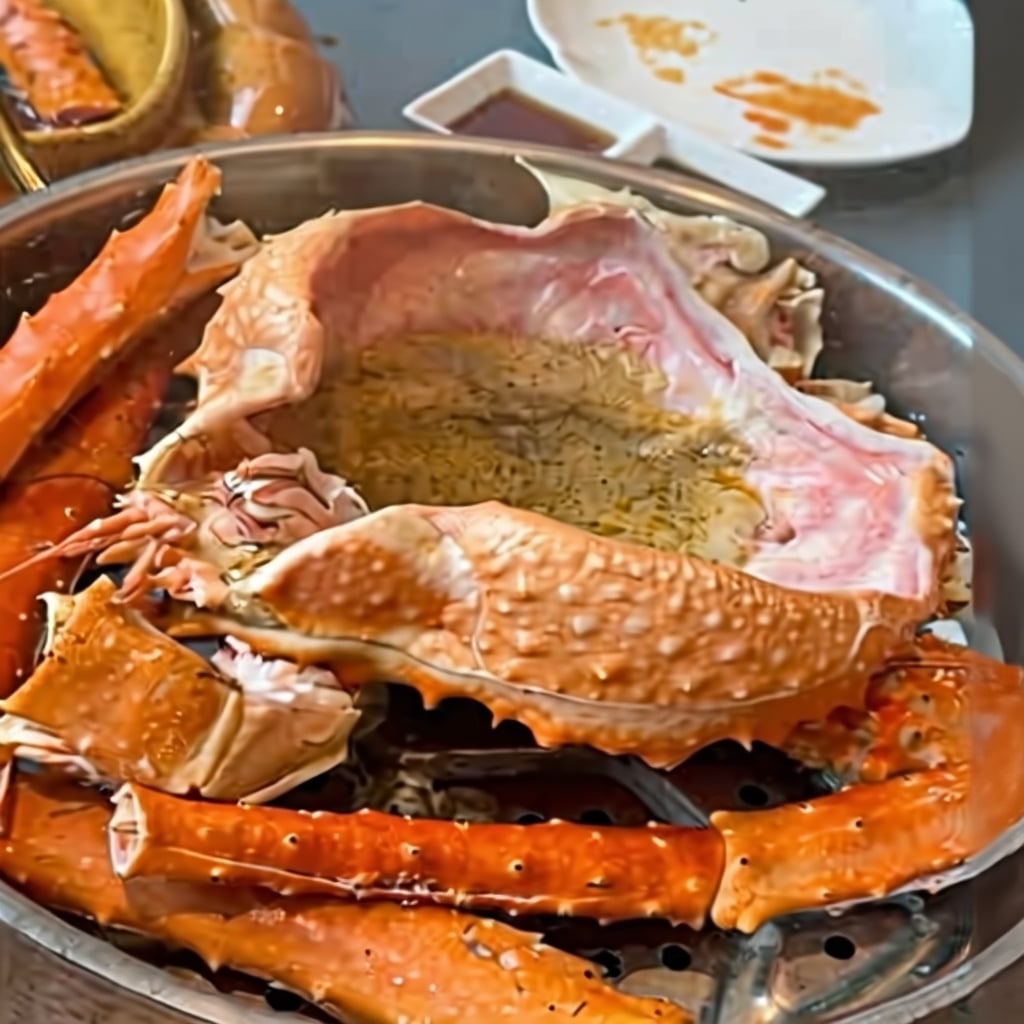
Welcome, seafood aficionados! Prepare to embark on a culinary journey into the world of pure indulgence with Steamed King Crab. Few dishes command attention quite like the majestic King Crab, renowned for its impressively large, succulent legs brimming with sweet, tender meat. This isn’t just a meal; it’s an experience, a celebration of the ocean’s finest bounty.
While there are various methods for preparing this regal crustacean, we firmly believe that steaming is the superior technique. Why? Steaming gently cooks the crab, preserving its delicate flavor and natural moisture far better than boiling, which can dilute its essence. It’s the secret to achieving that perfectly tender, flaky meat every time. In this ultimate guide, we’ll walk you through everything you need to know to master how to cook king crab legs, from selecting the best specimens to crafting the perfect dipping sauces and enjoying every last morsel.
Buying the Best King Crab
Fresh vs. Frozen: Understanding What’s Available
When you’re looking to purchase King Crab, it’s important to understand the market. Most “fresh” king crab legs you find, especially outside of Alaska, have actually been cooked and flash-frozen shortly after being caught. This is done to preserve their freshness and quality during transportation. Truly raw, “fresh” king crab is a rarity for most home cooks, typically only available directly from fishermen in specific regions. Don’t shy away from frozen – it’s often the best way to enjoy high-quality crab, ensuring that sweet, oceanic flavor is locked in until it reaches your kitchen.
Red vs. Golden vs. Blue: Flavor Profile Differences
King crab isn’t just one species; there are several, each with unique characteristics. The most common varieties you’ll encounter are:
- Red King Crab: This is the superstar, the variety most people picture when they think of “King Crab.” It boasts the sweetest meat, firm texture, and vibrant red shells when cooked. Many consider red king crab vs golden to be the top choice for its superior flavor.
- Golden King Crab: With a slightly milder flavor and a more delicate texture than its red counterpart, golden king crab offers a beautiful alternative. Its shell turns a golden-orange hue when cooked.
- Blue King Crab: Less common than red or golden, blue king crab has a rich flavor profile similar to red king crab but is known for its subtly sweeter undertones and denser meat.
Whole vs. Legs: Handling the Carapace and Roe
While king crab legs are the most common purchase, some adventurous cooks might find whole king crab. Cooking a whole crab means you get to experience the full range of flavors, including the rich, buttery meat from the body and knuckles, and potentially the delicate crab roe (eggs) and tomalley (liver). If you opt for whole crab, be prepared for more involved cleaning and preparation due to the carapace (shell) and internal organs. For simplicity and maximizing delicious meat, legs are generally preferred for a fresh king crab recipe at home.
Preparation Before Steaming
Thawing Properly: The Refrigerator Method vs. Cold Water Method
Proper thawing is crucial for maintaining the quality and texture of your king crab, especially when steaming frozen crab legs.
- The Refrigerator Method (Recommended): For the best results, transfer your frozen king crab legs to the refrigerator 24-48 hours before you plan to cook them. This slow, gradual thaw ensures the meat remains tender and succulent.
- The Cold Water Method (Faster): If you’re short on time, place the crab legs in a sealed plastic bag and submerge them in a sink or large bowl of cold water. Change the water every 30 minutes to keep it cold. This method typically thaws crab in 1-2 hours, depending on the amount. Avoid hot water, as it can prematurely cook and toughen the outer layers of the meat.
Cleaning: Scrubbing the Shell and Trimming Sharp Spines
Once thawed, give your king crab legs a quick rinse under cold running water. While king crab is generally very clean, a gentle scrub with a brush can remove any lingering debris from the shell. King crab legs also have sharp spines, especially on the underside. Carefully trim these with kitchen shears to prevent accidental pokes while handling and eating.
Preparing the Steamer: Water Levels and Aromatics
The right steamer setup is key for perfect steamed king crab. You’ll need a large pot with a tight-fitting lid and a steamer basket or rack that sits above the waterline.
- Water Level: Fill the bottom of your pot with about 1-2 inches of water. Ensure the water level is below the bottom of your steamer basket, so the crab isn’t submerged.
- Aromatics (Optional, but Recommended): Elevate your steamed king crab by infusing the steam with aromatics. Add slices of fresh ginger, scallion whites, a bay leaf, or even a splash of white wine or beer to the water. These subtle additions will impart a wonderful fragrance to the crab without overpowering its natural sweetness.
Step-by-Step Steaming Instructions
Getting the timing right is critical for perfectly cooked king crab. Remember, most king crab legs sold frozen are already fully cooked, so your goal is usually to reheat them gently.
Timing for Frozen Pre-cooked Legs (Reheating)
- Bring the water in your steamer pot to a rolling boil over high heat.
- Carefully place the thawed (or partially thawed) king crab legs into the steamer basket. Arrange them in a single layer if possible, or stack them loosely to allow steam to circulate.
- Cover the pot tightly with the lid.
- Reduce the heat to medium-high and steam for about 6-8 minutes for thawed legs, or 8-10 minutes for partially frozen legs. The goal is to heat them through without overcooking.
Timing for Fresh/Raw King Crab
If you’re fortunate enough to acquire raw king crab, the cooking time will be slightly longer. This is your chance to truly experience a fresh king crab recipe from scratch.
- Bring the water in your steamer pot to a rolling boil over high heat, with your chosen aromatics.
- Place the raw king crab legs into the steamer basket.
- Cover the pot tightly.
- Reduce heat to medium-high and steam for approximately 10-12 minutes for raw legs, or until the visual cues for doneness are met. Whole raw crabs will take longer, usually 15-20 minutes depending on size. This ensures proper steamed crab time.
Visual Cues for Doneness
Whether reheating or cooking raw, the visual cues for doneness are fairly consistent:
- Bright Orange/Red Shell: The shell should be a vibrant, uniform orange-red color.
- Pearly White Meat: A peek inside a cracked leg should reveal opaque, pearly white meat that is firm but still tender. Overcooked crab meat will be stringy and dry.
“Perfectly steamed king crab is a symphony of flavor and texture. Don’t rush it, but don’t overcook it – finding that sweet spot is the key to culinary bliss.” – Chef Marina Rossi
The Art of Dipping Sauces
While the sweet meat of Steamed King Crab is glorious on its own, the right dipping sauce can elevate the experience to new heights. Forget plain butter; let’s explore some sophisticated pairings.
Classic Drawn Butter: Garlic, Lemon, and Herbs
A simple, yet utterly essential, accompaniment. This isn’t just melted butter; it’s a fragrant seafood butter sauce designed to complement, not overpower, the crab’s natural sweetness.
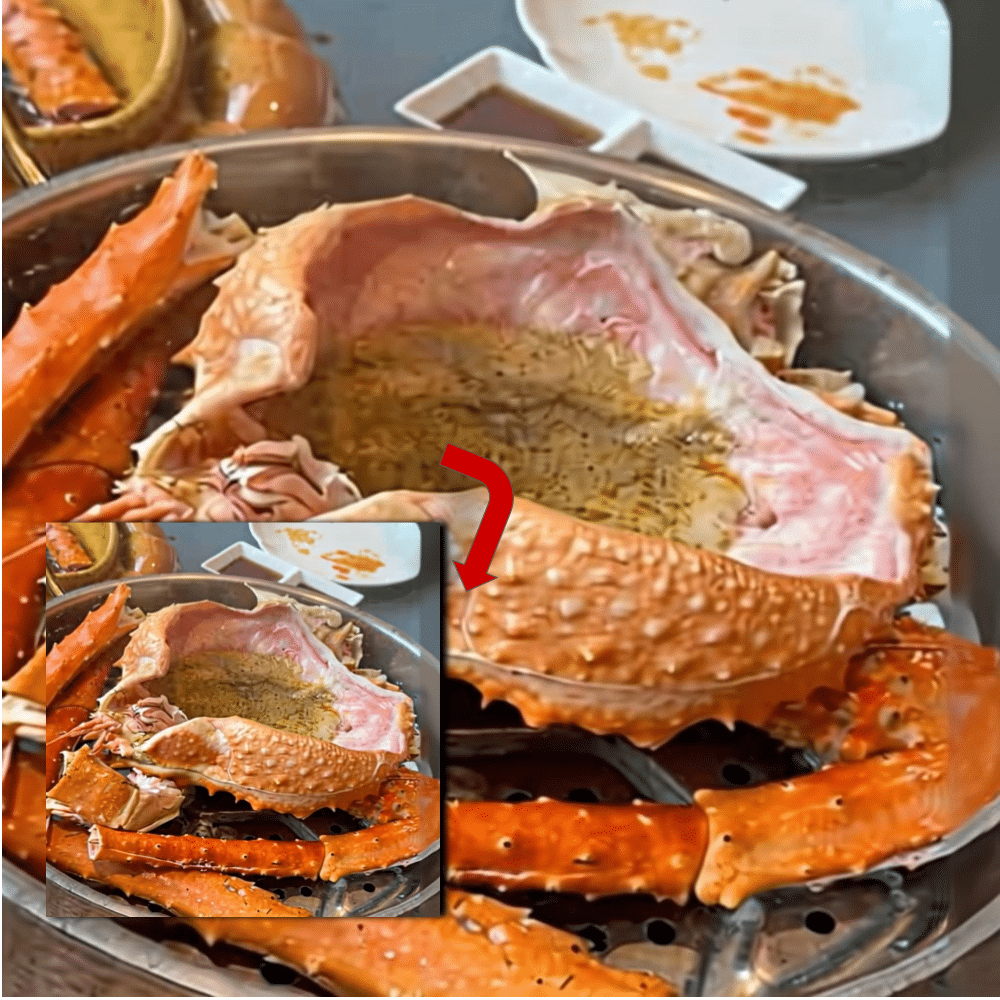
- Gently melt 1 stick (1/2 cup) unsalted butter in a small saucepan over low heat.
- Skim off any foam that rises to the top.
- Add 1-2 minced garlic cloves, a squeeze of fresh lemon juice, and a pinch of fresh chopped parsley or chives.
- Keep warm over very low heat or in a small fondue pot.
Asian Vinaigrette (For Roe): Black Vinegar and Ginger Pairing
For those enjoying whole crab or exploring crab roe preparation, an Asian-inspired dipping sauce offers a zesty counterpoint.
- Whisk together 2 tablespoons of Chinkiang black vinegar (or rice vinegar), 1 tablespoon soy sauce, 1 teaspoon finely grated fresh ginger, 1/2 teaspoon sesame oil, and a pinch of sugar.
- Garnish with a sprinkle of thinly sliced scallions or toasted sesame seeds. This Asian crab dipping sauce is particularly exquisite with the rich, creamy roe.
Spicy Mayo: A Modern Twist
For a contemporary kick, a creamy spicy mayo adds a delightful warmth and tang.
- Combine 1/2 cup good quality mayonnaise, 1-2 tablespoons sriracha (or your favorite hot sauce, adjusted to taste), 1 teaspoon lime juice, and a pinch of garlic powder.
- Mix well until smooth. This makes for a fantastic king crab dipping sauce.
How to Eat King Crab Like a Pro
Don’t let the formidable shell intimidate you. Eating king crab is part of the fun!
Tools Needed: Crackers, Shears, and Picks
- Crab Crackers: Essential for breaking open the thicker parts of the shell.
- Kitchen Shears: Ideal for cutting along the length of the legs, making extraction much easier.
- Seafood Picks or Small Forks: Perfect for coaxing out those stubborn bits of meat from crevices.
Extracting Meat from the Legs vs. the Knuckles
- Legs: Use kitchen shears to cut lengthwise along one side of the leg. Gently open the shell and pull out the cylinder of sweet meat. Alternatively, you can snap the leg into smaller sections and use a cracker.
- Knuckles: The knuckle joints, where the legs attach to the body, often hold some of the most flavorful and tender meat. Use a cracker to gently break them open, then use a pick to extract the meat.
Enjoying the Crab Roe (If Cooking Whole)
If you’ve cooked a whole king crab, you might find the delicate, orange crab roe inside the carapace. This is a true delicacy! The roe should be thoroughly cooked (bright orange and firm). It has a rich, slightly briny flavor and a unique texture. Scoop it out and enjoy it plain, with a squeeze of lemon, or with the Asian vinaigrette for an authentic experience.
Serving Suggestions & Sides
Completing your Steamed King Crab feast with thoughtful sides and drinks enhances the entire meal.
Light Salads to Cut the Richness
A crisp, refreshing salad provides a welcome contrast to the richness of the crab. Consider a simple green salad with a citrus vinaigrette, or a crunchy cucumber and tomato salad. The acidity helps cleanse the palate and prepares you for the next succulent bite.
Corn on the Cob and Roasted Potatoes
Classic companions for a reason! Sweet corn on the cob (steamed or grilled) and tender roasted potatoes (perhaps seasoned with garlic and rosemary) are hearty, comforting sides that perfectly round out a seafood boil or crab dinner. They absorb the flavors beautifully and create a satisfying spread.
Wine Pairings: Chardonnay or Riesling
For wine lovers, the right pairing can elevate the crab’s flavors.
- Chardonnay (unoaked or lightly oaked): A crisp, unoaked Chardonnay offers notes of green apple and citrus that complement the crab’s sweetness without overpowering it. If you prefer a touch of oak, ensure it’s subtle, providing a creamy texture rather than dominant butteriness.
- Riesling (dry or off-dry): A dry Riesling, with its vibrant acidity and mineral notes, is a fantastic choice, especially if you’re using a spicier dipping sauce. An off-dry Riesling can also beautifully echo the natural sweetness of the crab.
Frequently Asked Questions
Can I steam crab without a steamer basket?
Absolutely! If you don’t have a dedicated steamer basket, you can improvise. A colander placed inside a larger pot with a lid works well. Alternatively, you can create a makeshift rack using crumpled aluminum foil balls or heat-safe small bowls at the bottom of the pot, just enough to elevate the crab above the water line. The key is to ensure the crab isn’t sitting directly in the boiling water but is suspended above it to be cooked by the steam.
How do I know if the roe is cooked?
If you’re cooking a whole, raw king crab, the roe (if present) will transform from a translucent, gelatinous texture to a firm, opaque, bright orange or coral color when fully cooked. It should be thoroughly heated through, much like the crab meat itself. If the roe still appears gooey or dark, it needs more cooking time.
Reheating leftovers without drying them out.
The best way to reheat Steamed King Crab leftovers is to steam them again for a very short period. Place the crab legs in a steamer basket over boiling water and steam for only 3-5 minutes, just until heated through. You can also wrap them loosely in foil with a splash of water and bake at 350°F (175°C) for 10-15 minutes. Avoid the microwave, as it tends to dry out the delicate meat and can make it rubbery.
Mastering the art of Steamed King Crab is a truly rewarding endeavor. With these tips and techniques, you’re now equipped to prepare a dish that’s not just food, but a luxurious centerpiece that will impress and delight. Embrace the journey of flavors and textures, and savor every exquisite bite of this magnificent crustacean.
For more mouth-watering seafood recipes, cooking tips, and culinary inspiration, be sure to follow our page! Find us on Facebook by searching for “https://www.facebook.com/profile.php?id=61568538666337” and join our community of food lovers today!
Restaurant-Style Steamed King Crab with Duo Sauces
Ingredients
- 3-4 lbs King Crab legs (or 1 large whole King Crab) Thawed if frozen
- 2 cups Water For steaming
- 3 slices Fresh Ginger Optional, for steaming water aromatics
- 1 stick Unsalted Butter Melted (Sauce 1)
- 2 cloves Garlic Minced (Sauce 1)
- 1 tbsp Lemon Juice Freshly squeezed (Sauce 1)
- 2 tbsp Chinkiang Black Vinegar Or balsamic vinegar (Sauce 2)
- 1 tsp Ginger Finely julienned (Sauce 2)
Instructions
- If using frozen crab legs, thaw them in the refrigerator overnight or run under cold water until pliable. If using a whole live crab, scrub the shell clean.
- Prepare the steamer: Fill a large pot with about 2 inches of water. Add the ginger slices and scallions (if using) to the water to infuse a subtle aroma. Bring to a rolling boil.
- Place the crab legs (or whole crab) into the steamer basket. If using a whole crab, place it shell-side down to retain the juices and roe inside the carapace.
- Cover tightly with a lid. Steam for 6-8 minutes for thawed/pre-cooked legs (just to heat through). If cooking raw/fresh crab, steam for 10-12 minutes depending on size.
- While steaming, prepare the sauces. For the Garlic Butter: Combine melted butter, minced garlic, and lemon juice in a small bowl. Salt to taste.
- For the Vinegar Dip (best for roe): Mix the Chinkiang vinegar with the julienned ginger and a pinch of sugar.
- Remove crab from the steamer immediately to prevent overcooking. Serve hot with the dipping sauces.
For more daily recipes and tips, follow us on Facebook!
Click here to join our community!