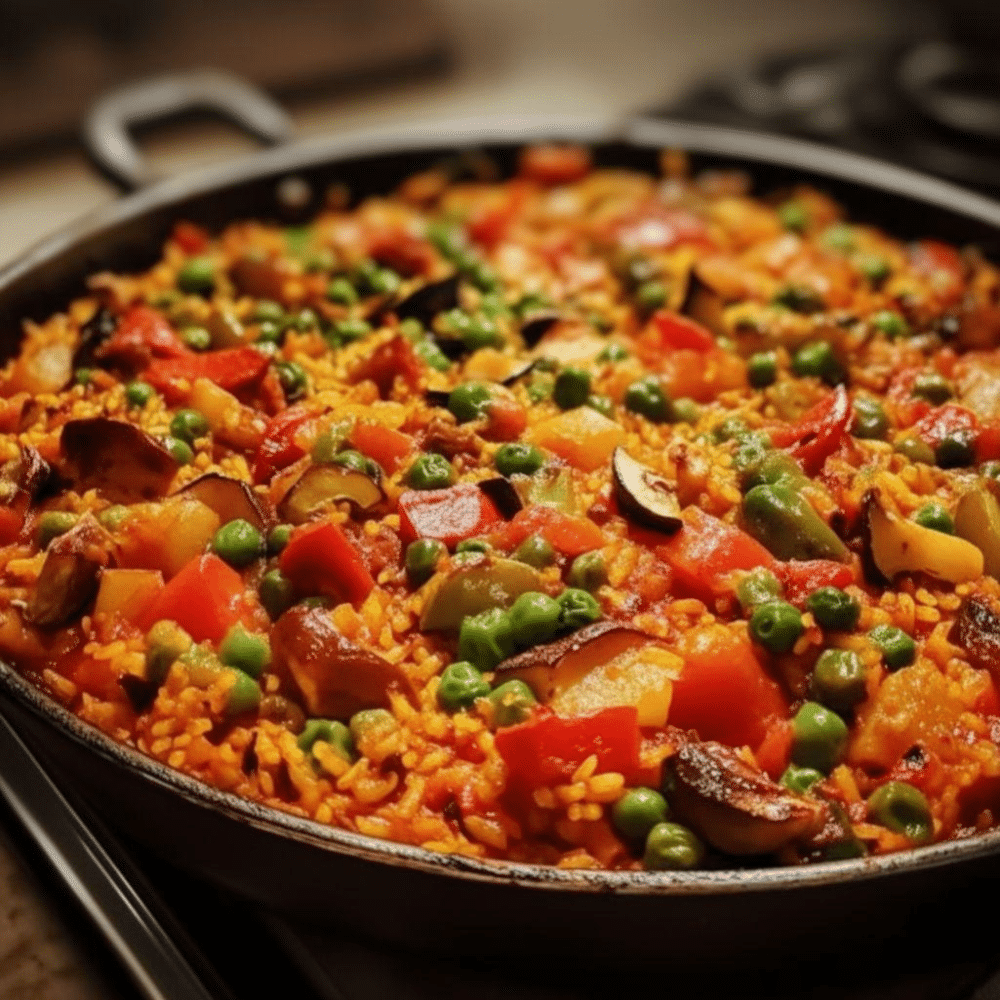
There’s something truly magical about Spanish cuisine, a vibrant tapestry of flavors, aromas, and traditions that instantly transports you to sun-drenched plazas and lively kitchens. Among its many culinary jewels, paella stands supreme, a dish that embodies communal joy and culinary artistry. While often associated with seafood or meat, the often-overlooked Spanish Vegetable Paella is a masterpiece in its own right – a celebration of garden-fresh produce, aromatic spices, and perfectly cooked rice.
Imagine a symphony of colors: ruby red peppers, emerald green beans, bright peas, and the golden hue of saffron-infused rice, all coming together in one glorious pan. This isn’t just a meal; it’s an experience, a journey to the heart of Spain from your very own kitchen. Get ready to discover the secrets to crafting a truly authentic and unforgettable version of this beloved classic.
Why You’ll Love This Dish
This vegetarian take on paella is a revelation, bursting with freshness and deep, savory flavors. It’s a wonderful vegetarian Spanish dish that showcases the bounty of the earth, proving that you don’t need meat to create something incredibly satisfying and complex. Each spoonful delivers a delightful combination of tender vegetables, fragrant spices, and the unique texture of expertly cooked rice.
Beyond its incredible taste, this paella is also a fantastic option for various dietary needs. With just a few simple adjustments, it easily becomes a robust and delicious vegan paella recipe, perfect for plant-based eaters who crave rich, comforting flavors. It’s a dish that gathers people around the table, fostering conversation and connection, making it ideal for family dinners, gatherings with friends, or a special weekend meal.
“Paella isn’t just food; it’s a cultural experience. The sizzle in the pan, the aroma filling the air, the shared moments around the table – it’s all part of what makes it so special.”
Essential Ingredients
The beauty of this paella lies in the quality and freshness of its components. While the star is undoubtedly the rice, the supporting cast of vegetables and spices plays an equally crucial role in building the layers of flavor that define authentic paella.
You’ll want a colorful array of vegetables: think sweet red peppers, robust green beans, tender artichoke hearts, sweet peas, and perhaps some finely chopped carrots or zucchini. A good quality olive oil is non-negotiable, forming the base for your sofrito. And, of course, the spices are where the magic truly happens.
Choosing the Right Rice
This is perhaps the most critical component. For an authentic paella, you simply cannot use just any rice. You need a short-grain paella rice that can absorb a tremendous amount of liquid and flavor without becoming mushy. The undisputed champion in this category is Bomba rice.
Bomba rice, often called “the king of rices,” has an incredible ability to swell to two or three times its original size, absorbing all the delicious broth and spices while still holding its individual grain structure. This unique characteristic is what gives paella its signature texture. If Bomba rice is unavailable, look for other Spanish short-grain varieties like Calasparra or even Arborio in a pinch, though they won’t quite replicate the Bomba experience.
The Importance of Saffron and Smoked Paprika
These two spices are the heart and soul of the paella’s flavor and color profile, making them quintessential authentic vegetable paella ingredients. Don’t skimp on them!
- Saffron: These delicate crimson threads are prized for their subtle, honey-like aroma and their ability to impart that iconic golden hue to the rice. A pinch of good quality saffron, bloomed in a little warm broth, will create that stunning saffron infused rice that is a hallmark of true paella.
- Smoked Paprika (Pimentón Ahumado): This isn’t just any paprika; it’s Spanish smoked paprika, available in sweet (dulce), bittersweet (agridulce), and hot (picante) varieties. Its deep, smoky flavor is absolutely essential, adding an incredible depth and warmth to the dish that regular paprika simply cannot.
Step-by-Step Instructions
Making paella might seem intimidating, but by following these steps, you’ll master it. Remember, paella is as much about patience as it is about ingredients.
Creating the Sofrito Base
The sofrito is the flavor foundation of your paella. It’s a slow-cooked aromatic base that provides incredible depth.
- Heat a generous amount of good quality olive oil in your paella pan (a 16-inch pan is ideal for a 4-6 serving recipe) over medium heat.
- Add finely chopped onion and sauté gently until translucent, about 5-7 minutes.
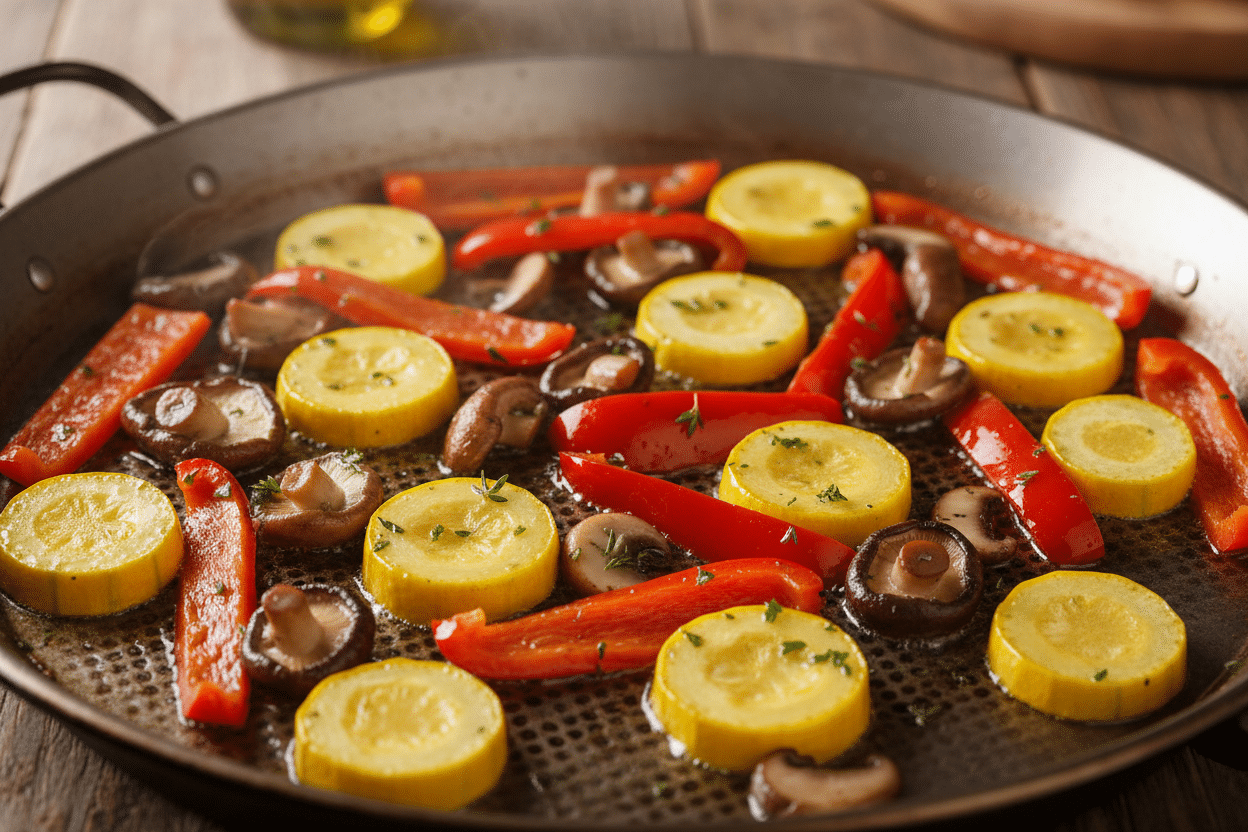
- Stir in minced garlic and chopped red pepper. Cook for another 5-7 minutes until the peppers soften.
- Add chopped tomatoes (fresh or canned diced tomatoes work well) and a tablespoon of smoked paprika. Cook, stirring occasionally, until the tomatoes have broken down and the mixture has thickened, forming a rich paste. This is your flavorful sofrito!
Simmering to Perfection (Do Not Stir!)
Now comes the crucial part: adding the rice and liquids. This is where your focus on paella pan cooking tips will pay off.
- Evenly distribute the Bomba rice over the sofrito in the pan. Stir the rice gently for about a minute to toast it lightly and coat it in the sofrito. This helps the grains cook individually and absorb more flavor.
- Pour in your hot vegetable broth (infused with bloomed saffron threads). Ensure the broth completely covers the rice and vegetables. For a truly authentic vegan paella recipe, always use vegetable broth.
- Scatter your prepared vegetables (green beans, peas, artichoke hearts) over the rice. Arrange them decoratively; they are meant to cook gently on top.
- Bring the liquid to a rolling boil, then immediately reduce the heat to medium-low. This is absolutely critical: DO NOT STIR THE RICE FROM THIS POINT ONWARDS. Stirring releases starches and prevents the formation of the coveted socarrat crust.
- Let the paella simmer undisturbed for about 15-20 minutes, or until most of the liquid has been absorbed and small craters form on the surface of the rice. If it looks like it’s drying out too quickly, you can gently tilt the pan to redistribute liquid, but still, no stirring!
Achieving the Perfect Socarrat
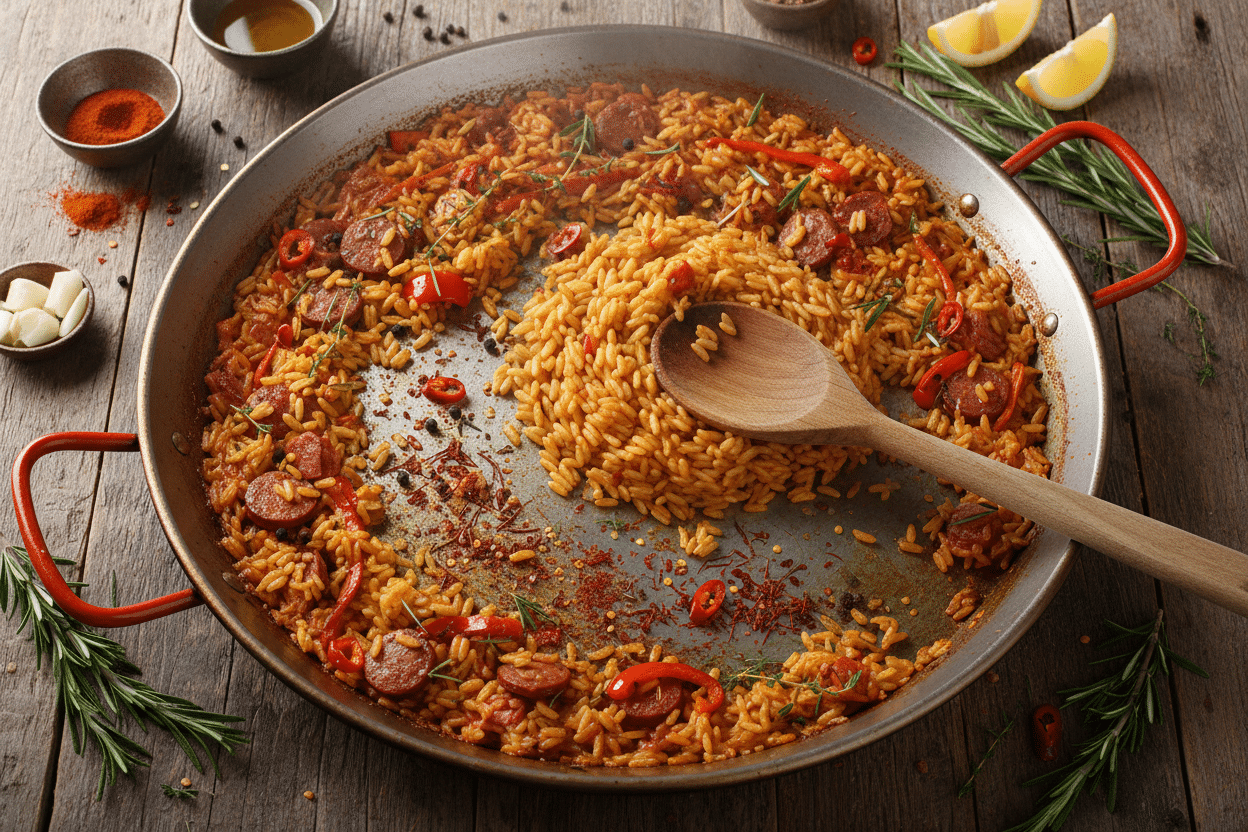
The socarrat is the crispy, caramelized crust of rice that forms at the bottom of the paella pan. It’s the hallmark of a perfectly cooked paella and for many, the best part of the dish. Achieving it requires a little attention at the end.
Once most of the liquid has been absorbed and the rice looks cooked through (after the 15-20 minute simmer), increase the heat to medium-high for the last 2-4 minutes. Listen for a distinct sizzling sound – this indicates the rice at the bottom is toasting and caramelizing. You might even see a wisp of smoke. Don’t lift the pan or stir during this stage! Just let it sizzle. Once you smell a toasted aroma (be careful not to burn it), remove the pan from the heat.
Cover the paella pan loosely with foil or a clean kitchen towel and let it rest for 5-10 minutes. This allows the residual steam to finish cooking the rice and ensures all the flavors meld beautifully. The resting period also helps the socarrat to release from the pan.
Cooking Tips and Variations
- Pan Size Matters: A wide, shallow paella pan is essential for proper evaporation and even cooking. It maximizes the surface area for the rice to interact with the heat, which is key for developing the socarrat.
- Don’t Rush the Sofrito: Taking your time with the sofrito builds the deepest flavor base. It’s worth the extra few minutes.
- Vegetable Choices: Feel free to experiment with seasonal vegetables. Asparagus, mushrooms, fava beans, or even roasted red peppers can be wonderful additions. Just ensure they cook evenly and don’t release too much water.
- Broth Temperature: Always add hot broth to your rice. Adding cold broth will shock the rice, slowing down the cooking process and potentially affecting its texture.
- Seasoning: Taste your broth before adding it to the rice and adjust salt as needed. Remember, the flavors will concentrate as the liquid reduces.
- Fresh Herbs: A sprinkle of fresh parsley or rosemary at the end adds a burst of freshness and color.
Frequently Asked Questions
Q: Can I use different types of rice if I can’t find Bomba?
A: While Bomba is highly recommended for its unique properties, you can use other short-grain rices like Calasparra or even Arborio. However, be aware that cooking times and liquid absorption might vary, so you’ll need to adjust accordingly.
Q: What if I don’t have a paella pan?
A: A large, wide, shallow skillet (like a cast-iron skillet or a wide sauté pan with low sides) will work as a substitute. The key is to have a wide surface area for the rice to cook evenly and for the liquid to evaporate efficiently.
Q: How do I ensure my paella is truly a vegan paella recipe?
A: Simply ensure you use a good quality vegetable broth, and olive oil (no butter). All the other ingredients – rice, vegetables, saffron, smoked paprika – are naturally vegan. It’s wonderfully easy to adapt!
Q: My paella is sticking to the bottom but not getting crispy. What went wrong?
A: Sticking without crispiness usually means the heat wasn’t high enough at the very end to caramelize the rice, or there was still too much moisture. Ensure the liquid has almost completely evaporated before cranking up the heat for the socarrat, and really listen for that sizzle.
Crafting a flavorful and authentic paella is a rewarding experience, and this vibrant vegetable version is a testament to the versatility and deliciousness of Spanish cuisine. Gather your ingredients, prepare your pan, and get ready to create a meal that will impress and delight. ¡Buen provecho!
For more delicious Spanish-inspired recipes and behind-the-scenes cooking tips, be sure to follow us on Facebook! You’ll find a community of food lovers and plenty of culinary inspiration. Find us at:
https://www.facebook.com/profile.php?id=61568538666337
Easy Spanish Vegetable Paella
Ingredients
- 1.5 cups short-grain rice Bomba or Calasparra preferred
- 3 cups vegetable broth Low sodium
- 1 pinch saffron threads Crucial for authentic flavor and color
- 2 tbsp olive oil Extra virgin
- 1 whole red bell pepper Sliced thinly
- 1 whole yellow squash Diced
- 8 oz mushrooms Sliced
- 1 cup frozen peas Thawed
- 1 tsp smoked paprika Sweet or hot depending on preference
Instructions
- In a small bowl, infuse the saffron threads in 2 tablespoons of warm water and set aside.
- Heat the olive oil in a wide paella pan or large skillet over medium heat. Add the sliced red bell peppers, diced yellow squash, and sliced mushrooms, sautéing until softened.
- Stir in the smoked paprika, short-grain rice, and a pinch of salt and pepper, coating the rice evenly in the oil and spices.
- Pour in the vegetable broth and the saffron-infused water. Bring the mixture to a gentle simmer. Do not stir the rice from this point forward to allow a crust (socarrat) to form.
- Simmer uncovered for 20 minutes until most of the liquid is absorbed and the rice is tender. Scatter the peas over the top during the last 5 minutes of cooking.
- Remove from heat, cover with a clean kitchen towel, and let rest for 5 minutes before serving.
For more daily recipes and tips, follow us on Facebook!
Click here to join our community!