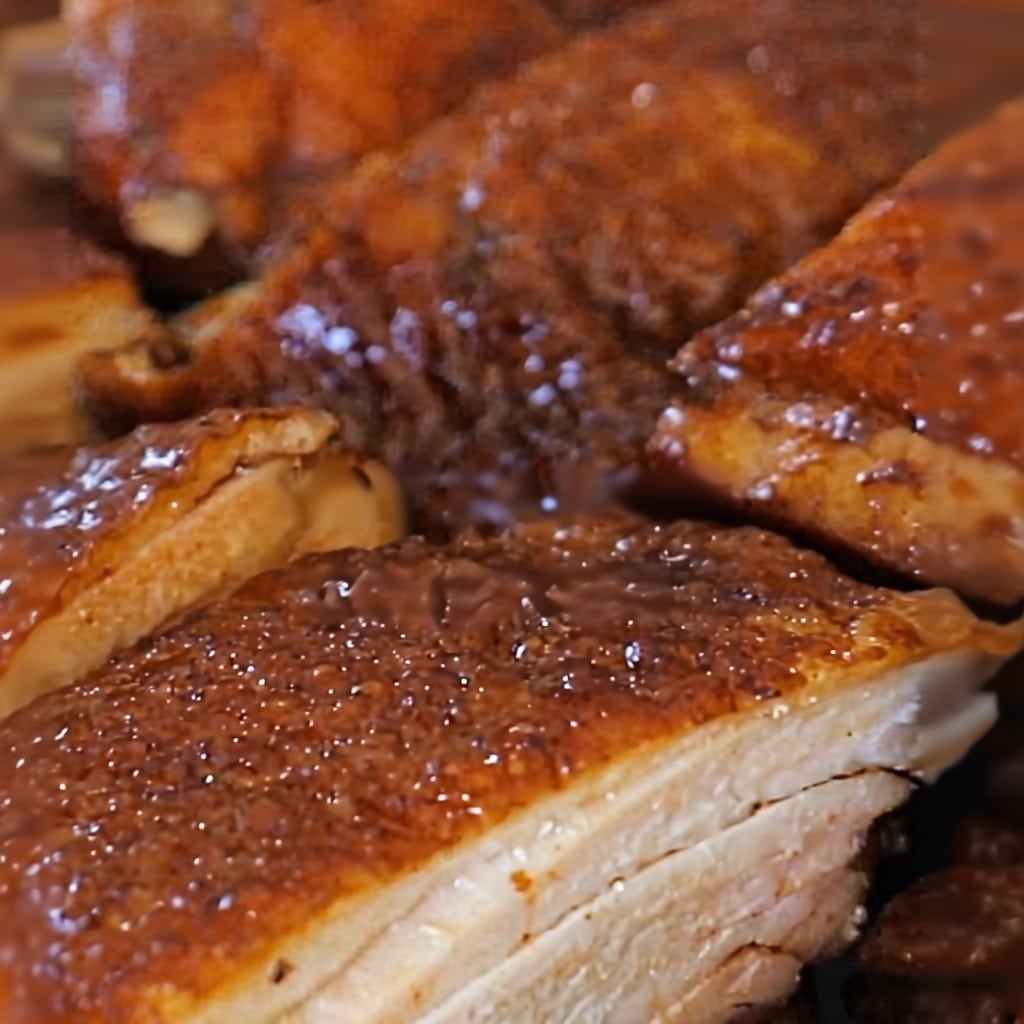
An Irresistibly Juicy Soy Sauce Chicken Recipe You’ll Make on Repeat
Imagine succulent, fall-off-the-bone chicken, bathed in a rich, savory-sweet sauce, boasting skin so glossy and mahogany-colored it practically glows. This isn’t just a dream; it’s the reality of a perfectly executed Soy Sauce Chicken Recipe. This iconic Cantonese dish, a tantalizing fixture in restaurant windows across Hong Kong, is surprisingly simple to recreate at home. Forget complicated techniques – with our foolproof guide, you can whip up this tender, juicy chicken in just about 30 minutes! Get ready to discover the secrets to a truly authentic Soya Sauce Chicken Recipe, complete with expert tips, ingredient deep-dives, and answers to all your common questions. Prepare to add this quick and easy masterpiece to your regular dinner rotation!
What Exactly is Soy Sauce Chicken (See Yao Gai)?
Soy Sauce Chicken, known in Cantonese as See Yao Gai (豉油雞), is a beloved classic in Cantonese cuisine. It’s often found alongside other roasted or braised meats as part of the illustrious siu mei (燒味) family in Chinese BBQ shops. At its heart, this dish involves poaching chicken in a fragrant, savory liquid primarily composed of various soy sauces, sugar, and an aromatic blend of spices.
The flavor profile of this Chinese braised chicken is beautifully balanced: predominantly savory and umami-rich from the soy sauces, with a subtle sweetness that mellows the saltiness, and complex aromatic notes from ingredients like fresh ginger, star anise, and cinnamon. Unlike grilled or roasted chicken, the poaching method ensures the meat remains incredibly tender and juicy, absorbing all the wonderful flavors of the braising liquid.
It’s important to differentiate Soy Sauce Chicken from similar Asian chicken dishes. For instance, it’s quite different from Japanese Teriyaki Chicken, which is typically grilled or broiled and coated in a much thicker, sweeter, and often shinier glaze. Taiwanese Three Cup Chicken, while also braised, uses a more intense flavor profile with a higher concentration of sesame oil, rice wine, and fresh basil, resulting in a richer, more robust dish. Our Cantonese soy sauce chicken stands out with its delicate balance and distinctive poaching method.
Why This is the BEST Soy Sauce Chicken Recipe
- Quick & Easy: This isn’t just an easy soy sauce chicken; it’s a speed demon! You can have this delectable 30-minute chicken dinner on the table, from start to finish, making it absolutely perfect for busy weeknights.
- One-Pot Wonder: We love minimal cleanup! This entire Soy Sauce Chicken Recipe comes together in a single pot, simplifying your cooking process and your post-dinner chores. It’s truly a fantastic one pot chicken recipe.
- Authentic Flavor, Simple Method: Don’t let the ease fool you. This method delivers an authentic, restaurant-quality taste that rivals any Hong Kong-style soy sauce chicken you’d find, but without any complicated techniques. You’ll impress yourself and your guests!
- Incredibly Versatile: This braised chicken is a blank canvas for delicious pairings. It’s fantastic served simply with steamed rice, tossed with noodles, or alongside your favorite stir-fried or blanched vegetables.
A Deep Dive into the Key Ingredients
The Star of the Show: The Chicken
For this specific Soy Sauce Chicken Recipe, we highly recommend using skin-on, boneless chicken thighs. Why? They are incredibly forgiving, remaining juicy and flavorful even if slightly overcooked. The skin crisps up beautifully and helps lock in moisture, while the dark meat offers a richer taste profile and cooks relatively quickly. It’s the ideal chicken thigh recipe for tender results.
Other options certainly work: bone-in thighs and drumsticks are excellent choices, offering even more flavor from the bones, though they’ll require a slightly longer cooking time. If you’re feeling ambitious, you can even use a whole chicken for a more traditional presentation (just be prepared to adjust liquid volumes and cooking times accordingly – typically around 45-60 minutes, ensuring frequent basting). While chicken breast can be used, it tends to dry out more easily; reduce cooking time significantly and keep a close eye on it to ensure a tender juicy chicken recipe.
The Soul of the Dish: The Sauces
- Light Soy Sauce (or All-Purpose Soy Sauce): This forms the base of our soy sauce chicken marinade. It provides the primary salty, savory, and umami foundation for the dish. Use a good quality brand for the best flavor.
- Dark Soy Sauce: This is the secret weapon for that signature deep, rich, mahogany color and a subtle molasses-like sweetness. What is dark soy sauce? It’s a thicker, darker, and slightly less salty soy sauce compared to light soy sauce, primarily used for coloring dishes and adding a touch of sweetness rather than intense saltiness. Don’t skip it if you want that authentic restaurant look!
- Shaoxing Wine: A staple in Chinese cooking, Shaoxing wine is a fermented rice wine that adds a complex, aromatic depth of flavor that’s hard to replicate. Its unique notes are integral to an authentic Soy Sauce Chicken Recipe. If you need a Shaoxing wine substitute, dry sherry works wonderfully, or for an alcohol-free version, simply use chicken broth, though the flavor profile will be slightly different.
The Aromatic Foundation
These aromatics transform a simple braising liquid into a fragrant, complex elixir:
- Fresh Ginger: Adds a pungent, zesty sharpness that brightens the sauce.
- Scallions (Green Onions): Provide a mild, fresh oniony flavor.
- Star Anise & Cinnamon Stick: These warm, sweet spices are classic in Chinese braising and impart an unmistakable fragrance, making this a delicious chicken with star anise and cinnamon dish.
- Bay Leaves: Offer subtle herbal undertones.
- Dried Tangerine Peel (Chenpi): This is a characteristic Cantonese ingredient, providing a unique, subtle citrusy, earthy, and fragrant note that elevates the sauce, though it can be omitted if unavailable.
Step-by-Step Guide: How to Make Soy Sauce Chicken
Here’s how to master this incredible authentic soy sauce chicken recipe. While we can’t embed a live recipe card here, you’ll want to print out the full ingredient list and instructions for your kitchen!
Step 1: Prepare the Aromatics and Braising Liquid
Start by gently toasting your star anise and cinnamon stick in the dry pot for about 30 seconds to a minute, just until fragrant. This simple step truly awakens their flavors. Next, combine the water, light soy sauce, dark soy sauce, sugar, Shaoxing wine, sliced ginger, scallions, bay leaves, and dried tangerine peel (if using) in a wide, shallow pot or Dutch oven. Bring this mixture to a gentle simmer over medium heat, stirring occasionally to dissolve the sugar. Let it simmer for 2-3 minutes to allow the flavors to meld. This is the beginning of your delicious soy sauce chicken marinade.
Step 2: Poach the Chicken to Perfection
Carefully add your chicken thighs to the simmering liquid, ensuring they are mostly submerged. Start with the skin-side up initially. The key here is to maintain a gentle simmer – you don’t want a rolling boil, as this can toughen the chicken. After about 10-12 minutes, carefully flip the chicken thighs. Continue to gently simmer, and here’s a crucial trick for that beautiful color and even flavor: continuously spoon the braising liquid over the exposed chicken skin. This frequent basting helps to infuse the top layer with flavor and is essential for achieving that characteristic glossy, dark skin. Continue cooking for another 10-12 minutes, or until the chicken reaches an internal temperature of 165°F (74°C). This ensures a perfectly tender juicy chicken recipe every time.
Step 3: Rest, Slice, and Serve
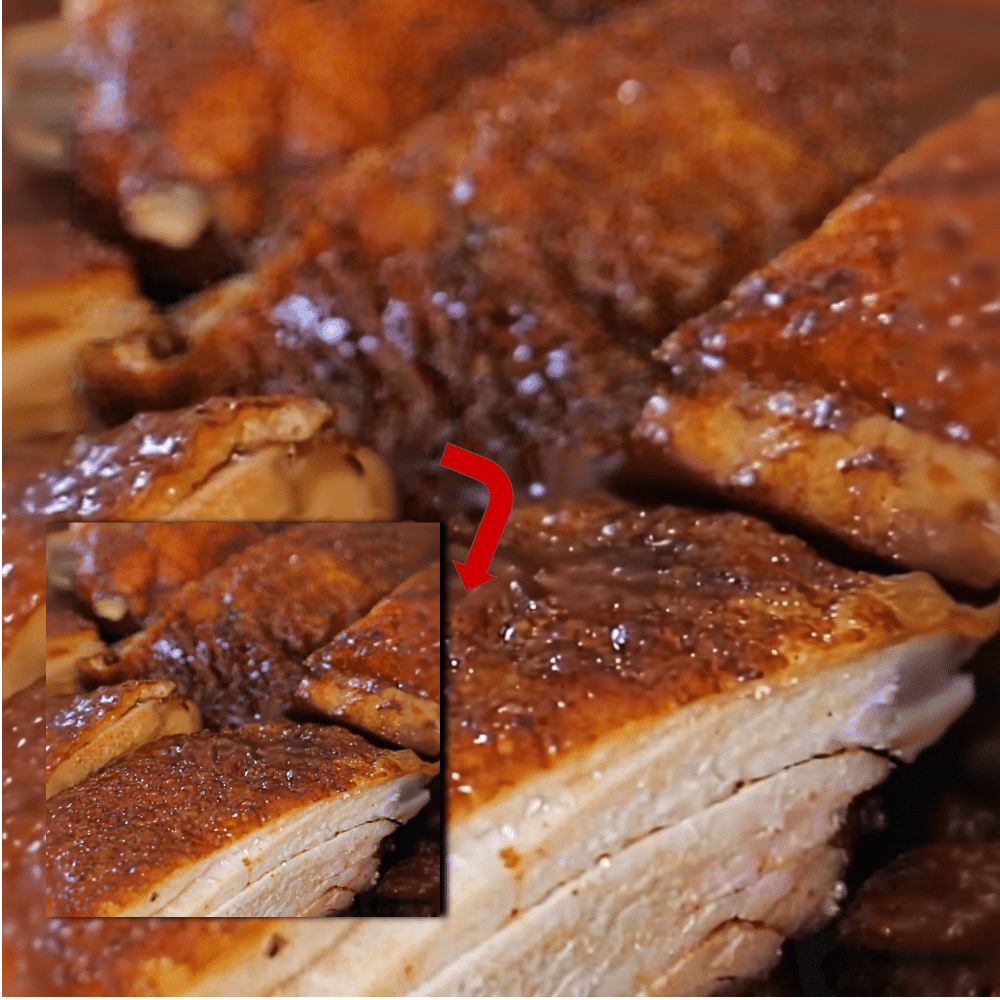
Once cooked, remove the chicken from the pot and place it on a cutting board. It’s absolutely non-negotiable to let the chicken rest for 5-10 minutes before slicing. This allows the juices to redistribute throughout the meat, ensuring every bite is moist and tender. While the chicken rests, you can reduce the remaining braising liquid over medium-high heat for a few minutes until it thickens slightly into a luxurious glaze. Slice the chicken against the grain for maximum tenderness. Arrange the sliced chicken on a platter, drizzle generously with the reduced sauce, and garnish with fresh scallions or cilantro. Enjoy your homemade Hong Kong style soy sauce chicken!
Pro Tips for Restaurant-Quality Results
- Don’t Overcrowd the Pan: For even cooking and consistent color, use a pot or wok large enough for the chicken to sit in a single layer. Overcrowding can lower the temperature and cause the chicken to steam instead of gently poach, leading to less flavorful skin.
- The Secret to Glossy Skin: Continuous basting during the cooking process is paramount. The sugars and dark soy sauce in the braising liquid will caramelize on the skin as you spoon it over, giving you that irresistible, deep mahogany color and beautiful sheen. This is how to get chicken skin dark and truly appealing.
- Achieving Tender, Not Tough, Chicken: The most common mistake is overcooking. Use a reliable meat thermometer and aim for an internal temperature of 165°F (74°C) in the thickest part of the chicken. This will guarantee a perfectly tender and juicy result.
- Taste and Adjust: Before adding the chicken, taste your braising liquid. This is your chance to adjust the sweetness or saltiness to your preference. Remember, the flavors will concentrate slightly as the chicken cooks.
- Making a Thicker Glaze: After removing the chicken, simply simmer the remaining sauce for a few more minutes over medium-high heat. It will reduce and thicken into a more syrupy glaze, perfect for drizzling generously over your sliced chicken and rice.
Variations and Substitutions
- Instant Pot Soy Sauce Chicken: Adapt this Soy Sauce Chicken Recipe for your Instant Pot! Place all ingredients (chicken, liquid, aromatics) into the pot. Cook on high pressure for 8-10 minutes, then allow a natural release for 5 minutes before quick-releasing the remaining pressure. This method delivers incredibly tender chicken quickly.
- Slow Cooker Method: For a truly hands-off version, combine all ingredients in your slow cooker. Cook on low for 2-3 hours (for thighs) or 4-5 hours (for a whole chicken) until the chicken is fork-tender. While you won’t get the same deep color on the skin as with stovetop basting, the flavor will still be fantastic. This is a great slow cooker soy sauce chicken option.
- Using a Whole Chicken: When cooking a whole chicken, increase the braising liquid volume slightly to ensure the chicken is mostly submerged. The cooking time will be longer, approximately 45-60 minutes, with frequent flipping and basting to ensure even cooking and color.
- Gluten-Free Version: To make this a gluten-free Soy Sauce Chicken Recipe, simply substitute regular light and dark soy sauces with tamari or certified gluten-free soy sauce. Read labels carefully, as some dark soy sauces may contain wheat.
Perfect Pairings: What to Serve with Your Chicken
- Grains: A generous bowl of fluffy steamed jasmine rice is the quintessential accompaniment. It’s perfect for soaking up every last drop of that incredible, savory-sweet braising sauce.
- Vegetables: Balance the richness with vibrant greens. Blanched bok choy, gai lan (Chinese broccoli), or simple steamed broccoli drizzled with a bit of the chicken’s braising sauce are all excellent choices.
- Noodles: Serve the sliced chicken alongside or on top of a bed of simple egg noodles or rice vermicelli for a hearty and satisfying meal.
- Garnishes: A sprinkle of freshly chopped scallions or cilantro adds a burst of fresh flavor and a pop of color, making the dish even more appealing.
Storage and Reheating Instructions
Leftovers of this delicious Soy Sauce Chicken Recipe are just as good, if not better, the next day!
- Refrigeration: Store any leftover chicken and the remaining braising sauce in an airtight container in the refrigerator for up to 3-4 days. The flavors tend to deepen beautifully overnight.
- Reheating: The best way to reheat is to gently steam the chicken or warm it in a covered pan on the stovetop with a splash of the reserved sauce or water. This method prevents the chicken from drying out and maintains its tender texture. Microwaving is also an option for convenience, though it can sometimes affect the texture.
- Freezing: While possible, freezing can slightly alter the texture of the chicken, making it a little less firm upon thawing. If you choose to freeze, store the chicken submerged in the sauce in an airtight, freezer-safe container for up to 2-3 months. Thaw overnight in the refrigerator before reheating. These are great leftover soy sauce chicken ideas for meal prep.
Frequently Asked Questions (FAQ)
What is the difference between soy sauce chicken and teriyaki chicken?
While both use soy sauce, they are distinct dishes from different cuisines. Soy Sauce Chicken is a Chinese (specifically Cantonese) dish where chicken is gently poached in a thin, aromatic, soy-based liquid. Teriyaki chicken, on the other hand, is a Japanese dish where protein (often chicken) is grilled or broiled, then coated in a much thicker, sweeter, and glossier soy-based glaze. The cooking method and sauce consistency are the primary differentiators between soy sauce chicken vs teriyaki.
Can I use chicken breast instead of thighs for this Soy Sauce Chicken Recipe?
Yes, you can use chicken breast, but you’ll need to make adjustments to prevent it from drying out. Reduce the cooking time significantly, typically to around 15-20 minutes depending on thickness. Always use a meat thermometer to ensure it reaches 165°F (74°C) without going over, which is key to keeping chicken breast tender.
My chicken skin isn’t getting dark enough. What went wrong?
The most common reasons for lighter chicken skin are not using dark soy sauce or not basting enough. Dark soy sauce is absolutely essential for achieving that deep, rich color characteristic of Hong Kong style soy sauce chicken. Consistent basting coats the skin in the coloring agents and sugars, allowing them to caramelize and darken beautifully.
What can I substitute for dark soy sauce?
While dark soy sauce is highly recommended for its unique color and mild sweetness, if you’re in a pinch, you can try adding a small amount of molasses or brown sugar to regular light soy sauce. This will help mimic the color and some of the sweetness, but the flavor won’t be identical. For the best result in an authentic soy sauce chicken recipe, procure dark soy sauce.
Is Shaoxing wine necessary for this Soy Sauce Chicken Recipe?
Shaoxing wine adds an authentic depth of complex, aromatic flavor that truly elevates the dish. While it’s highly recommended for the most traditional taste, you can substitute it. Good alternatives include dry sherry or even mirin (which is sweeter, so adjust sugar accordingly). For an alcohol-free version, simply use chicken broth, though the flavor profile will be slightly less complex.
Conclusion
This Soy Sauce Chicken Recipe demystifies a beloved Cantonese classic, proving that restaurant-quality flavors are entirely achievable in your home kitchen. We’ve walked you through every step, from selecting the perfect ingredients to expert tips for that signature glossy skin and incredibly tender meat. It’s quick, easy, and delivers an explosion of authentic Chinese flavors that your family will adore. Don’t hesitate any longer – give this irresistible Soy Sauce Chicken Recipe a try tonight and let us know how you liked it in the comments below!
For more daily recipes and tips, follow us on Facebook!
Click here to join our community!