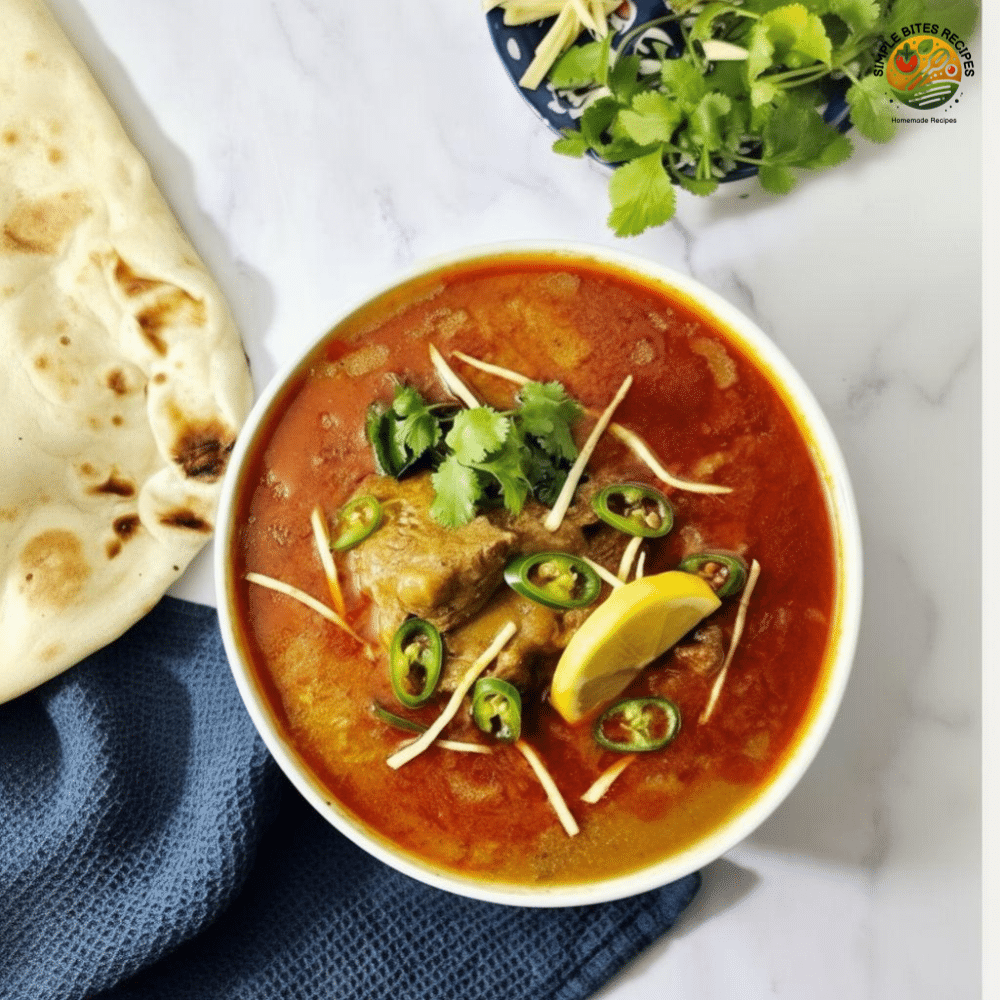
Introduction to Slow Cooked Beef Nihari
There are some dishes that transcend mere sustenance, becoming a celebration of culture, history, and the simple joy of good food shared. For me, that dish is Beef Nihari. This isn’t just a meal; it’s an experience, a journey into the heart of Pakistani cuisine, offering a symphony of flavors that unfold with every tender bite. It’s a labor of love, yes, but one that rewards your patience with an unparalleled depth of taste and aroma. Get ready to transform your kitchen into a sanctuary of spice and savory comfort.
What is Nihari?
Nihari is a slow-cooked, rich, and incredibly flavorful beef stew that holds a special place in South Asian culinary traditions. Its name, derived from the Arabic word “Nahar” meaning “day,” hints at its origins as a dish often enjoyed for breakfast after Fajr prayers. However, its robust nature and the long cooking process involved make it a perfect candidate for a hearty lunch or an indulgent dinner. It’s characterized by incredibly tender pieces of beef, luxuriating in a thick, spicy gravy infused with a unique blend of aromatic spices.
The Origins and History of This Spiced Stew
The history of this magnificent spiced stew is as rich and complex as its flavor. Originating in the royal kitchens of the Mughal Empire in Delhi, Nihari quickly became a favorite among emperors and commoners alike. Over centuries, its preparation evolved, adapting to regional tastes and ingredients, but always retaining its core essence: a deeply satisfying, aromatic stew. Today, it stands as a testament to the subcontinent’s culinary prowess, a celebrated dish enjoyed across Pakistan and India, often reserved for special occasions or a truly comforting home-cooked meal. It’s truly an authentic Pakistani beef nihari experience, a spicy beef curry recipe that embodies the spirit of slow cooking.
Essential Ingredients for Authentic Flavor
Crafting a truly memorable nihari begins with selecting the right ingredients. This isn’t a dish where shortcuts yield the same results. Each component plays a vital role in building the layered flavors that make this one of the most beloved one pot slow cooked meals.
Choosing the Best Cut of Beef (Shank vs. Chuck)
The foundation of any great nihari is, of course, the beef. For the best meat for nihari, you need a cut that stands up to long, slow cooking, breaking down into melt-in-your-mouth tenderness while infusing the gravy with its rich flavor. Here are the top contenders:
- Beef Shank (Nalli): This is the traditional and arguably the best choice. Shank meat, especially with bone, contains collagen and marrow that release incredible flavor and richness into the stew as it slowly breaks down. The bones also contribute to the silky texture of the gravy.
- Beef Chuck: A good alternative if shank isn’t available. Chuck roast is well-marbled and becomes wonderfully tender with long cooking, though it might lack the deep bone-infused richness of shank.
Regardless of your choice, ensure the beef is cut into large, substantial pieces (about 2-3 inches) to prevent it from disintegrating during the long cooking process.
The Nihari Masala: Exploring the Spice Blend
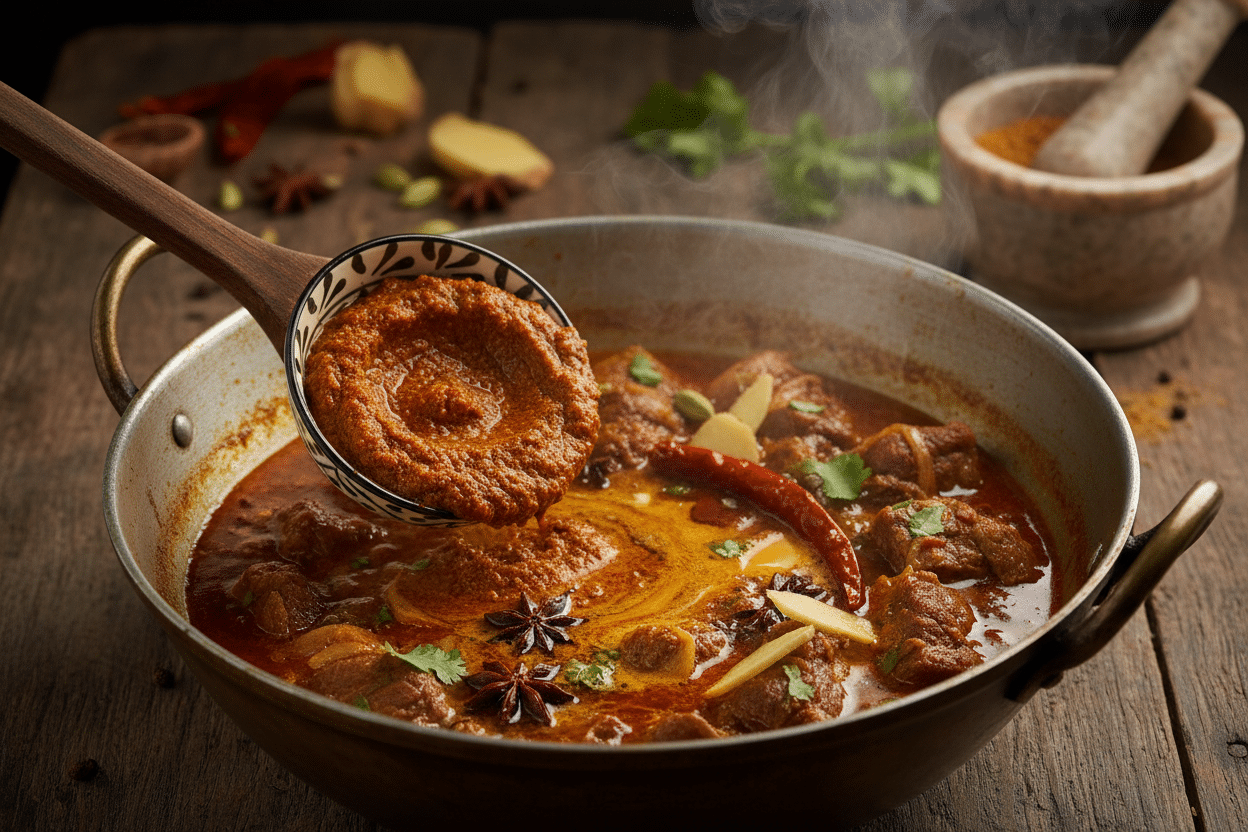
The heart and soul of Nihari lies in its intricate spice blend – the nihari masala. While pre-made blends are available, making your own ensures ultimate freshness and control over the flavor profile. Traditional nihari ingredients for this blend often include:
- Coriander seeds
- Cumin seeds
- Fennel seeds
- Black peppercorns
- Green cardamom pods
- Black cardamom pods
- Cloves
- Cinnamon sticks
- Bay leaves
- Nutmeg and mace
- Dried ginger and garlic powder
- Red chili powder (for heat)
- Turmeric powder (for color)
Grinding these spices fresh just before cooking will release their essential oils, contributing significantly to the stew’s intoxicating aroma and complex taste. This unique blend is what gives nihari its distinctive, warm, and deeply aromatic character.
Thickening the Stew: The Role of Wheat Flour (Atta)
One of the hallmarks of Nihari is its luxuriously thick, glossy gravy. This isn’t achieved through reduction alone, but primarily through the strategic addition of wheat flour, often referred to as “atta” in South Asia. A slurry made from this flour, introduced towards the end of the cooking process, gives the stew its characteristic body and smooth texture. It’s crucial to add it correctly to avoid lumps and ensure a perfectly silken finish.
Step-by-Step Cooking Guide
Preparing Nihari is a journey, not a race. Embrace the process, and you’ll be rewarded with a dish that’s truly magnificent.
Browning the Meat for Deep Flavor
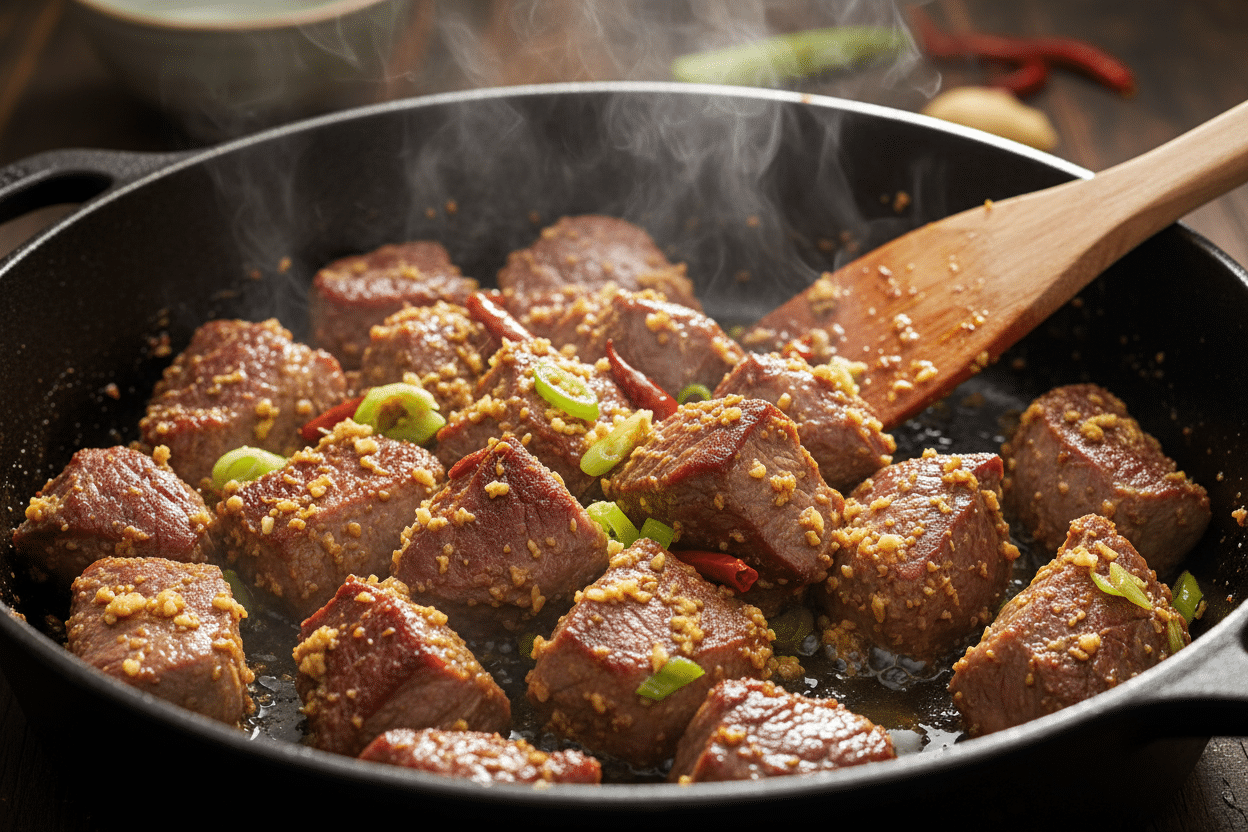
The first crucial step to building flavor is browning the beef. This process, known as the Maillard reaction, creates a rich, savory crust on the meat, locking in juices and developing deep, complex flavors that will permeate the entire stew. Heat a generous amount of oil or ghee in a large, heavy-bottomed pot or Dutch oven over medium-high heat. Add the beef pieces in batches, making sure not to overcrowd the pan. Sear each piece until beautifully browned on all sides. Remove the browned beef and set aside, leaving the flavorful fond (the caramelized bits at the bottom of the pan) for the next step.
Slow Cooking vs. Pressure Cooking Methods
Both slow cooking and pressure cooking methods can yield tender nihari, but they have distinct advantages:
Slow Cooking Method:
- After browning the beef, add sliced onions to the same pot and sauté until golden brown.
- Stir in ginger-garlic paste and cook until fragrant.
- Add the nihari masala, red chili powder, and a pinch of turmeric. Sauté for a couple of minutes until the spices are aromatic.
- Return the browned beef to the pot. Add enough hot water to cover the meat generously.
- Bring to a boil, then reduce the heat to low, cover the pot, and simmer for 4-6 hours, or until the beef is fall-apart tender. Check periodically and add more hot water if the liquid reduces too much.
- Skim off any excess oil that rises to the surface; this oil, known as “tarri,” can be reserved for garnishing.
Pressure Cooking Method (Faster Alternative):
- Follow steps 1-3 from the slow cooking method.
- Return the browned beef to the pressure cooker. Add enough hot water to barely cover the meat.
- Close the lid and cook on high pressure for 45-60 minutes, depending on your pressure cooker and the size of the beef pieces.
- Allow the pressure to release naturally.
- Open the lid and check the tenderness of the beef. If not tender enough, cook for a few more minutes. Skim off excess oil.
Adding the Flour Slurry Properly
This step is crucial for achieving that signature thick consistency. In a small bowl, whisk together 1/4 cup of wheat flour (atta) with 1/2 cup of water until a smooth, lump-free slurry forms. Gradually pour this slurry into the simmering nihari, stirring continuously to prevent lumps. Continue to cook for another 15-20 minutes, stirring occasionally, until the gravy has thickened to your desired consistency and lost its raw flour taste. At this point, taste and adjust salt and any other spices if needed.
The Art of Garnishing Nihari
Garnishing isn’t just for aesthetics; it’s an integral part of the Nihari experience, adding layers of freshness, zing, and texture that complement the rich stew perfectly.
Julienned Ginger, Green Chilies, and Fresh Coriander
Before serving, prepare an array of vibrant garnishes:
- Julienned Fresh Ginger: Thin strips of fresh ginger add a pungent, refreshing bite that cuts through the richness of the stew.
- Thinly Sliced Green Chilies: For those who crave an extra kick, a sprinkling of fresh green chilies provides a burst of heat and verdant color.
- Fresh Coriander Leaves: Chopped fresh coriander brightens the dish with its citrusy, herbaceous notes.
These garnishes should be offered generously at the table, allowing each diner to customize their bowl to perfection.
The Importance of a Lemon Squeeze
Never underestimate the power of a fresh lemon squeeze. A generous spritz of lemon juice over your bowl of Nihari just before eating elevates the entire dish. The acidity brightens the flavors, balances the richness, and adds a delightful tang that truly awakens the palate. It’s a non-negotiable step for an authentic experience.
Serving Suggestions
Nihari is a meal in itself, but a few accompaniments can make the experience even more delightful and complete.
Pairing with Fresh Naan Bread
The ultimate partner for a hearty bowl of Nihari is undoubtedly fresh, warm naan bread. Its soft, chewy texture and slightly charred flavor are perfect for scooping up every last drop of the rich gravy. Other breads like tandoori roti or even plain white bread can also work, but naan remains the classic choice.
Side Dishes and Beverages
While Nihari is the star, here are some ideas for what to serve with nihari:
- Plain White Rice: For those who prefer rice, a simple bowl of steamed basmati rice can be a comforting accompaniment.
- Salad: A crisp kachumber salad (diced cucumber, tomato, onion with a lemon dressing) can provide a refreshing contrast.
- Yogurt/Raita: A side of plain yogurt or a simple mint raita (yogurt with mint and spices) can help cool the palate, especially with a spicy nihari.
- Beverages: A cooling glass of lassi (yogurt drink) or a simple lemonade complements the richness of the meal beautifully.
Storage and Reheating Tips
One of the best things about Nihari is that it often tastes even better the next day!
How to Store Leftovers
Allow any leftover Nihari to cool completely at room temperature, then transfer it to an airtight container. It can be stored in the refrigerator for up to 3-4 days. For longer storage, Nihari freezes exceptionally well for up to 2-3 months. Thaw frozen Nihari in the refrigerator overnight before reheating.
Why Nihari Tastes Better the Next Day
Like many slow-cooked stews and curries, Nihari’s flavors deepen and meld beautifully overnight. As the stew cools, the spices continue to infuse into the beef and gravy, allowing the complex flavor profile to fully develop and harmonize. The fat also solidifies and re-emulsifies upon reheating, often resulting in an even silkier, richer texture. So, don’t shy away from making a big batch; you’ll thank yourself later!
I hope this guide inspires you to create your own unforgettable batch of Nihari. It’s more than just food; it’s a celebration of flavor, heritage, and the joy of cooking. Happy cooking!
For more delicious recipes and culinary adventures, make sure to follow us on Facebook: Our Facebook Page
Authentic Slow Cooked Beef Nihari
Ingredients
- 2 lbs Beef chuck or shank Cut into large pieces
- 3 tbsp Nihari Masala Store-bought or homemade
- 2 medium Onions Thinly sliced
- 2 tbsp Ginger-garlic paste
- 1/4 cup Wheat flour Atta or whole wheat
- 1/2 cup Ghee or cooking oil
- 6 cups Water
- 1 pinch Salt To taste
- 1 handful Fresh coriander Chopped, for garnish
- 2 whole Green chilies Sliced, for garnish
- 2 tbsp Ginger Julienned, for garnish
- 1 whole Lemon Cut into wedges
- 4 pieces Naan bread For serving
Instructions
- Heat oil or ghee in a large heavy-bottomed pot over medium heat. Add the sliced onions and fry until golden brown.
- Add the beef pieces and ginger-garlic paste to the pot. Sauté for 5 to 7 minutes until the meat is browned on all sides.
- Stir in the Nihari masala and salt. Cook for another 2 to 3 minutes until the spices become highly aromatic.
- Pour in the water and bring the mixture to a rolling boil. Reduce the heat to low, cover the pot tightly, and let it simmer for 4 to 6 hours until the beef is extremely tender and falls apart easily.
- In a small bowl, whisk the wheat flour with half a cup of water to create a smooth, lump-free slurry.
- Gradually stir the flour slurry into the simmering stew. Continue to cook on low heat for an additional 15 to 20 minutes until the gravy has thickened.
- Ladle the hot Nihari into serving bowls. Top generously with julienned ginger, green chilies, fresh coriander, and a squeeze of fresh lemon juice. Serve immediately with warm naan bread.
For more daily recipes and tips, follow us on Facebook!
Click here to join our community!