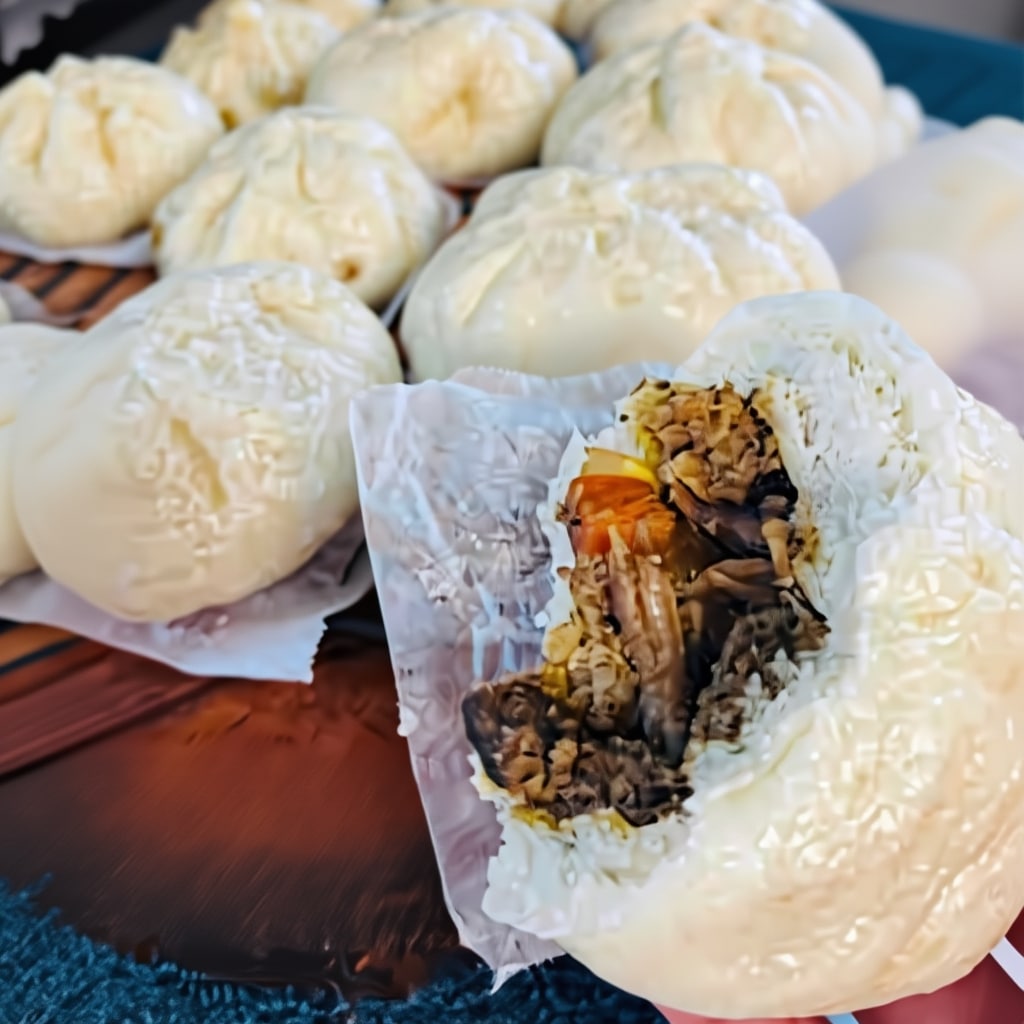
Imagine biting into a cloud-like, perfectly steamed bun, yielding to a tender, flavorful filling that’s both sweet and savory. That, my friends, is the magic of Siopao Steamed Meat Buns – a beloved Filipino delicacy that captivates taste buds with every bite. If you’ve ever dreamt of recreating that bakery-quality softness and rich filling in your own kitchen, you’re in the right place. This comprehensive guide will not only delve into the fascinating history and cultural significance of siopao but also arm you with a foolproof Filipino steamed buns recipe to craft the most pillowy, authentic Siopao Asado you’ve ever tasted at home. Get ready to master the art of homemade siopao!
What Exactly is Siopao?
At its heart, siopao is the Filipino adaptation of the Chinese baozi, a steamed bun typically filled with various meats. It’s a comforting, filling snack that transcends mere sustenance, becoming a symbol of Filipino culinary heritage.
The Delicious History of Siopao
The story of siopao begins centuries ago with Chinese traders and immigrants who introduced their culinary traditions to the Philippines. The original Chinese steamed buns evolved, embracing local flavors and ingredients to become the distinct siopao we know today. This adaptation exemplifies the beautiful fusion of cultures that defines Filipino cuisine.
Siopao in Filipino Culture
Siopao holds a special place in Filipino culture, frequently enjoyed as a popular merienda (snack) throughout the day. You’ll find these delicious steamed pork buns readily available in bustling street food stalls, local bakeries, and upscale restaurants alike, cementing its status as a quintessential comfort food and an accessible treat for all.
Siopao vs. Bao: What’s the Difference?
While both siopao and Chinese char siu bao are steamed buns, key differences set them apart. Filipino siopao often features a slightly denser, yet still soft and fluffy dough, and distinct fillings like the sweet and savory pork asado or the savory bola-bola. Traditional bao buns can vary widely in dough texture and encompass an even broader range of fillings, from sweet red bean paste to savory vegetable combinations.
The Two Classic Siopao Fillings: Asado vs. Bola-Bola
When it comes to siopao, the filling is paramount. The two most popular variations offer distinct flavor experiences, catering to every palate.
Siopao Asado: The Sweet & Savory Star
The Siopao Asado filling recipe is a fan favorite, featuring tender, shredded pork stewed in a rich, glossy sauce that perfectly balances sweet and savory notes. Often compared to Chinese char siu, our pork asado siopao boasts a unique Filipino twist with a nuanced blend of soy sauce, sugar, and aromatics, making it truly irresistible.
Siopao Bola-Bola: The Meaty Favorite
For those who prefer a more robust, savory experience, Siopao Bola-Bola is the answer. This version features a flavorful meatball, typically made from seasoned ground pork, sometimes enhanced with chopped Chinese sausage and a surprise piece of salted duck egg at its core, offering a delightful textural and flavor contrast.
Why This is the Best Siopao Recipe
This isn’t just another easy siopao recipe; it’s a guide to making the absolute best homemade siopao. Our recipe specifically calls for cake flour, which is the secret to achieving that impossibly soft and fluffy siopao texture. We also reveal the trick to keeping your buns pearly white – a dash of vinegar in the steaming water. Plus, our siopao asado filling recipe is perfectly balanced, rich without being overly sweet, promising an authentic siopao experience with every single bite.
Essential Ingredients & Equipment
Crafting perfect Siopao Steamed Meat Buns requires attention to quality ingredients and the right tools. Here’s what you’ll need for this authentic siopao recipe.
For the Fluffy Siopao Dough
- Cake Flour: Essential for that characteristic soft and fluffy siopao texture. Its lower protein content results in a more tender crumb compared to all-purpose flour.
- Granulated Sugar: Feeds the yeast and adds a touch of sweetness to the dough.
- Salt: Enhances flavor and controls yeast activity.
- Rapid Rise Yeast: For efficient and reliable proofing.
- Baking Powder: Contributes to the dough’s ultimate fluffiness during steaming.
- Lukewarm Milk: Activates the yeast and adds richness to the dough.
- Vegetable Oil: Keeps the dough moist and aids in pliability.
For the Rich Asado Filling
- Pork (shoulder or belly): Choose a cut with a good balance of meat and fat for tenderness and flavor in your pork asado siopao.
- Onion & Garlic: Aromatic base for deep flavor.
- Soy Sauce & Oyster Sauce: Provide savory depth and umami.
- Brown Sugar: For that signature sweet note in the asado.
- Star Anise: Adds a unique, warm, and aromatic spice to the filling.
- Cornstarch Slurry: Thickens the sauce to the perfect consistency.
Kitchen Tools You’ll Need
- Large mixing bowl
- Stand mixer with dough hook (highly recommended for kneading, but not strictly essential)
- Rolling pin
- Large pot or wok for steaming
- Steamer basket (bamboo or metal)
- Parchment paper or wax paper squares (to prevent sticking)
Step-by-Step Guide: Making Siopao Steamed Meat Buns
Follow these detailed steps to master your homemade siopao from scratch.
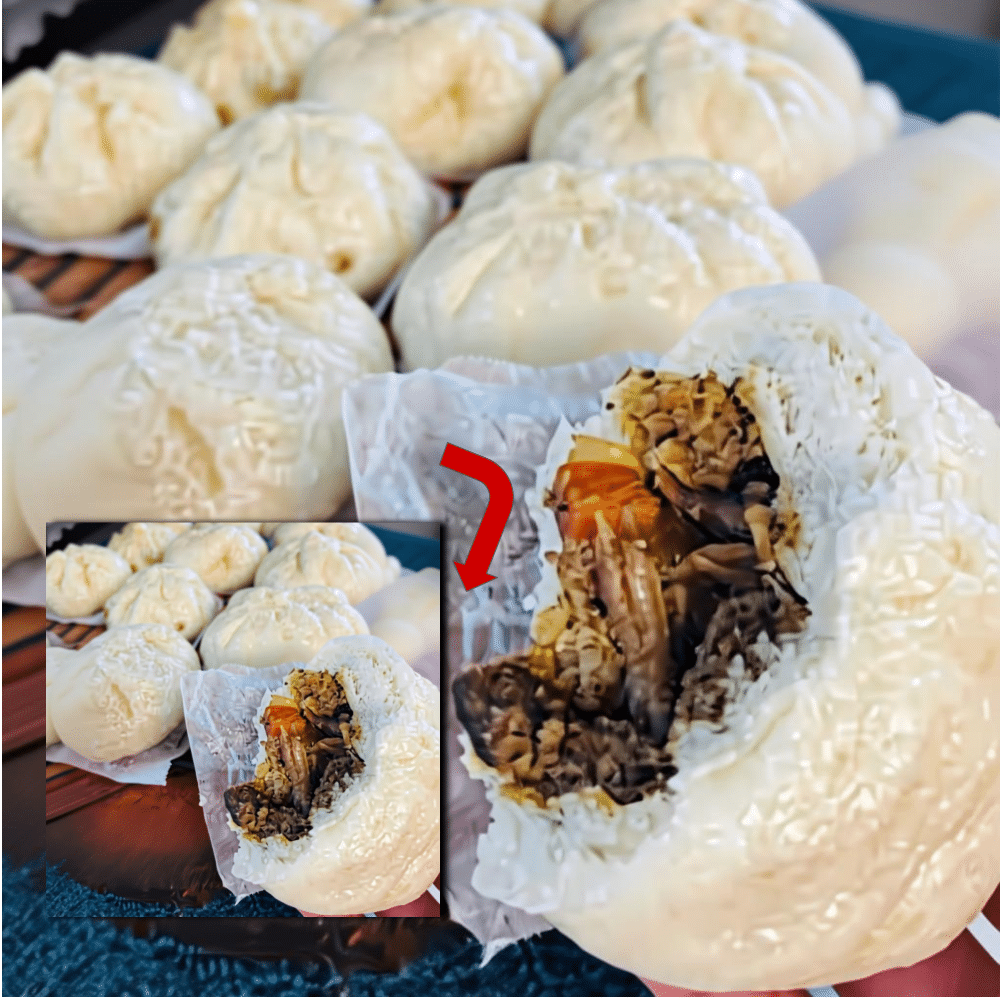
Part 1: Crafting the Perfect Asado Filling
- Prepare Pork: Cut pork into small, uniform pieces. Marinate with a splash of soy sauce and a pinch of sugar for at least 30 minutes.
- Sauté Aromatics: In a pan, sauté minced garlic and chopped onions until fragrant.
- Brown Pork: Add marinated pork to the pan and cook until nicely browned. This step is crucial for developing deep flavor.
- Simmer: Pour in soy sauce, oyster sauce, brown sugar, star anise, and water. Bring to a boil, then reduce heat, cover, and simmer until the pork is fall-apart tender, about 45-60 minutes.
- Thicken: Remove star anise. Shred the pork, then return it to the sauce. Mix a cornstarch slurry with a little water and stir into the sauce until it thickens to a glossy consistency. Let cool completely before filling.
Part 2: Making the Pillowy Siopao Dough
- Combine Dry Ingredients: In a large mixing bowl, whisk together cake flour, sugar, salt, rapid rise yeast, and baking powder.
- Add Wet Ingredients: Gradually pour in lukewarm milk and oil. Mix until a shaggy dough forms.
- Knead: Transfer the dough to a lightly floured surface or use a stand mixer with a dough hook. Knead for 8-10 minutes until the dough is smooth, elastic, and passes the windowpane test (a small piece can be stretched thin enough to see light through it without tearing).
- First Proof: Place the dough in a lightly oiled bowl, cover with plastic wrap, and let it rise in a warm place for 1 to 1.5 hours, or until doubled in size.
Part 3: Assembling and Folding Your Siopao
- Divide Dough: Gently punch down the risen dough and divide it into 12-16 equal pieces. Roll each piece into a smooth ball.
- Flatten: On a lightly floured surface, flatten each dough ball into a round, 3-4 inch disc with slightly thicker edges.
- Fill: Place a generous spoonful of cooled Siopao Asado filling in the center of each disc. Do not overfill!
- Fold: Bring the edges of the dough up around the filling. Using your thumb and forefinger, create small pleats around the circumference, sealing the bun tightly at the top. Pinch firmly to ensure a secure seal. This is how to fold siopao for that classic look.
- Prepare for Steaming: Place each assembled bun on a small square of parchment paper.
Part 4: The Final Proof and Steaming to Perfection
- Second Proof: Arrange the filled buns in your steamer basket, ensuring enough space between them for expansion. Cover and let them proof for another 30-45 minutes, or until noticeably puffy.
- Prepare Steamer: Fill a large pot or wok with water (ensure it doesn’t touch the steamer basket bottom). Add 1-2 tablespoons of white vinegar to the water – this is the secret for how to keep siopao white! Bring water to a rolling boil over medium-high heat.
- Steam: Place the steamer basket with the siopao over the boiling water. Steam for 12-15 minutes for medium-sized buns, or until cooked through and puffed.
- Prevent Deflation: Crucially, once the steaming time is up, turn off the heat and let the buns sit in the covered steamer for 3-5 minutes before carefully lifting the lid. This prevents the buns from deflating due to a sudden temperature change.
Pro Tips for Siopao Success
- Achieving a White Dough: The vinegar in the steaming water is key for how to keep siopao white. Also, avoid over-proofing, which can lead to a yellowish tint.
- Perfectly Proofed Dough: Your dough is ready when it has doubled in size and springs back slowly when gently poked. Over-proofed dough can result in a yeasty taste and a deflated bun.
- Preventing a Soggy Bottom: Always use parchment paper squares under each bun. Ensure the water level in your steamer is below the basket.
- The Secret to a Smooth Surface: Wrap your steamer lid with a clean kitchen towel before steaming. This absorbs condensation, preventing water droplets from falling onto your buns and creating an uneven surface.
- Make-Ahead and Freezing Instructions: You can make the asado filling a day or two in advance. For freezing steamed buns, allow them to cool completely, then flash freeze them on a tray before transferring to an airtight freezer bag.
Serving, Storing, and Reheating
Enjoying your homemade Siopao Steamed Meat Buns is the best part!
How to Serve Siopao
Serve your siopao warm, fresh from the steamer. Many enjoy them plain, savoring the delicate balance of dough and filling. For an extra kick, pair your siopao with a simple siopao sauce recipe: a mix of soy sauce, calamansi (or lime juice), a dash of chili garlic oil, and a sprinkle of chopped green onions.
Storing Leftovers
Store any leftover cooked siopao in an airtight container in the refrigerator for up to 3-4 days. Ensure they are completely cooled before storing to prevent condensation.
The Best Way to Reheat Siopao
For reheating siopao, steaming is undeniably the best method. Place the buns in a steamer over simmering water for 5-8 minutes, or until heated through and soft again. Microwaving is quicker but can sometimes make the dough a bit chewy. You can also use an air fryer, but cover them with foil to prevent drying out.
Frequently Asked Questions (FAQ)
Why did my siopao turn yellow?
Siopao can turn yellow due to several reasons, including over-proofing the dough, using hard water for steaming, or not adding white vinegar to the steaming water. The vinegar helps maintain the dough’s white color by neutralizing minerals in the water.
What is the difference between siopao and bao?
While both are steamed buns, siopao is the Filipino adaptation of Chinese bao (baozi). Siopao typically has a slightly denser, yet soft dough, and distinct Filipino-style fillings like sweet and savory Asado or savory Bola-Bola, differentiating it from the broader range of Chinese bao buns recipe variations.
Can I use all-purpose flour instead of cake flour?
Yes, you can use all-purpose flour, but it will result in a slightly chewier and less soft and fluffy siopao. Cake flour is preferred for its lower protein content, which yields a more tender and delicate crumb, closer to an authentic siopao texture.
How do you keep siopao from deflating after steaming?
To prevent siopao from deflating, avoid sudden temperature changes. After steaming, turn off the heat and leave the steamer lid on for 3-5 minutes before gently opening it. Over-proofing can also contribute to deflation, so watch your proofing times carefully.
Can I freeze siopao?
Absolutely! Freezing steamed buns is a great way to enjoy them later. Once cooked siopao have completely cooled, flash freeze them individually on a tray until solid, then transfer them to an airtight freezer bag. To cook from frozen, simply steam them for an additional 5-7 minutes compared to fresh.
Conclusion
There’s immense satisfaction in creating something truly delicious from scratch, and mastering Siopao Steamed Meat Buns is one of those culinary triumphs. With this detailed Filipino steamed buns recipe and the tips provided, you now have everything you need to bake the most authentic, soft, and flavorful siopao right in your own kitchen. We encourage you to try this easy siopao recipe, share your creations, and savor the taste of homemade Filipino comfort. Happy cooking!
For more daily recipes and tips, follow us on Facebook!
Click here to join our community!