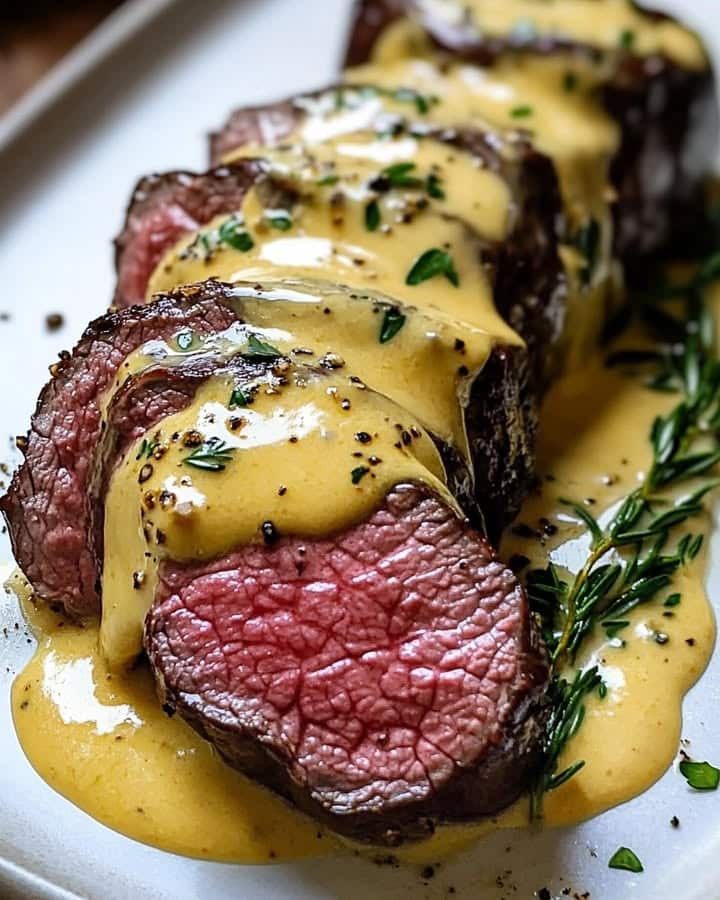
There are few culinary experiences as utterly captivating as savoring a perfectly prepared steak in a bustling French bistro. But what if you could recreate that magic, that undeniable elegance, right in your own kitchen? Today, we’re going to unlock the secrets to preparing a dish that embodies luxury and flavor: Seared Beef Tenderloin Béarnaise. This isn’t just a meal; it’s an event, a testament to thoughtful cooking that transforms a simple dinner into a memorable celebration. If you’ve ever dreamt of perfecting a truly gourmet offering, then mastering Seared Beef Tenderloin Béarnaise is your next culinary adventure.
At the heart of this exquisite dish lies the beef tenderloin, often known by its French moniker, filet mignon. Renowned for its unparalleled tenderness and lean texture, it’s the undisputed champion for special occasions. Its mild flavor serves as the perfect canvas for a bold accompaniment.
And what an accompaniment it is! Béarnaise sauce, a true legend in the realm of Classic French Steak Sauces, is a rich, tangy, and impossibly smooth emulsion. Born from the revered Hollandaise, Béarnaise takes its parent’s principles and elevates them with the fragrant whisper of tarragon and a sharp vinegar reduction. It’s the essential partner to your filet mignon with Béarnaise, creating a symphony of textures and tastes that will transport your palate straight to Paris.
Choosing the Perfect Beef Tenderloin
The Cut: Whole vs. Medallions
When embarking on your journey to create the ultimate Seared Beef Tenderloin Béarnaise, selecting the right cut is paramount. Beef tenderloin is a long, lean muscle, and you can purchase it in several forms:
- Whole Tenderloin: This offers the most versatility. You can roast it whole for a stunning centerpiece (perfect for Sunday Roast Dinner Ideas), or trim and cut it into individual beef medallions of your desired thickness. Buying whole can sometimes be more cost-effective per pound and gives you control over portion size.
- Pre-cut Medallions (Filet Mignon Steaks): These are typically 1.5 to 2 inches thick and ready to cook. They offer convenience but might be slightly more expensive. Look for uniform thickness to ensure even cooking.
Marbling: The Key to Flavor
While tenderloin is known for its leanness, a small amount of intramuscular fat, known as marbling, is desirable. Look for fine, white flecks of fat distributed throughout the muscle. This marbling will melt during cooking, imparting moisture, tenderness, and a rich, beefy flavor. Aim for USDA Prime or Choice grades for the best results.
Trimming: Preparing Your Tenderloin
If you’ve opted for a whole tenderloin, you’ll likely need to trim it. The most crucial part is removing the “silverskin”—a tough, silvery membrane that won’t render or break down during cooking, leaving an unpleasant texture. To do this:
- Slide a sharp, thin knife just under the silverskin at one end.
- Angle the blade slightly upwards, holding the silverskin taut with your other hand.
- Carefully slice along the length of the tenderloin, separating the silverskin without removing too much precious meat.
You may also remove any larger pockets of fat, though some small amounts add flavor. Once trimmed, you can tie the tenderloin at intervals with kitchen twine to ensure it holds a consistent shape, particularly if you’re planning a Beef Medallions Recipe.
Mastering the Béarnaise Sauce
The magic of Seared Beef Tenderloin Béarnaise truly shines with its signature sauce. Béarnaise is an emulsified sauce, a delicate dance between butter and egg yolks, brightened by a flavorful reduction and fresh herbs. Here’s how to make Béarnaise sauce that’s effortlessly smooth and utterly delicious.
The Reduction: The Soul of Béarnaise
The flavor powerhouse of Béarnaise comes from its reduction. Combine finely minced shallots, white wine vinegar, dry white wine, and freshly cracked black pepper in a small saucepan. Simmer gently until the liquid is reduced to about 1-2 tablespoons. This concentrates the flavors, creating a potent, aromatic elixir. Strain the reduction, pressing on the solids, and let it cool slightly. This forms the tangy base for your Classic French Steak Sauce.
The Emulsion: Science for Stability
Creating a stable emulsion is key. Use a double boiler (a heatproof bowl over simmering water) for indirect, gentle heat. Whisk egg yolks vigorously over this heat until frothy. Slowly, drop by drop at first, drizzle in melted clarified unsalted butter while whisking constantly and vigorously. This breaks the butter into tiny droplets, allowing them to disperse evenly. Once a stable, thickened emulsion forms, you can add the butter in a thin, steady stream. This skill is fundamental to creating a professional-grade Seared Beef Tenderloin Béarnaise.
“A well-made Béarnaise isn’t just a sauce; it’s a testament to culinary patience and precision. The emulsion is delicate, but rewarding when mastered.”
Clarified Butter & Fresh Tarragon: The Silky Difference
For the silkiest texture, clarified butter (pure butterfat without milk solids or water) is recommended. And for that signature flavor, fresh tarragon is non-negotiable. Finely chop and stir it into the finished sauce, along with a touch of fresh chervil. This elevates it beyond a mere Tarragon Cream Sauce, creating a truly exceptional accompaniment for your Seared Beef Tenderloin Béarnaise.
Step-by-Step Cooking Guide
1. Prepping the Meat for Perfection
For a flawless Seared Beef Tenderloin Béarnaise, remove medallions from the refrigerator 30-60 minutes before cooking. Pat them thoroughly dry with paper towels to ensure a good sear. Season generously with kosher salt and freshly ground black pepper on all sides. Salt not only seasons but aids in creating a juicy interior, crucial for your Pan-Seared Filet Mignon.
2. The Sear: Achieving That Perfect Crust
The sear is where flavor develops. This is a critical step for your Seared Beef Tenderloin Béarnaise. Use a heavy-bottomed pan, ideally cast iron, over medium-high to high heat. Add a high smoke point oil (grapeseed, avocado). Once shimmering, place seasoned medallions in the pan, ensuring not to overcrowd. Sear for 2-3 minutes per side for a deep, golden-brown crust. After flipping, add unsalted butter, a sprig of fresh thyme or rosemary, and a crushed garlic clove. Tilt the pan and spoon the aromatic butter over the steaks repeatedly. Use an instant-read thermometer for precision; for medium-rare, aim for 125-130°F (52-54°C) internal temperature while still in the pan. Consult our Beef Tenderloin Temperature Guide in the FAQ for specific doneness levels.
3. Resting and Slicing: The Final Touches
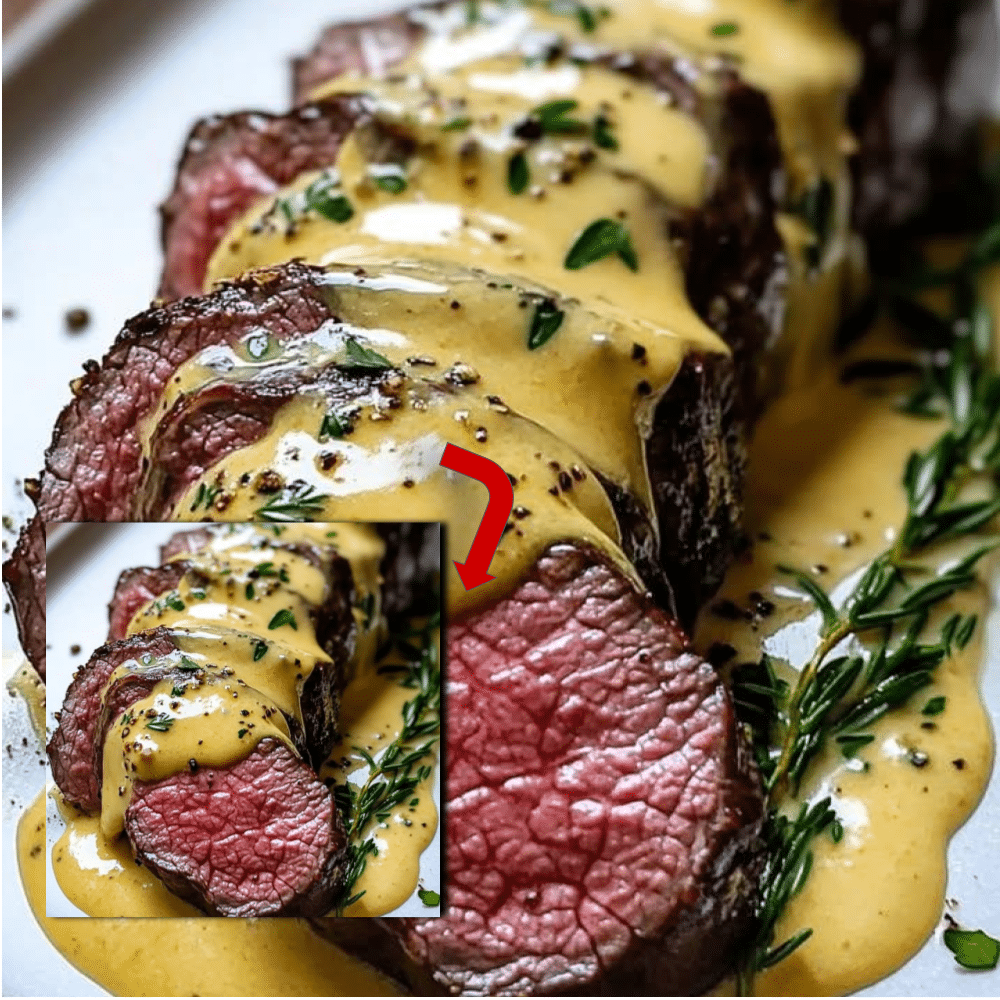
This step is as important as the sear itself. Once your medallions reach your desired internal temperature, immediately remove them from the pan and transfer them to a warm plate or cutting board. Tent loosely with foil. Allow them to rest for 5-10 minutes. This resting period allows the muscle fibers to relax and reabsorb the juices that have migrated to the center during cooking, resulting in an incredibly moist and tender steak. When ready to serve your Seared Beef Tenderloin Béarnaise, slice the medallions against the grain into thick, impressive rounds for optimal presentation and tenderness, a hallmark of any great Beef Medallions Recipe.
Serving Suggestions & Variations
Your exquisite Seared Beef Tenderloin Béarnaise deserves equally thoughtful accompaniments to complete the bistro experience.
Classic Sides
- Asparagus: Blanched or roasted asparagus provides a fresh, vibrant counterpoint.
- Pommes Frites: For an authentic “Steak Frites” experience, crispy French fries are a must – perfect for dipping!
- Garlic Mashed Potatoes: Creamy, garlicky mashed potatoes offer a comforting and luxurious side, ideal for elegant Sunday Roast Dinner Ideas.
No Seared Beef Tenderloin Béarnaise is complete without its classic accompaniments. The combination of tender beef, rich sauce, and crisp fries truly elevates the entire experience.
Wine Pairing: The Perfect Sip
To complement the richness of the beef and buttery Béarnaise, a robust red wine is ideal.
- Cabernet Sauvignon: Its firm tannins and notes of blackcurrant stand up beautifully to the steak.
- Bordeaux: A classic French pairing, offering structure, fruit, and earthy complexity.
- Pinot Noir (Burgundy): For a lighter, more elegant choice, providing delicate balance.
Sauce Variations: A Culinary Adventure
Once you’ve mastered the classic Béarnaise, explore delightful variations:
- Choron Sauce: Fold in a tablespoon or two of tomato paste for a lovely pink hue and a touch of sweetness.
- Foyot Sauce: Whisk in a tablespoon of reduced meat glaze (demi-glace) for an even richer, meatier profile and incredible depth.
Frequently Asked Questions (FAQ)
Can I make Béarnaise sauce in advance?
Béarnaise sauce is best made fresh and served immediately. Its delicate emulsion can separate if left to cool completely and reheated. If absolutely necessary, you can make it up to an hour in advance and keep it warm (not hot) in a thermos or a double boiler over very low heat, whisking occasionally. However, for the best texture and flavor, we recommend preparing it just before serving your Seared Beef Tenderloin Béarnaise.
What is the ideal internal temperature for tenderloin?
Using a reliable meat thermometer is essential for perfect doneness. Here’s a quick Beef Tenderloin Temperature Guide:
- Rare: 120-125°F (49-52°C)
- Medium-Rare: 130-135°F (54-57°C)
- Medium: 135-140°F (57-60°C)
- Medium-Well: 140-145°F (60-63°C)
Remember to remove the beef 5 degrees before your target temperature, as it will continue to cook during resting (carryover cooking).
How do I fix a broken Béarnaise sauce?
Don’t panic! A broken Béarnaise (where the butter separates from the egg yolks) can often be salvaged. Whisk an additional fresh egg yolk (or a teaspoon of hot water or lemon juice) in a clean, warm bowl. Slowly, drop by drop, whisk the broken sauce into the new egg yolk, continuing to whisk vigorously until the emulsion re-forms. This trick is key to mastering how to make Béarnaise sauce without fear.
Conclusion
Crafting a dish as magnificent as Seared Beef Tenderloin Béarnaise in your own home is a truly rewarding culinary achievement. From selecting the perfect cut of tenderloin to mastering the delicate art of Béarnaise sauce, each step contributes to an unforgettable dining experience. This classic French masterpiece proves that with attention to detail and a passion for flavor, you can transform any evening into a special occasion. Gather your ingredients, uncork a fine wine, and prepare to impress yourself and your guests with this elegant and utterly delicious meal.
For more gourmet recipes, cooking tips, and culinary inspiration, be sure to follow us on Facebook at https://www.facebook.com/profile.php?id=61568538666337. We can’t wait to share more delicious adventures with you!
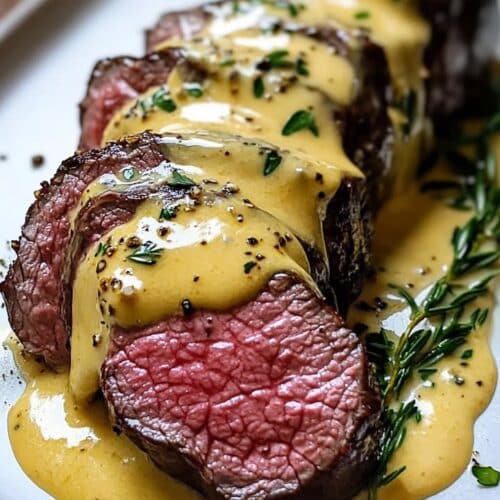
Seared Beef Tenderloin Béarnaise
Ingredients
- 4 6-oz steaks Beef tenderloin medallions (filet mignon) Approx. 1.5 inches thick, trimmed of silverskin
- 2 tbsp Vegetable oil or Grapeseed oil High smoke point oil for searing
- 1 tbsp Unsalted butter For basting the steak
- 1 tsp Kosher salt Plus more to taste
- 1 tsp Black pepper Freshly cracked
- 1/4 cup White wine vinegar For the reduction
- 1/4 cup Dry white wine Sauvignon Blanc or similar
- 1 tablespoon Shallots Finely minced
- 3 large Egg yolks Room temperature
- 1/2 cup Unsalted butter Melted and hot (1 stick)
- 1 tbsp Fresh tarragon Chopped
Instructions
- Remove the beef tenderloin steaks from the refrigerator 30 minutes before cooking to allow them to come to room temperature. Pat them dry thoroughly with paper towels and season generously on all sides with kosher salt and freshly cracked black pepper.
- Prepare the Béarnaise reduction: In a small saucepan, combine the white wine vinegar, dry white wine, minced shallots, and half of the chopped tarragon. Simmer over medium heat until the liquid reduces to about 1 tablespoon. Strain the liquid into a small bowl and let it cool slightly (or leave unstrained for a rustic texture).
- Set up a double boiler: Place a heatproof bowl over a pot of barely simmering water (ensure the bowl does not touch the water). Add the egg yolks and the reduced vinegar mixture to the bowl. Whisk vigorously and continuously until the yolks thicken, double in volume, and reach a ribbon-like consistency.
- Remove the bowl from the heat (place it on a folded towel to stabilize). Slowly drizzle in the hot melted butter while whisking constantly to create a smooth, creamy emulsion. If the sauce becomes too thick, whisk in a few drops of warm water.
- Stir in the remaining fresh tarragon and season with salt and pepper to taste. Keep the sauce warm in a thermos or over a very warm spot on the stove (do not reheat directly or it may split).
- Sear the beef: Heat a large cast-iron skillet or stainless steel pan over high heat. Add the vegetable oil. When the oil shimmers and just starts to smoke, carefully place the steaks in the pan.
- Sear undisturbed for 3-4 minutes until a deep brown crust forms. Flip the steaks, reduce heat to medium-high, and add the tablespoon of butter to the pan. Cook for another 3-4 minutes for medium-rare (internal temperature of 130°F to 135°F), basting the steaks with the foaming butter during the last minute.
- Transfer the steaks to a cutting board and let them rest for at least 5-10 minutes to allow juices to redistribute.
- Serve the steaks whole or sliced against the grain, spooning the warm Béarnaise sauce generously over the top.
For more daily recipes and tips, follow us on Facebook!
Click here to join our community!