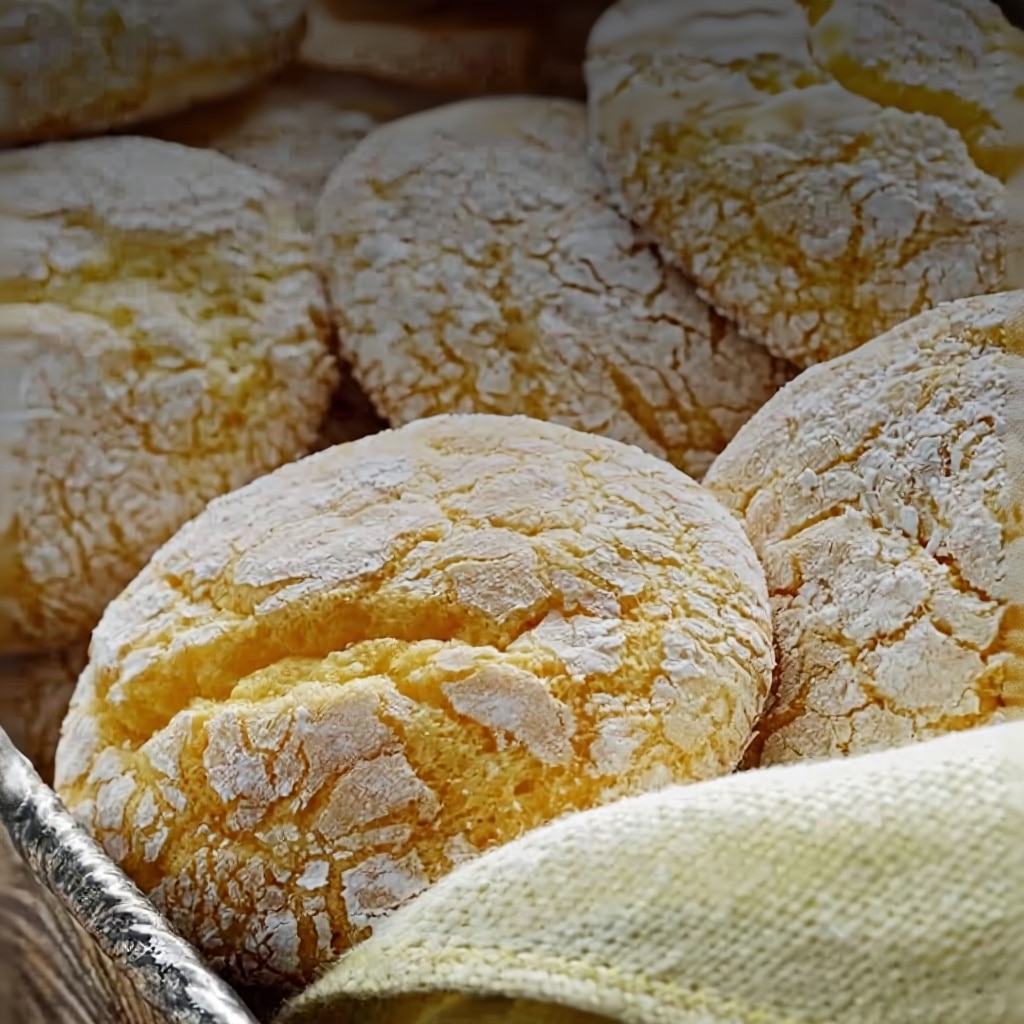
There’s something uniquely comforting about a warm basket of homemade rolls, especially when they carry the subtle sweetness and rustic charm of corn. Say hello to our incredible Cornmeal Rolls – a beloved staple that effortlessly combines the delicate fluffiness of classic yeast bread with the inviting texture and golden hue of cornmeal. These aren’t just any dinner rolls; they are a celebration of flavor and tradition, destined to become a highlight of your holiday dinners, Sunday suppers, or any meal that calls for a touch of homemade warmth.
Imagine biting into a roll that’s crisp on the outside, impossibly soft and tender on the inside, with a beautiful golden crumb. That’s the magic of these cornmeal yeast rolls. They offer a delightful flavor profile – slightly sweet, wonderfully buttery, and boasting that earthy corn note that makes them utterly irresistible. Forget store-bought; once you’ve experienced the joy of baking these from scratch, you’ll understand why they’re often called the ultimate golden dinner rolls.
Why Add Cornmeal to Dinner Rolls?
While many classic dinner roll recipes focus solely on wheat flour, the inclusion of cornmeal elevates these rolls to a whole new level. It’s not just an ingredient; it’s a game-changer for texture, flavor, and visual appeal.
Texture Enhancement: Adding cornmeal introduces a delightful, subtle grit and structure that contrasts beautifully with the soft, airy interior. It prevents the rolls from being overly airy, giving them a satisfying chew and a pleasant, rustic quality. This is key to achieving that perfect balance that makes these old fashioned cornmeal rolls so memorable.
Flavor Depth: Cornmeal brings its distinctive earthy, slightly sweet notes to the table. This natural flavor pairs exquisitely with the richness of butter and the subtle sweetness from sugar or honey in the dough. The result is a more complex and satisfying taste that stands out from typical white flour rolls, creating a truly unique southern cornmeal bread experience.
Color: Visually, cornmeal transforms the dough into a stunning golden yellow. This vibrant hue deepens during baking, yielding visually appealing rolls that look as good as they taste. That characteristic golden color is one of the hallmarks of truly excellent Cornmeal Rolls, making them an inviting addition to any bread basket.
Essential Ingredients
Crafting the perfect batch of homemade yeast rolls begins with selecting the right ingredients. Each component plays a crucial role in developing the signature taste and texture of these beloved rolls.
Yellow Cornmeal: For the best results, opt for a fine or medium grind yellow cornmeal. A finer grind will integrate more smoothly into the dough, contributing a softer texture, while a medium grind will provide a slightly more pronounced, rustic bite. Avoid coarse polenta-style cornmeal, as it can make the rolls too gritty.
Yeast: This is the heart of any good yeast roll recipe. You can use either active dry yeast or instant yeast. Active dry yeast typically needs to be proofed (activated in warm liquid) before mixing, while instant yeast can often be mixed directly with the dry ingredients. Ensure your yeast is fresh for an optimal rise.
Dairy: Whole milk and unsalted butter are essential for imparting richness, tenderness, and a beautiful golden crust. The milk not only provides liquid for the dough but also contributes to its soft crumb, while butter adds an unparalleled depth of flavor and helps create those wonderfully soft dinner rolls.
Sweetener: A touch of sugar or honey serves a dual purpose. It feeds the yeast, helping it activate and produce carbon dioxide for a good rise, and it also balances the earthy notes of the cornmeal, enhancing the overall flavor profile of these delectable cornmeal bread buns.
All-Purpose Flour: The primary structural component. While cornmeal adds character, the majority of the roll’s volume and elasticity comes from wheat flour. Ensure you measure it correctly for the ideal dough consistency.
Salt: A crucial flavor enhancer, salt brings out the sweetness of the other ingredients and provides balance. Don’t skip it!
Step-by-Step Baking Guide
Follow these detailed steps to create your own batch of irresistible Cornmeal Rolls. Patience is a virtue in baking yeast breads, and the reward is truly worth every minute.
Preparing the Dough
Scald the Milk and Hydrate Cornmeal: In a small saucepan, gently heat the whole milk until it just begins to steam and bubbles form around the edges (do not boil). Remove from heat and stir in the cornmeal, a tablespoon of sugar (if using), and a pinch of salt. Let this mixture sit for 10-15 minutes, allowing the cornmeal to soften and hydrate. This step helps prevent a gritty texture in your finished rolls.
Melt the Butter: While the cornmeal mixture cools slightly, melt the unsalted butter and set aside to cool to lukewarm. Add it to the cornmeal mixture once both have cooled enough to be comfortable to the touch.
Proof the Yeast: In a separate small bowl, combine warm water (about 105-115°F / 40-46°C) with the remaining sugar or honey and sprinkle the active dry yeast over the top. Let it sit for 5-10 minutes until foamy. If using instant yeast, you can often add it directly to the dry ingredients, but proofing it separately ensures it’s active.
Combine Wet and Dry Ingredients: In a large mixing bowl, combine the cooled cornmeal-milk-butter mixture with the proofed yeast mixture. Gradually add 2 cups of the all-purpose flour, mixing with a wooden spoon or stand mixer on low speed until just combined. This forms a shaggy dough.
Kneading and First Rise
Kneading: Gradually add the remaining flour, about 1/2 cup at a time, until the dough comes together and is no longer excessively sticky. Turn the dough out onto a lightly floured surface and knead for 8-10 minutes. If using a stand mixer with a dough hook, knead on medium-low speed for 6-8 minutes. You’re looking for a smooth, elastic consistency that springs back when gently poked. A perfectly kneaded dough is essential for truly soft dinner rolls.
First Rise: Lightly grease a large bowl with a little oil. Place the dough in the bowl, turning it once to coat the entire surface. Cover the bowl tightly with plastic wrap or a clean kitchen towel. Let the dough rise in a warm, draft-free place (around 70-75°F / 21-24°C) for 1 to 1.5 hours, or until it has doubled in size. This is a crucial step for achieving light and airy homemade yeast rolls.
Shaping the Rolls
Punch Down and Divide: Once doubled, gently punch down the dough to release the air. Turn it out onto a lightly floured surface. Divide the dough evenly into 12-16 pieces, depending on your desired roll size. For uniform baking, using a kitchen scale to weigh each piece is recommended.

Roll into Balls: Take each piece of dough and flatten it slightly. Then, pull the edges into the center and pinch them together to form a tight seam at the bottom. Roll the dough between your palm and the work surface to create a smooth, tight ball. This technique creates tension on the surface, which helps the rolls hold their shape and rise beautifully.
Second Rise: Arrange the shaped dough balls about 1 inch apart in a greased 9×13 inch baking pan or on a parchment-lined baking sheet. Cover loosely with plastic wrap or a clean towel and let them rise again in a warm, draft-free spot for another 30-45 minutes, or until noticeably puffy and almost doubled in size. This second rise is vital for tender cornmeal bread buns.
Baking to Golden Perfection
Preheat Oven: While the rolls are on their second rise, preheat your oven to 375°F (190°C). Position an oven rack in the middle of the oven for even baking.
Bake: Bake the Cornmeal Rolls for 18-22 minutes, or until they are deeply golden brown on top and sound hollow when tapped on the bottom. The internal temperature should register around 200°F (93°C) with an instant-read thermometer.
Brush with Butter: As soon as the rolls come out of the oven, brush them generously with melted unsalted butter. This adds extra flavor, a beautiful sheen, and helps keep the crust soft. Transfer to a wire rack to cool slightly before serving.
Tips for Success
Achieving bakery-quality easy yeast bread at home is entirely possible with a few key considerations.
Measure Flour Correctly: Always spoon flour into your measuring cup and then level it off with a straight edge. Scooping directly from the bag can compact the flour, leading to too much flour in your dough, resulting in dense, dry rolls. For the most accurate results, weigh your flour using a kitchen scale.
Ensure Fresh Yeast: Yeast is a living organism, and old or inactive yeast will fail to produce a good rise. Always check the expiration date and proof your yeast (as described in the recipe) to ensure it’s active before adding it to your main dough. A foamy, bubbly mixture indicates happy, active yeast.
Keep the Dough Covered: During both rises, it’s crucial to keep your dough covered with plastic wrap or a clean kitchen towel. This prevents the surface of the dough from drying out and forming a crust, which can inhibit rising and result in tough rolls. A lightly oiled plastic wrap works best to prevent sticking.
Maintain Proper Dough Temperature: Yeast thrives in a warm environment. Ensure your milk is scalded and cooled to lukewarm, and your water for proofing yeast is within the specified temperature range. Cold ingredients can slow down or even inhibit yeast activity, while too hot can kill it. A warm, draft-free spot for rising is also vital.
Don’t Over-Flour: While kneading, resist the urge to add too much extra flour, even if the dough seems a bit sticky. A slightly tacky dough often leads to more tender rolls. Add flour sparingly, just enough to prevent excessive sticking.
“Baking homemade rolls is a true act of love. The aroma alone is enough to bring joy, and the flavor of fresh Cornmeal Rolls is simply unparalleled. Don’t rush the process, and enjoy every step!” – Expert Home Baker
Serving Suggestions
These versatile Cornmeal Rolls are more than just a side dish; they’re an experience waiting to happen. Their unique flavor and texture make them suitable for a wide array of meals.
Pairings: These rolls are the perfect companion for hearty meals. Serve them alongside a robust chili, a comforting stew, or tender roasted meats like a succulent beef roast. They make an excellent addition to any holiday spread, such as Thanksgiving or Christmas, or simply elevate your everyday Sunday supper. Their slightly sweet and savory profile makes them an ideal complement to rich flavors, creating a memorable holiday side dish recipe.
Toppings: While delicious plain, these golden dinner rolls can be taken to the next level with a variety of toppings. A dollop of homemade honey butter, a smear of your favorite fruit jam, or simply a generous pat of good quality salted butter are all fantastic choices. They also make excellent mini sandwiches for leftover beef or ham.
Frequently Asked Questions
Can I make the dough ahead of time?
Yes, absolutely! You can prepare the dough up to the end of the first rise. After the first rise, gently punch down the dough, shape it into balls, and place them in your baking pan. Cover tightly with plastic wrap and refrigerate for up to 24 hours. When ready to bake, remove the rolls from the refrigerator and let them come to room temperature and complete their second rise (this may take 1-2 hours) before baking as directed. This makes them an excellent easy yeast bread option for busy schedules.
What are the best freezing and reheating instructions for Cornmeal Rolls?
To freeze baked Cornmeal Rolls, allow them to cool completely. Place them in a single layer on a baking sheet and freeze until solid, then transfer to a freezer-safe bag or airtight container. They will keep for up to 2-3 months. To reheat, thaw at room temperature, then warm in a 300°F (150°C) oven for 8-10 minutes, or until heated through. You can also freeze unbaked dough after the first rise: punch down, shape, and flash freeze before transferring to a freezer bag. Thaw overnight in the fridge, then allow to rise at room temperature before baking.
Are there any substitutions for dairy-free options?
Yes, you can certainly make these cornmeal yeast rolls dairy-free. Substitute whole milk with an unsweetened plain dairy-free milk alternative, such as almond milk or soy milk. For the butter, use a good quality dairy-free butter substitute or a neutral oil like canola or vegetable oil. Note that using oil might slightly alter the richness and crust development compared to butter, but the rolls will still be delicious.
Embrace the warmth and flavor of these extraordinary Cornmeal Rolls in your kitchen. Whether served hot from the oven or as part of a grand feast, these golden beauties are sure to earn a permanent spot on your recipe rotation. Happy baking!
Rustic Cornmeal Rolls
Ingredients
- 2 cups Whole milk
- 1/2 cup Yellow cornmeal
- 1/2 cup Unsalted butter
- 1/3 cup Granulated sugar
- 1 tsp Salt
- 1 packet (2 1/4 tsp) Active dry yeast
- 1/4 cup Warm water
- 2 whole Large eggs
- 5 cups All-purpose flour
Instructions
- In a small saucepan, heat the milk until it just begins to simmer. Remove from heat and stir in the cornmeal, butter, sugar, and salt. Let the mixture cool to lukewarm (approx. 110°F).
- In a small bowl, dissolve the yeast in the warm water. Let it stand for 5 minutes until frothy.
- In a large mixing bowl or stand mixer, combine the cooled cornmeal mixture, beaten eggs, and the yeast mixture.
- Gradually add the flour, mixing until a soft dough forms. You may need slightly more or less flour depending on humidity.
- Turn the dough onto a floured surface and knead for 6-8 minutes until smooth and elastic. If using a stand mixer, knead with the dough hook for 5 minutes.
- Place the dough in a greased bowl, turning once to grease the top. Cover with a clean cloth and let rise in a warm place until doubled in size, about 1 hour.
- Punch down the dough and divide it into 24 equal pieces. Shape each piece into a smooth ball.
- Place the rolls into a greased 9x13 inch baking pan or on a baking sheet. Cover and let rise again until doubled, about 45 minutes.
- Preheat oven to 375°F (190°C).
- Bake for 15-20 minutes, or until the rolls are golden brown on top. Brush with additional melted butter immediately after removing from the oven.
For more daily recipes and tips, follow us on Facebook!
Click here to join our community!