“`html
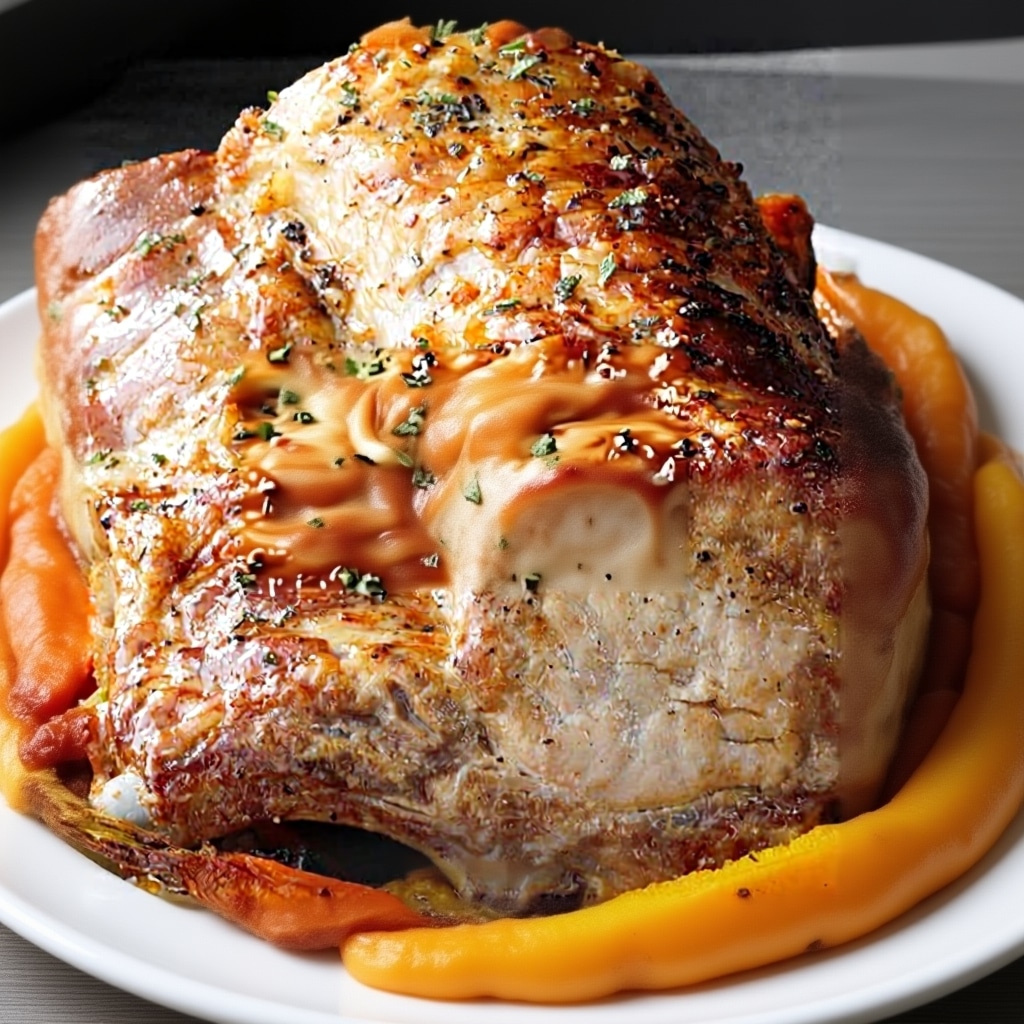
Welcome to the last pork roast recipe you’ll ever need. Forget dry, tough, or bland pork. This comprehensive guide will walk you through creating a show-stopping, incredibly juicy pork roast and flavorful centerpiece for any meal, from a cozy Sunday dinner idea to a festive holiday pork roast. This easy pork roast recipe covers everything from choosing the perfect cut of meat to achieving that irresistible golden-brown crust, all with simple, easy-to-follow steps. Get ready to master the art of the perfect oven roasted pork, ensuring a tender, memorable meal every time. This ultimate pork roast recipe will become your go-to.
Why You’ll Love This Recipe
- Incredibly Juicy & Tender: Our method and precise temperature guide guarantee succulent results, making this the best pork roast recipe for a truly tender pork roast.
- Packed with Flavor: A simple but potent garlic herb pork roast rub infuses the meat with deep, aromatic flavor, easily making this a simple pork roast with gourmet taste.
- Impressively Easy: This easy pork roast recipe looks and tastes gourmet, but it’s surprisingly straightforward for cooks of all skill levels.
- Perfect for Any Occasion: Elevate a weeknight meal or create a memorable holiday dinner with this versatile pork roast recipe.
Choosing the Right Cut of Pork for Roasting
The cut of pork you choose significantly impacts the final texture and flavor of your pork roast recipe. Here are the best options:
Pork Loin Roast (Recommended)
This is our top choice for a classic, sliceable roast, making it the ideal pork loin roast recipe base. It’s a lean, tender cut from the back of the pig, easy to carve, and cooks relatively quickly. Look for one with a good fat cap on top; this melts during cooking to baste the meat, keeping it moist and contributing to a delicious pork roast with crispy skin.
Pork Shoulder (Boston Butt or Picnic Roast)
Known for its rich marbling and abundant connective tissue, pork shoulder roast recipe becomes incredibly tender and flavorful when cooked low and slow. Often referred to as a Boston butt recipe, it’s more forgiving than pork loin and perfect if you’re aiming for fall-apart, shreddable pork. This cut is also excellent for a slow cooker pork roast variation.
Other Options
Pork tenderloin is much smaller and leaner, requiring a significantly shorter cooking time. While delicious, it’s not ideal for this specific roast. A pork leg (fresh ham) is a large cut perfect for a big crowd, often with skin that can be transformed into incredible crackling.
Ingredients You’ll Need
This pork roast recipe uses simple, high-quality ingredients to let the pork shine, creating a rich and aromatic experience.
For the Pork Roast:
- Pork Loin Roast: One 3-4 pound boneless pork loin roast, fat cap on.
- Olive Oil: Extra virgin.
- Garlic: 6-8 fresh cloves, minced for that pungent garlic herb pork roast flavor.
- Fresh Herbs: 2 tablespoons each of finely chopped rosemary, thyme, and sage for elevated pork roast seasoning.
- Salt: 2 teaspoons coarse sea salt or kosher salt.
- Black Pepper: 1 teaspoon freshly cracked.
For the Roasting Pan (Optional but Recommended):
- Root Vegetables: 1 large onion, 2 carrots, 2 celery stalks, roughly chopped. These create a natural roasting rack and flavor the pan drippings for a superb pork roast with gravy.
- Broth: 1 cup chicken or beef broth.
Step-by-Step Instructions: How to Make the Perfect Pork Roast
Follow these steps carefully for a flawless, incredibly juicy, and tender pork roast. This is your definitive pork roast recipe guide on how to cook a pork roast that will impress.
1. Prepare the Pork
Remove the pork from the refrigerator 45-60 minutes before cooking to reach room temperature for even cooking. Pat the entire roast very dry with paper towels; a dry surface is key to achieving a beautiful, golden-brown crust. If your fat cap is thick, score it with a sharp knife in a diamond pattern, careful not to cut into the meat itself. This helps render the fat and contributes to a delicious pork roast with crispy skin.
2. Make the Garlic Herb Rub
In a small bowl, combine the minced garlic, chopped fresh herbs, olive oil, salt, and pepper. Mix until it forms a thick, fragrant paste. This simple yet powerful pork roast seasoning will define the flavor.
3. Season the Roast
Rub the garlic herb paste evenly and generously over the entire pork roast, ensuring it gets into all the nooks and crannies of your scored fat cap. This simple preparation makes it a truly simple pork roast recipe. For deeper flavor, a pork roast marinade overnight is an alternative, but this rub yields fantastic results quickly.
4. Sear for a Golden Crust (Optional but Recommended)
For an extra layer of flavor and a deep brown crust, sear the roast before it goes in the oven. Heat a large, oven-safe skillet or Dutch oven pork roast pan over medium-high heat with a tablespoon of olive oil. Carefully place the pork roast in the hot pan and sear on all sides until golden brown, about 2-3 minutes per side. This step locks in moisture and adds incredible depth.
5. Roast to Perfection
Preheat your oven to 375°F (190°C). Scatter the chopped onion, carrots, and celery (your pork roast with vegetables base) in the bottom of a sturdy roasting pan. Place the seared pork roast on top of the vegetables (fat side up). Pour the broth into the bottom of the pan. Roast for approximately 20-25 minutes per pound for a 3-4lb roast, creating a perfect oven roasted pork recipe, or until the pork roast internal temperature reaches 145°F (63°C). A meat thermometer is your best friend here!
6. Rest, Rest, Rest!
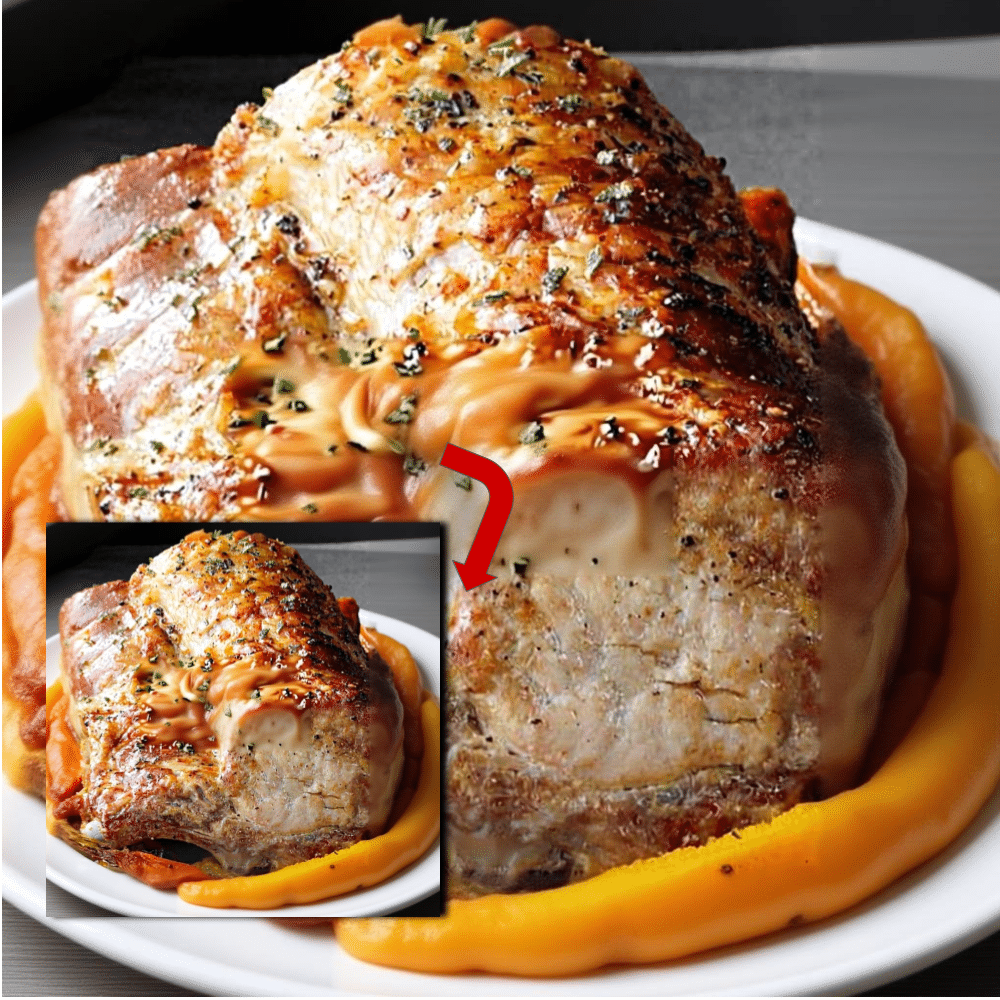
This is arguably the most critical step for a truly juicy pork roast! Transfer the roast to a cutting board and tent loosely with foil. Let it rest for a minimum of 15-20 minutes. During this time, the internal temperature will continue to rise a few degrees (carry-over cooking), and the juices will redistribute throughout the meat, ensuring every slice is incredibly tender and moist.
7. Make the Pan Gravy (Optional)
While the pork rests, strain the drippings from the roasting pan into a saucepan. Skim off any excess fat. Bring the flavorful liquid to a simmer and thicken with a cornstarch slurry (1 tablespoon cornstarch mixed with 2 tablespoons cold water) to create a delicious, savory pork roast with gravy. Season to taste.
Pro Tips for a Juicy Pork Roast
Achieving a perfectly juicy pork roast every time is easier with these expert insights for your pork roast recipe:
- Use a Meat Thermometer: This is non-negotiable for perfectly cooked pork. Color is not a reliable indicator. Insert the thermometer into the thickest part of the roast, avoiding bone. Pull the roast from the oven at 145°F (63°C). Knowing the correct pork roast internal temperature is paramount.
- Don’t Overcook: The most common mistake is overcooking, which leads to dry pork. Modern pork is safe to eat with a hint of pink in the center. Understanding how long to cook pork roast often means trusting your thermometer, not just the clock.
- Let it Rest: We can’t say it enough. Cutting into the roast too soon will cause all the delicious juices to run out onto your cutting board, resulting in a drier roast. This rest is key for a truly tender pork roast.
- Fat Cap Up: Always roast with the fat cap on top. As it renders, it will continuously self-baste the loin, keeping it moist and flavorful and helping create that desirable pork roast with crispy skin.
Expert Tip: For an even more intense flavor, consider dry-brining your pork roast with salt for 12-24 hours before adding the herb rub. This helps tenderize the meat and locks in moisture.
What to Serve with Pork Roast
This classic main dish pairs beautifully with a wide variety of sides, making it a perfect center for any Sunday dinner idea or festive gathering. Consider these pairings to complement your delicious pork roast recipe:
- Starches: Creamy Mashed Potatoes, Scalloped Potatoes, Roasted Sweet Potatoes, or a hearty Rice Pilaf. Don’t forget classic pork roast and potatoes!
- Vegetables: Garlic Green Beans, Honey-Glazed Carrots, Roasted Brussels Sprouts with Bacon, or a simple side salad with a vinaigrette.
- Sauces: Beyond a classic gravy, this roast is excellent with homemade applesauce, a tangy fruit chutney, or a creamy Dijon mustard sauce.
Storing & Reheating Leftovers
Store leftover pork roast in an airtight container in the refrigerator for up to 3-4 days. To reheat, slice the pork and place it in an oven-safe dish with a splash of broth or water. Cover with foil and warm in a 325°F (165°C) oven until heated through. This gentle reheating method prevents it from drying out. Leftovers are also fantastic served cold in sandwiches, wraps, or added to salads for a quick lunch.
Frequently Asked Questions (FAQ)
What is the best cut of pork for a roast?
For a classic, sliceable roast that remains tender, pork loin roast is the best choice due to its lean nature and uniform shape. Many consider this the best pork roast recipe approach for a dinner party. For a richer, fall-apart style roast, pork shoulder (specifically a Boston butt recipe) is ideal, especially for longer, slower cooking methods like a slow cooker pork roast.
How long do you cook a pork roast per pound?
At 375°F (190°C), a general rule of thumb for a boneless pork loin roast recipe is 20-25 minutes per pound. However, for a truly perfect result, always cook to the target internal temperature, not just time. A reliable meat thermometer is essential for knowing how long to cook pork roast accurately for any pork roast recipe.
What temperature should pork roast be cooked to?
The USDA recommends cooking pork roasts to a minimum internal temperature of 145°F (63°C), followed by a minimum 3-minute rest. This will result in a slightly pink center, ensuring a juicy, tender, and perfectly safe roast. Always verify with a meat thermometer at the thickest part.
Should I cover my pork roast when it’s in the oven?
It’s generally best to roast uncovered to achieve a beautiful, brown crust and delicious pork roast with crispy skin. If you notice the crust is browning too quickly before the inside is cooked, you can loosely tent it with foil to prevent over-browning while the interior finishes cooking.
How do I keep my pork roast from drying out?
To prevent a dry pork roast, follow these key tips: choose a cut with a good fat cap (like pork loin), do not overcook it (always use a meat thermometer and target 145°F), and allow it to rest properly for 15-20 minutes before slicing. Ensuring the fat cap is rendered helps significantly.
“`
For more daily recipes and tips, follow us on Facebook!
Click here to join our community!