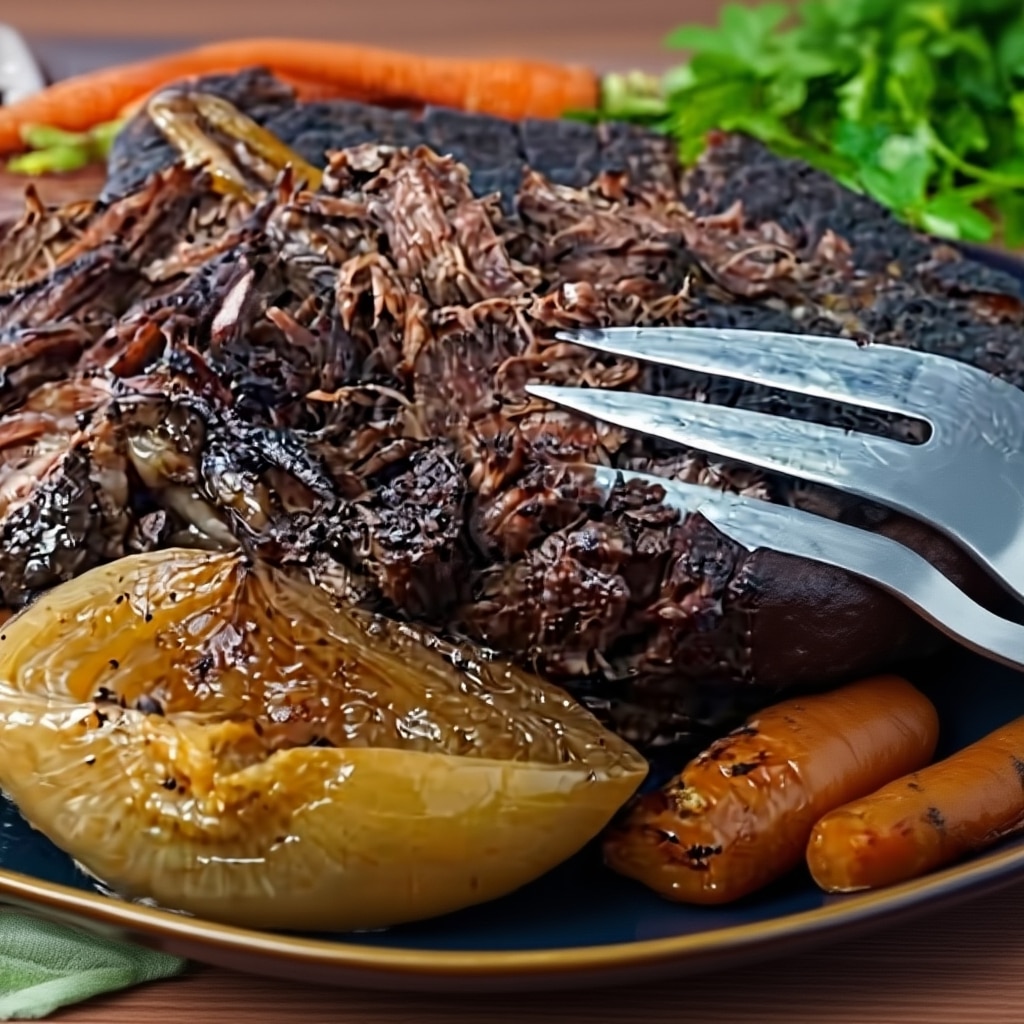
The Ultimate Pioneer Woman Pot Roast: Your New Family Favorite
Picture this: a chilly Sunday afternoon, your home filled with the irresistible aroma of a slowly braised, deeply savory, and utterly tender beef pot roast. This isn’t just any pot roast; we’re talking about the gold standard – the Pioneer Woman Pot Roast. Ree Drummond, the queen of hearty, rustic, and flavor-packed dishes, knows how to create comfort food that truly feeds the soul. Her take on this classic Sunday dinner is renowned for its fall-apart tenderness, rich gravy, and vibrant vegetables. Get ready to master the perfect pot roast recipe that will become a cherished family favorite, complete with step-by-step instructions, essential tips for success, cooking variations, and delightful serving suggestions.
Why This Recipe Works (And Why You’ll Love It!)
The magic of Ree Drummond’s approach to this comfort food classic lies in its simplicity and deep understanding of flavor building. Here’s why this Pioneer Woman Pot Roast stands out:
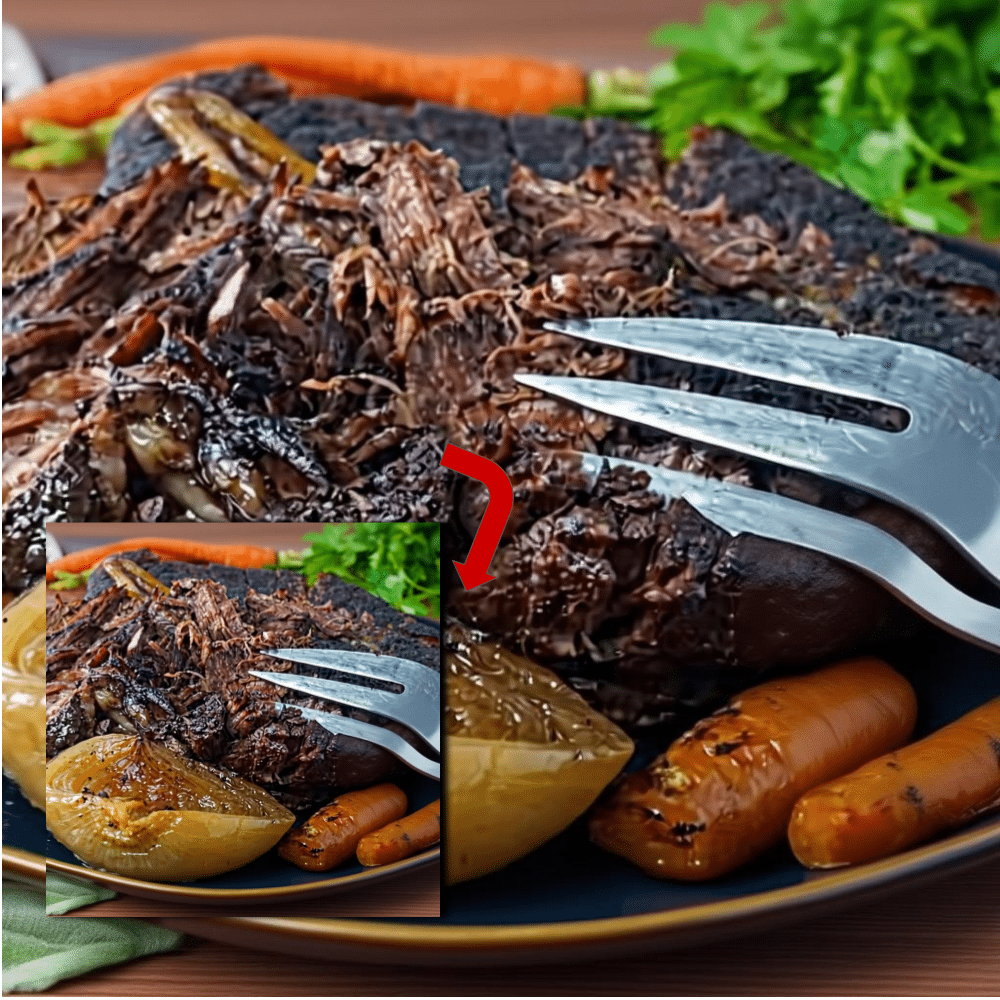
- Fall-Apart Tender: We unlock the secrets to achieving meat so tender you can shred it with a fork. It’s all about the low and slow braise.
- Deep, Rich Flavor: From searing the chuck roast to deglazing the pan with red wine, every step builds layers of savory goodness that create an unforgettable pot roast gravy.
- One-Pot Wonder: This easy pot roast recipe brings together your meat and vegetables in a single Dutch oven, minimizing cleanup while maximizing flavor. A true beef pot roast with potatoes and carrots masterpiece!
- Perfect for Any Occasion: Whether it’s a cozy Sunday dinner, a holiday feast, or feeding a crowd, this old fashioned pot roast delivers every time.
- Foolproof Instructions: Our clear, step-by-step guidance ensures even beginners can achieve a perfect pot roast recipe with confidence.
The Key Ingredients for a Perfect Pot Roast
Crafting a truly exceptional Pioneer Woman Pot Roast begins with understanding the role of each ingredient. Quality matters here!
The Best Cut of Beef for Pot Roast
For a truly fall-apart tender pot roast, a boneless beef chuck roast is your champion. Its generous marbling and connective tissues break down beautifully during long, slow cooking, yielding incredibly moist and flavorful meat. While chuck is ideal, you could also consider brisket or bottom round, though they may require slightly longer cooking times to achieve the same tenderness.
The Aromatic Vegetables (The Mirepoix)
The foundation of flavor for any great pot roast begins with a classic mirepoix: onions, carrots, and celery. Cut them into large, rustic chunks (about 1-2 inches) so they can withstand the lengthy cooking process without turning to mush, imparting their sweet and savory notes to the braising liquid.
The Braising Liquid
This is where your Pioneer Woman Pot Roast gets its soul. A rich beef broth or stock provides the savory base. A dry red wine, such as Cabernet Sauvignon or Merlot, adds incredible depth, acidity, and complexity – crucial for a deeply flavored pot roast with red wine. If you prefer to omit alcohol, simply use extra beef broth with a splash of balsamic vinegar or Worcestershire sauce for that umami kick.
Herbs and Seasonings
Simple yet essential, a generous seasoning of kosher salt and freshly cracked black pepper before searing is critical. For herbs, fresh sprigs of thyme and rosemary infuse the roast with an aromatic, earthy perfume. While dried herbs can work in a pinch, fresh herbs lend a more vibrant flavor profile.
How to Make the Pioneer Woman Pot Roast (Step-by-Step)
Follow these detailed steps to create a show-stopping Pioneer Woman Pot Roast right in your own kitchen.
Step 1: Prepare and Sear the Roast
Pat your 3-5 pound chuck roast dry with paper towels; this is crucial for a good sear. Season generously on all sides with salt and black pepper. Heat a large Dutch oven over medium-high heat with a tablespoon or two of olive oil. Once shimmering, sear the chuck roast on all sides until deep golden brown. This Maillard reaction creates incredible flavor.
Step 2: Sauté the Aromatics
Remove the seared roast from the Dutch oven and set aside. Add your chopped onions, carrots, and celery to the pot, cooking in the residual beef fat and oil for 5-7 minutes, scraping up any browned bits, until slightly softened and fragrant.
Step 3: Deglaze the Pan
Pour in about a cup of dry red wine (or extra beef broth). Use a wooden spoon to scrape up all the delicious browned bits (fond) from the bottom of the pot. This fond is pure flavor and will contribute immensely to your pot roast gravy.
Step 4: The Slow Braise
Return the seared beef chuck roast to the Dutch oven. Add the remaining beef broth (enough to come about halfway to two-thirds up the side of the meat) and nestle in the fresh sprigs of thyme and rosemary. Bring the liquid to a gentle simmer on the stovetop, then cover tightly with the lid. Transfer the Dutch oven pot roast to a preheated oven at 325°F (160°C) and cook for 2 hours.
Step 5: Add Potatoes and Finish Cooking
After 2 hours, carefully remove the pot from the oven. Add your peeled and quartered potatoes to the pot, ensuring they are partially submerged in the braising liquid. Re-cover the pot and return it to the oven for another 1 to 1.5 hours, or until the pot roast is incredibly fall-apart tender and the vegetables are soft.
Step 6: Make the Pan Gravy
Once cooked, remove the beef and vegetables from the pot and set aside, tented with foil. Strain the cooking liquid into a saucepan, pressing on the solids to extract all the flavor. Skim off excess fat. Bring the liquid to a simmer, then whisk in a cornstarch slurry (2 tbsp cornstarch mixed with 2 tbsp cold water) or a flour roux until the gravy thickens to your desired consistency. Season with salt and pepper to taste.

Cooking Method Variations
While the oven-braised Dutch oven pot roast is classic, you can achieve delicious results using other popular cooking appliances for your Pioneer Woman Pot Roast.
Slow Cooker (Crock-Pot) Pot Roast
To make a slow cooker pot roast, perform Steps 1-3 (searing the meat and sautéing aromatics) on the stovetop for optimal flavor. Then, transfer the seared roast, sautéed vegetables, braising liquid, and herbs to your Crock-Pot. Cook on low for 6-8 hours or on high for 3-4 hours, adding potatoes during the last 2 hours on low or 1 hour on high. Finish with the pan gravy as directed.
Instant Pot (Pressure Cooker) Pot Roast
For a quicker Instant Pot pot roast, use the ‘Sauté’ function to sear the chuck roast and sauté the aromatics directly in the pot. Deglaze with wine/broth, then add the roast, remaining liquid, and herbs. Close the lid, set the vent to sealing, and pressure cook on ‘Manual’ or ‘Meat/Stew’ for 60-75 minutes (for a 3-4 lb roast). Allow for a natural pressure release for 15-20 minutes before quick releasing any remaining pressure. Add potatoes and pressure cook for another 8-10 minutes. Follow the gravy steps.
Expert Tips for Pot Roast Perfection
Achieving a perfect pot roast recipe every time requires a few key insights. Keep these pro tips in mind:
- Don’t Crowd the Pan: When searing your chuck roast, ensure it has plenty of space in the Dutch oven. Crowding lowers the pan temperature and prevents a good, flavorful crust from forming. Sear in batches if necessary.
- Low and Slow is Key: Patience is a virtue with pot roast. The long, gentle braise at a lower temperature is essential for breaking down the tough connective tissues in the beef, leading to that coveted fall-apart tenderness. Don’t rush it!
- Let It Rest: Once cooked, allow the roast to rest for 10-15 minutes before shredding. This allows the juices to redistribute throughout the meat, ensuring it remains moist and flavorful.
- How to Tell When It’s Done: Forget the internal thermometer for tenderness. A truly done pot roast will easily pull apart with a fork, requiring little to no resistance. That’s how to make pot roast tender.
- Thickening Your Gravy: A cornstarch slurry creates a glossy gravy, while a flour roux results in a more opaque, traditional pot roast gravy. Always mix your thickener with cold liquid first to prevent lumps.
What to Serve with Your Pot Roast
A well-made Pioneer Woman Pot Roast is a meal in itself, but these pairings elevate the experience:
- Starches: Creamy Mashed Potatoes (always a winner!), wide egg noodles, or crusty bread/dinner rolls for soaking up that delicious gravy.
- Vegetables: While the roast includes carrots and potatoes, a side of roasted green beans or a crisp garden salad with a bright vinaigrette offers a refreshing contrast.
- Wine Pairings: A full-bodied red wine, like the Cabernet Sauvignon used in the braising liquid, complements the rich flavors beautifully.
Storing, Freezing, and Reheating Leftovers
Don’t let any of your delicious Pioneer Woman Pot Roast go to waste!
- Storing: Store leftover pot roast and vegetables submerged in its gravy in an airtight container in the refrigerator for up to 3-4 days. This helps keep the meat moist.
- Reheating: Gently reheat on the stovetop over low heat or in the oven at 300°F (150°C), covered, until warmed through. Avoid high heat, which can dry out the meat.
- Freezing: Pot roast freezes wonderfully. Allow it to cool completely, then transfer to a freezer-safe container with plenty of gravy. Freeze for up to 3 months. Thaw in the refrigerator overnight before reheating.
- Using Leftovers: Get creative! Make delicious pot roast sandwiches on toasted buns, hearty beef and noodle soup, or even flavorful pot roast tacos.
Frequently Asked Questions (FAQ)
What cut of meat does the Pioneer Woman use for pot roast?
Ree Drummond’s classic Pioneer Woman Pot Roast recipe calls for a 3-5 pound boneless beef chuck roast. This cut is ideal due to its excellent marbling and connective tissue, which breaks down into tender, juicy meat when slow-cooked.
How do you make pot roast tender and not tough?
The keys to a tender pot roast are using the correct cut of meat (chuck roast), cooking it low and slow for an extended period, and ensuring ample braising liquid. The long cooking time allows connective tissues to break down into gelatin, making the meat incredibly succulent.
Should pot roast be fully submerged in liquid?
No, the pot roast should not be fully submerged. The braising liquid should come about halfway to two-thirds up the side of the meat. This allows the top portion to brown and caramelize while the bottom braises, contributing to a richer and more complex flavor.
Do you cook pot roast covered or uncovered in the oven?
You should cook pot roast covered tightly with a lid or foil in the oven. Covering the pot traps steam and moisture, creating a humid environment that is essential for braising the meat and achieving that desired fall-apart tenderness.
Can I make this pot roast without wine?
Absolutely. While wine adds a layer of acidic depth and complexity, you can substitute it with an equal amount of additional beef broth. For extra umami, consider adding a splash of Worcestershire sauce or a tablespoon of balsamic vinegar to the broth.
The Perfect Pioneer Woman Pot Roast Recipe
This Pioneer Woman Pot Roast is more than just a meal; it’s a culinary hug, a timeless tradition, and a guaranteed crowd-pleaser. With its deeply rich flavors, fall-apart tender beef, and comforting vegetables, it embodies everything we love about homemade comfort food. Don’t wait for a special occasion—make any day special with this unforgettable dish. Give this perfect pot roast recipe a try, and prepare to be amazed! We’d love to hear how it turned out in the comments below!
For more daily recipes and tips, follow us on Facebook!
Click here to join our community!