
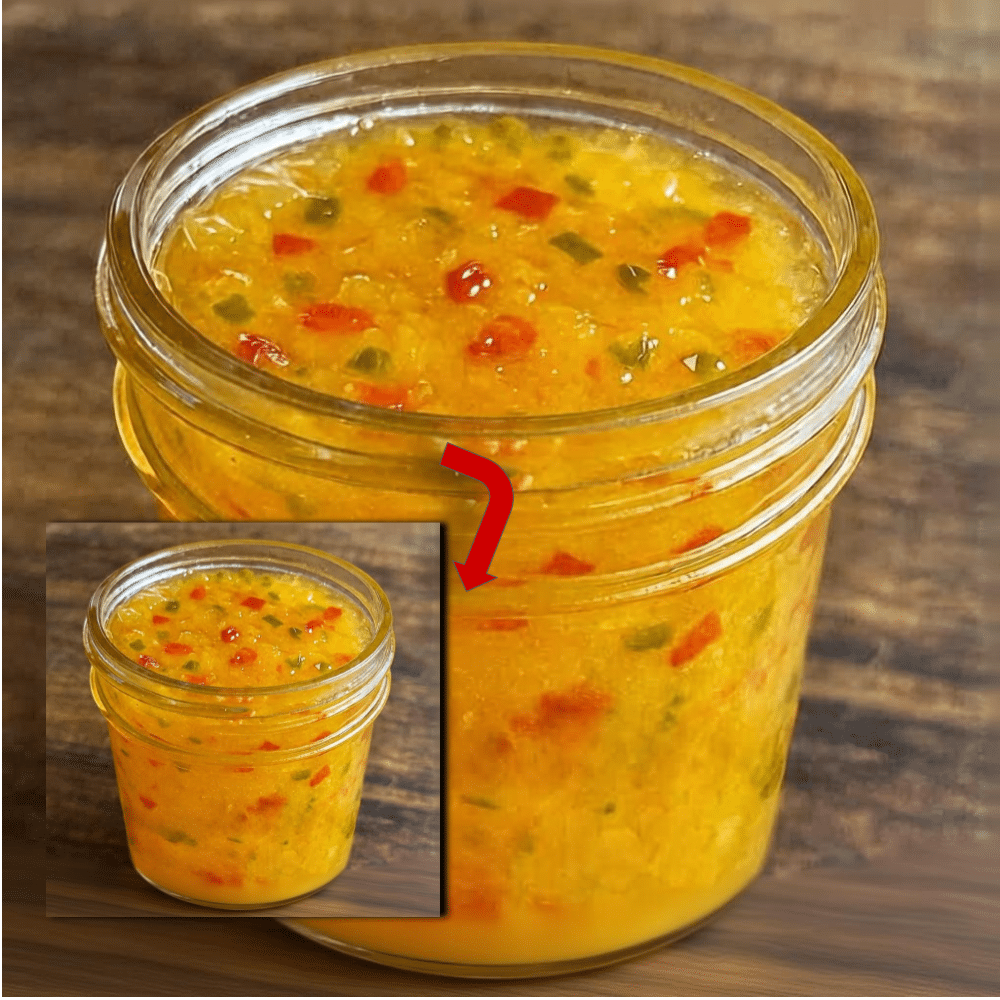
Get ready to ignite your taste buds with a symphony of sweet, spicy, and tangy flavors! Imagine a spread so vibrant it brightens any dish, so versatile it transforms simple appetizers into gourmet delights, and so easy to make you’ll wonder why you ever bought store-bought. We’re talking about the star of today’s show: Pineapple Jalapeño Pepper Jelly. This easy pepper jelly recipe delivers incredible sweet heat without any complex canning skills required. Just a few simple steps, and you’ll have a luscious condiment ready to elevate everything from cheese boards to grilled meats. Prepare to fall in love with your new favorite homemade spread!
Why This Will Be Your Favorite Jelly Recipe
There are countless reasons why this particular Pineapple Jalapeño Pepper Jelly recipe stands out. Here’s why it’s destined to become a staple in your kitchen:
- Incredibly Easy: Forget intimidating canning equipment and pressure cookers. This no canning pepper jelly recipe is perfect for beginners, relying on refrigerator or freezer storage.
- Perfectly Balanced Flavor: It’s a masterful marriage of tropical sweet pineapple, a zesty bright citrus note, and the perfect warm kick from fresh jalapeños, creating an irresistible sweet and spicy jelly. Discover what does pineapple jalapeno jelly taste like – it’s a tropical explosion with a fiery finish!
- Completely Versatile: Far beyond a simple cracker topping, this sweet heat condiment shines as a glaze, marinade, sandwich spread, and more. You’ll never run out of ideas for what to serve with pepper jelly.
- Simple, Fresh Ingredients: Crafted with accessible produce and pantry staples, ensuring a fresh and vibrant flavor.
- Makes a Fantastic Homemade Gift: Jarred up beautifully, this homemade pineapple jalapeño jam makes for a thoughtful and delicious homemade food gift for any occasion.
A Closer Look at the Ingredients
Understanding each ingredient’s role is key to mastering this best pepper jelly recipe.
The Star Players: Pineapple and Peppers
- Pineapple: For the most vibrant flavor and texture, we recommend using fresh pineapple. Finely chopping it ensures it disperses evenly throughout the jelly. While canned crushed pineapple can be used, fresh offers a superior taste. Be aware that fresh pineapple contains enzymes that can affect setting, making thorough cooking essential for proper gel formation.
- Jalapeño Peppers: These are the source of our signature heat. To control the spiciness, you can remove all seeds and membranes for a milder jelly, or leave some in for a spicier kick. Always remember to wear gloves when handling hot peppers to prevent skin irritation. Want to know how to chop peppers for jelly? Finely dice them for the best consistency.
- Red Bell Pepper: Not just for filler, the red bell pepper adds a beautiful ruby hue, a subtle natural sweetness, and a pleasant texture without contributing any extra heat, balancing the jalapeños.
The Supporting Cast: Sugar, Acid, and Pectin
- Granulated Sugar: Crucial for more than just sweetness, sugar acts as a natural preservative and is vital for the proper setting of the jelly. It also contributes to the glossy texture.
- Lemon or Lime Juice: Freshly squeezed lemon or lime juice provides essential acid. This brightens the flavors and, critically, interacts with the pectin to ensure your jelly sets correctly.
- Liquid Pectin: This is our gelling agent. Pectin is a natural fiber found in fruits, but pineapple is low in it, so we add commercial liquid pectin to guarantee a firm set. Understanding using liquid pectin for jelly is simple: it’s added at a specific stage to activate gelling. Note that liquid and powdered pectin are not interchangeable; this recipe specifically calls for liquid.
Step-by-Step: Making Pineapple Jalapeño Pepper Jelly
Making Pineapple Jalapeño Pepper Jelly is a straightforward process when you follow these steps. Imagine capturing each stage with a photo – that’s how clear these instructions are!
Step 1: Prep Your Produce and Jars
Begin by washing all your produce thoroughly. Finely chop the pineapple, red bell pepper, and jalapeños (remembering to wear gloves for the jalapeños and adjusting seeds for heat preference). The smaller the pieces, the better they’ll suspend in your jelly. Prepare your jars by washing them in hot, soapy water and rinsing well. Sterilizing is ideal for longer refrigerator life, but not strictly necessary for this refrigerator pepper jelly.
Step 2: The First Cook
In a large, heavy-bottomed pot (at least 6-8 quarts to prevent boil-overs), combine your chopped pineapple, bell pepper, jalapeños, granulated sugar, and lemon or lime juice. Stir well to combine. Bring the mixture to a rolling boil over medium-high heat, stirring constantly to ensure the sugar fully dissolves and doesn’t scorch on the bottom.
Step 3: Achieve the Full Rolling Boil
Once the sugar is dissolved, increase the heat to achieve a “full, rolling boil.” This means the mixture is bubbling so vigorously that it cannot be stirred down. This intense heat is critical for activating the pectin properly and ensuring your jelly reaches the correct setting point.
Step 4: Add the Liquid Pectin
Immediately pour in the liquid pectin, stirring it in thoroughly. Once the pectin is added, bring the mixture back to a full, rolling boil that cannot be stirred down and continue to boil for exactly one minute. Time this precisely, as over or under-boiling can affect the jelly’s set. This is a crucial part of how to make pepper jelly.
Step 5: Skim, Jar, and Cool
Carefully remove the pot from the heat. Skim off any foam that has risen to the surface using a spoon – this ensures a clear, beautiful jelly. Ladle the hot Pineapple Jalapeño Pepper Jelly into your prepared jars, leaving about ¼ inch of headspace. Wipe the rims clean, secure the lids, and let the jars cool undisturbed on a counter for at least 12-24 hours. The jelly will set as it cools. Once cool and set, store in the refrigerator.
Pro Tips for Jelly-Making Success
- Don’t Double the Batch: For a reliable set every time, it’s best to stick to small batch pepper jelly recipes. Doubling can alter cooking times and prevent proper gelling.
- Use a Large Pot: Jelly can foam up and boil over unexpectedly. A large pot provides ample room, preventing messy and dangerous spills on your stovetop.
- How to Test for a Set (Optional): For extra assurance, place a few small plates in the freezer before you start. When you think the jelly is ready, spoon a small amount onto a cold plate. Let it cool for a minute, then push it with your finger. If it wrinkles, it’s ready.
- Preventing Floating Fruit: After skimming, let the jelly cool in the pot for 5-10 minutes, stirring occasionally, before ladling into jars. This slight cooling allows the fruit pieces to suspend more evenly throughout the jelly instead of all rising to the top.
Variations and Customizations
Unleash your culinary creativity! This Pineapple Jalapeño Pepper Jelly recipe is a fantastic canvas for experimentation:
- For More Heat: Amp up the spice by adding a finely minced habanero or serrano pepper along with the jalapeños. Consider making a pineapple habanero jelly!
- For a Tropical Twist: Introduce other fruits like mango or passion fruit. Replace a portion of the pineapple with an equal amount of finely chopped tropical fruit for a unique flavor profile.
- For a Smoky Flavor: A finely minced chipotle pepper in adobo sauce can add a wonderful smoky depth to your jelly.
- Herbal Infusion: A small amount of finely chopped fresh cilantro or mint, stirred in just before jarring, can add a refreshing layer of flavor. It also offers a great red pepper jelly alternative with a tropical twist.
10 Creative Ways to Use Your Pineapple Jalapeño Pepper Jelly
Once you’ve made your batch of Pineapple Jalapeño Pepper Jelly, the possibilities are endless. This isn’t just a sweet spread; it’s a gourmet secret weapon!
- The Classic: Poured generously over a block of cream cheese, served with your favorite crackers. This pepper jelly with cream cheese combo is an absolute crowd-pleaser.
- Ultimate Glaze: Brush it onto grilled chicken wings, pork tenderloin, baked ham, or salmon during the last few minutes of cooking for a glossy, sweet-spicy finish. A fantastic spicy pineapple glaze!
- Sandwich and Burger Spread: Elevate a simple turkey sandwich, grilled cheese, or a bacon cheeseburger with a dollop of this vibrant jelly. It’s a game-changer for spicy jelly for sandwiches.
- Charcuterie Board Star: The perfect sweet and spicy element to contrast rich cheeses (like brie, goat cheese, or cheddar) and cured meats on your charcuterie board. It’s truly a spicy jam for charcuterie board success.
- Vinaigrette Base: Whisk a spoonful with olive oil, apple cider vinegar, and a pinch of salt and pepper for a zesty, fruity salad dressing.
- Stir-fry Sauce: Add a generous spoonful to your favorite vegetable or chicken stir-fry for an unexpected burst of flavor and a touch of sweetness.
- Breakfast Boost: Swirl a dollop into plain yogurt, cottage cheese, or spread it on your morning toast, bagel, or scone for a unique breakfast experience.
- Spicy Cocktail Mixer: Muddle a teaspoon into a margarita, a rum punch, or a bourbon cocktail for a sophisticated sweet and spicy kick.
- Filling for Thumbprint Cookies: Replace traditional jam with this jelly for a unique and delicious holiday cookie idea that offers a delightful surprise.
- Dip for Appetizers: Serve it as a dipping sauce for coconut shrimp, crispy spring rolls, chicken tenders, or even sweet potato fries.
Storing Your Homemade Jelly
Since this is a no canning pepper jelly recipe, proper storage is key to enjoying your delicious creation safely.
- Refrigerator Method (for this recipe): Once your jars of Pineapple Jalapeño Pepper Jelly have cooled and set, they must be stored in the refrigerator. In clean, airtight jars, your refrigerator jelly will last for approximately 3-4 weeks.
- Freezing Instructions: For longer storage, this recipe also works wonderfully as a freezer jam recipe. Ladle the cooled, set jelly into freezer-safe containers, leaving ½ inch of headspace to allow for expansion. Freeze for up to a year. Thaw in the refrigerator before using. This is an excellent way for how to store homemade jelly for extended periods.
- Optional Water Bath Canning: While this recipe is designed for refrigeration/freezing, it can be adapted for shelf-stable water bath canning. However, if you choose to can, it’s crucial to follow certified, up-to-date canning guidelines from reputable sources like the National Center for Home Food Preservation to ensure safety and prevent spoilage. Canning pineapple jalapeño jelly safely requires specific equipment and procedures.
Troubleshooting Common Jelly Issues
Don’t worry if your Pineapple Jalapeño Pepper Jelly doesn’t turn out perfectly the first time. Jelly making can sometimes have a learning curve!
- “My jelly didn’t set! My pepper jelly is runny!” This is a common concern. Potential causes include imprecise measurements (especially of pectin), not achieving a full, rolling boil, or not boiling for the exact one minute after adding pectin. Don’t despair! You can often re-cook a runny batch. Gently reheat the jelly, add a little more liquid pectin (following package instructions for “re-cooking” jelly), and bring it back to a hard boil for one minute.
- “My jelly is too thick or candy-like!” This usually happens from overcooking the jelly, causing too much liquid to evaporate and the sugars to become concentrated. To prevent this, ensure you boil for exactly one minute after adding pectin and remove it from the heat promptly. While you can’t easily thin out an overcooked jelly, it still makes a delicious syrup or glaze!
Frequently Asked Questions (FAQ)
Can I use powdered pectin instead of liquid?
No, liquid and powdered pectin are not interchangeable. This recipe is specifically developed for liquid pectin, which has a different set time and activation method. Substituting may result in your jelly not setting correctly.
How spicy is this jelly?
The heat level in this Pineapple Jalapeño Pepper Jelly recipe, as written, is a medium, pleasant warmth. It’s designed to complement the sweet pineapple rather than overpower it. You can easily adjust the spiciness by increasing or decreasing the number of jalapeño seeds and membranes you include.
Do I need to wear gloves when cutting jalapeños?
It is highly recommended! The oils (capsaicin) in jalapeños can cause a painful burning sensation on your skin, especially if you accidentally rub your eyes or other sensitive areas. Disposable gloves provide excellent protection.
Can I use a different fruit instead of pineapple?
Yes, while the star is Pineapple Jalapeño Pepper Jelly, you can certainly experiment! Mango or peach would be delicious substitutes, creating a pineapple preserves recipe alternative with a spicy kick. However, the liquid and sugar amounts may need slight adjustments depending on the water content and sweetness of the fruit you choose.
How long does this refrigerator jelly last?
Stored in a clean, airtight jar in the refrigerator, this refrigerator pepper jelly will last for up to 3-4 weeks. For longer storage, freezing is an excellent option.
The Recipe
There you have it – your ultimate guide to creating the most tantalizing Pineapple Jalapeño Pepper Jelly. It’s a testament to how simple ingredients can create something truly extraordinary, bursting with that perfect sweet-spicy kick. Whether you’re making it as a homemade food gift, a gourmet spread for your own kitchen, or the star of your next charcuterie board, this best pepper jelly recipe is sure to impress. Give it a try, and prepare to elevate your culinary game. Don’t forget to leave a comment or rating below if you make it – we love hearing about your creations!
For more daily recipes and tips, follow us on Facebook!
Click here to join our community!
Pineapple Jalapeño Pepper Jelly
Ingredients
- Fresh Pineapple finely chopped, for most vibrant flavor and texture
- Jalapeño Peppers finely chopped; remove all seeds and membranes for milder jelly, leave some in for spicier kick; wear gloves when handling
- Red Bell Pepper finely chopped, for color, subtle sweetness, and texture without added heat
- Granulated Sugar crucial for sweetness, preservation, and proper setting
- Lemon or Lime Juice freshly squeezed, provides essential acid for flavor and pectin activation
- Liquid Pectin gelling agent, specifically liquid (not interchangeable with powdered)
Instructions
- Prep Your Produce and Jars: Begin by washing all produce thoroughly. Finely chop the pineapple, red bell pepper, and jalapeños (remembering to wear gloves for the jalapeños and adjusting seeds for heat preference). The smaller the pieces, the better they’ll suspend. Prepare your jars by washing them in hot, soapy water and rinsing well. Sterilizing is ideal for longer refrigerator life.
- The First Cook: In a large, heavy-bottomed pot (at least 6-8 quarts to prevent boil-overs), combine your chopped pineapple, bell pepper, jalapeños, granulated sugar, and lemon or lime juice. Stir well to combine. Bring the mixture to a rolling boil over medium-high heat, stirring constantly to ensure the sugar fully dissolves and doesn't scorch on the bottom.
- Achieve the Full Rolling Boil: Once the sugar is dissolved, increase the heat to achieve a "full, rolling boil." This means the mixture is bubbling so vigorously that it cannot be stirred down. This intense heat is critical for activating the pectin properly.
- Add the Liquid Pectin: Immediately pour in the liquid pectin, stirring it in thoroughly. Once the pectin is added, bring the mixture back to a full, rolling boil that cannot be stirred down and continue to boil for exactly one minute. Time this precisely, as over or under-boiling can affect the jelly's set.
- Skim, Jar, and Cool: Carefully remove the pot from the heat. Skim off any foam that has risen to the surface using a spoon. Ladle the hot Pineapple Jalapeño Pepper Jelly into your prepared jars, leaving about ¼ inch of headspace. Wipe the rims clean, secure the lids, and let the jars cool undisturbed on a counter for at least 12-24 hours. The jelly will set as it cools. Once cool and set, store in the refrigerator.