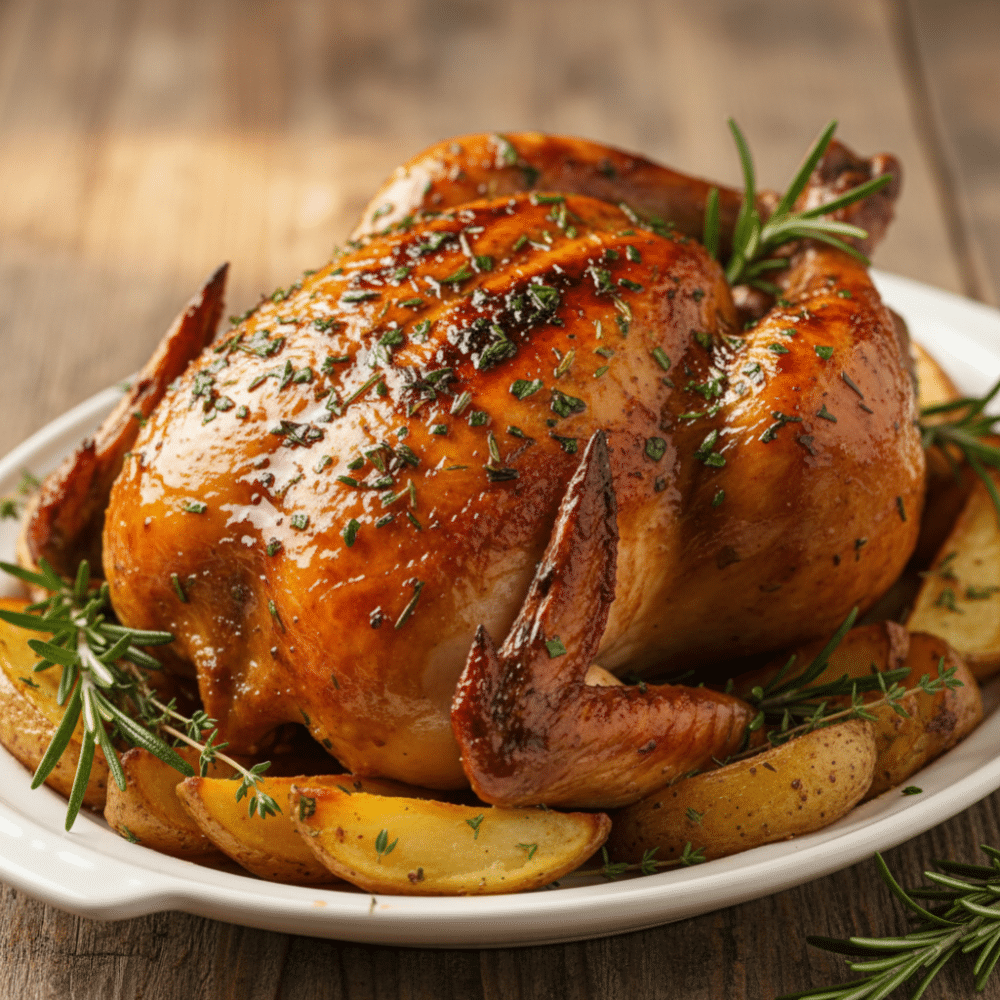
Peruvian Roast Chicken: The Ultimate Pollo a la Brasa Guide
There are few culinary experiences as universally beloved and deeply satisfying as a perfectly roasted chicken. But what if we told you there’s a roast chicken that transcends the ordinary, a dish so rich in flavor and cultural history it has become a national obsession? Enter Peruvian Roast Chicken, known locally as Pollo a la Brasa. This isn’t just a meal; it’s a vibrant expression of South American cuisine, a symphony of smoky, savory, and subtly spicy notes encased in gloriously crispy skin. Forget everything you thought you knew about roasted poultry; we’re about to embark on a flavor journey that will change your chicken game forever.
What is Peruvian Roast Chicken?
Pollo a la Brasa translates literally to “chicken cooked over coals,” and it embodies the soul of Peruvian comfort food. It’s a whole chicken, typically marinated for hours, then slow-roasted in a special rotisserie oven, traditionally over wood fires. The result is a chicken that’s incredibly tender and juicy on the inside, bursting with a complex flavor profile from its unique marinade, and crowned with an irresistibly crispy, bronzed skin. While authentic versions are often cooked on a rotisserie, achieving that signature flavor and texture at home in your oven is absolutely possible with the right techniques.
The History of Pollo a la Brasa
The story of Pollo a la Brasa begins in the 1950s in Lima, Peru. Legend has it that a Swiss immigrant named Roger Schuler, struggling to make a living on his chicken farm, devised a simple method to cook his chickens for his family and friends. He skewered them on a spit and roasted them over a charcoal fire. The aroma and flavor quickly drew attention, leading him to open “La Granja Azul,” the first Pollería (Peruvian chicken restaurant). Over the decades, the specific marinade and cooking techniques evolved, becoming more refined and secretive, with each Pollería boasting its own unique blend. Today, it’s a national dish, a symbol of Peruvian culinary pride, and a staple at family gatherings and celebrations across the country.
Key Ingredients for the Perfect Marinade
The magic of Peruvian roast chicken lies squarely in its intensely flavorful marinade. This isn’t a simple rub; it’s a potent concoction that penetrates deep into the meat, infusing it with layers of savory, aromatic, and umami notes. Crafting the perfect Peruvian chicken marinade is key to replicating that authentic taste at home.
Essential Spices: Cumin, Paprika, and Oregano
At the heart of the marinade are three humble yet powerful spices that are staples in Peruvian cooking: cumin, paprika, and dried oregano.
- Cumin brings an earthy, warm depth that is unmistakably Peruvian.
- Paprika contributes a beautiful reddish hue and a mild, sweet pepperiness.
- Dried Oregano adds a pungent, slightly bitter, and aromatic herbal note that brightens the overall flavor profile.
These spices are often complemented by garlic for pungency, soy sauce for umami, and a touch of vinegar or lime juice for acidity, which also helps tenderize the chicken. Some recipes also include black pepper, onion powder, or even a touch of sugar to balance the flavors.
The Magic of Aji Panca and Soy Sauce
While the basic spices form the backbone, two ingredients elevate the marinade to iconic status: Aji Panca chili paste and soy sauce.
- Aji Panca Chili Paste: This deep red Peruvian chili is the secret weapon. It offers a mild, smoky, and fruity flavor profile with very little heat, providing that signature warmth and color without overwhelming spice. It’s crucial for achieving the authentic taste and appearance. You can often find aji panca paste in Latin American grocery stores or online.
- Soy Sauce: A surprising but essential addition, soy sauce brings a profound umami depth and saltiness that balances the spices and tenderizes the meat. It also contributes to the beautiful caramelized color of the roasted chicken. Don’t skip it!
Expert Tip: “For the most authentic flavor, don’t rush the marinade. The longer the chicken soaks in these incredible ingredients, the deeper and more complex the taste will be.”
Preparing Your Chicken
To ensure even cooking and that coveted crispy skin, proper preparation of your whole chicken is paramount. One technique stands out for home roasting: spatchcocking.
How to Spatchcock a Whole Chicken
Spatchcocking, also known as butterflying, involves removing the chicken’s backbone so it can lay flat. This technique dramatically reduces cooking time, promotes more even cooking, and exposes more skin to direct heat, leading to an incredibly crispy exterior.
- Place the chicken breast-side down on a cutting board.
- Using sharp kitchen shears, cut along both sides of the backbone from the tail to the neck. Remove the backbone (you can save it for stock!).
- Flip the chicken over, breast-side up. Press down firmly on the breastbone until you hear a crack, flattening the chicken.
This method transforms your chicken into a flat, uniform canvas, ready to absorb all the delicious marinade.
Marination Techniques for Maximum Flavor
Once spatchcocked, your chicken is ready for its flavor bath.
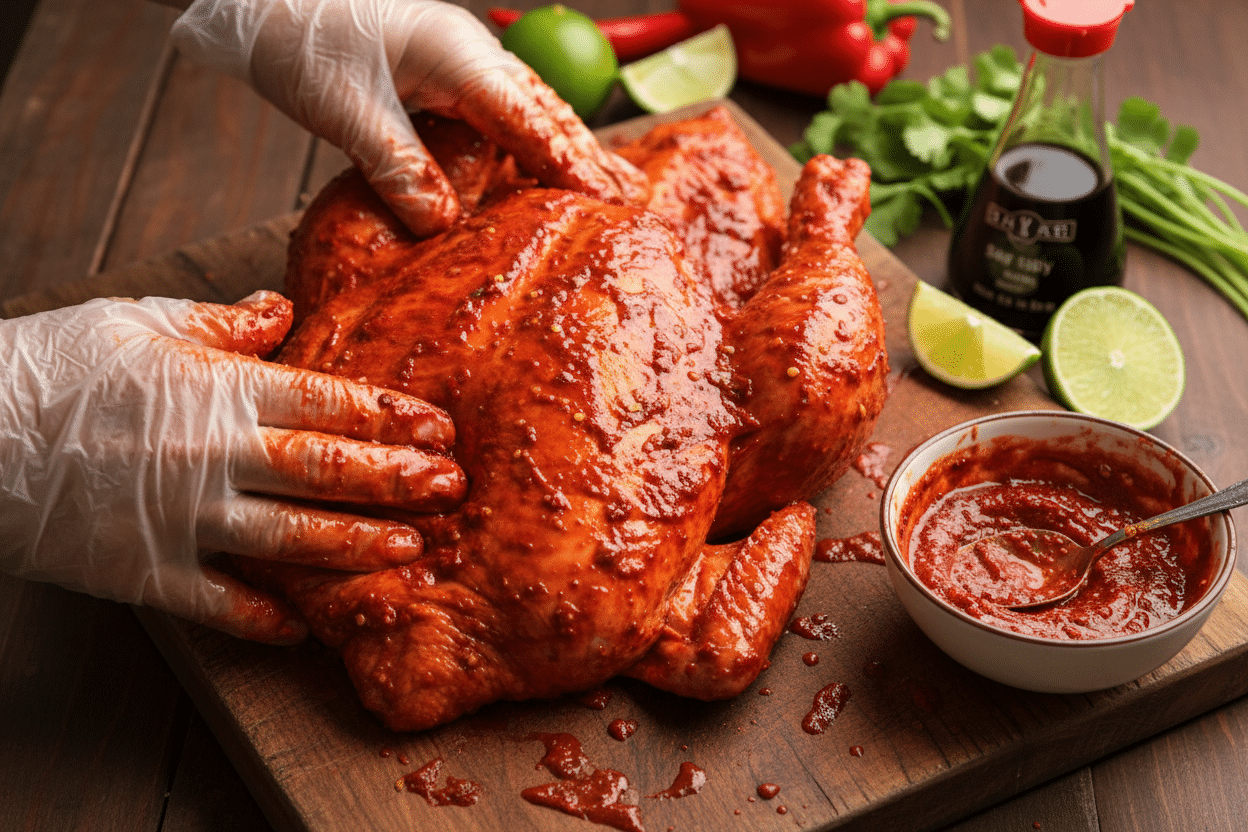
- Prepare the Marinade: In a bowl, combine all your marinade ingredients: aji panca paste, soy sauce, cumin, paprika, oregano, minced garlic, a splash of vinegar or lime juice, and a touch of salt and pepper. Whisk thoroughly until well combined.
- Apply Generously: Place the spatchcocked chicken in a large resealable bag or a non-reactive dish. Pour the entire Peruvian chicken marinade over the chicken, making sure to rub it all over, getting under the skin where possible.
- Chill Out: Seal the bag or cover the dish and refrigerate for a minimum of 6 hours, but ideally 12-24 hours. The longer it marinates, the more flavor will penetrate the meat. This extended marination is crucial for the signature taste of Pollo a la Brasa.
Roasting to Perfection
Achieving the characteristic tender meat and glossy, crispy skin rotisserie chicken quality at home requires careful attention to oven temperature and timing. While you won’t have a rotisserie, your oven can do an excellent job.
Oven Temperature and Timing
A two-stage roasting process often works best for a spatchcocked chicken: a higher temperature to start for crisping, followed by a lower temperature for thorough cooking.
- Preheat: Preheat your oven to a high temperature, around 425°F (220°C). Place an oven-safe wire rack over a baking sheet to allow air circulation around the chicken.
- Initial Roast: Place the marinated chicken, skin-side up, on the wire rack. Roast for 20-25 minutes at 425°F (220°C). This initial blast of heat helps to crisp the skin.
- Lower Temperature: Reduce the oven temperature to 375°F (190°C) and continue roasting for another 35-50 minutes, or until an instant-read thermometer inserted into the thickest part of the thigh (without touching bone) reads 165°F (74°C).
Total roasting time will vary depending on the size of your chicken. A 3-4 lb chicken will typically take 55-75 minutes.
Achieving Crispy Golden Skin
The high initial heat combined with the spatchcocking technique and the sugar in the marinade (from aji panca and soy sauce) contributes significantly to the golden, crispy skin.
- Don’t Crowd: Ensure your chicken has plenty of space on the baking sheet for air to circulate.
- Dry Surface: Before roasting, you can pat the skin dry with paper towels, though the marinade provides plenty of moisture and flavor.
- Basting (Optional): Some prefer to baste the chicken with its own juices during the last 20 minutes of cooking, but be mindful not to add too much moisture if you’re prioritizing ultimate crispiness. The marinade itself will help caramelize the skin beautifully.
- Rest: Once cooked, remove the chicken from the oven and let it rest for 10-15 minutes before carving. This allows the juices to redistribute, ensuring a tender and moist chicken.
Side Dishes and Pairings
No Pollo a la Brasa meal is complete without its traditional accompaniments. These sides perfectly complement the rich flavors of the chicken, creating a balanced and satisfying feast.
Classic Potato Wedges with Rosemary and Thyme
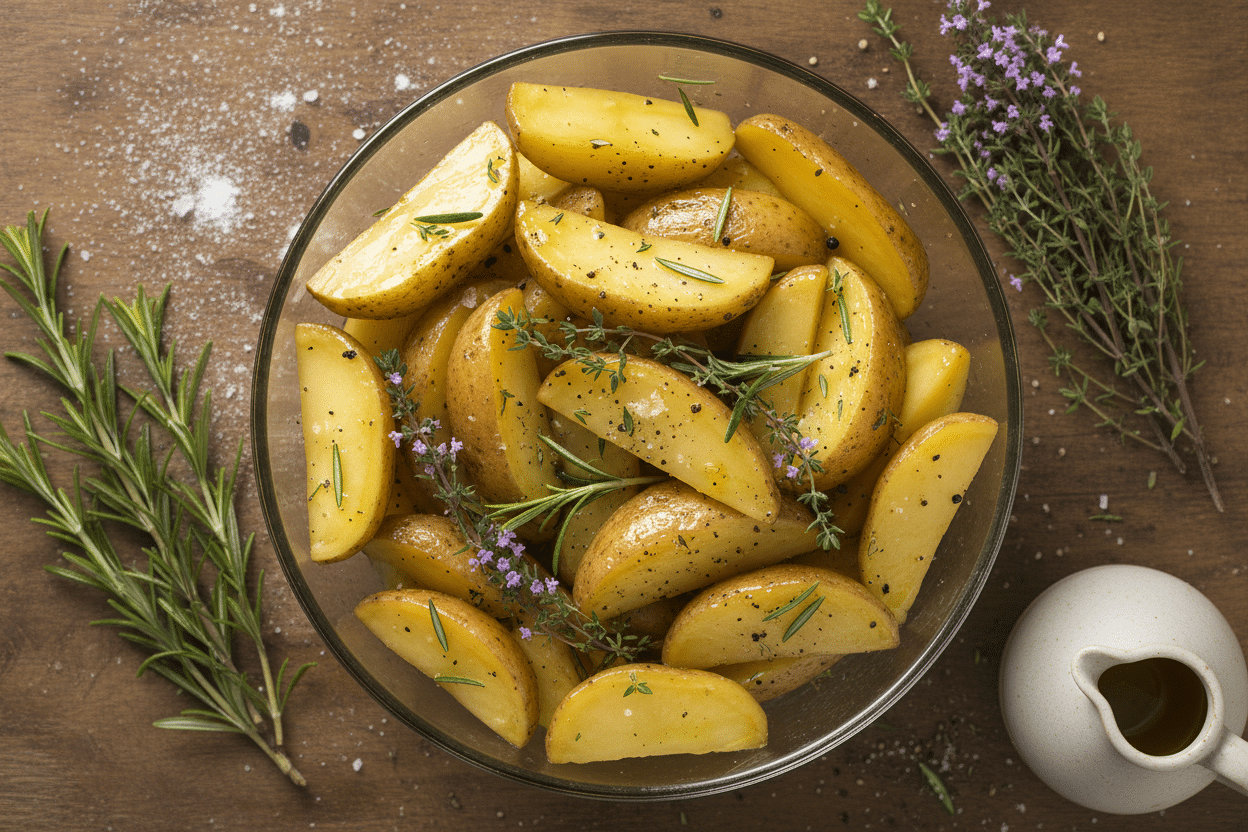
Crispy, flavorful potato wedges are the quintessential side for Peruvian roast chicken.
- Cut Russet or Yukon Gold potatoes into thick wedges.
- Toss them with olive oil, salt, black pepper, fresh rosemary, and thyme.
- Roast them on a separate baking sheet in the oven alongside the chicken (or before/after, depending on space) until golden brown and tender on the inside, crispy on the outside.
The aromatic herbs echo the subtle herbal notes in the chicken, and the fluffy interior provides a delightful contrast to the chicken’s crispy skin.
The Famous Aji Verde (Green Sauce)
This vibrant, creamy green sauce is not just a condiment; it’s an integral part of the Pollo a la Brasa experience. Often called the “crack sauce,” it’s addictive and pairs perfectly with the chicken and potatoes.
While recipes vary, a classic Aji Verde sauce typically includes:
- Aji Amarillo paste: Another Peruvian chili, providing a distinct fruity flavor and moderate heat.
- Huacatay (Peruvian Black Mint): Essential for its unique, aromatic, and slightly pungent flavor. If unavailable, fresh mint and cilantro can offer a decent substitute, though the flavor won’t be identical.
- Cilantro: Fresh and bright.
- Mayonnaise or crema: For creaminess and body.
- Garlic and lime juice: For pungency and acidity.
- Cheese (optional): Some versions include a crumbled fresh cheese like queso fresco for added tang and texture.
Blend all ingredients until smooth and creamy. This sauce provides a refreshing, spicy, and tangy counterpoint that cuts through the richness of the chicken and elevates every bite.
Leftovers and Storage Tips
If by some miracle you have any leftover Peruvian roast chicken, it’s just as delicious the next day.
- Storage: Allow the chicken to cool completely before carving the meat off the bone. Store shredded or sliced chicken in an airtight container in the refrigerator for up to 3-4 days.
- Reheating: Gently reheat the chicken in the oven at a low temperature (around 300°F / 150°C) with a splash of chicken broth to prevent it from drying out, until warmed through. Alternatively, shredded chicken can be quickly warmed in a skillet for tacos or sandwiches.
- Creative Uses: Leftover Pollo a la Brasa is fantastic in chicken tacos, quesadillas, salads, or even mixed into fried rice for a Peruvian-inspired twist.
Mastering Peruvian roast chicken at home is a rewarding culinary journey that brings the vibrant flavors of Peru straight to your kitchen. With the right marinade, preparation, and roasting techniques, you can recreate the magic of Pollo a la Brasa and delight your family and friends with this extraordinary dish. Get ready for a truly unforgettable meal!
For more delicious recipes and cooking tips, make sure to follow us on Facebook: https://www.facebook.com/profile.php?id=61568538666337
Authentic Peruvian Roast Chicken (Pollo a la Brasa)
Ingredients
- 1 whole Chicken 3-4 lbs, spatchcocked [1.2]
- 1 lb Potato wedges cut evenly
- 3 tbsp Olive oil divided
- 3 tbsp Soy sauce for marinade
- 2 tbsp Lime juice freshly squeezed
- 1 tbsp Aji panca paste or substitute with mild chili paste
- 4 cloves Garlic minced
- 2 tsp Ground cumin
- 1 tbsp Paprika
- 1 tsp Dried oregano
- 2 sprigs Fresh rosemary for potatoes
- 2 sprigs Fresh thyme for potatoes
- 1 tsp Salt to taste
- 1 tsp Black pepper freshly ground
Instructions
- Spatchcock the whole chicken by removing the spine and pressing it flat to ensure even roasting [1.2].
- In a mixing bowl, whisk together the soy sauce, lime juice, aji panca paste, minced garlic, 2 tablespoons of olive oil, ground cumin, paprika, dried oregano, salt, and black pepper to form the marinade.
- Rub the marinade generously over the chicken, ensuring it gets under the skin. Cover and refrigerate for at least 4 hours or overnight.
- Preheat the oven to 400F (200C). Toss the potato wedges with the remaining 1 tablespoon of olive oil, fresh rosemary, fresh thyme, and a pinch of salt and pepper.
- Place the marinated chicken in a large roasting pan and arrange the seasoned potato wedges around it.
- Roast in the preheated oven for 60 to 75 minutes, until the chicken skin is crispy and golden, and the internal temperature reaches 165F (74C).
- Remove the chicken from the oven and let it rest for 15 minutes before carving. Serve alongside the roasted potato wedges.
For more daily recipes and tips, follow us on Facebook!
Click here to join our community!