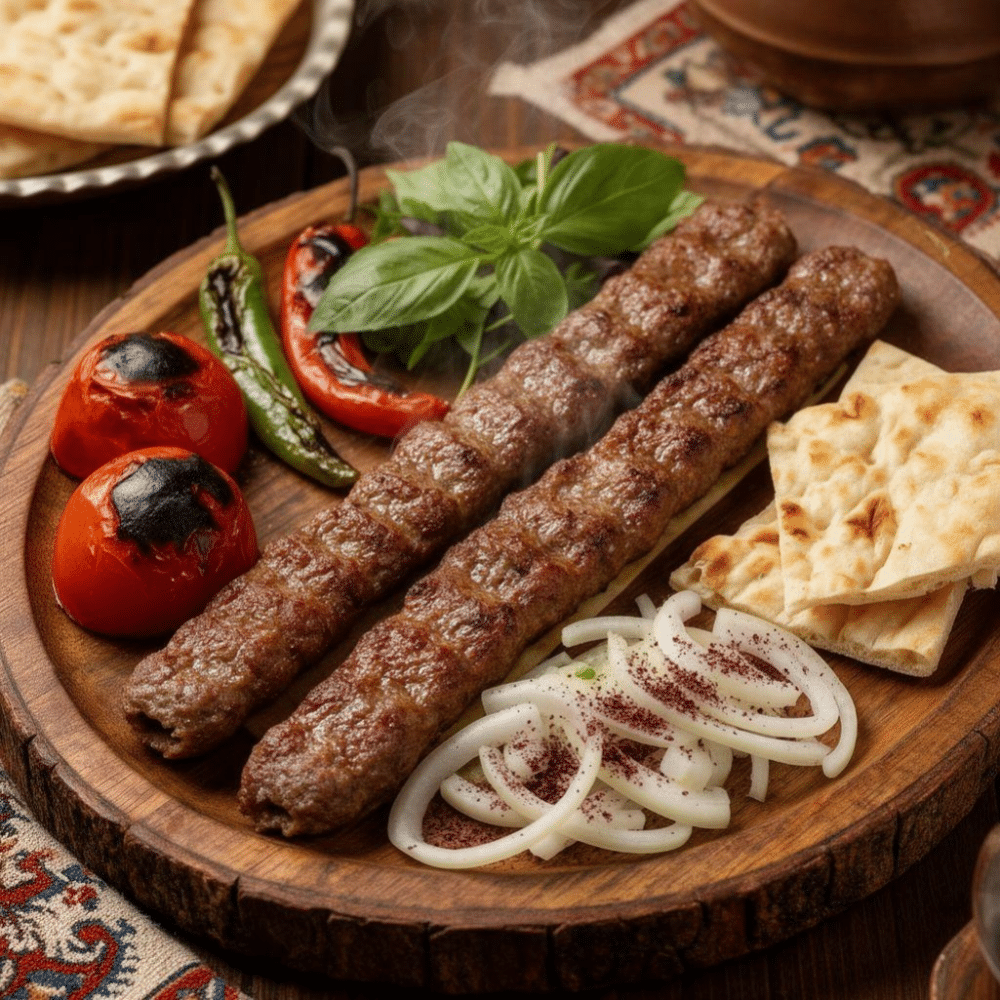
Authentic Persian Koobideh Kebab Recipe
There’s a special kind of magic that happens when simple ingredients come together to create something truly extraordinary. In the world of Persian cuisine, that magic often takes the form of succulent, flavorful kebabs. Today, we’re diving deep into the heart of Iran’s culinary tradition to master the art of making Persian Koobideh Kebab – a dish so beloved, it’s practically a national treasure.
The History of Iran’s Famous Street Food
Koobideh, meaning “smashed” or “pounded,” traces its origins back centuries, evolving from the nomadic traditions of the region. It’s more than just an Iranian minced meat kabob; it’s a symbol of hospitality and celebration, gracing tables from bustling street markets to grand family gatherings. This authentic middle eastern food has stood the test of time, captivating palates with its unique blend of texture and aromatic spices.
Why This Recipe is a Sizzling Sensation
What makes Koobideh so irresistible? It’s the perfect harmony of tender, seasoned meat, kissed by the smoky char of the grill. Unlike many other kebabs, Koobideh’s distinctive texture comes from a meticulous preparation process, resulting in a juicy, melt-in-your-mouth experience that’s both comforting and exotic. This ground beef kebab recipe is a sensation because it delivers on flavor, tradition, and pure culinary delight.
Key Ingredients for Perfect Beef Koobideh
Crafting exceptional Koobideh begins with understanding the core ingredients. Each component plays a vital role in achieving that signature flavor and texture.
The Meat: Getting the Right Fat Ratio (80/20)
The foundation of any great Koobideh is the meat. We’re looking for high-quality ground beef, ideally with an 80/20 lean-to-fat ratio. The fat is absolutely crucial here; it provides moisture, flavor, and helps bind the kebab mixture together, preventing it from drying out on the grill. If your butcher offers, ask for a coarse grind, or even better, grind it yourself for optimal texture.
The Power of Grated Onion
Onions are not just an aromatic; they are a key player in Koobideh. When finely grated, they release enzymes that tenderize the meat and add a layer of sweet, savory depth. However, managing the moisture from the onions is paramount. We’ll discuss how to handle this vital ingredient to ensure your kebabs hold their shape beautifully.
Spices: Turmeric, Sumac, and Saffron Water
The spice blend for Koobideh is relatively simple, allowing the natural flavor of the beef to shine. You’ll need:
- Turmeric: A touch of turmeric adds a subtle earthiness and a beautiful golden hue.
- Salt and Black Pepper: Generously season to bring out all the flavors.
- Persian Sumac Seasoning: While often served sprinkled over the cooked kebabs, a pinch of sumac in the mixture adds a tangy, lemony zing that brightens the whole dish.
- Saffron Water: This is the secret to Koobideh’s luxurious aroma and golden-reddish tint. Steep a pinch of crushed saffron threads in a few tablespoons of hot water to release its vibrant color and intoxicating fragrance.
Step-by-Step Guide: Shaping and Skewering
This is where the magic happens, transforming simple meat into impressive kebabs. Pay close attention to these koobideh skewer techniques.
Prepping the Meat Mixture
- Grate the Onions: Finely grate two medium onions. Place the grated onion in a clean kitchen towel or cheesecloth and squeeze out as much juice as possible. This step is critical for preventing your kebabs from falling off the skewer.
- Combine Ingredients: In a large mixing bowl, combine the ground beef, drained grated onion, salt (about 1.5-2 teaspoons, adjust to taste), black pepper (1/2 teaspoon), turmeric (1/2 teaspoon), and a pinch of sumac. Add about 1-2 tablespoons of brewed saffron water.
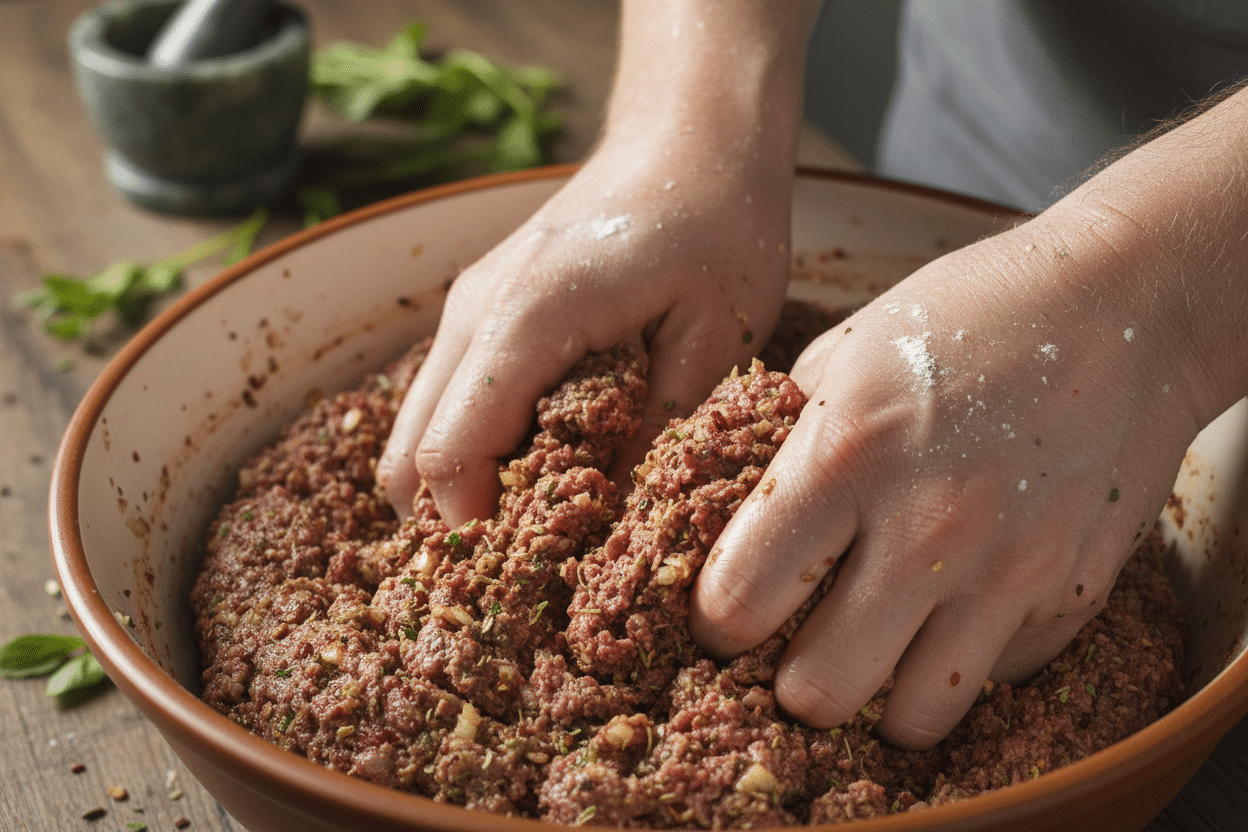
The “Knead” for Elasticity
- Knead Vigorously: This is arguably the most important step. Using your hands, knead the meat mixture vigorously for at least 10-15 minutes, as if you’re kneading dough. The goal is to develop the protein in the meat, making it sticky and elastic. You’ll notice the texture changing; it will become cohesive and slightly shiny. This elasticity is what allows the meat to cling to the skewers during grilling.
- Chill the Mixture: Cover the bowl with plastic wrap and refrigerate the meat mixture for at least 1 hour, or preferably 2-4 hours. This chilling period helps the flavors meld and further firms up the mixture, making it easier to handle and less likely to fall apart on the grill.
How to Mold Kebabs on Flat Skewers
- Prepare Skewers: You’ll need wide, flat metal skewers, typically about 1-inch wide. Have a small bowl of cold water handy to moisten your hands.
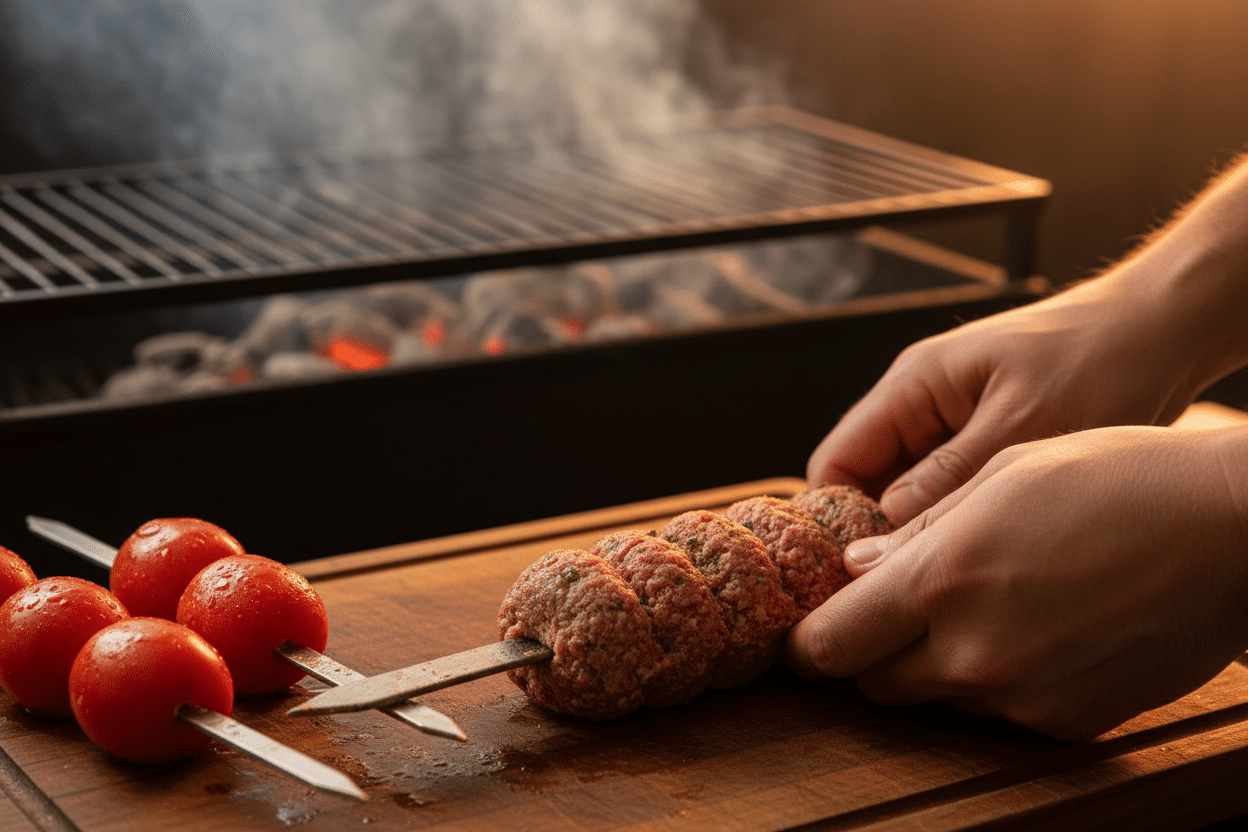
- Form the Kebab: Take a generous handful of the chilled meat mixture (about 150-180 grams or a golf ball-sized amount) and gently press it onto the skewer, starting from the top. Work your way down, squeezing and spreading the meat evenly along the skewer to form a thin, elongated shape, about 6-8 inches long. Ensure the meat is firmly pressed against the skewer to avoid gaps.
- Create Indentations: Using your index finger and thumb, gently press indentations along the length of the kebab. These not only give Koobideh its characteristic look but also help it cook evenly and absorb more smoky flavor.
- Repeat: Continue with the remaining meat mixture, ensuring each skewer is evenly coated.
Expert Grilling Techniques
Grilling Koobideh is an art. The right heat and technique are vital for achieving that perfect crust and juicy interior.
Setting Up Your Charcoal Grill
For truly authentic flavor, a charcoal grill is highly recommended. Arrange your coals for medium-high, even heat. You want the coals to be glowing red with a thin layer of ash. If using a gas grill, preheat to medium-high. Ensure your grill grates are clean and oiled to prevent sticking.
The “Flip Constantly” Rule
Once the kebabs are on the hot grill, the most important rule is to flip them almost constantly for the first few minutes. This rapid flipping prevents the meat from sticking to the grates and helps create a uniform crust without burning. Keep turning them every 30-60 seconds for the initial 3-4 minutes. After this, you can flip less frequently, every minute or two.
Knowing When It’s Perfectly Cooked
Koobideh cooks relatively quickly. Depending on the thickness and heat, they typically need 8-12 minutes total. The kebabs are done when they have a beautiful browned, slightly charred exterior and are firm to the touch. The internal temperature should reach 160°F (71°C) for ground beef, but often, visual cues are enough. A perfectly cooked Koobideh will be juicy inside, never dry.
Traditional Accompaniments and Sides
No Koobideh meal is complete without its traditional supporting cast. These sides elevate the entire dining experience.
Saffron Rice (Chelo) and Crispy Tahdig
The quintessential pairing is fluffy traditional saffron rice, known as Chelo. Often, a glorious crispy tahdig—the golden, crunchy crust from the bottom of the rice pot—is the star of the show. The delicate aroma of saffron-infused rice perfectly complements the rich kebabs.
Grilled Tomatoes and Onions
Simple yet essential, whole tomatoes and halved onions are often grilled alongside the kebabs until tender and slightly charred. These grilled sumac tomatoes, especially when sprinkled with a little extra sumac, offer a sweet, tangy counterpoint to the savory meat.
Fresh Herbs, Lavash, and Sumac
Serve your Koobideh with an abundance of fresh herbs like mint, basil, and tarragon, alongside warm sangak flatbread sides or lavash bread. A small bowl of extra persian sumac seasoning is a must for guests to sprinkle over their kebabs and grilled vegetables. Pickled vegetables (Torshi) and plain yogurt also make excellent additions.
“The secret to extraordinary Koobideh isn’t just in the ingredients, but in the love and patience you put into the kneading and grilling. It’s a culinary meditation.” – Chef Parvin
Pro Tips for Preventing Skewer Fails
One of the most common frustrations with Koobideh is having the meat fall off the skewers. Here are two crucial tips to avoid that heartbreak:
Draining the Onion Juice
As mentioned earlier, excess moisture from the onions is the enemy of stable kebabs. Always grate your onions and squeeze out as much liquid as possible using a clean kitchen towel. This ensures the meat mixture isn’t too wet, allowing it to bind firmly to the skewer.
Chilling the Meat Mixture
After thoroughly kneading, allowing the meat mixture to chill in the refrigerator for at least an hour (or even better, several hours) is vital. Cold meat is much firmer and less sticky, making it significantly easier to mold onto skewers and less prone to falling off when it hits the heat of the grill. Don’t skip this step!
Frequently Asked Questions (FAQs)
Can I Use Ground Lamb Instead of Beef?
Absolutely! Many authentic Koobideh recipes use a blend of ground beef and ground lamb (typically a 50/50 mix) or entirely ground lamb. Lamb adds a distinct, richer flavor. Ensure your lamb also has a good fat content (around 80/20) for the best results.
Do I Need Baking Soda?
While some recipes for other types of kebabs might call for baking soda to tenderize the meat, it is not traditionally used in Koobideh. The extensive kneading process naturally tenderizes the meat and develops its elasticity, eliminating the need for baking soda. Sticking to the traditional method ensures the authentic flavor and texture.
How to Store and Reheat Leftovers
Cooked Koobideh kebabs can be stored in an airtight container in the refrigerator for 3-4 days. To reheat, gently warm them in a skillet over medium-low heat until heated through, or wrap them in foil and warm in an oven at 300°F (150°C). Be careful not to overcook, as this can dry them out. They are also delicious served cold in a sandwich or salad.
There you have it – your comprehensive guide to creating magnificent Koobideh kebabs right in your own backyard. This is more than just a meal; it’s a journey into the heart of Persian culinary heritage. So fire up that grill, gather your loved ones, and savor every aromatic bite!
For more delicious recipes and behind-the-scenes kitchen adventures, be sure to follow us on Facebook: https://www.facebook.com/profile.php?id=61568538666337
Traditional Persian Koobideh Kebab
Ingredients
- 1.5 lb Ground beef 80% lean, 20% fat
- 1 large Yellow onion Finely grated with all juice squeezed out
- 2 cloves Garlic Minced
- 1.5 tsp Salt Kosher or sea salt
- 1 tsp Black pepper Freshly ground
- 0.5 tsp Turmeric Ground
- 1 tbsp Sumac Plus extra for garnish
- 1 tbsp Saffron water Optional, brewed from saffron threads
- 4 medium Roma tomatoes Whole, for grilling
- 1 large Red onion Sliced, for serving
- 1 bunch Fresh basil For serving
- 4 pieces Flatbread Lavash, Sangak, or Pita
Instructions
- Grate the yellow onion into a fine mesh sieve or clean cheesecloth. Squeeze firmly to extract and discard as much liquid as possible, leaving only the dry onion pulp.
- In a large mixing bowl, combine the ground beef, dry onion pulp, minced garlic, salt, black pepper, turmeric, sumac, and saffron water.
- Knead the mixture vigorously with your hands for 5 to 10 minutes until it becomes highly cohesive, sticky, and paste-like. Cover and refrigerate for at least 1 hour.
- Divide the chilled meat mixture into equal portions, about the size of a baseball. Mold each portion tightly around wide, flat metal skewers, using your thumb and index finger to create signature ridges along the length of the meat.
- Preheat a charcoal or gas grill to high heat. Thread the Roma tomatoes onto separate skewers.
- Place the meat and tomato skewers on the hot grill. Turn the meat skewers immediately after 30 seconds to sear both sides and prevent the meat from falling off the skewer.
- Continue grilling the kebabs for 8 to 10 minutes, flipping frequently, until fully cooked and lightly charred. Grill the tomatoes until the skins are blistered and soft.
- Use a piece of flatbread to carefully slide the cooked meat off the skewers. Serve hot with grilled tomatoes, sliced red onions, fresh basil, and a generous sprinkle of sumac.
For more daily recipes and tips, follow us on Facebook!
Click here to join our community!