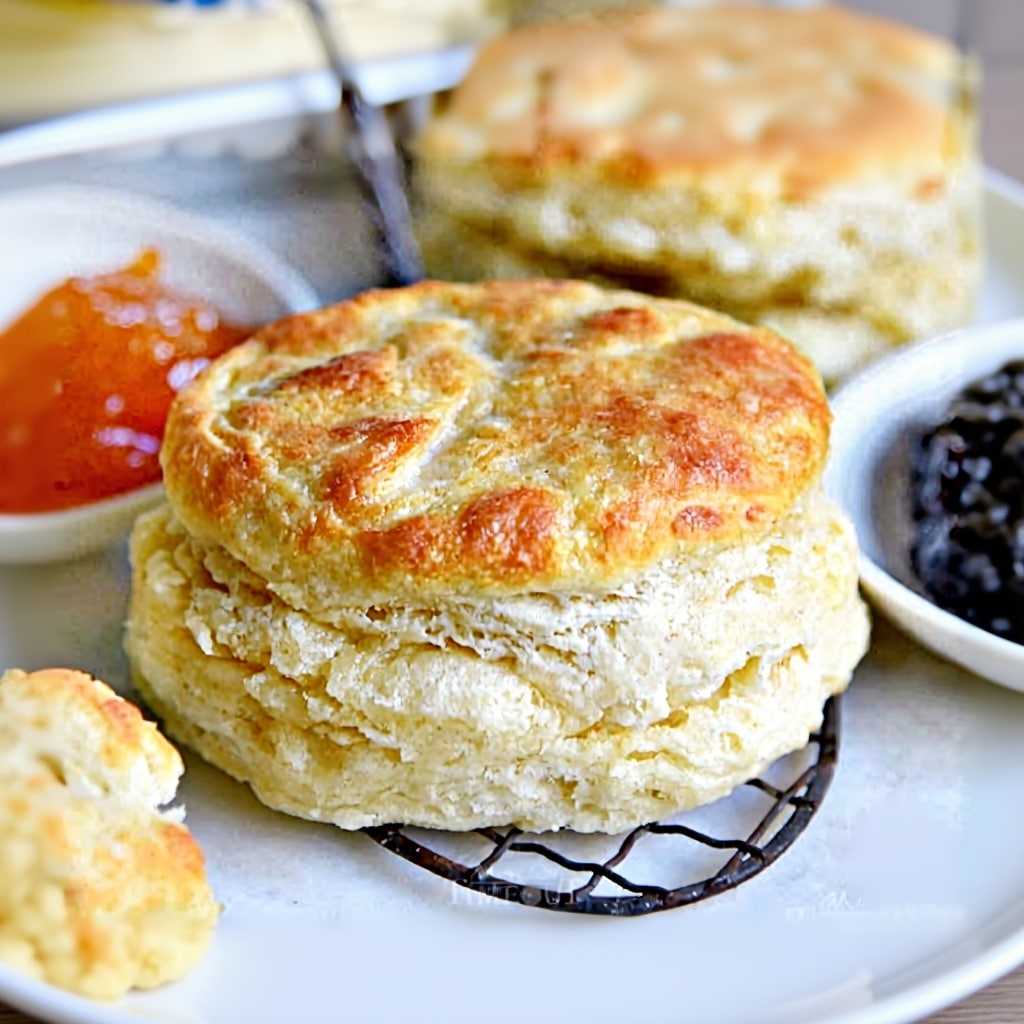
The Quest for Perfect Buttery Biscuits (And Why This is The Only Recipe You Need)
Imagine the aroma of freshly baked goods wafting through your kitchen, leading you to a platter of warm, golden-brown delights. You pick one up, and its exterior is faintly crisp, giving way to an interior so tender and fluffy it practically melts in your mouth. Each bite is a symphony of rich, unmistakable butter and delicate, flaky layers. This, my friends, is the experience of biting into a truly perfect buttery biscuit.
For many, the journey to achieving such perfection is fraught with challenges. Have you ever wondered why are my biscuits hard, why are my biscuits flat, or battled with troubleshooting dry biscuits? You’re not alone. Making biscuits from scratch can feel intimidating, but it doesn’t have to be. This article is your ultimate guide, offering a foolproof biscuit recipe designed for beginners and seasoned bakers alike.
We’ll delve into the key ingredients, master essential techniques for creating those coveted flaky layers, and share pro-tips for guaranteed success. Get ready to unlock the secrets to making the best homemade biscuit recipe you’ve ever tasted!
The Science of a Flaky Biscuit: It’s All About The Butter
The magic behind those irresistible flaky layers in a biscuit is simple yet profound: it’s all about the butter. When tiny pieces of cold butter for biscuits encounter the heat of your oven, the water within them rapidly turns to steam. This steam then pushes apart the layers of dough, creating delicate pockets of air and an incredibly light texture. Think of it like a miniature steam engine working inside each biscuit, puffing it up from within.
This is why COLD butter is non-negotiable. If your butter melts before it hits the oven, it incorporates too fully into the dough, resulting in a tougher, less airy biscuit. The key is to keep those butter pieces distinct until baking, allowing them to create structure as they melt and release steam.
There are two primary methods for incorporating butter effectively: cubing and grating. Cubing involves cutting chilled butter into small pieces and then cutting in butter using a pastry blender or your fingertips. The increasingly popular frozen grated butter technique involves grating frozen butter directly into your dry ingredients. Both methods ensure the butter remains cold and disbursed, but grating often makes for easier, quicker incorporation and helps achieve even finer flakes.
Essential Ingredients for the Best Buttery Biscuits
Crafting truly extraordinary perfect buttery biscuits begins with understanding the role of each ingredient. Quality matters here!
All-Purpose Flour
While a lower-protein flour, often labeled “soft wheat” flour or traditional Southern brands like White Lily, is considered the gold standard for tender southern style biscuits, good quality all-purpose flour works wonderfully. Its moderate protein content allows for a tender crumb without excessive gluten development, which can lead to tough biscuits.
Unsalted Butter
Always opt for high-quality, cold, unsalted butter. Unsalted butter gives you complete control over the salt content in your recipe. Furthermore, the higher fat content in good butter contributes immensely to the rich flavor and tender texture that defines a truly best buttery biscuits.
Buttermilk
Buttermilk is a superstar ingredient for biscuits. Its acidity reacts with the baking soda (a common leavening agent), creating carbon dioxide bubbles that contribute to the biscuit’s lift and airy texture. More importantly, the acid tenderizes the gluten, resulting in an exceptionally soft and moist crumb. If you don’t have buttermilk, you can easily make a buttermilk substitute for biscuits: add one tablespoon of lemon juice or white vinegar to a liquid measuring cup, then fill the rest with milk to one cup. Let it sit for 5-10 minutes until it slightly curdles.
Leavening Agents
A combination of baking powder and baking soda is crucial for tall, fluffy biscuits. Baking powder provides the primary lift, while baking soda reacts with the buttermilk’s acidity for an extra boost and a tender crumb. Always check the expiration dates of your leavening agents; old leaveners are a common culprit for flat biscuits.
Salt and Sugar
A touch of salt is essential to enhance the overall flavor, balancing the richness of the butter and the tang of the buttermilk. A small amount of sugar (optional but recommended) helps with browning and adds a subtle sweetness that rounds out the biscuit’s profile without making it overtly sweet.
The Right Tools for the Job
Having the right equipment can make the process of making perfect buttery biscuits much smoother and more enjoyable.
- Large Mixing Bowl: Essential for combining your dry ingredients and then gently folding in the buttermilk.
- Pastry Blender or Fork: Your go-to for efficiently cutting in butter to your dry ingredients without overworking it or warming the butter with your hands.
- Biscuit Cutter: A sharp-edged biscuit cutter (round or square) is key for clean cuts and optimal rise.
- Baking Sheet & Parchment Paper: For even baking and easy cleanup, line your baking sheet with parchment paper.
While not essential, these tools can also be helpful:
- Bench Scraper: Excellent for gathering dough, dividing it, and cleaning your work surface.
- Pastry Mat: A non-stick surface with measurements can be useful for rolling out dough.
- Food Processor: Can be used for quickly cutting in cold butter, but be careful not to over-process the dough.
Step-by-Step: How to Make Perfect Buttery Biscuits
Follow these detailed steps closely, and you’ll be on your way to enjoying the most incredible homemade biscuit recipe, achieving tall fluffy biscuits every time.
Step 1: Prep Your Ingredients & Tools
Achieve “mise en place” by gathering and preparing everything before you start. Grate or cube your cold butter for biscuits and pop it back into the freezer. Chill your buttermilk. Preheat your oven to the specified temperature (usually 425-450°F / 220-230°C) and line a baking sheet with parchment paper.
Step 2: Combine The Dry Ingredients
In your large mixing bowl, whisk together the flour, baking powder, baking soda (if using), salt, and sugar. Whisking ensures that the leavening agents and flavorings are evenly distributed throughout the dry ingredients.
Step 3: Cut in The Cold Butter
Add your super cold, grated or cubed butter to the dry ingredients. Using a pastry blender, two knives, or your fingertips, work the butter into the flour mixture until it resembles coarse crumbs with some pea-sized pieces remaining. These larger pieces are critical for creating those desirable flaky layers during baking.
Step 4: Gently Add The Buttermilk
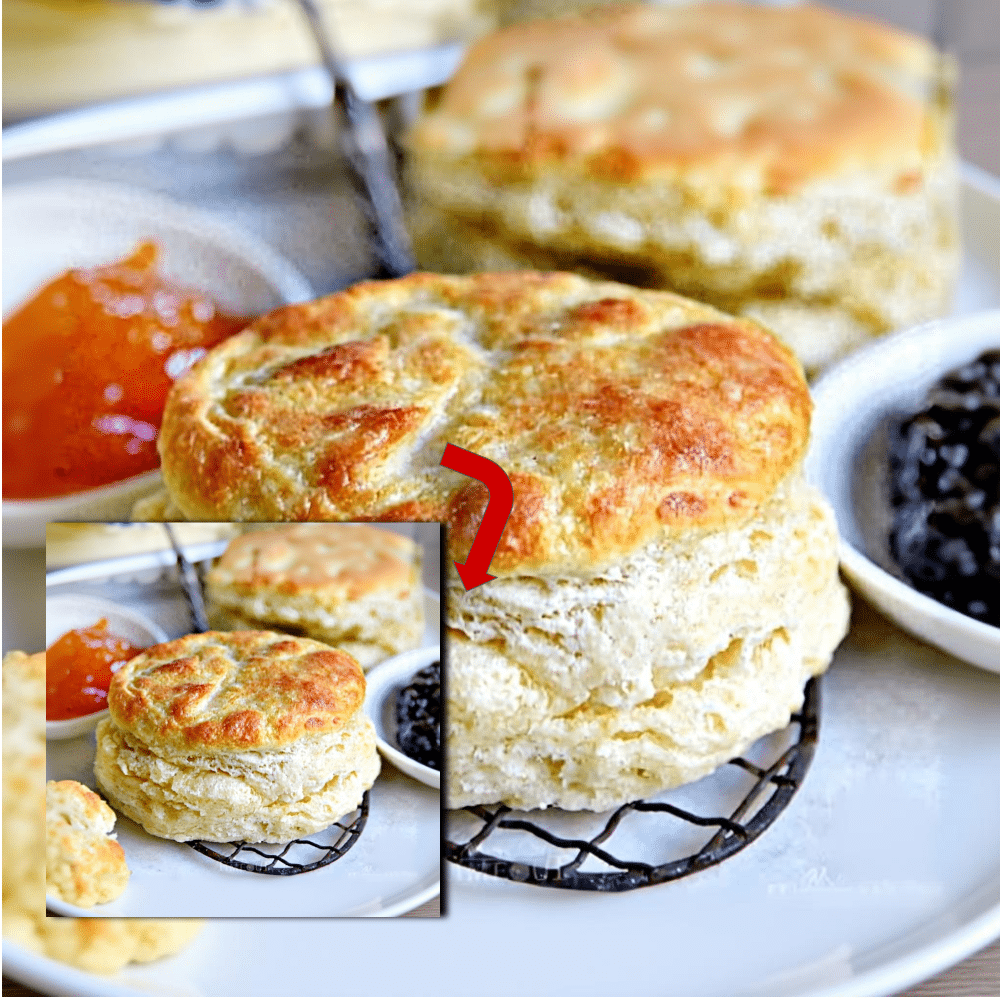
Make a well in the center of your dry ingredients and pour in the cold buttermilk. With a fork or your hands, mix just until a shaggy dough forms. This is not the time for vigorous kneading! Overmixing activates gluten, leading to tough biscuits. It’s okay if there are still some dry spots.
Step 5: The Secret to Flaky Layers – The Fold & Turn (Lamination)
Turn the shaggy dough out onto a lightly floured surface. Gently pat it into a rough rectangle. Now, perform the “letter-fold” technique, a form of biscuit lamination: Fold one-third of the dough over the middle, then fold the remaining third over that, like folding a letter. Rotate the dough 90 degrees and repeat this fold & turn 3-4 times. This process builds multiple internal layers, guaranteeing truly flaky layers.
Step 6: Cut The Biscuits (The Right Way)
Pat the laminated dough into a rectangle about ¾ to 1 inch thick. Dip your sharp biscuit cutter in flour to prevent sticking, then press straight down firmly into the dough. CRITICAL TIP: Do NOT twist the cutter! Twisting seals the edges of the biscuit, preventing it from rising properly and resulting in flat biscuits. Place cut biscuits on your prepared baking sheet.
Baking to Golden Brown Perfection
Once your biscuits are cut, decide on their arrangement. For tall fluffy biscuits with soft, tender sides, arrange them so they are lightly touching on the baking sheet. If you prefer crispier edges, space them about an inch apart. For an extra golden top and boost of flavor, you can optionally brush the tops with a little melted butter or extra buttermilk before baking.
Bake in your preheated oven (425-450°F / 220-230°C) for 12-18 minutes, or until the tops are beautifully golden brown. The exact time will vary based on your oven and biscuit thickness. Immediately after removing them from the oven, brush the tops with another generous coat of melted butter for ultimate richness and shine. Serve your perfect buttery biscuits warm!
Common Biscuit Mistakes & How to Fix Them
Don’t fret if your first batch isn’t perfect. Biscuit baking is a skill that improves with practice. Here are common issues and their solutions:
- Problem: My biscuits are hard and tough.
- Solution: You likely overmixed the dough. Overworking develops gluten, which leads to a chewy, tough texture. Mix only until the ingredients are just combined and the dough is shaggy.
- Problem: My biscuits didn’t rise and are flat.
- Solution: This can be due to several factors. Your butter might have been too warm and melted into the dough, preventing steam creation. You might have twisted the cutter when cutting, sealing the edges. Or, your baking powder or baking soda could be expired and no longer active.
- Problem: My biscuits are dry and crumbly.
- Solution: This often means too much flour or not enough liquid. Ensure you’re measuring flour correctly by spooning it into a measuring cup and then leveling it off, rather than scooping directly from the bag (which compacts it).
- Problem: The bottoms are burnt.
- Solution: Your oven rack might be too low, or you might be using a dark-colored baking sheet, which absorbs more heat. Try moving your rack to the middle position and use a light-colored baking sheet.
Recipe Variations & Delicious Add-Ins
Once you’ve mastered the classic perfect buttery biscuits, feel free to experiment with delicious variations!
- Cheddar & Herb Biscuits: Fold in 1 cup of shredded sharp cheddar cheese and 2 tablespoons of finely chopped fresh chives, rosemary, or thyme with the dry ingredients.
- Sweet Biscuits: Increase the sugar to 2-3 tablespoons in the dough. For an extra treat, sprinkle the tops with cinnamon sugar before baking. Delicious with jam or fresh fruit.
- Spicy Kick: For those who love a bit of heat, add ¼ cup of finely diced jalapeños (seeds removed for less heat) along with ½ cup of shredded cheddar cheese to the dough.
How to Store, Freeze, and Reheat Buttery Biscuits
While homemade biscuit recipe are best enjoyed fresh, here’s how to preserve their deliciousness:
- Storing: Cooked biscuits can be stored in an airtight container at room temperature for 1-2 days. For longer storage, refrigerate for up to 5 days.
- Freezing: You can freeze both unbaked and baked biscuits.
- Unbaked Dough: Cut biscuits, place them on a parchment-lined baking sheet, and freeze until solid. Transfer to a freezer-safe bag for up to 1 month. Bake from frozen, adding a few extra minutes to the baking time.
- Baked Biscuits: Freeze cooled, baked biscuits in a freezer-safe bag or container for up to 3 months.
- Reheating: To restore their fresh-baked texture, reheat biscuits in a preheated oven (300°F / 150°C) for 5-10 minutes, or in an air fryer for 2-4 minutes until warmed through and slightly crisp.
Frequently Asked Questions (FAQ)
Why is it important to use cold butter for biscuits?
Using cold butter for biscuits is crucial because as it melts in the hot oven, the water in the butter turns to steam, creating pockets of air that result in the desired flaky layers and a light, tender texture.
Can I use a food processor to make biscuit dough?
Yes, a food processor can be used for cutting in butter quickly. Pulse the cold butter with the dry ingredients a few times until pea-sized crumbs form. Be careful not to over-process, as this can warm the butter and overwork the dough.
What can I use if I don’t have a biscuit cutter?
If you don’t have a biscuit cutter, you can use the rim of a drinking glass (flour it well), or simply cut the dough into squares or triangles using a sharp knife or bench scraper. The shape won’t affect the taste!
Should biscuits be touching when they bake?
For tall fluffy biscuits with soft sides, arrange them so they are lightly touching on the baking sheet. If you prefer biscuits with crispier edges, space them about an inch apart.
What is the best flour for making biscuits?
For a traditional, tender southern style biscuits, a low-protein soft wheat flour like White Lily is ideal. However, good quality all-purpose flour works very well and is readily available for making delicious perfect buttery biscuits.
Can I make this biscuit recipe ahead of time?
Yes, you can prepare the dough, cut the biscuits, and then freeze them unbaked. This allows you to bake fresh biscuits on demand. See the “How to Store, Freeze, and Reheat” section for detailed instructions on freezing biscuit dough.
The Perfect Buttery Biscuits Recipe
Congratulations! You now possess all the knowledge and techniques to bake truly perfect buttery biscuits. By focusing on cold ingredients, gentle handling, and the simple magic of the fold-and-turn method, you’ll consistently achieve those coveted flaky layers and a tender, melt-in-your-mouth crumb. This southern style biscuits recipe is not just food; it’s comfort, tradition, and a testament to the joy of baking from scratch. Enjoy them plain, with butter and jam, or smothered in classic biscuits and gravy. Happy baking!
[Insert Printable Recipe Card Here with exact measurements and condensed instructions]
“`
For more daily recipes and tips, follow us on Facebook!
Click here to join our community!