
“`html
The Only Mouthwatering Pork Roast Recipe You’ll Ever Need
Prepare for a culinary revelation! This ultimate mouthwatering pork roast recipe promises the most tender, juicy, and flavorful pork you’ve ever created. Perfect for a grand Sunday dinner, a festive holiday gathering, or even a special weeknight treat, this guide unlocks simple techniques to guarantee a perfectly succulent result with a glorious, crispy crust every time. Get ready to impress and savor!
Why This Pork Roast Recipe is a Cut Above the Rest
What sets this easy pork roast recipe apart? It’s a foolproof fusion of simple steps and smart strategy. Our unique pork roast rub infuses deep flavor, while our method prioritizes achieving a remarkably juicy pork roast recipe. Plus, we’ll ensure you master that irresistible crispy skin pork roast for textural perfection. This isn’t just a meal; it’s a guaranteed family favorite mouthwatering pork roast.
Choosing Your Weapon: The Best Cuts for a Perfect Pork Roast
The foundation of a truly mouthwatering pork roast lies in selecting the right cut. Each offers distinct qualities for your culinary adventure.
Pork Shoulder (Boston Butt)
For a guaranteed tender pork roast, the pork shoulder roast recipe (or pork butt roast) is unmatched. Its rich marbling and fat content make it ideal for slow cooker pork roast or extended oven roasting, yielding meat that effortlessly falls apart. It’s the easiest way how to make pork roast tender.
Pork Loin Roast
A leaner option, the pork loin roast offers a milder taste. To ensure a juicy pork loin, avoid overcooking and consider a simple brine. Often sold as a boneless pork roast recipe, it’s convenient for carving.
Boneless vs. Bone-In
Bone-in roasts can enhance flavor and moisture, though they require longer cooking. Boneless roasts offer quicker cooking and easier carving for a boneless pork roast. Both work; adjust timing accordingly for your mouthwatering pork roast.
What to Ask Your Butcher
Look for vibrant pink pork with an even fat cap. For serving, plan 1/2-3/4 pound per person for boneless, or 3/4-1 pound for bone-in.
The Cast of Characters: Ingredients & Essential Equipment
For the Mouthwatering Pork Roast:
- 4-5 lb boneless pork shoulder
- 1-2 tbsp olive oil
- 1 tbsp coarse salt
- 1 tsp fresh black pepper
For the Savory Garlic Herb Pork Roast Rub:
This potent garlic herb pork roast rub makes all the difference!
- 1 tbsp garlic powder
- 1 tbsp onion powder
- 1 tsp dried rosemary, crushed
- 1 tsp dried thyme
- 1 tsp smoked paprika
- 1/2 tsp cayenne pepper (optional)
Essential Kitchen Tools:
- Roasting pan with rack
- Large oven-safe skillet (cast iron best)
- Instant-read meat thermometer (a must!)
- Carving knife and fork
The Ultimate Guide: Crafting Your Mouthwatering Pork Roast, Step-by-Step
Master the how to cook a pork roast with this oven baked pork roast guide.
Step 1: Prepare the Pork
Remove pork from fridge 30-60 minutes before cooking. Pat completely dry with paper towels for optimal searing and a crispy skin pork roast. Score fat cap if present.
Step 2: Mix and Apply the Perfect Dry Rub
Combine rub ingredients. Generously massage the pork roast seasoning over the entire roast, ensuring full coverage for maximum flavorful pork roast infusion.
Step 3: The All-Important Sear
Heat skillet with olive oil over medium-high. Sear all sides of the seasoned pork until deeply golden brown, about 3-5 minutes per side. This crucial step develops rich flavor via the Maillard reaction.
Step 4: Roasting to Perfection
Preheat oven to 350°F (175°C). Transfer seared roast to a rack in your roasting pan. Approximate pork roast cooking time is 20-25 minutes per pound, but always verify with a thermometer.

Step 5: Temperature is Everything (Don’t Guess!)
Insert meat thermometer into the thickest part. Cook until the internal temperature for pork roast reaches a safe 145°F (63°C) for a juicy pork roast. Remove promptly.
Step 6: The Mandatory Rest
Transfer roast to a cutting board, tent with foil, and rest for 15-20 minutes. This allows juices to redistribute, guaranteeing a tender pork roast. Do not skip!
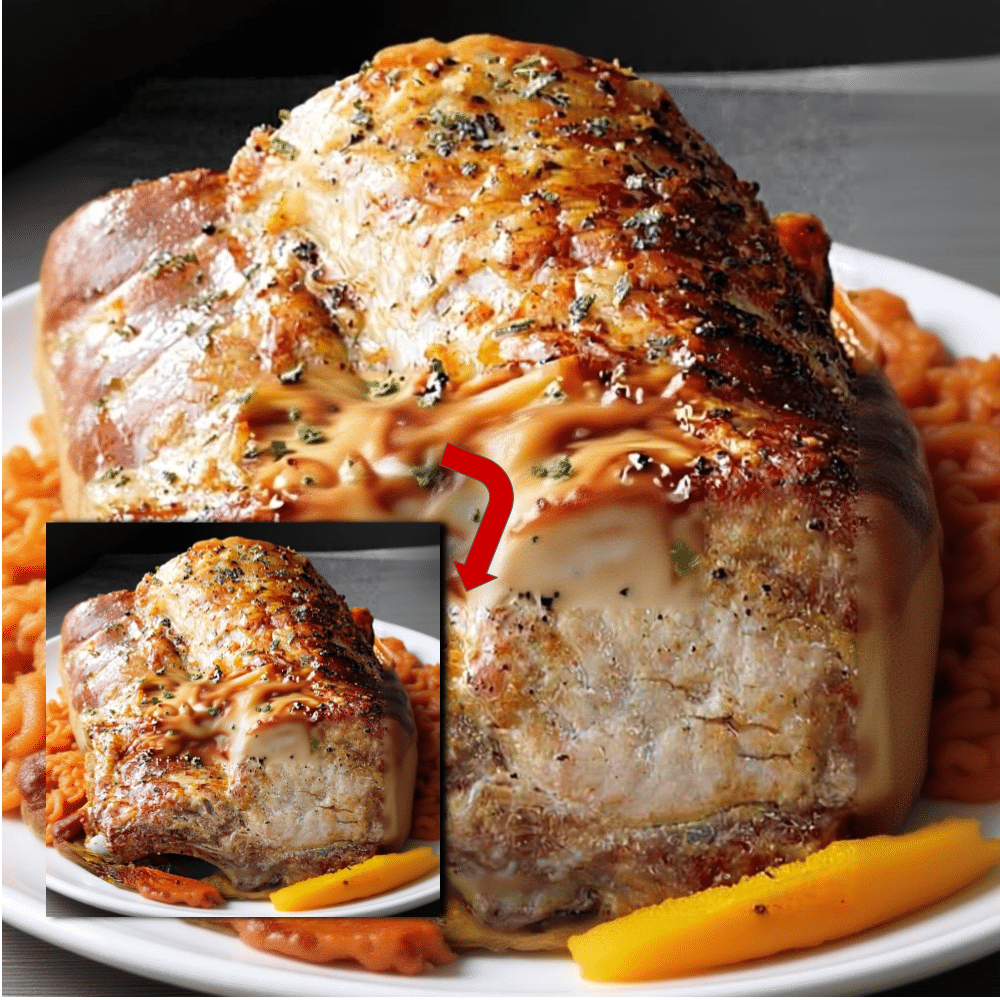
Pro Tips for a Flawless, Juicy Pork Roast Every Time
- Don’t Crowd the Pan: Ensure good air circulation for even cooking and crust development.
- Roast on a Rack: Lifts pork from drippings, preventing sogginess and promoting uniform crispiness.
- Consider a Simple Brine: For leaner cuts like pork loin roast, a short brine (2-4 hours) dramatically boosts moisture and helps how to make pork roast tender, yielding a truly succulent pork roast.
Don’t Waste the Drippings! How to Make a Simple Pan Gravy
Transform your roast’s flavorful drippings into a rich pork roast gravy recipe!
- Separate 2 tbsp fat, keeping flavorful bits in pan.
- Over medium heat, whisk in 2 tbsp flour into fat to form a roux. Cook 1-2 minutes.
- Gradually whisk in 1.5-2 cups broth, scraping pan. Simmer until thickened. Season to taste.
Perfect Pairings: What to Serve With Your Pork Roast
Elevate your mouthwatering pork roast with these complementary sides:
Classic Sides:
- Creamy Mashed Potatoes (for gravy!)
- Garlic Roasted Asparagus or Green Beans
- Honey-Glazed Carrots or Roasted Root Vegetables
Breads & Sauces:
- Warm Dinner Rolls
- Classic Apple Sauce (sweet-tart contrast)
- Zesty Mustard or Horseradish Sauce
Storing and Reimagining Leftovers
Store cooled mouthwatering pork roast in an airtight container for 3-4 days in the fridge, or freeze for up to 3 months. Repurpose leftovers into delicious pulled pork sandwiches, savory tacos, or a hearty hash – excellent family dinner recipes for another day!
Frequently Asked Questions (FAQ)
What is the best cut of pork for a tender roast?
For a consistently tender pork roast, the pork shoulder (Boston butt) is highly recommended. Its marbling ensures a forgiving, succulent, and fall-apart result, making it a top choice for a truly mouthwatering pork roast.
How long should I cook a pork roast per pound?
For an oven baked pork roast at 350°F (175°C), generally allow 20-25 minutes per pound. However, rely on an instant-read thermometer to confirm doneness, as oven calibration and roast shape can vary.
What internal temperature is safe for pork roast?
The USDA-recommended internal temperature for pork roast is 145°F (63°C), followed by a 3-minute rest. This yields a safe, juicy, and often slightly pink center. Always use a reliable meat thermometer.
Should I cover my pork roast with foil while it’s in the oven?
Typically, no. Cooking uncovered helps achieve a coveted crispy skin pork roast. Only cover loosely with foil if the exterior is browning too quickly before the internal temperature is reached, especially for longer roasts.
Why is my pork roast always dry or tough?
Common reasons include overcooking (the primary culprit, always use a thermometer!), skipping the crucial resting period (juices escape), or using a very lean cut without sufficient moisture protection like brining. For a consistently tender pork roast, opt for pork shoulder.
Conclusion
Armed with this comprehensive guide, you are now equipped to create the most incredible mouthwatering pork roast. From selecting the perfect cut to achieving that irresistible crispy skin and juicy interior, you’ll master this classic. We encourage you to try this best pork roast recipe and gather your loved ones for an unforgettable meal. Happy roasting!
“`
For more daily recipes and tips, follow us on Facebook!
Click here to join our community!