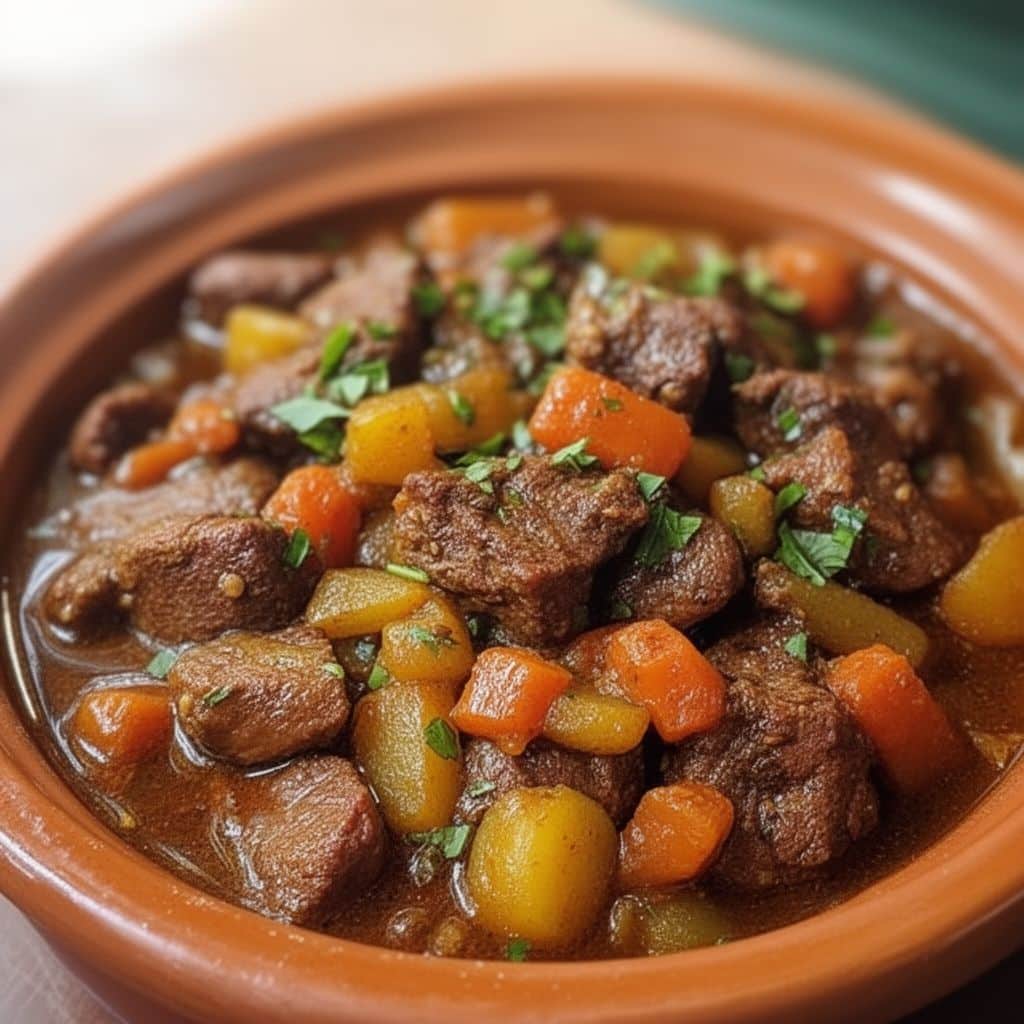
Step into a world of rich aromas and tantalizing flavors with the ultimate guide to creating an unforgettable Moroccan Harissa Lamb Tagine. This beloved North African slow-cooked stew is more than just a meal; it’s an experience, a journey to the heart of Moroccan hospitality and culinary tradition. Imagine tender, succulent lamb, infused with vibrant harissa paste and a medley of aromatic spices, slow-braised with sweet apricots, earthy chickpeas, and hearty vegetables until it practically melts in your mouth. Get ready to transform your kitchen into a Moroccan oasis and savor every spoonful of this deeply comforting, sweet and savory Moroccan dish.
What is a Moroccan Tagine?
The term ‘tagine’ often conjures images of exotic spices and communal meals, but its meaning is dual, referring both to a unique piece of cookware and the exquisite stew prepared within it.
The History and Origin of the Dish
The origins of the tagine stew stretch back centuries, rooted deeply in the Berber culinary heritage of North Africa. Evolving from ancient cooking methods, the tagine allowed nomadic communities to slow-cook tough cuts of meat and various vegetables over a low fire, creating nourishing and flavorful meals. Its distinctive conical lid traps steam, returning moisture to the dish, resulting in incredibly tender meat and concentrated flavors. This method was perfected over generations, becoming a cornerstone of Moroccan cuisine and a symbol of slow-cooked comfort.
Tagine the Cookware vs. Tagine the Stew
Understanding the dual identity of the word ‘tagine’ is key to appreciating this culinary tradition. The tagine pot is a traditional earthenware vessel with a distinctive conical or dome-shaped lid, designed to circulate steam during cooking. This unique design allows for minimal liquid use and creates an intensely flavorful, moist environment perfect for tenderizing ingredients. The tagine stew, on the other hand, refers to the savory, often sweet and spicy, dish prepared inside this pot. It typically features meat (like our lamb), poultry, or fish, slow-cooked with vegetables, fruits, and a complex blend of spices, embodying the essence of a spicy lamb and vegetable stew.
Why You’ll Love This Harissa Lamb Tagine
This isn’t just any lamb stew; it’s an authentic Moroccan tagine recipe designed to captivate your senses and simplify your cooking.
The Flavor Profile: Sweet, Savory, and Spicy
The magic of this Moroccan Harissa Lamb Tagine lies in its complex yet harmonious flavor profile. It masterfully balances the rich, savory depth of slow-cooked lamb with the sweet notes of dried apricots and the earthy goodness of chickpeas. The star of the show, harissa paste, introduces a vibrant, smoky heat that elevates every ingredient without overpowering the delicate spices. You’ll experience layers of warmth from cumin, coriander, and cinnamon, creating a truly unforgettable sweet and savory Moroccan dish that lingers deliciously on the palate.
A One-Pot Wonder for Entertaining
Beyond its incredible taste, this lamb stew is a dream for hosts. It’s a true one-pot wonder, meaning less cleanup and more time to enjoy your guests. The slow-cooking process means most of the work happens autonomously, allowing the flavors to meld beautifully without constant supervision. Preparing a Moroccan Harissa Lamb Tagine is an impressive yet relaxed way to entertain, promising a hearty and exotic meal that looks as good as it tastes.
Essential Ingredients for Authentic Taste
Achieving the rich, authentic flavors of this dish begins with selecting the right ingredients.
Choosing the Best Cut of Lamb (Shoulder vs. Leg)
For a truly tender lamb stew with apricots and chickpeas, the choice of lamb cut is crucial. Lamb shoulder is often considered the superior choice for slow-cooking in a tagine. Its marbling and connective tissues break down beautifully over a long braise, resulting in incredibly moist, fall-apart tender meat. While lamb leg can also work, it tends to be leaner and may not achieve the same melt-in-your-mouth texture. Opt for boneless lamb shoulder, cut into 1.5-inch cubes, for the best lamb shoulder recipes.
The Role of Harissa Paste in North African Cuisine
Harissa paste is a cornerstone of North African cuisine, a fiery and aromatic chili paste that provides depth, heat, and a beautiful crimson hue to dishes. In this Moroccan Harissa Lamb Tagine, it’s not just about the spice; harissa brings a complex, smoky, and sometimes tangy dimension that elevates the lamb and complements the sweet elements. When cooking lamb with harissa paste, remember that its intensity can vary, so start with a recommended amount and adjust to your spice preference.
Root Vegetables: Incorporating Carrots and Potatoes
Carrots and potatoes are not just fillers; they are integral to the texture and sweetness of the tagine. Carrots lend a natural sweetness and vibrant color, softening beautifully during the slow braise. Potatoes, absorbing all the rich flavors, become wonderfully tender and contribute a comforting earthiness, making the stew more substantial and satisfying.
The Perfect Spice Blend (Cumin, Coriander, Cinnamon)
The soul of any authentic Moroccan tagine recipe lies in its spices. This particular blend typically features:
- Cumin: Earthy, warm, and slightly peppery, it’s a foundational spice in Moroccan cuisine.
- Coriander: Adds a bright, citrusy, and slightly sweet note that balances the richer flavors.
- Cinnamon: Essential for that characteristic sweet and savory Moroccan dish profile, imparting warmth and a subtle exotic aroma.
- Turmeric: Often included for its earthy notes and beautiful golden color.
- Ginger: Freshly grated or ground, it provides a pungent warmth and zing.
Together, these spices create a symphony of flavors that define the essence of this traditional lamb stew.
Equipment Needed (Tagine Pot vs. Dutch Oven)
While a traditional tagine pot is ideal, you can still achieve fantastic results with readily available kitchenware.
How to Prep a Traditional Clay Tagine
If you’re using a traditional unglazed clay tagine, it requires a simple but important seasoning process before its first use. This prevents cracking and enhances its durability.
- Soak: Submerge the base and lid in water for at least 2-4 hours, or even overnight. This hydrates the clay.
- Dry: Allow it to air dry completely, or gently wipe away excess water.
- Oil: Rub the inside of the base and lid with a flavorless cooking oil (like vegetable or canola oil).
- Bake: Place the tagine (base and lid) in a cold oven. Turn the oven to 300°F (150°C) and bake for 2 hours.
- Cool: Turn off the oven and let the tagine cool completely inside the oven.
Your tagine is now seasoned and ready for many delicious meals!
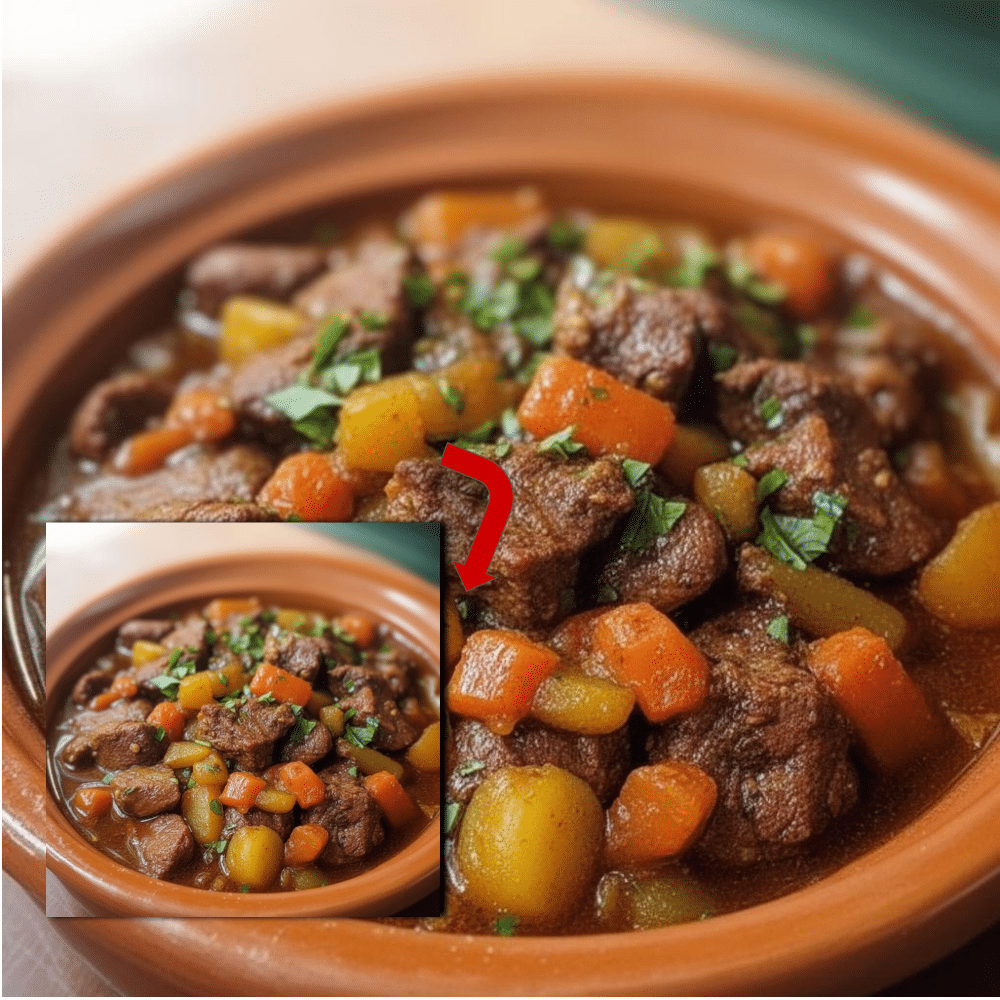
Why a Dutch Oven Works Just as Well
Don’t have a tagine pot? No problem! A heavy-bottomed Dutch oven with a tight-fitting lid is an excellent alternative. Its even heat distribution and ability to trap moisture mimic the tagine’s slow-cooking environment beautifully. It will yield the same incredibly tender lamb and rich flavors, making a Dutch oven a perfectly suitable vessel for your Moroccan Harissa Lamb Tagine.
Step-by-Step Cooking Instructions
Crafting this spicy lamb and vegetable stew is a labor of love that rewards patience.
1. Searing the Lamb for Maximum Flavor
- Heat a tablespoon of oil in your tagine base or Dutch oven over medium-high heat.
- Sear the cubed lamb shoulder in batches until deeply browned on all sides. This crucial step develops a rich crust and locks in moisture, building the foundational flavor of your lamb stew. Remove the lamb and set aside.
2. Building the Aromatic Base
- Lower the heat to medium. Add chopped onions to the pot and sauté until softened and translucent, about 5-7 minutes.
- Stir in minced garlic, grated fresh ginger, and the harissa paste. Cook for another minute until fragrant, allowing the aromas to meld.
- Add the ground spices (cumin, coriander, cinnamon, turmeric) and cook for 30 seconds, stirring constantly, to toast them and release their full fragrance.
3. The Low and Slow Braise
- Return the seared lamb to the pot. Pour in enough lamb or vegetable broth to almost cover the meat.
- Add diced tomatoes (fresh or canned), a handful of dried apricots, and a can of drained chickpeas. Stir everything together gently.
- Bring the mixture to a gentle simmer, then reduce the heat to low. Cover the tagine or Dutch oven tightly and let it braise for 1.5 to 2 hours. This is where the magic of “North African slow-cooked stew” truly happens, tenderizing the lamb to perfection.
4. Adding the Root Vegetables and Dried Fruit
- After the initial braising period, add the chopped carrots and potatoes to the pot. If needed, add a little more broth to ensure vegetables are partially submerged.
- Continue to simmer, covered, for another 45-60 minutes, or until the vegetables are tender and the lamb is incredibly soft and easily pulls apart.
- Adjust seasoning with salt and pepper to taste. A squeeze of fresh lemon juice or a sprinkle of fresh cilantro before serving can brighten the flavors.
Pro Tips for the Most Tender Lamb Stew
- Don’t Rush the Sear: A good sear on the lamb builds incredible flavor and creates a delicious crust. Do it in batches to avoid overcrowding the pot, which would steam the meat instead of browning it.
- Low and Slow is Key: The beauty of a tagine is its gentle, prolonged cooking. Resist the urge to turn up the heat. Patience yields the most tender lamb stew.
- Taste and Adjust: Moroccan cooking often involves adjusting flavors. Taste your stew halfway through and again before serving. Add more salt, a pinch of sugar to enhance sweetness, or a touch more harissa if you like extra heat.
- Rest Before Serving: Like many slow-cooked dishes, a tagine benefits from resting for 10-15 minutes off the heat before serving. This allows the flavors to deepen and the liquids to settle.
Ingredient Substitutions and Variations
While this recipe delivers an authentic experience, don’t hesitate to personalize your Moroccan Harissa Lamb Tagine.
- Protein: While lamb shoulder is recommended, you can make a delicious variation with beef stew meat or even chicken thighs (reduce cooking time significantly).
- Vegetables: Experiment with parsnips, sweet potatoes, turnips, or zucchini. Add softer vegetables like bell peppers or spinach towards the end of cooking.
- Dried Fruit: Prunes, raisins, or dates can be used instead of or in addition to apricots for different sweet notes.
- Nuts: Toasted slivered almonds or walnuts sprinkled on top just before serving add a lovely crunch and richness.
- Spice Level: If you prefer less heat, reduce the amount of harissa paste. For more, add an extra spoonful or a pinch of cayenne pepper.
What to Serve with Lamb Tagine (Couscous, Flatbread, Mint Tea)
A well-made Moroccan Harissa Lamb Tagine is typically served communally and shines when paired with traditional accompaniments.
- Couscous: Fluffy, steamed couscous is the classic pairing, perfect for soaking up the rich sauce.
- Crusty Bread or Flatbread: Ideal for scooping up the savory broth and tender pieces of lamb and vegetables.
- Fresh Herbs: A generous sprinkle of fresh cilantro or parsley adds a bright finish.
- Preserved Lemons: A quintessential Moroccan ingredient, a few slivers of preserved lemon add a unique salty, tangy depth.
- Mint Tea: Conclude your meal with a refreshing glass of traditional Moroccan mint tea, a perfect palate cleanser.
Make-Ahead, Storing, and Freezing Instructions
This North African slow-cooked stew is an excellent make-ahead meal, often tasting even better the next day as the flavors continue to meld.
- Make-Ahead: Prepare the entire tagine up to two days in advance. Cool completely, then refrigerate in an airtight container. Reheat gently on the stovetop or in the oven until warmed through. You might need to add a splash of broth or water to loosen the sauce.
- Storing: Leftovers can be stored in an airtight container in the refrigerator for up to 3-4 days.
- Freezing: This lamb stew with apricots and chickpeas freezes exceptionally well. Allow it to cool completely, then transfer to freezer-safe containers or bags. It can be frozen for up to 3 months. Thaw overnight in the refrigerator before reheating.
Frequently Asked Questions (FAQs)
Q: Can I make this Moroccan Harissa Lamb Tagine vegetarian?
A: Yes, you can! Replace the lamb with hearty vegetables like butternut squash, sweet potatoes, zucchini, and extra chickpeas. You may need to adjust the cooking time slightly.
Q: What if I don’t have harissa paste?
A: While harissa is key to the authentic flavor, a combination of smoked paprika, a pinch of cayenne pepper, garlic, and a little olive oil can provide a smoky, spicy substitute in a pinch.
Q: Can I use pre-cut stewing lamb?
A: Yes, pre-cut stewing lamb is often lamb shoulder and works perfectly for this recipe. Just ensure the pieces are roughly uniform in size for even cooking.
Q: Is this dish very spicy?
A: The spice level can be adjusted. Harissa paste varies in heat, and you can add more or less to suit your preference. This recipe aims for a pleasant warmth rather than extreme heat, allowing the other flavors to shine.
Q: Why are dried fruits included in savory dishes?
A: The addition of dried fruits like apricots is characteristic of sweet and savory Moroccan dishes. They provide a wonderful sweetness and slight tang that balances the richness of the meat and spices, creating a complex and intriguing flavor profile.
There you have it – your complete guide to mastering the exquisite Moroccan Harissa Lamb Tagine. We hope this authentic Moroccan tagine recipe inspires you to dive into the rich culinary traditions of North Africa. Happy cooking!
For more delicious recipes and culinary inspiration, be sure to follow us on Facebook: https://www.facebook.com/profile.php?id=61568538666337
Moroccan Harissa Lamb Tagine with Root Vegetables
Ingredients
- 2 lbs boneless lamb shoulder cut into 1.5-inch chunks
- 2 tbsp olive oil divided
- 1 large yellow onion chopped
- 3 cloves garlic minced
- 2 tbsp harissa paste adjust based on desired spice level
- 1 tsp ground cumin
- 1 tsp ground coriander
- 1 tsp ground cinnamon
- 14.5 oz diced tomatoes canned, undrained
- 2 cups lamb or chicken broth low sodium preferred
- 2 medium potatoes peeled and cubed
- 2 large carrots peeled and sliced
- 15 oz chickpeas canned, rinsed and drained
- 1/2 cup dried apricots halved
- 1/4 cup fresh parsley chopped, for garnish
Instructions
- Heat 1 tablespoon of olive oil in a large Dutch oven or tagine over medium-high heat. Season the lamb chunks generously with salt and pepper.
- Sear the lamb in batches until well-browned on all sides, about 5 to 7 minutes per batch. Transfer the browned lamb to a plate and set aside.
- Lower the heat to medium and add the remaining 1 tablespoon of olive oil to the pot. Add the chopped onion and sauté for 4 to 5 minutes until translucent and softened.
- Stir in the minced garlic, harissa paste, ground cumin, coriander, and cinnamon. Cook for 1 minute, stirring continuously, until highly fragrant.
- Pour in the diced tomatoes and broth, scraping the bottom of the pot with a wooden spoon to release any browned bits. Return the lamb and its resting juices to the pot.
- Bring the stew to a gentle simmer. Cover tightly, reduce the heat to low, and cook for 1 hour.
- Add the cubed potatoes, sliced carrots, chickpeas, and halved apricots to the pot. Stir gently to combine.
- Cover and continue to simmer for another 45 to 60 minutes, or until the lamb is fall-apart tender and the vegetables are fully cooked.
- Taste the tagine and adjust the seasoning with additional salt, pepper, or harissa paste if desired.
- Garnish with freshly chopped parsley and serve hot over fluffy couscous or flatbread.
For more daily recipes and tips, follow us on Facebook!
Click here to join our community!